Clinical Depression Disease: Symptoms, Causes, and Treatment Options

Clinical depression disease is more than temporary sadness and can affect emotions, body, thoughts, and behavior. Symptoms usually last at least two weeks and may include low mood, loss of interest, sleep changes, fatigue, and difficulty concentrating.
Key Takeaways
- Clinical depression disease is more than temporary sadness and can affect emotions, body, thoughts, and behavior.
- Symptoms usually last at least two weeks and may include low mood, loss of interest, sleep changes, fatigue, and difficulty concentrating.
- Depression can result from a mix of biological, psychological, medical, and social factors rather than a single cause.
- Diagnosis is based on a clinical assessment, symptom pattern, and screening for other medical or mental health conditions.
- Treatment may include psychotherapy, antidepressant medication, lifestyle changes, and support for safety and recovery.
- Urgent medical help is needed if a person has thoughts of self-harm, suicide, or cannot keep themselves safe.
Clinical depression disease is a common, real medical condition that affects mood, thinking, sleep, energy, and daily function. It is treatable, and many people improve with a combination of professional care, lifestyle support, and ongoing follow-up.
What Is Clinical Depression Disease?
Clinical depression disease, often called major depressive disorder, is a medical condition that causes persistent low mood and a marked loss of interest or pleasure in usual activities. It is not a sign of weakness, laziness, or a personal failure. The condition can affect how a person feels, thinks, sleeps, eats, works, and relates to others.
Everyone feels sad, stressed, or emotionally tired at times. Depression is different because the symptoms are stronger, last longer, and begin to interfere with daily life. A person may find it hard to get out of bed, focus at work, enjoy family time, or keep up with self-care. Physical symptoms such as fatigue, body aches, or appetite changes may also be part of the illness.
Depression can happen at any age and in people of any background. Some people have a single episode, while others have symptoms that return over time. With proper evaluation and treatment, many people experience meaningful improvement and learn effective ways to manage the condition.
Signs and Symptoms to Notice
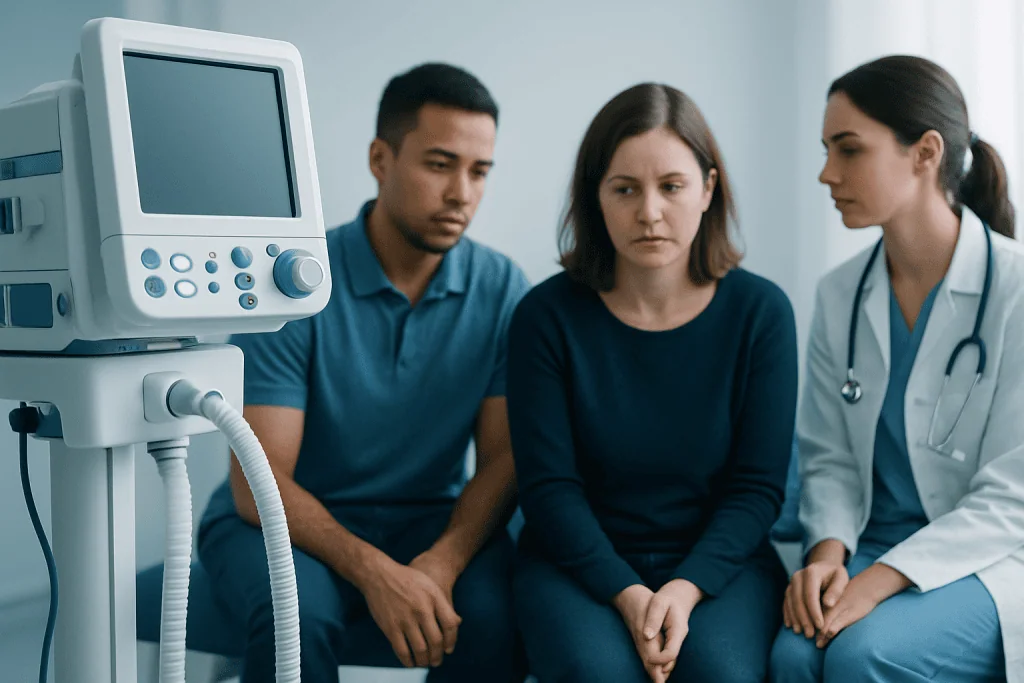
The symptoms of clinical depression disease vary from person to person. Some people mainly notice emotional changes, while others first recognize physical or cognitive symptoms. Doctors usually consider depression when symptoms are present most of the day, nearly every day, for at least two weeks.
Common symptoms can include:
- Persistent sadness, emptiness, or hopelessness
- Loss of interest or pleasure in hobbies, relationships, or daily activities
- Changes in sleep, such as insomnia or sleeping too much
- Changes in appetite or weight
- Low energy, fatigue, or slowed movement
- Restlessness or feeling unusually agitated
- Difficulty concentrating, remembering, or making decisions
- Feelings of guilt, worthlessness, or excessive self-criticism
- Frequent crying or emotional numbness
- Thoughts of death, self-harm, or suicide
Depression can also look different in different age groups. Children and teenagers may seem irritable, withdrawn, or have school difficulties. Older adults may speak less about sadness and more about tiredness, memory concerns, or loss of motivation. Because symptoms can overlap with other conditions, a careful medical assessment is important.
Why Depression Happens: Causes and Risk Factors

There is no single cause of clinical depression disease. In most people, it develops through a combination of factors involving the brain, body, life experiences, and environment. This helps explain why two people exposed to similar stress may have very different mental health outcomes.
Biological factors may include family history, changes in brain chemistry, hormone shifts, and certain medical conditions. Depression may also occur alongside other mental health conditions such as anxiety disorders or trauma-related disorders. In some cases, symptoms overlap with or occur together with obsessive-compulsive disorder or other psychiatric conditions, which can influence diagnosis and treatment planning.
Psychological and social risk factors may include ongoing stress, grief, relationship problems, social isolation, financial strain, chronic pain, sleep problems, or a history of trauma. Alcohol or substance misuse can worsen symptoms and make recovery harder. Some medications and medical illnesses, including thyroid disease, vitamin deficiencies, neurological conditions, and chronic inflammatory diseases, may also contribute to depressive symptoms.
Depression is rarely caused by one event alone. Understanding the full context helps doctors choose treatment that is practical, safe, and personalized.
How Doctors Diagnose Clinical Depression
Diagnosis begins with a detailed conversation about symptoms, how long they have been present, and how much they affect daily functioning. A doctor or mental health professional may ask about mood, sleep, appetite, energy, concentration, stress, medical history, and any previous episodes of depression. Screening questionnaires may be used to support the assessment, but diagnosis is based on a full clinical evaluation rather than a checklist alone.
Doctors also look for other conditions that can mimic or worsen depression. These may include thyroid disorders, anemia, chronic pain conditions, sleep disorders, medication side effects, substance use, or neurological illness. In some cases, basic laboratory tests may be recommended to rule out contributing physical causes.
An important part of assessment is evaluating safety. This includes asking directly about thoughts of self-harm, suicide, or feeling unable to cope. Many people worry about being judged, but honest discussion helps clinicians arrange the right level of support. If symptoms are severe, unusual mood swings are present, or psychotic symptoms occur, referral to specialist psychiatry care may be appropriate.
Treatment Options and What Recovery Can Look Like
Clinical depression disease is treatable, and treatment is usually based on symptom severity, personal history, coexisting conditions, and patient preference. For mild depression, structured self-care and talking therapy may be enough. For moderate to severe depression, treatment often includes psychotherapy, antidepressant medication, or a combination of both.
Psychotherapy can help a person identify thought patterns, behaviors, stressors, and relationship issues that contribute to depression. Common approaches include cognitive behavioral therapy, interpersonal therapy, and other evidence-based counseling methods. Medication may be recommended when symptoms are persistent, significantly impairing, or recurrent. Antidepressants can help some people by reducing symptoms over time, though they require medical supervision and regular follow-up.
In more complex cases, doctors may consider additional support such as treatment for coexisting anxiety, substance use counseling, sleep management, or family involvement. When depression appears alongside significant anxiety or panic symptoms, integrated care may include psychological therapy and broader mental health support. If severe depression is resistant to standard treatment or includes urgent safety concerns, specialist options may be discussed in a hospital or dedicated mental health setting.
Recovery is not always immediate. Some people improve within weeks, while others need adjustments in therapy, medication, or lifestyle measures. Regular review is important, especially early in treatment, to monitor progress, side effects, sleep, functioning, and safety.
Daily Support, Self-care, and Preventing Relapse
Self-care does not replace treatment, but it can support recovery and help reduce the chance of symptoms returning. Small, realistic steps are often more effective than trying to change everything at once. A regular sleep schedule, balanced meals, physical activity, and time outdoors can all support emotional well-being.
Helpful daily strategies may include:
- Keeping a steady routine for sleep, meals, and activity
- Breaking tasks into smaller, manageable steps
- Staying connected with trusted family or friends
- Limiting alcohol and avoiding recreational drugs
- Practicing stress reduction, such as breathing exercises or mindfulness
- Continuing therapy or medication as prescribed, even when feeling better
It can also help to notice early warning signs of relapse, such as withdrawing from others, sleeping much more or less than usual, persistent negative thinking, or losing interest in routine activities. Writing down a simple action plan with a doctor or therapist may make it easier to respond early if symptoms begin to return.
People with depression sometimes also experience sleep disturbance, chronic anxiety, or periods of intense stress. Addressing these related issues can improve long-term outcomes. Ongoing care may involve neurology evaluation or other specialist input if symptoms suggest an underlying neurological or medical contributor, though this is not needed for everyone.
When to Seek Medical Care
A person should seek medical care if low mood, loss of interest, fatigue, or other symptoms of clinical depression disease last more than two weeks or begin to interfere with work, school, relationships, or self-care. It is also wise to ask for help sooner if symptoms are worsening, episodes are recurring, or there is a history of depression, trauma, or substance misuse.
Urgent help is needed if a person talks about death or suicide, feels hopeless to the point of not wanting to live, has thoughts of self-harm, is unable to care for basic needs, or shows confusion, psychosis, or extreme agitation. In these situations, emergency services or immediate local crisis support should be contacted without delay.
If a diagnosis is uncertain or symptoms are complex, a multidisciplinary approach can be useful. Acibadem International’s multidisciplinary specialists and JCI-accredited hospitals provide evaluation and treatment for international patients with mental health conditions, including depression and related concerns such as anxiety disorder.
Frequently asked questions
Is clinical depression disease the same as feeling sad?
No. Sadness is a normal emotion that usually improves with time or changes in circumstances. Clinical depression disease is a medical condition with persistent symptoms that affect mood, energy, thinking, sleep, and daily life.
How long do depression symptoms need to last before diagnosis?
Doctors often look for symptoms that last at least two weeks and are present most of the day, nearly every day. The symptoms must also cause clear distress or interfere with normal functioning. A full assessment is needed to confirm the diagnosis.
Can depression cause physical symptoms?
Yes. Depression may cause fatigue, sleep problems, appetite changes, headaches, body aches, digestive complaints, and slowed movement. These symptoms are real and can be part of the condition, which is why medical evaluation is important.
Do all people with depression need medication?
Not always. Some people improve with psychotherapy, lifestyle changes, and close follow-up, especially if symptoms are mild. Medication may be recommended when symptoms are moderate to severe, long-lasting, or have returned after earlier episodes.
Can clinical depression disease come back after treatment?
Yes, it can return in some people, especially if they have had more than one episode before. Ongoing treatment, regular reviews, healthy routines, and early attention to warning signs can help reduce relapse risk.
When is depression an emergency?
Depression is an emergency if a person has suicidal thoughts, a plan to harm themselves, cannot stay safe, or is unable to care for basic needs. Immediate help should be sought through emergency services or urgent local crisis support.
References
- World Health Organization
- National Institute of Mental Health
- American Psychiatric Association
- National Health Service
- Mayo Clinic
This article is for general information only and is not a substitute for professional medical advice. Please consult a qualified doctor about your individual situation.
Depression in Turkey — costs, top hospitals & a free quote
JCI-accredited · board-certified surgeons · reply within 24h
Add us as a Preferred Source to see more of our trusted health content across Google Search, AI Overviews and Discover.