Clinical Features of Mania — Explained by Medical Evidence, Not Myths

Mania is a medical syndrome marked by abnormally elevated or irritable mood and increased activity or energy. Core clinical features include less need for sleep, pressured speech, racing thoughts, distractibility, impulsive decisions, and impaired judgment.
Key Takeaways
- Mania is a medical syndrome marked by abnormally elevated or irritable mood and increased activity or energy.
- Core clinical features include less need for sleep, pressured speech, racing thoughts, distractibility, impulsive decisions, and impaired judgment.
- Mania is most often associated with bipolar disorder, but it can also be triggered by substances, medications, or medical and neurologic conditions.
- Diagnosis is based on a careful clinical assessment, including symptom pattern, duration, severity, and possible medical causes.
- Treatment usually combines urgent safety planning, mood-stabilizing or antipsychotic medication, and follow-up mental health care.
Clinical features of mania are a recognizable group of symptoms that include persistently elevated or irritable mood, increased energy, reduced need for sleep, rapid speech, racing thoughts, impulsive behavior, and reduced insight. These changes are more intense than ordinary happiness or productivity and can disrupt safety, relationships, work, or school, which is why prompt medical assessment matters.
Overview: what the clinical features of mania mean
The clinical features of mania refer to the specific emotional, behavioral, cognitive, and physical changes doctors look for when evaluating a possible manic episode. In medical practice, mania is not simply feeling very happy, energetic, or ambitious. It is a state of persistently abnormal mood and increased activity or energy that is strong enough to affect judgment, relationships, work, finances, or personal safety.
A person with mania may seem unusually confident, talkative, restless, or driven. They may sleep very little without feeling tired, begin many projects at once, spend impulsively, take sexual or social risks, or become unusually argumentative or irritable. In more severe cases, a person may lose touch with reality and develop psychotic symptoms such as delusional beliefs.
Mania is most commonly linked to bipolar disorder, especially bipolar I disorder, but similar symptoms can also occur because of certain medications, recreational substances, sleep deprivation, endocrine disorders, or neurologic illness. Because causes and severity vary, an accurate diagnosis is important before treatment decisions are made.
How mania presents in daily life
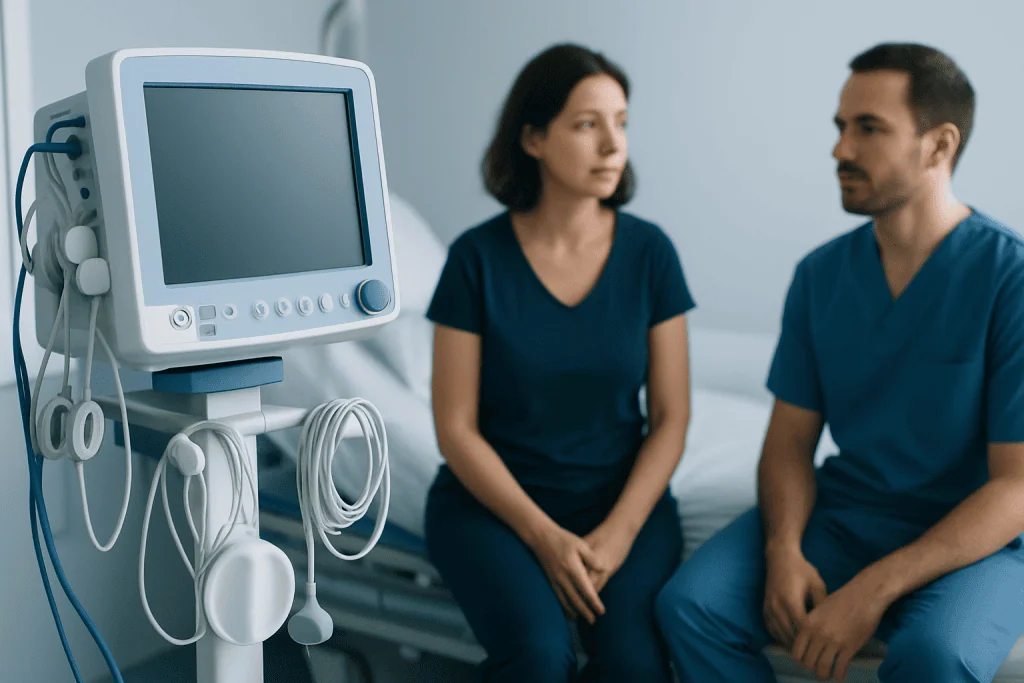
Mania often shows itself as a clear change from a person’s usual behavior rather than a single isolated symptom. Family members, friends, or coworkers may notice that the person is speaking more loudly or quickly, interrupting others, starting unrealistic plans, or acting far more socially outgoing than usual. Some people feel euphoric, while others mainly appear irritable, impatient, or easily angered.
Daily routines commonly change. Sleep may drop sharply, yet the person may insist they feel fully rested after only a few hours. Attention becomes hard to sustain because thoughts move rapidly from one idea to another. This can create a pattern of unfinished tasks, frequent topic changes, and behavior that seems energetic but disorganized.
Insight is often reduced. A person experiencing mania may not recognize that anything is wrong and may resist help, especially if they feel unusually powerful, creative, productive, or invulnerable. This reduced awareness is one reason mania can escalate before medical attention is sought.
Main symptoms and clinical signs doctors look for

Clinicians assess both mood and function. A manic episode usually involves an abnormally elevated, expansive, or irritable mood together with increased goal-directed activity or energy. Symptoms are judged in context: doctors consider whether the behavior is clearly different from the person’s baseline and whether it causes social, occupational, academic, financial, or legal problems.
Common clinical features of mania include:
- Persistently elevated, expansive, or unusually irritable mood
- Marked increase in energy, activity, or restlessness
- Decreased need for sleep, not just insomnia with fatigue
- Pressured or very rapid speech
- Racing thoughts or the feeling that ideas are moving too fast
- Distractibility and difficulty staying focused
- Inflated self-esteem or grandiosity
- Impulsive or high-risk behavior, such as overspending, unsafe driving, substance use, or risky sexual behavior
- Excessive involvement in projects, plans, or social interactions
In severe episodes, psychotic features may appear. These can include fixed false beliefs, such as feeling unusually powerful or chosen for a special mission, or less commonly hallucinations. When psychosis is present, urgent psychiatric assessment is especially important because decision-making and safety can be significantly affected.
Doctors also distinguish mania from hypomania. Hypomania involves similar symptoms but is generally less severe and does not cause the same degree of impairment or require hospitalization. True mania, by contrast, is more disruptive and may place the person or others at risk.
What causes mania and who is at risk
Mania has several possible causes, and identifying the right one is a key part of care. The most common psychiatric association is bipolar disorder, particularly bipolar I disorder. Episodes may occur spontaneously, but they can also be triggered by stress, major life changes, disrupted sleep, or stopping prescribed treatment.
Substances and medications can also lead to manic symptoms. Examples include stimulants, cocaine, amphetamines, excess alcohol use during certain phases, corticosteroids, some antidepressants, and other medicines that affect the brain. In these situations, doctors consider whether symptoms began soon after a change in medication or substance use.
Medical and neurologic conditions are another important possibility. Thyroid disease, certain infections, autoimmune conditions, head injury, seizure-related disorders, and some brain disorders can sometimes produce symptoms that resemble mania. For this reason, a full evaluation may include both psychiatric and medical assessment, especially when symptoms begin later in life or appear suddenly.
Risk is higher in people with a personal or family history of bipolar disorder or other mood disorders. Irregular sleep, shift work, substance misuse, and untreated mental health conditions may also increase the chance of an episode in vulnerable individuals.
How mania is diagnosed
There is no single blood test or scan that confirms mania. Diagnosis is made through a detailed clinical interview, observation of behavior, and information from family members or close contacts when available. Doctors ask about mood, sleep, activity level, speech, thinking patterns, risky behavior, substance use, medication history, and whether symptoms have occurred before.
The timing and severity of symptoms matter. Clinicians assess how long the symptoms have lasted, how strongly they impair function, and whether they include psychosis, agitation, or dangerous behavior. They also look for episodes of depression, since mania often occurs within the broader pattern of bipolar illness rather than as an isolated problem.
Medical tests may be used to rule out other causes. Depending on the situation, this can include basic blood work, thyroid testing, toxicology screening, or neurologic evaluation. When symptoms are severe, inpatient assessment may be recommended to support diagnosis, protect safety, and begin treatment quickly.
Because several conditions can mimic or overlap with mania, specialists may also consider depression with agitation, anxiety disorders, attention-deficit/hyperactivity disorder, personality disorders, substance-induced states, and some psychotic disorders. This is one reason expert psychiatric assessment is valuable before labeling symptoms.
Treatment options and what recovery usually involves
Treatment depends on the cause, severity, and immediate safety needs. If mania is severe, associated with psychosis, or causing dangerous behavior, urgent care in a hospital may be the safest setting. Early treatment aims to reduce agitation, improve sleep, stabilize mood, and protect the person from harmful decisions or accidental injury.
Medication is commonly part of treatment. Doctors may use mood stabilizers, antipsychotic medicines, or other short-term supportive medicines depending on the person’s symptoms and overall health. If a medication or substance triggered the episode, the care team addresses that factor as well. Any medicine changes should be supervised by a qualified clinician rather than stopped suddenly without advice.
After the acute episode improves, ongoing care focuses on preventing relapse and supporting daily function. This may include psychiatric follow-up, psychotherapy, sleep regulation, family education, and planning around work, study, finances, and relationships. For some people, treatment continues long term because bipolar disorder can recur over time.
When symptoms are part of a broader psychiatric condition, clinicians may also evaluate related concerns such as depression or anxiety. In some cases, specialist mental health care and structured follow-up are needed alongside broader psychiatry care and, if medical causes are being investigated, coordinated neurology evaluation.
Prevention, self-care, and support for families
Self-care does not replace treatment for mania, but it can support stability and reduce relapse risk. A regular sleep schedule is one of the most important protective habits, since sleep loss can worsen mood instability. Limiting alcohol and avoiding recreational drugs are also important, especially for people with a history of bipolar disorder or substance-related episodes.
People who have had mania before often benefit from learning their early warning signs. These may include sleeping less, increased talkativeness, unusual confidence, taking on too many activities, becoming more distractible, or feeling unusually driven. Recognizing these patterns early can help a person and their family contact a doctor before symptoms become severe.
Family support can be very helpful when it remains calm, practical, and nonjudgmental. Loved ones can assist by encouraging treatment adherence, reducing overstimulation, helping with appointments, and watching for risky behavior. During active mania, arguments about unrealistic plans may not be productive; safety and professional help are usually the priority.
For international patients who need assessment across psychiatry, internal medicine, and neurology, Acibadem International’s multidisciplinary specialists in JCI-accredited hospitals evaluate and treat related conditions with coordinated care.
When to seek medical care
Medical care should be sought promptly if a person develops a sudden and clear change in mood, energy, sleep, judgment, or behavior that suggests mania. Evaluation is especially important when symptoms are escalating, the person is not sleeping, is spending or acting impulsively, is becoming aggressive or highly agitated, or seems unable to recognize the problem.
Urgent or emergency care is needed if there are suicidal thoughts, self-harm, threats toward others, psychotic symptoms, severe confusion, extreme agitation, unsafe driving, inability to care for basic needs, or concern that alcohol, drugs, or a medical condition may be contributing. If immediate safety is at risk, emergency services should be contacted according to local guidance.
Even milder symptoms deserve medical review, especially in anyone with past episodes, a family history of bipolar disorder, recent medication changes, or significant sleep disruption. Early assessment can shorten the episode, reduce complications, and help clarify whether symptoms fit bipolar disorder or another condition.
Frequently asked questions
What are the clinical features of mania in simple terms?
The clinical features of mania are signs such as unusually elevated or irritable mood, much more energy than usual, less need for sleep, fast speech, racing thoughts, distractibility, and impulsive behavior. These symptoms go beyond normal excitement and can interfere with judgment, relationships, work, or safety.
How is mania different from normal happiness or high productivity?
Normal happiness does not usually reduce sleep dramatically, impair judgment, or cause risky behavior. Mania involves a clear change from a person's usual state and often leads to consequences such as overspending, conflict, unsafe choices, or difficulty functioning.
Is mania always part of bipolar disorder?
Not always. Mania is commonly associated with bipolar disorder, but similar symptoms can also be caused by substances, medications, thyroid problems, neurologic illness, or other medical conditions. That is why proper medical assessment is important.
Can someone have mania and not realize it?
Yes. Reduced insight is common during mania, and some people feel unusually capable or energized rather than unwell. Family members or friends are often the first to notice that behavior has become unsafe, unrealistic, or very different from normal.
How long does a manic episode last?
The duration varies from person to person and depends on the cause and whether treatment begins early. Some episodes build over days, while others last much longer if not treated. A clinician can assess the pattern and recommend appropriate care.
What is the first treatment for mania?
The first priority is safety and urgent clinical evaluation. Treatment often includes medication to stabilize mood and reduce severe symptoms, along with measures to restore sleep and address any trigger such as substance use or another medical problem.
This article is for general information only and is not a substitute for professional medical advice. Please consult a qualified doctor about your individual situation.
Explore treatments in Turkey — costs, top hospitals & a free quote
JCI-accredited · board-certified surgeons · reply within 24h
Add us as a Preferred Source to see more of our trusted health content across Google Search, AI Overviews and Discover.

More from the Health Library

Aripiprazole: A Complete Medical Overview

Best Ice Cream for Diabetics — Explained by Medical Evidence, Not Myths

Discoid Eczema: What Patients Need to Know

Enzyme Immunoassay: What Patients Need to Know

Physiatrist: A Complete Medical Overview