Clinical Nurse Specialist — Explained by Medical Evidence, Not Myths

A clinical nurse specialist is an advanced practice nurse with graduate-level education and specialty expertise. Clinical nurse specialists support patients directly while also improving care systems, staff knowledge, and clinical outcomes.
Key Takeaways
- A clinical nurse specialist is an advanced practice nurse with graduate-level education and specialty expertise.
- Clinical nurse specialists support patients directly while also improving care systems, staff knowledge, and clinical outcomes.
- Their work may include assessment, care planning, education, symptom management, and leading evidence-based practice changes.
- A clinical nurse specialist is different from a nurse practitioner, although both are advanced practice nursing roles.
- Patients may meet a clinical nurse specialist in hospitals, specialty clinics, rehabilitation settings, community care, and chronic disease programs.
A clinical nurse specialist is an advanced practice registered nurse with expert training in a focused area of care, such as oncology, cardiology, pediatrics, mental health, or critical care. This role combines direct patient care, staff education, and quality improvement to help patients receive safer, more coordinated, evidence-based treatment.
Overview: what a clinical nurse specialist is
A clinical nurse specialist is an advanced practice registered nurse who has graduate-level preparation in a defined area of clinical practice. In simple terms, this professional is both a highly skilled clinician and a care-improvement leader. The role is built on medical evidence, nursing science, and practical expertise in helping patients and healthcare teams manage complex health needs.
Unlike common myths that portray the role as mainly administrative or limited to bedside teaching, a clinical nurse specialist often works across three connected areas: direct patient care, support for healthcare professionals, and improvement of the systems where care is delivered. This means the role can affect an individual patient’s treatment plan while also helping a hospital or clinic provide safer, more consistent care for many people.
Clinical nurse specialists usually focus on a specialty population, setting, disease group, or type of problem. Examples include cancer care, heart disease, wound care, pain management, pediatrics, critical care, or mental health. Their expertise can be especially valuable when patients have complicated symptoms, multiple diagnoses, or care that involves several different specialists.
What a clinical nurse specialist does in everyday care
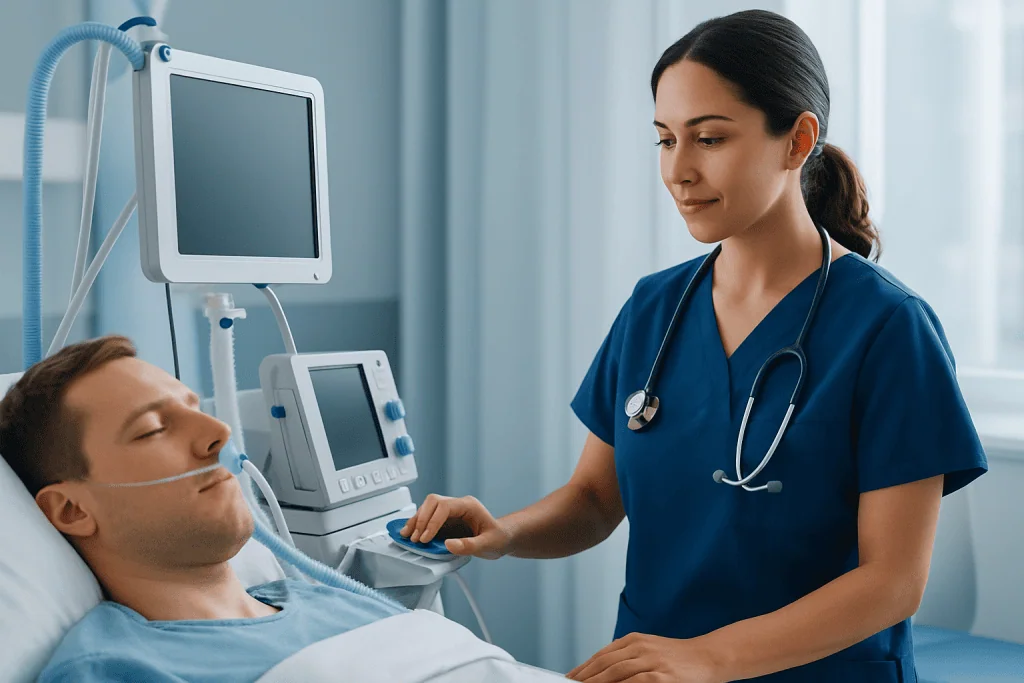
The work of a clinical nurse specialist is broader than many patients realize. In direct care, this nurse may assess symptoms, review medical history, help interpret the practical meaning of a diagnosis, and contribute to a care plan tailored to the person’s needs. They often help patients and families understand treatment choices, prepare for procedures, and manage symptoms during recovery or long-term illness.
Clinical nurse specialists also help other healthcare professionals deliver evidence-based care. They may train staff, develop care pathways, support safer medication practices, or guide teams on how to respond to complex issues such as pain, infection prevention, delirium, skin breakdown, or recovery after surgery. In this way, their influence goes beyond one patient encounter.
Another major part of the role is quality improvement. A clinical nurse specialist may review outcomes, identify gaps in care, and help introduce better practices based on current guidelines. For patients, this often translates into clearer communication, more coordinated treatment, and better attention to safety, comfort, and continuity.
- Performs advanced assessment and clinical problem-solving
- Helps manage symptoms and coordinate multidisciplinary care
- Educates patients, families, nurses, and other staff
- Supports evidence-based practice and care standards
- Leads or contributes to quality and safety initiatives
Education, credentials, and scope of practice
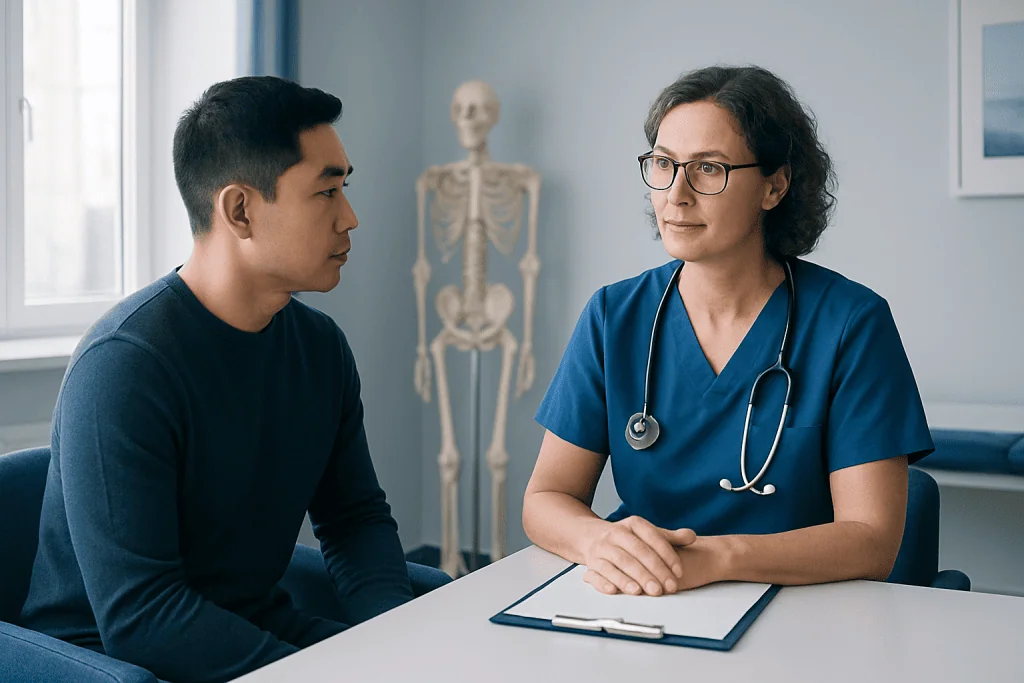
In the United States, a clinical nurse specialist is an advanced practice registered nurse, usually educated at the master’s or doctoral level. Preparation includes advanced study in physiology, pharmacology, health assessment, research, and specialty-specific clinical care. Licensing and scope of practice depend on national and local regulations, as well as the healthcare setting.
Because laws differ between regions and countries, the exact tasks a clinical nurse specialist can perform may vary. In some places, they may have authority related to diagnosis, prescribing, ordering tests, or leading specialty clinics. In other settings, their role is more focused on consultation, education, clinical leadership, and complex care management. Even where the legal scope differs, the core purpose remains the same: bringing expert nursing knowledge into patient care and system improvement.
Patients do not need to memorize credentialing details, but it is helpful to know that a clinical nurse specialist is not simply a general nurse with experience. This is a formally trained advanced role. If patients are unsure what responsibilities the clinical nurse specialist has in a specific hospital or clinic, they can ask how that professional fits into the care team and what types of decisions or support they provide.
Clinical nurse specialist vs nurse practitioner: key differences
A common question is how a clinical nurse specialist differs from a nurse practitioner. Both are advanced practice nurses, and both can play major roles in patient care. However, the emphasis of the two roles is often different. A nurse practitioner usually focuses strongly on diagnosing and treating individual patients in a clinic or hospital setting, while a clinical nurse specialist typically combines individual care with staff support, education, and broader system-level improvement.
That said, there can be overlap. In some healthcare environments, a clinical nurse specialist may also run consultations, perform advanced assessments, or follow patients closely through treatment and recovery. The main distinction is not which role is “better,” but where each one places its center of gravity. The clinical nurse specialist often acts as an expert resource for both patients and healthcare teams.
For patients, the practical point is simple: either professional may be an important part of care. If a person is living with a complex condition such as breast cancer, heart disease, or a neurological disorder, a clinical nurse specialist may help connect the pieces of care and improve how the whole team works together.
Where patients may encounter a clinical nurse specialist
Clinical nurse specialists work in many settings, not only large hospitals. Patients may meet them in intensive care units, cancer centers, surgical services, rehabilitation programs, outpatient specialty clinics, palliative care services, community programs, and chronic disease management teams. Their presence is often strongest in areas where care is complex or where consistency and education are especially important.
For example, a patient preparing for chemotherapy may receive counseling on symptom monitoring, side effects, and when to call for help. A person recovering from cardiac rehabilitation services after a heart event may benefit from a clinical nurse specialist’s guidance on safe recovery, medications, rehabilitation goals, and risk-factor reduction. In surgical and recovery settings, they may help standardize pain management, mobility plans, and prevention of complications.
Some clinical nurse specialists are highly focused on one problem area, such as wound care, infection prevention, diabetes education, or stroke recovery. Others support broad groups of patients across a department. In all of these environments, they often act as a bridge between medical evidence and everyday patient care.
Benefits for patients and families
Patients and families often value a clinical nurse specialist because this role can make healthcare easier to understand and navigate. Serious illness or a new diagnosis can involve many appointments, tests, and decisions. A clinical nurse specialist may help explain what is happening, clarify next steps, and make sure concerns are communicated to the wider care team.
Another benefit is attention to symptom burden and quality of life. Clinical nurse specialists are often deeply involved in practical issues that matter to patients every day, such as pain, nausea, fatigue, sleep problems, mobility, skin care, emotional stress, or preparation for discharge. They may suggest strategies, coordinate referrals, and help identify when additional support is needed.
Because they work with both individuals and healthcare systems, they can also reduce fragmentation of care. This can be helpful for people living with chronic or complex conditions, including Parkinson’s disease or those undergoing radiation oncology treatment, where symptom monitoring, caregiver education, and coordinated follow-up are important. The goal is not only treatment, but treatment that is understandable, safe, and centered on the patient.
Common myths and what medical evidence supports
One myth is that a clinical nurse specialist mainly performs administrative tasks and has little contact with patients. In reality, many clinical nurse specialists are deeply involved in direct care, especially for complex symptoms, care transitions, and patient education. Their leadership work is not separate from patient care; it is usually designed to improve it.
Another myth is that this role simply duplicates what doctors or staff nurses already do. Medical evidence and healthcare practice show that advanced nursing roles can strengthen team-based care by adding focused expertise in assessment, communication, symptom control, and implementation of best practices. This is particularly useful when care involves multiple disciplines and a high need for coordination.
A third myth is that a clinical nurse specialist is only relevant in severe illness. Although they are often central in high-acuity settings, they can also be valuable in prevention, rehabilitation, chronic disease management, and patient self-care education. Their role is often most effective when introduced early, before problems become harder to manage.
When to seek medical care and how to use this role well
Patients should seek medical care promptly if they have new, severe, or worsening symptoms, especially chest pain, shortness of breath, sudden weakness, confusion, high fever, uncontrolled bleeding, severe dehydration, or signs of an allergic reaction. Anyone receiving active treatment for a serious illness should also contact their care team if expected side effects become difficult to manage or if something feels clearly different from the usual recovery pattern.
If a clinical nurse specialist is part of the care team, patients can make the most of the relationship by bringing a list of symptoms, medications, questions, and daily concerns. It can help to ask who to contact after hours, what warning signs need urgent review, and what changes should be reported between appointments. This makes care more organized and can reduce uncertainty at home.
In complex cases, support from a multidisciplinary team can be especially valuable. Acibadem International’s multidisciplinary specialists and JCI-accredited hospitals diagnose and treat a wide range of conditions for international patients, and advanced nursing support is part of coordinated modern care. Even so, the right first step for any patient is to speak with a qualified doctor or their designated care team about their specific health needs.
Frequently asked questions
Is a clinical nurse specialist a doctor?
No. A clinical nurse specialist is an advanced practice registered nurse, not a physician. Some may hold doctoral degrees in nursing, but their professional role remains within advanced nursing practice.
Can a clinical nurse specialist diagnose and prescribe treatment?
This depends on the laws and regulations of the country or region, as well as the healthcare setting. In some places, clinical nurse specialists have authority to diagnose, prescribe, or order tests, while in others they work mainly in consultation, education, and care coordination.
How is a clinical nurse specialist different from a registered nurse?
A registered nurse provides essential patient care and education, but a clinical nurse specialist has additional graduate-level training and specialty expertise. The clinical nurse specialist role includes advanced clinical assessment, evidence-based practice leadership, and support for improving care systems.
Do patients see a clinical nurse specialist only in hospitals?
No. Although many work in hospitals, clinical nurse specialists can also practice in outpatient clinics, rehabilitation services, community programs, and specialty care centers. Patients may meet them at different points in diagnosis, treatment, recovery, or long-term disease management.
Why might a doctor involve a clinical nurse specialist in care?
A doctor may involve a clinical nurse specialist when a patient has complex symptoms, needs detailed education, or would benefit from better coordination across services. This role can also help standardize evidence-based care and support safer recovery.
Should a patient ask to speak with a clinical nurse specialist?
Yes, if one is available and the patient feels they need more support understanding treatment, symptoms, or follow-up plans. Asking questions is appropriate, especially when care feels complicated or when symptom management at home is difficult.
This article is for general information only and is not a substitute for professional medical advice. Please consult a qualified doctor about your individual situation.
Explore treatments in Turkey — costs, top hospitals & a free quote
JCI-accredited · board-certified surgeons · reply within 24h
Add us as a Preferred Source to see more of our trusted health content across Google Search, AI Overviews and Discover.

More from the Health Library

Parsley Substitute — Explained by Medical Evidence, Not Myths
Lymph Nodes Behind Ear: An Evidence-Based Guide for Patients
Essiac Tea — Explained by Medical Evidence, Not Myths

Pickle Juice for Cramps: What Patients Need to Know

Resistance Band Exercises: A Complete Medical Overview