CLL Sll Treatment: How It Works, Results and What to Expect

CLL and SLL are closely related blood cancers that are managed using similar treatment principles. Treatment does not usually begin solely because CLL or SLL has been diagnosed; disease activity and symptoms guide timing.
Key Takeaways
- CLL and SLL are closely related blood cancers that are managed using similar treatment principles.
- Treatment does not usually begin solely because CLL or SLL has been diagnosed; disease activity and symptoms guide timing.
- Modern targeted therapies can control disease effectively for many people, often without traditional chemotherapy.
- Response is monitored through symptoms, examination findings and blood tests rather than one result alone.
- Regular follow-up remains important during monitoring, active treatment and remission.
CLL SLL treatment is tailored to whether the disease is active, causing symptoms or affecting blood counts and organs. Many people begin with careful monitoring, while others benefit from targeted medicines, antibody-based treatment or, in selected circumstances, cellular therapy or transplantation.
Overview: what CLL SLL treatment involves
CLL SLL treatment aims to control <a href="https://acibademinternational.com/diseases/chronic-lymphocytic-leukemia/”>chronic lymphocytic leukemia (CLL) or small lymphocytic lymphoma (SLL), relieve symptoms, protect blood counts and support quality of life. The best approach depends on how active the condition is, genetic and laboratory findings, previous treatments, other health conditions and the person’s preferences. For many people with early, stable disease, active monitoring is appropriate and does not mean that care is being delayed.
CLL and SLL arise from the same type of mature B lymphocyte. In CLL, abnormal cells are mainly found in the blood and bone marrow; in SLL, they are mainly found in lymph nodes or other lymphatic tissues. They are generally considered different presentations of the same disease spectrum and are often treated in similar ways. More background is available in chronic lymphocytic leukemia information.
Current care has moved beyond relying only on conventional chemotherapy. Targeted oral medicines and antibody therapies are commonly used and may be given for a fixed duration or continued over time, depending on the regimen. A hematologist or oncology team explains the expected benefit, possible side effects, monitoring schedule and alternatives before treatment begins.
How treatment works and who may need it
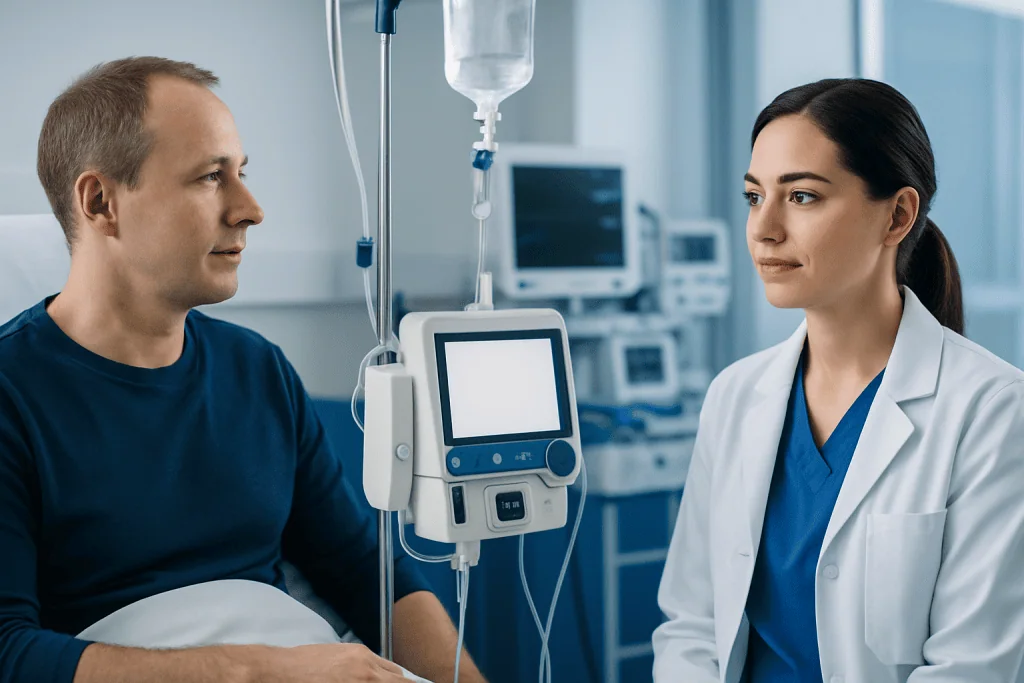
CLL SLL treatment works by reducing or controlling the abnormal B cells that accumulate in the blood, bone marrow, lymph nodes and spleen. Targeted therapies interfere with signals that leukemia cells use to survive and multiply. Monoclonal antibodies attach to proteins on B cells and help the immune system recognize and clear them. In specific situations, chemotherapy-based combinations, cellular therapies or stem cell transplantation may still have a role.
Doctors usually recommend treatment when there is evidence that disease activity is affecting health. Examples include worsening anemia or low platelet levels from bone marrow involvement, substantial or steadily enlarging lymph nodes or spleen, recurring troublesome symptoms, or a rapid rise in lymphocyte counts together with other signs of progression. Repeated infections, autoimmune complications or reduced daily functioning may also influence planning.
Not every abnormal blood result requires immediate therapy. A rising white blood cell count by itself is often not enough to start treatment. Instead, the team considers the overall pattern over time, physical examination, symptoms and tests that help predict how the disease may behave. This individualized approach helps avoid treatment-related side effects when treatment is unlikely to provide a clear benefit.
How do you know your CLL is progressing?

CLL may progress slowly, and some changes are detected at scheduled appointments before a person feels unwell. Doctors look for trends such as enlarging lymph nodes, a growing spleen, falling hemoglobin or platelet levels, and a sustained increase in lymphocyte counts. These changes are interpreted together, rather than in isolation.
Possible symptoms of progression include increasing tiredness, shortness of breath related to anemia, persistent fevers without infection, drenching night sweats, unintentional weight loss, discomfort or fullness below the ribs from an enlarged spleen, or enlarging lymph nodes. Frequent or severe infections also deserve assessment because CLL and some treatments can affect immune function.
Progression does not automatically mean an emergency or that treatment must start immediately. A hematology team will review the speed and cause of the changes, exclude issues such as infection, and determine whether formal treatment criteria are met. Patients should report new or worsening symptoms between planned visits rather than waiting for the next routine blood test.
At what stage of CLL does treatment start?
CLL treatment does not begin at one fixed stage. Staging systems, such as Rai staging commonly used in the United States and Binet staging used in many other settings, describe disease extent and blood-count changes, but treatment decisions are primarily based on active or symptomatic disease. A person with early-stage CLL may need treatment if there are clear indications, while another person with more advanced-stage disease may be monitored briefly if they are stable and do not meet treatment criteria.
People searching for “CLL treatment stage 1” should know that stage 1 often involves lymph node enlargement with preserved red blood cell and platelet counts. If there are no significant symptoms or other treatment indications, monitoring is commonly recommended. This includes regular clinical reviews and blood tests, with the timing tailored to the individual.
For “CLL treatment stage 3,” anemia is generally present under the Rai system. Treatment is frequently considered because anemia can signal meaningful bone marrow involvement, although clinicians still confirm the cause and assess the wider clinical picture. The purpose of staging is to support prognosis and follow-up, not to replace individualized decision-making.
Planning and receiving treatment: step by step
Before treatment, the team confirms the diagnosis and assesses disease features through blood tests, examination and, when needed, imaging or lymph node and bone marrow testing. Specialized tests may examine chromosome changes and gene variations, including TP53-related abnormalities and IGHV mutation status. These findings can help identify the most suitable treatment approach.
Many modern treatment plans are outpatient-based. Some are oral medicines taken at home with regular blood tests and appointments. Others involve intravenous antibody treatment at a clinic, particularly during the first doses when monitoring may be needed. Certain medicines can cause a rapid breakdown of cancer cells, known as tumor lysis syndrome, so clinicians may use preventive measures, gradual dose escalation and closer laboratory monitoring at the start.
The treatment plan may be time-limited or continuous. During visits, clinicians review symptoms, infection risk, blood counts, kidney and liver function, medication interactions and side effects. Patients should not stop, change or share medicines without speaking to their prescribing team. A detailed discussion of CLL treatment options can help patients understand how therapies are selected.
For the small number of people with disease that has returned repeatedly or is difficult to control, care may include a clinical trial, a specialized cellular therapy assessment or stem cell transplantation. These options require careful review at an experienced center because potential benefits and risks vary substantially between individuals.
Benefits, risks and recovery timeline
The expected benefit of treatment is disease control: improvement in blood counts, reduction in enlarged lymph nodes or spleen, fewer disease-related symptoms and a longer period before further treatment may be needed. CLL treatment success is therefore not captured by one universal success rate. Outcomes depend on disease biology, treatment type, prior therapy and the individual’s general health, and meaningful responses can occur even when the condition is not considered curable with standard therapy.
Clinicians use CLL treatment response criteria to measure response consistently. They assess physical findings, symptoms, blood counts and, when appropriate, bone marrow or imaging results. Responses may be described as complete, partial, stable disease or progressive disease. A partial response can still provide important symptom relief and long-term disease control.
Recovery is different from recovery after surgery. Many people continue daily activities during oral therapy, although fatigue, infections, bruising or digestive symptoms can occur. Antibody treatments may cause infusion-related reactions, particularly early in the course. Targeted medicines can also carry specific risks, such as changes in blood counts, bleeding, heart rhythm problems, high blood pressure or tumor lysis syndrome, depending on the medicine used.
Close follow-up is part of safe recovery and ongoing care. Blood tests may be more frequent at the beginning of treatment and then become less frequent once the regimen is stable. The care team can advise on vaccines, infection precautions, dental care, travel planning and which non-prescription products or supplements may interact with treatment.
Prevention, self-care and when to seek medical care
There is no proven way to prevent CLL or SLL, and people should not blame themselves for developing it. Self-care focuses on protecting overall health and reducing avoidable complications. This can include keeping appointments, following medication instructions, maintaining balanced nutrition and activity within personal ability, avoiding smoking and discussing recommended vaccinations with the care team. Live vaccines may not be suitable for some people with CLL or SLL.
Patients should contact their treating team promptly for fever, chills, new shortness of breath, unusual bleeding or bruising, severe weakness, sudden swelling, chest discomfort, severe diarrhea or vomiting, or signs of an allergic reaction during or after treatment. These symptoms can have many causes, but timely assessment is especially important for people whose immune system or blood counts may be affected.
Urgent medical care is appropriate for severe breathing difficulty, persistent chest pain, confusion, fainting, uncontrolled bleeding or a high fever with significant illness. Routine concerns such as slowly increasing fatigue, new lymph node swelling or questions about medicines should still be discussed with a clinician without delay.
Acibadem International’s multidisciplinary specialists at JCI-accredited hospitals evaluate and treat CLL and SLL for international patients, coordinating hematology, oncology, laboratory and supportive-care needs. A qualified healthcare professional can help clarify the most appropriate monitoring or treatment plan.
Is SLL a progression of CLL? How do you know what stage of CLL you are in?
SLL is not usually considered a progression of CLL. Both conditions involve the same type of abnormal B cell, but they are classified by where most of the cells are found at diagnosis. CLL is identified mainly in the blood and bone marrow, whereas SLL is identified mainly in lymph nodes or related lymphatic tissue with a lower number of abnormal cells in the blood.
A clinician determines CLL stage using examination findings and blood tests, particularly hemoglobin and platelet levels, along with whether lymph nodes, liver or spleen are enlarged. Under the Rai system, stages range from 0 to IV; the Binet system uses stages A, B and C. Imaging is not required for staging in every person, but it may be useful when symptoms or treatment planning warrant it.
Stage provides helpful context but is only one part of care. Genetic testing, response to prior treatment, rate of change, symptoms and other health conditions may be equally important when estimating outlook and deciding whether to begin or adjust treatment. Regular review with a hematologist gives the clearest picture of disease status over time.
Frequently asked questions
Can CLL or SLL be treated without chemotherapy?
Yes. Many people are treated with targeted medicines, often combined with antibody therapy, rather than traditional chemotherapy. The most suitable regimen depends on disease characteristics, previous treatment, other medical conditions and individual treatment goals.
What does watchful waiting mean for CLL?
Watchful waiting, also called active surveillance, means regular monitoring without active cancer treatment. It is used when CLL is stable and does not meet recognized criteria for therapy, helping patients avoid side effects before treatment is likely to provide benefit.
How long does CLL SLL treatment last?
Treatment duration depends on the regimen. Some combinations are given for a defined period, while other targeted medicines are continued as long as they are effective and tolerated. The treating team will explain the planned schedule and follow-up needs.
What is a complete response in CLL treatment?
A complete response means that clinical tests show no detectable signs of active disease according to standard response criteria. It does not always mean that every abnormal cell has been eliminated permanently, so continued follow-up is still necessary.
Can CLL return after treatment?
Yes. CLL can return or become active again after a period of response, sometimes years later. Effective additional treatment options may be available, and the choice depends on prior therapy, the length of response and updated disease testing.
Should someone with CLL avoid all infections?
It is not possible to avoid every infection, but sensible precautions can lower risk. Good hand hygiene, appropriate vaccinations discussed with the care team, avoiding close contact with people who are acutely unwell and promptly reporting fever or concerning symptoms are important.
References
- National Cancer Institute
- Leukemia & Lymphoma Society
- American Cancer Society
- European Society for Medical Oncology
- National Comprehensive Cancer Network
This article is for general information only and is not a substitute for professional medical advice. Please consult a qualified doctor about your individual situation.
Oncology care in Turkey — second opinion and treatment plan
JCI-accredited · board-certified surgeons · reply within 24h
Add us as a Preferred Source to see more of our trusted health content across Google Search, AI Overviews and Discover.