Cold Feet: What Patients Need to Know

Cold feet are common and are often related to temperature, footwear, or temporary blood vessel narrowing. Persistent cold feet can sometimes point to circulation problems, nerve disorders, anemia, thyroid disease, or diabetes.
Key Takeaways
- Cold feet are common and are often related to temperature, footwear, or temporary blood vessel narrowing.
- Persistent cold feet can sometimes point to circulation problems, nerve disorders, anemia, thyroid disease, or diabetes.
- Warning signs include pain, numbness, skin color changes, sores, or symptoms affecting only one foot.
- Diagnosis focuses on medical history, examination, circulation checks, and sometimes blood tests or vascular studies.
- Treatment depends on the cause and may include lifestyle changes, warming measures, and care for circulation or nerve conditions.
Cold feet meaning usually refers to feet that feel colder than expected because of cold exposure, reduced blood flow, nerve changes, or less commonly an underlying health condition. In many cases it is temporary, but persistent, painful, one-sided, or color-changing symptoms should be evaluated by a doctor.
Overview: What does cold feet mean?
Cold feet meaning is simple at first: the feet feel colder than the rest of the body or colder than expected for the environment. This can happen because feet are farthest from the heart, have less insulating tissue than some other body areas, and are often exposed to cool floors, weather, or tight footwear. For many people, the sensation is temporary and not a sign of disease.
At the same time, cold feet can sometimes reflect how the body is regulating blood flow or how the nerves are sensing temperature. Blood vessels in the feet naturally narrow in cold conditions to conserve body heat. If blood flow is reduced more than usual, or if the nerves in the feet are not working normally, the feet may feel persistently cold even when the room is warm.
It is also important to distinguish a feeling of coldness from feet that are truly cold to the touch. Some people have a strong cold sensation despite normal skin temperature, which can happen with nerve-related conditions. Others have visibly pale, bluish, or discolored feet along with cool skin, which may suggest a circulation issue that deserves medical attention.
Common symptoms and how cold feet may feel
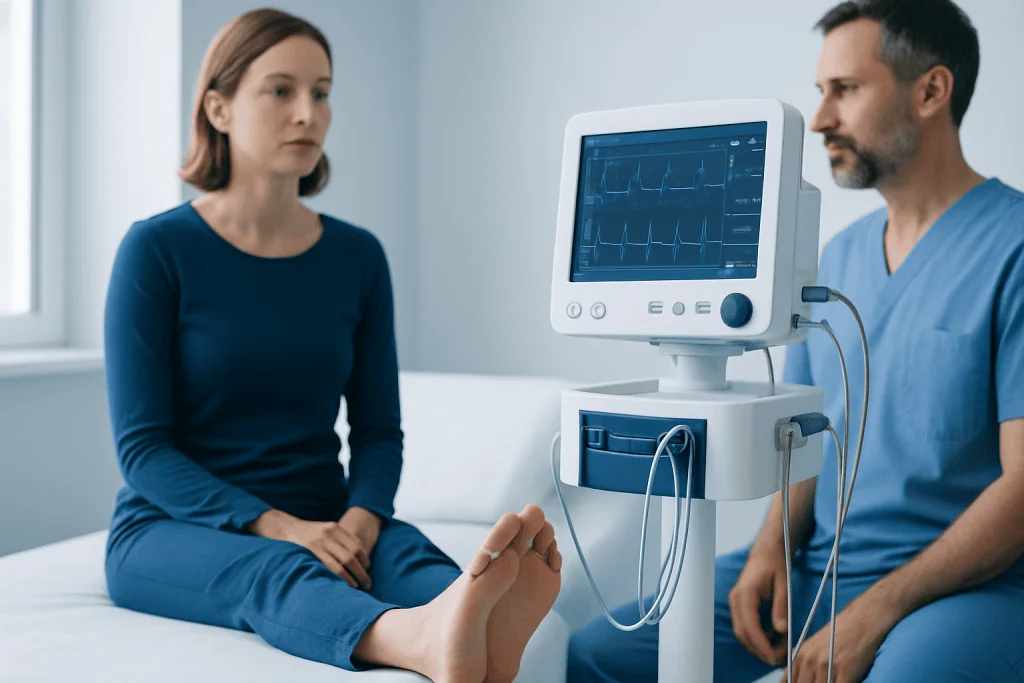
The experience varies from person to person. Some describe a mild chill that improves with socks or movement. Others notice a more persistent sensation that is uncomfortable, distracting, or associated with numbness or tingling. Symptoms may affect both feet equally or be more noticeable on one side.
Cold feet may occur on their own or with other changes. Helpful details include whether the feet also look pale, blue, red, or blotchy; whether there is pain while walking; and whether symptoms appear mostly at night, in cold weather, or after sitting still for long periods. These patterns can help a doctor narrow down the cause.
- A cold or icy feeling in the toes, soles, or entire foot
- Numbness, pins and needles, or burning sensations
- Skin color changes such as pale, blue, purple, or red areas
- Dry skin, cracking, or increased sensitivity to cold
- Foot pain, cramping, or heaviness with walking or at rest
- Slow-healing sores or changes in toenails in more chronic cases
Symptoms that are brief and clearly linked to low temperatures are usually less concerning. Symptoms that keep recurring without an obvious trigger, especially if they interfere with walking, sleep, or daily comfort, deserve a closer look.
Why cold feet happen: causes and risk factors

One of the most common reasons for cold feet is simple cold exposure. Walking barefoot on cool surfaces, wearing damp socks, or spending time outdoors in low temperatures can all make the feet feel cold. Stress and anxiety may also contribute because they can trigger blood vessel narrowing, reducing warmth in the hands and feet for a time.
Another major group of causes involves circulation. If blood does not reach the feet as efficiently, the skin may feel cool and the feet may look pale or bluish. This can happen with smoking-related blood vessel narrowing, aging-related vascular changes, or peripheral artery disease. People may also notice leg tiredness or calf pain when walking if circulation is reduced.
Nerve-related conditions can create a cold sensation even when the feet are not actually cold. Peripheral neuropathy, including neuropathy linked to diabetes, can alter how temperature is perceived. Some people describe cold feet along with burning, tingling, or reduced sensation. Hormonal and blood-related conditions such as hypothyroidism, anemia, and poor nutritional status may also contribute by affecting metabolism, oxygen delivery, or nerve health.
Risk factors include smoking, diabetes, high cholesterol, high blood pressure, prolonged inactivity, autoimmune conditions, advancing age, and footwear that is too tight. In some people, recurrent episodes are related to blood vessel spasm triggered by cold or emotional stress, a pattern similar to Raynaud phenomenon.
What doctors look for during diagnosis
Evaluation begins with a careful history. A doctor will usually ask when the cold feet started, whether symptoms are constant or come and go, and what seems to trigger them. It also helps to mention pain, numbness, skin color changes, ulcers, leg cramps while walking, back problems, thyroid symptoms, and any personal history of diabetes, smoking, or vascular disease.
The physical examination often includes checking skin temperature, pulses in the feet and ankles, capillary refill, sensation, and muscle strength. The doctor may compare both feet and lower legs to see whether one side is more affected. They may also look for swelling, varicose veins, skin breakdown, fungal changes, or signs of poor wound healing.
Depending on the findings, additional testing may be recommended. Blood tests can help look for anemia, thyroid problems, blood sugar abnormalities, inflammation, or vitamin deficiencies. If circulation is a concern, vascular studies may be used, such as a Doppler ultrasound or an ankle-brachial index, which compares blood pressure in the ankle with blood pressure in the arm. If nerve injury is suspected, more specialized neurologic testing may sometimes be needed.
The goal of diagnosis is not only to explain the symptom, but also to identify any treatable underlying condition early. That is especially important if there are signs of reduced circulation or nerve damage.
Treatment depends on the underlying cause
There is no single treatment for cold feet because the right approach depends on why the symptom is happening. If cold exposure is the main issue, treatment may be as straightforward as keeping the feet dry and warm, changing footwear, and improving movement. If an underlying medical condition is found, treating that condition usually becomes the main priority.
When circulation problems are involved, care may focus on smoking cessation, exercise guidance, management of blood pressure, cholesterol, and blood sugar, and medications when appropriate. In some people with significant vascular narrowing, a specialist may consider procedures to improve blood flow, including angiography for diagnosis and planning or peripheral bypass surgery in selected cases. These decisions are individualized and based on symptoms, examination, and test results.
If nerve-related causes are identified, treatment may include better diabetes control, review of medications, nutritional correction, and management of neuropathic symptoms. Conditions affecting the endocrine system, such as hypothyroidism, or blood conditions such as anemia are treated according to their cause. Persistent or complex cases may involve more than one specialist, such as vascular, endocrine, neurology, or internal medicine teams.
Near the end of the care pathway, some patients may benefit from coordinated evaluation in a center with multiple specialties. Acibadem International’s multidisciplinary specialists and JCI-accredited hospitals diagnose and treat circulation, nerve, and metabolic causes of symptoms such as cold feet for international patients when advanced assessment is needed.
Self-care and prevention in daily life
For many people, practical steps can reduce discomfort and help prevent episodes. Warm, dry socks, properly fitted shoes, and avoiding long periods on cold surfaces are simple but effective measures. Gentle activity such as walking can also help because muscle movement supports circulation.
Good foot care matters, especially for people with diabetes or reduced sensation. Daily skin checks can help spot blisters, cracks, pressure marks, or sores early. Feet should be kept clean and dry, but people should avoid very hot heating pads or hot water bottles directly on the feet, especially if sensation is reduced, because burns can happen without being noticed.
- Wear well-fitting shoes that do not compress the toes
- Choose warm, dry socks and change them if damp
- Move regularly if sitting for long periods
- Avoid smoking and discuss help to quit if needed
- Manage diabetes, blood pressure, and cholesterol as advised
- Protect the feet from injury and inspect them daily
Regular exercise, balanced nutrition, and routine medical care can also support circulation and nerve health over time. If symptoms keep returning despite these measures, self-care should not replace medical evaluation.
When to seek medical care
Cold feet should be assessed by a doctor if the symptom is frequent, unexplained, or worsening. Medical care is especially important if the feet are painful, numb, weak, or changing color, or if symptoms are affecting walking, sleep, or everyday activities. People with diabetes, known vascular disease, or a history of smoking should be particularly attentive.
Prompt evaluation is also needed if only one foot suddenly becomes cold, pale, blue, or painful, or if there are open sores, skin breakdown, signs of infection, or a foot that is cold and pulseless. These features can point to a circulation problem that needs urgent assessment. If there is concern about blocked blood flow, doctors may use Doppler ultrasonography to help assess circulation.
Many causes of cold feet are manageable once identified. Seeking care early can help relieve symptoms, protect foot health, and address conditions such as neuropathy, thyroid disease, anemia, or poor circulation before complications develop.
Frequently asked questions
Is having cold feet always a sign of poor circulation?
No. Cold feet can happen simply because of cold weather, damp socks, inactivity, or the body's normal response to temperature. However, persistent cold feet can sometimes be related to reduced circulation, so ongoing symptoms should be discussed with a doctor.
Can anxiety cause cold feet?
Yes. Stress and anxiety can trigger the body to narrow blood vessels in the hands and feet for a short time, which may make them feel cold. If the symptom is frequent or severe, it is still worth checking for other causes.
What is the difference between cold feet and nerve pain?
Cold feet describe a temperature sensation, while nerve pain may feel like burning, tingling, stabbing, or numbness. Sometimes neuropathy causes a false sensation of cold even when the feet are warm to the touch. A medical exam can help tell the difference.
Are cold feet common in diabetes?
They can be. Diabetes may affect both blood vessels and nerves, which can lead to a cold feeling, reduced sensation, or color changes in the feet. People with diabetes should report new foot symptoms early because small injuries can be easier to miss.
When are cold feet an emergency?
Urgent care is important if one foot suddenly becomes very cold, pale, blue, painful, numb, or weak, especially if pulses seem absent or the change is new. Open sores, signs of infection, or severe pain at rest also need prompt medical attention.
What can people do at home for mild cold feet?
Helpful steps include wearing warm dry socks, choosing shoes that are not tight, moving regularly, and avoiding smoking. Gentle warming is usually safer than intense heat, especially if sensation is reduced. Home care is not enough if symptoms are persistent or accompanied by pain or skin changes.
References
- American Heart Association
- National Institute of Diabetes and Digestive and Kidney Diseases
- National Heart, Lung, and Blood Institute
- National Institute of Neurological Disorders and Stroke
- Mayo Clinic
This article is for general information only and is not a substitute for professional medical advice. Please consult a qualified doctor about your individual situation.
Explore treatments in Turkey — costs, top hospitals & a free quote
JCI-accredited · board-certified surgeons · reply within 24h
Add us as a Preferred Source to see more of our trusted health content across Google Search, AI Overviews and Discover.
Check your numbers in seconds
BMI, calories, due date, blood pressure and 30+ more clinical calculators — free, instant, doctor-reviewed ranges.

More from the Health Library

Rice Ankle Injury: A Complete Medical Overview

Cpm Machine: What Patients Need to Know

Both Elbows Hurt — Explained by Medical Evidence, Not Myths

Early Stage HPV Warts Female: What Patients Need to Know

Somatic Tinnitus: An Evidence-Based Guide for Patients