Cold Snare Polyp Removal: Procedure, Recovery and Results

Cold snare polyp removal cuts a polyp mechanically with a wire loop and does not use cautery heat. It is commonly used for small polyps found during colonoscopy and can often be completed in the same examination.
Key Takeaways
- Cold snare polyp removal cuts a polyp mechanically with a wire loop and does not use cautery heat.
- It is commonly used for small polyps found during colonoscopy and can often be completed in the same examination.
- Mild bloating, gas, and temporary changes in bowel habits can occur after the procedure, while significant bleeding or severe pain needs urgent assessment.
- Laboratory analysis of removed tissue helps determine the polyp type and the appropriate timing of the next colonoscopy.
- Most patients can return to usual light activities within 24 hours, but sedation means driving and important decisions should wait until the next day.
Cold snare polyp removal is a common technique used during colonoscopy to remove many small colorectal polyps with a thin wire loop rather than electrical heat. Most people resume normal activities the next day, although follow-up and recovery advice depend on the size, number, location, and pathology of the polyps removed.
Cold Snare Polyp Removal: an Overview
Cold snare polyp removal, also called cold snare polypectomy, is a method of removing a polyp during a colonoscopy. A gastroenterologist places a small wire loop around the polyp and closes the loop to separate it from the lining of the bowel. Unlike techniques that use electrical current, the cold snare method uses mechanical cutting without heat.
This approach is widely used for many small polyps in the colon and rectum. Removing polyps is important because some types, particularly adenomas and certain serrated polyps, can develop into colorectal cancer over time. The removed tissue is generally sent to a laboratory so that its type and any abnormal cellular changes can be assessed.
Cold snare polyp removal is often performed as part of a screening or diagnostic colonoscopy, so it may not require a separate appointment. Whether it is the right technique depends on the polyp’s size, shape, location, and appearance, as well as the person’s medical history and use of medicines that affect bleeding.
What does it mean when a polyp is removed with a cold snare?
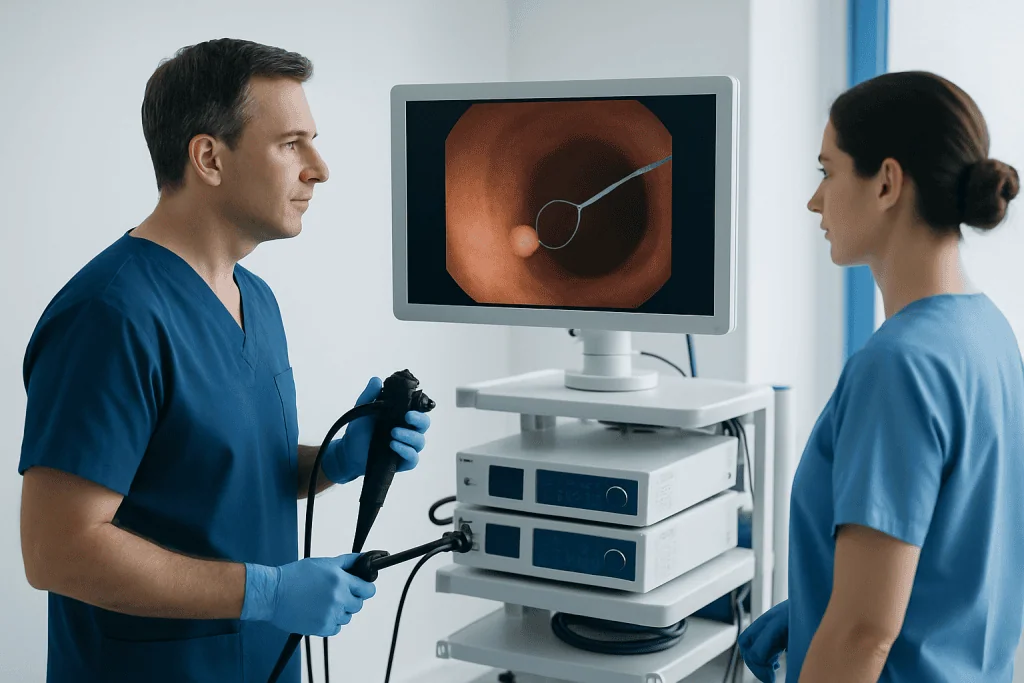
When a polyp is removed with a cold snare, “cold” means that no electric current or cautery heat is applied to the snare. The physician guides a thin wire loop through the colonoscope, positions it around the polyp, and closes it to cut through the tissue. The polyp is then retrieved for laboratory examination whenever possible.
A cold snare can remove the polyp along with a narrow margin of nearby normal-looking tissue. This may help ensure complete removal of small lesions. Because heat is not used, there is less risk of heat-related injury to the deeper bowel wall, which is one reason this method is preferred for many appropriately sized noncancerous-appearing polyps.
Not every polyp can be treated this way. Larger, flat, difficult-to-reach, or potentially invasive lesions may need a different endoscopic technique, such as removal using cautery, endoscopic mucosal resection, or specialist assessment. The endoscopist selects the safest effective approach during the examination.
Who May Be a Candidate and How the Procedure Works
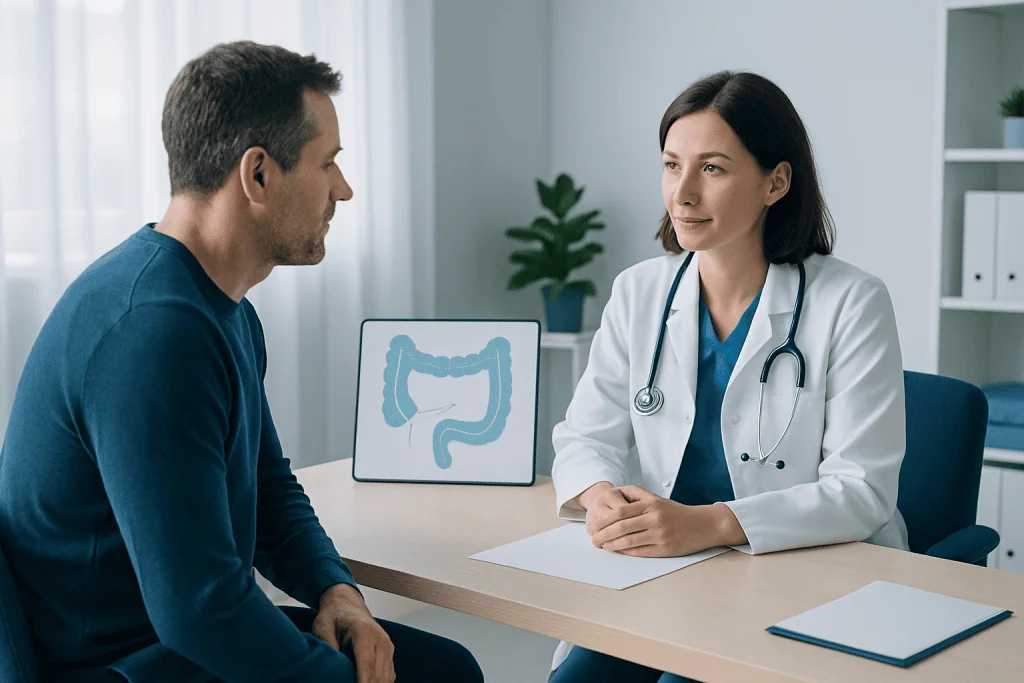
People may be candidates for cold snare polypectomy when colonoscopy identifies one or more small polyps that appear suitable for mechanical removal. It is especially common for diminutive and small polyps, although decisions are individualized. A previous history of polyps, a positive stool screening test, bowel symptoms, family history, or routine colorectal cancer screening may lead to colonoscopy.
Before the procedure, the bowel must be cleaned with a prescribed preparation so the lining can be examined clearly. Patients should tell the care team about all medicines, supplements, allergies, pregnancy, heart or lung conditions, and bleeding disorders. Blood-thinning medicines, antiplatelet medicines, diabetes treatments, and some other drugs may need individualized instructions; they should never be stopped without guidance from the prescribing clinician.
During the cold snare polypectomy procedure, the patient usually receives sedation or anesthesia according to local practice and personal health needs. The colonoscope is passed through the rectum to inspect the large bowel. If a suitable polyp is found, the snare is positioned, the tissue is removed, and the site is checked for bleeding. The full examination can vary in length depending on the findings and whether additional procedures are needed.
- Inspection: the bowel lining is carefully examined for polyps and other changes.
- Removal: a wire loop is placed around the polyp and tightened without cautery.
- Retrieval: removed tissue is collected for pathology when appropriate.
- Aftercare planning: the team gives recovery instructions and explains when results will be available.
Benefits, Results and Cold Snare Polypectomy Complications
The main benefit of cold snare polyp removal is that it allows many small polyps to be removed promptly during colonoscopy while avoiding thermal injury from electrical cautery. It can support colorectal cancer prevention when precancerous polyps are found and completely removed. Pathology results are essential because they confirm the nature of the tissue and help guide surveillance planning.
As with all endoscopic procedures, complications are possible, though serious problems are uncommon. Bleeding can occur immediately or later, particularly after removal of larger lesions or in people taking medicines that affect clotting. Other uncommon risks include a missed lesion, incomplete removal, reactions to sedation, infection, and bowel perforation. Perforation is rare and may require urgent treatment.
It is normal to pass gas and have some bloating or mild cramping after colonoscopy because air or carbon dioxide is used to expand the bowel. A small amount of blood may occasionally be seen after a polyp is removed, but ongoing or heavy bleeding is not expected. The care team should explain the specific findings, the method used, and the individual level of risk before discharge.
The laboratory report is often available within days to a few weeks, depending on the facility. The next colonoscopy interval is based on factors such as polyp type, number, size, completeness of removal, bowel preparation quality, family history, and the person’s overall risk profile. It should not be assumed that a normal recovery means no follow-up is needed.
Cold Snare Polypectomy Recovery: What to Expect
Cold snare polypectomy recovery is usually straightforward. Following sedation, the patient remains in a recovery area until alert and medically stable. Someone else should take them home, and they should avoid driving, operating machinery, drinking alcohol, signing important documents, or making major decisions for the rest of that day.
For the first day, most people benefit from rest, fluids, and light meals as tolerated. Bloating, gas, mild abdominal discomfort, and temporary tiredness can occur after colonoscopy and sedation. Bowel movements may not return immediately, especially after bowel preparation, and stool consistency can be different for a short time.
Activity and dietary advice varies according to the procedure findings. Many patients return to routine non-strenuous activities the following day. If several or larger polyps were removed, or if another technique was used in addition to a cold snare, the gastroenterologist may advise temporary restrictions. Patients should follow their discharge instructions rather than relying on general timelines.
Do you feel better after polyps are removed? Most polyps do not cause symptoms, so people may not notice a physical change after removal. The important benefit is preventive: removing certain polyps reduces the chance that they could progress over time. If symptoms such as bleeding or altered bowel habits led to the examination, improvement depends on whether the polyp was actually the cause and whether another bowel condition is present.
How many days should I rest after polyp removal?
After an uncomplicated cold snare removal, many people only need to rest for the remainder of the procedure day and can return to usual light activities the next day. The sedative medicines, rather than the small polyp removal itself, are often the main reason for taking that day off from work, driving, and tasks requiring concentration.
More time may be needed for people with physically demanding jobs, ongoing discomfort, multiple or larger polyps, or a more extensive procedure. The treating team may give specific instructions about exercise, work, travel, and medicines. These directions should take priority because they reflect the details of the individual’s colonoscopy.
It is sensible to resume eating gradually and remain well hydrated, unless a clinician has recommended a different diet. Avoiding strenuous exercise until the next day is commonly advised after sedation. If recovery does not follow the expected course, patients should contact the endoscopy unit or their doctor.
Does it hurt to poop after polyp removal?
Passing stool after a cold snare polypectomy is usually not painful. Some people have temporary bowel cramping, gas, or mild discomfort because of the bowel preparation and air used during colonoscopy. The first bowel movement may be delayed for a day or two and can look different from usual.
A small streak of blood can occasionally occur after polyp removal, but pain with bowel movements, worsening abdominal pain, or more than a small amount of bleeding should not be ignored. Constipation can make bowel movements uncomfortable, so drinking fluids and following the clinician’s advice on diet may help. Patients should not take laxatives or pain medicines beyond their usual plan without checking whether they are suitable after the procedure.
Severe rectal pain is not typical after a standard colonoscopy with cold snare removal. It may have another cause and warrants medical advice, particularly if it occurs with fever, dizziness, weakness, vomiting, or bleeding. Prompt communication with the care team supports safe recovery.
When to Seek Medical Care
Patients should contact the endoscopy team or seek urgent medical care after polyp removal if they have heavy rectal bleeding, repeated passage of blood clots, black tar-like stools, severe or increasing abdominal pain, a firm or swollen abdomen, fever, chills, persistent vomiting, fainting, shortness of breath, or marked weakness. These symptoms are uncommon but may indicate bleeding, infection, a sedation-related problem, or another complication requiring evaluation.
Non-urgent medical advice is also appropriate for persistent cramps, ongoing changes in bowel habits, concerns about restarting medicines, or questions about pathology results and follow-up colonoscopy timing. New rectal bleeding or a sustained bowel habit change should be assessed even if a previous polyp was benign.
For patients seeking coordinated gastrointestinal care, Acibadem International’s multidisciplinary specialists and JCI-accredited hospitals diagnose and treat colorectal conditions for international patients. The most appropriate follow-up plan should always be made with a qualified gastroenterologist who has access to the colonoscopy and pathology findings.
Frequently asked questions
Is cold snare polyp removal safe?
Cold snare polyp removal is a well-established endoscopic technique for appropriately selected polyps, particularly many small polyps. It avoids cautery heat, which can reduce heat-related injury to the bowel wall. However, bleeding and other complications can still occur, so individual risks should be discussed with the endoscopist.
How long does cold snare polypectomy recovery take?
Most people recover from the sedation and return to light normal activity within about 24 hours after an uncomplicated procedure. Mild gas, bloating, or brief bowel changes may last a little longer. Recovery may take longer if multiple, larger, or more complex lesions were removed.
Can a polyp come back after it is removed?
A completely removed polyp generally does not grow back at the same site, although residual tissue can occasionally remain after any removal technique. New polyps can also develop elsewhere in the colon over time. This is why the recommended surveillance colonoscopy schedule is important.
Will I receive biopsy results after a cold snare procedure?
Usually, tissue removed during colonoscopy is examined by a pathologist to identify the polyp type and look for abnormal cells. The endoscopy team will explain how and when results will be communicated. Those results help determine whether and when another colonoscopy is needed.
Can I eat normally after polyp removal?
Many people can eat once they are fully awake and not nauseated after sedation, often starting with light foods and fluids. The endoscopy team may give different instructions based on the findings or on other health conditions. Alcohol should be avoided for the remainder of the day after sedation.
When can I restart blood-thinning medication after polyp removal?
The timing depends on the medication, the reason it is prescribed, the bleeding risk of the procedure, and the details of the polyp removal. Patients should follow the endoscopist's written instructions and consult the clinician who manages the medication when needed. They should not independently stop, restart, or change a prescribed blood thinner.
References
- American Society for Gastrointestinal Endoscopy
- U.S. Multi-Society Task Force on Colorectal Cancer
- National Institute of Diabetes and Digestive and Kidney Diseases
- National Cancer Institute
- World Health Organization
This article is for general information only and is not a substitute for professional medical advice. Please consult a qualified doctor about your individual situation.
Persistent digestive symptoms? Get evaluated in Turkey
JCI-accredited · board-certified surgeons · reply within 24h
Add us as a Preferred Source to see more of our trusted health content across Google Search, AI Overviews and Discover.