Colon Cancer Diagnosis: What Happens After Symptoms or a Positive Test
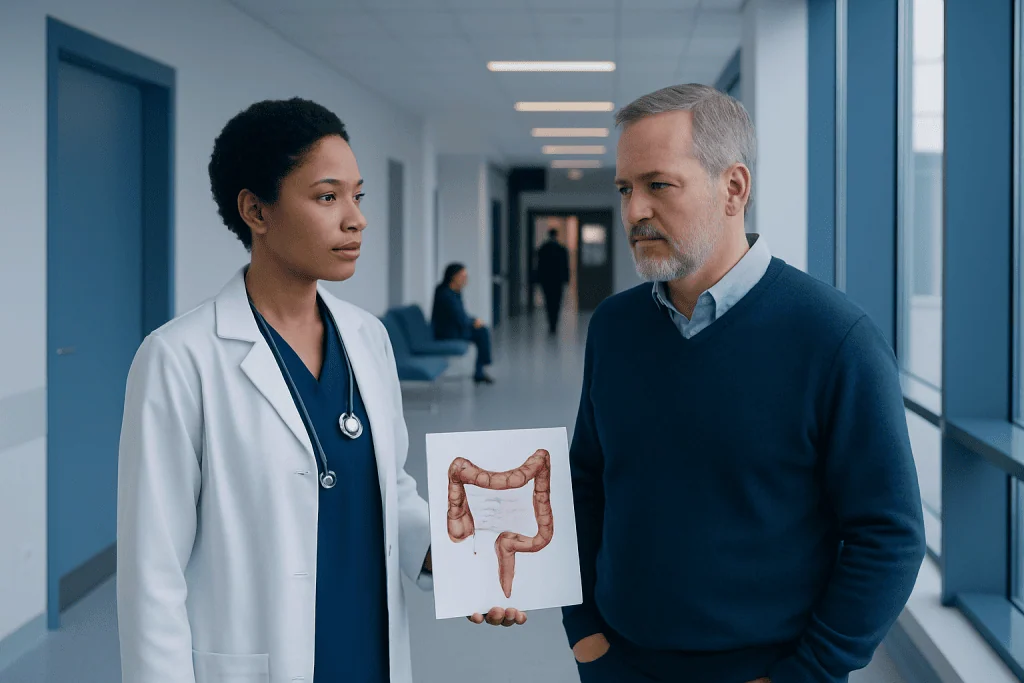
A positive stool test does not confirm colon cancer, but it does need prompt follow-up. Colonoscopy is the main test used to examine the colon and take biopsy samples.
Key Takeaways
- A positive stool test does not confirm colon cancer, but it does need prompt follow-up.
- Colonoscopy is the main test used to examine the colon and take biopsy samples.
- If cancer is found, imaging and lab tests help determine the stage and guide treatment.
- Many symptoms of colon cancer can also be caused by non-cancerous conditions.
- Early diagnosis can improve treatment options and outcomes, so medical evaluation should not be delayed.
Colon cancer diagnosis often begins after symptoms appear or a screening test is abnormal. The next steps usually include a colonoscopy, tissue biopsy, and imaging tests to confirm whether cancer is present and to plan the most appropriate treatment.
Overview: What a Colon Cancer Diagnosis Involves
A colon cancer diagnosis is a step-by-step process used to confirm whether cancer is present, find its exact location, and understand how far it may have spread. This process may begin because a person develops symptoms such as rectal bleeding, a change in bowel habits, ongoing abdominal discomfort, unexplained weight loss, or tiredness related to anemia. It may also begin after a screening test, such as a stool-based test, comes back abnormal.
It is important to know that symptoms or a positive screening result do not automatically mean cancer is present. Polyps, hemorrhoids, inflammation, diverticular disease, and other digestive conditions can cause similar findings. The goal of diagnosis is to separate these possibilities and arrive at a clear, evidence-based answer.
Most people move through several stages of evaluation. These commonly include a medical history, physical examination, blood tests, a colonoscopy to look directly inside the colon, and a biopsy if any suspicious area is seen. If colon cancer is confirmed, additional imaging tests are often used for colon cancer staging and treatment planning.
When Symptoms or a Positive Test Lead to Further Evaluation
Doctors usually recommend further evaluation when a person has warning signs or an abnormal screening result. Symptoms that commonly prompt investigation include blood in the stool, persistent constipation or diarrhea, narrower stools than usual, ongoing abdominal cramps, a feeling that the bowel does not empty fully, weakness, or unexplained weight loss. These symptoms can have many causes, but they should not be ignored, especially if they persist.
A positive stool test, such as a fecal immunochemical test or another stool-based screening test, means that blood or abnormal DNA markers may have been found. This does not diagnose cancer on its own. Instead, it signals that the colon needs to be examined directly, most often with a colonoscopy.
The first medical visit often focuses on understanding the full picture. A doctor may ask about personal symptoms, family history of colon polyps or colorectal cancer, inflammatory bowel disease, past screening results, medications, and general health. This helps decide which tests are needed next and how urgently they should be arranged.
- Rectal bleeding or blood in the stool
- Persistent changes in bowel habits
- Iron deficiency anemia without a clear cause
- Unexplained weight loss or fatigue
- An abnormal stool screening result
Colonoscopy and Biopsy: The Main Tests to Confirm the Diagnosis

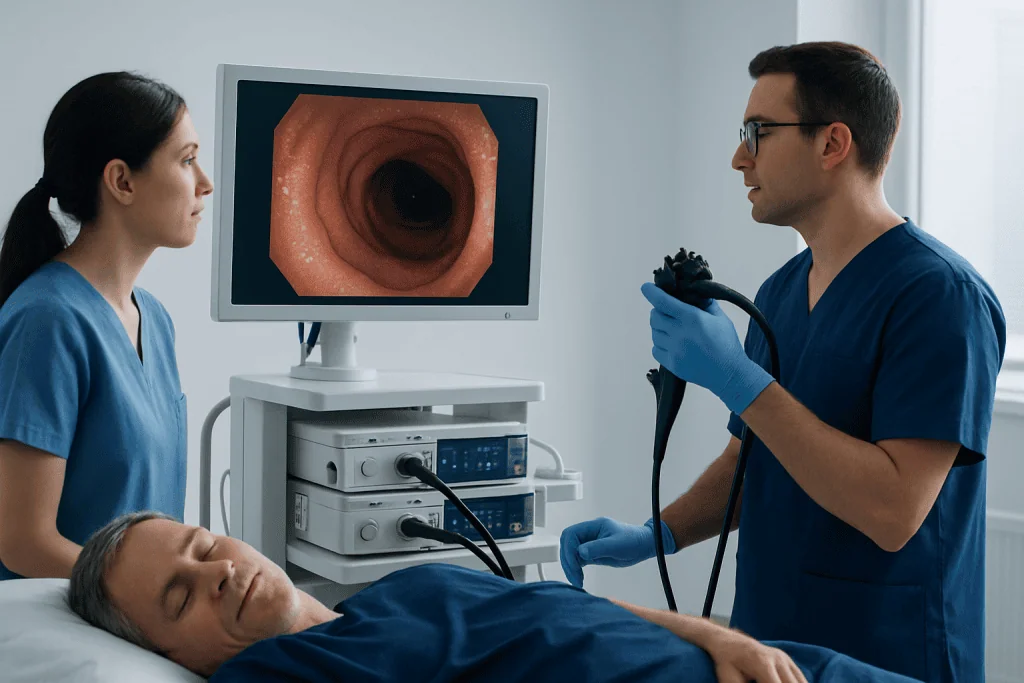
Colonoscopy is the key test used to evaluate a possible colon cancer diagnosis. During this procedure, a doctor uses a thin, flexible tube with a camera to examine the lining of the rectum and colon. The bowel must be cleaned beforehand so the inside of the colon can be seen clearly. Sedation is commonly used, so many people remember little or none of the procedure itself.
If the doctor sees a polyp, ulcer, mass, or another suspicious area, tissue samples can be taken during the same examination. This is called a biopsy. Small polyps may sometimes be removed completely during colonoscopy, which can also help prevent some cancers from developing in the future. Colonoscopy may also identify non-cancerous conditions such as ulcerative colitis or bleeding from benign causes.
The biopsy sample is sent to a pathology laboratory, where a specialist examines the cells under a microscope. This is the only way to confirm whether cancer is present. Pathology can also provide more detail about the type of tumor and features that may influence treatment decisions later.
In some situations, if a complete colonoscopy cannot be performed right away, doctors may consider other tests to help assess the colon. Even then, a tissue diagnosis is usually still needed before treatment planning is finalized.
Blood Tests, Imaging, and Staging After Cancer Is Found
If the biopsy confirms colon cancer, the next step is staging. Staging describes how deeply the cancer has grown into the wall of the colon, whether it has reached nearby lymph nodes, and whether it has spread to other organs. This information is essential because treatment recommendations depend on the stage rather than on the diagnosis alone.
Blood tests are often part of the evaluation. These may check for anemia, liver function, kidney function, and overall health before treatment. A tumor marker called carcinoembryonic antigen, or CEA, may also be measured. CEA cannot diagnose colon cancer by itself, but it can be helpful as a baseline and later during follow-up in some patients.
Imaging tests are commonly used to look beyond the colon. A CT scan of the chest, abdomen, and pelvis is often used to check whether the cancer has spread. In selected situations, doctors may also recommend MRI, ultrasound, or PET-based imaging. These tests do not replace biopsy, but they help create a fuller picture of the disease.
Sometimes the diagnosis process also includes reviewing the tumor for specific molecular or genetic features. These tests can help guide treatment choices, especially in more advanced disease. The exact combination of tests varies from person to person based on symptoms, biopsy findings, and overall medical history.
What the Results Mean and How Treatment Planning Begins
After the tests are completed, the medical team brings the results together to determine the stage and make a treatment plan. For early-stage disease, treatment may focus on removing the tumor with surgery. For other stages, doctors may recommend a combination of surgery, chemotherapy, and in selected cases other targeted approaches. The aim is to choose treatment that matches both the cancer and the person’s overall health.
Many people find the waiting period between tests and final results emotionally difficult. It can help to ask for a clear explanation of the pathology report, imaging findings, and stage. Patients may wish to bring a family member or friend to appointments, write down questions in advance, and ask what the immediate next step will be.
Surgery is often central to treatment for colon cancer, especially when the disease appears localized. In some cases, a patient may be referred to specialists in colon cancer surgery to discuss how the affected part of the colon can be removed and how bowel function may be managed afterward. If systemic treatment is needed, the oncology team may also discuss options such as chemotherapy based on stage and tumor characteristics.
Care is often planned by a multidisciplinary team that may include gastroenterologists, colorectal surgeons, medical oncologists, radiologists, pathologists, and specialist nurses. Near the end of the diagnostic pathway, some patients also seek care at centers such as Acibadem International, where multidisciplinary specialists in JCI-accredited hospitals evaluate and treat international patients with colon cancer.
How to Prepare for Appointments and Support Yourself During Diagnosis
Practical preparation can make the diagnostic process feel more manageable. Before appointments, it is helpful to gather previous test results, a list of medications, details of symptoms, and family history of colon or rectal cancer. If a colonoscopy is scheduled, following the bowel preparation instructions carefully is especially important because an unclean colon can make the examination less accurate or require repeating the test.
People often benefit from asking focused questions during the diagnostic period. Useful questions may include what the test is looking for, when results will be available, whether a biopsy was taken, what stage means, and which specialist should be seen next. Clear communication helps reduce uncertainty and supports informed decisions.
Emotional support also matters. Waiting for answers can cause stress, poor sleep, and difficulty concentrating. Talking with trusted family members, a counselor, a patient support group, or the healthcare team can help. While seeking information is natural, it is usually best to rely on qualified medical sources rather than alarming stories found online.
- Bring a list of symptoms and when they started
- Ask for copies of reports and pathology results
- Arrange transportation if sedation will be used for colonoscopy
- Write down follow-up plans before leaving each appointment
- Report any worsening symptoms promptly
When to See a Doctor
A doctor should be consulted if there is persistent rectal bleeding, ongoing change in bowel habits, unexplained abdominal pain, unexplained weight loss, or fatigue that may be related to anemia. Medical advice is also important if there is a strong family history of colorectal cancer or polyps, even if symptoms are not present. Screening and timely evaluation can identify problems earlier, when treatment may be more straightforward.
Anyone who has a positive stool screening test should arrange the recommended follow-up without delay. It can be tempting to wait if symptoms are mild or absent, but an abnormal test still needs proper investigation. Colonoscopy is usually the next step because it can both identify and sample suspicious areas.
Urgent medical attention may be needed for heavy rectal bleeding, severe abdominal pain, vomiting, signs of bowel blockage, fainting, or marked weakness. These symptoms do not always mean cancer, but they should be evaluated quickly. If there is any uncertainty, a qualified doctor can advise on the safest next step.
Frequently asked questions
Does a positive stool test mean colon cancer is definitely present?
No. A positive stool test means blood or abnormal markers were found and the colon needs further evaluation, usually with colonoscopy. Many non-cancerous conditions can also cause an abnormal result.
Is colonoscopy always needed after an abnormal screening test?
In most cases, yes. Colonoscopy allows the doctor to look directly at the lining of the colon and take biopsy samples if needed. It is the main test used to confirm or rule out colon cancer after a positive stool test.
Can colon cancer be diagnosed without a biopsy?
A biopsy is usually needed to confirm the diagnosis. Imaging tests and colonoscopy can strongly suggest cancer, but examining tissue under a microscope is the standard way to make the diagnosis definite.
How long does it take to get colon cancer test results?
Timing varies by hospital and by the type of test. Colonoscopy findings may be discussed right away, while biopsy and imaging reports often take several days. The care team can usually explain when each result is expected.
What happens after colon cancer is confirmed?
Once cancer is confirmed, doctors usually perform staging tests to see how advanced it is. The results are then used to create a treatment plan, which may include surgery, chemotherapy, and other therapies depending on the stage and the person's overall health.
Can symptoms of colon cancer be caused by something else?
Yes. Bleeding, bowel habit changes, abdominal discomfort, and anemia can also happen with hemorrhoids, polyps, inflammatory bowel disease, infections, or other digestive problems. Because symptoms overlap, proper medical testing is important.
References
- World Health Organization
- American Cancer Society
- National Cancer Institute
- U.S. Centers for Disease Control and Prevention
- National Comprehensive Cancer Network
This article is for general information only and is not a substitute for professional medical advice. Please consult a qualified doctor about your individual situation.
Colon Cancer in Turkey — costs, top hospitals & a free quote
JCI-accredited · board-certified surgeons · reply within 24h
Add us as a Preferred Source to see more of our trusted health content across Google Search, AI Overviews and Discover.

Medical Oncology Department
Medical treatment of cancer with chemotherapy, immunotherapy and targeted therapies under a multidisciplinary tumor board.
60 specialists in this unit