Colon Cancer: Early Signs, Causes, and When to See a Doctor
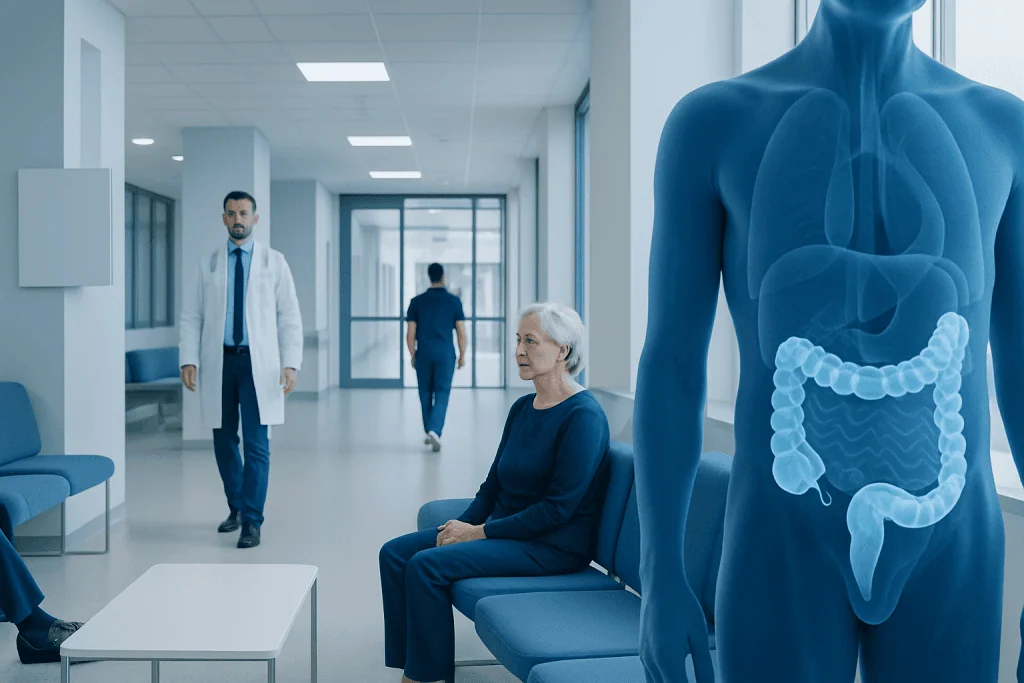
Colon cancer may develop without symptoms in its early stages. Possible warning signs include changes in bowel habits, blood in the stool, abdominal discomfort, and unexplained fatigue.
Key Takeaways
- Colon cancer may develop without symptoms in its early stages.
- Possible warning signs include changes in bowel habits, blood in the stool, abdominal discomfort, and unexplained fatigue.
- Most colon cancers begin as polyps, which can often be found and removed during screening.
- Diagnosis usually involves colonoscopy, imaging, and laboratory tests.
- Treatment depends on the stage and may include surgery, chemotherapy, radiation therapy, or targeted treatments.
- Regular screening and a healthy lifestyle can help lower risk and support early detection.
Colon cancer is a common cancer that begins in the large intestine, often from small growths called polyps. It may not cause symptoms at first, which is why screening and early evaluation of warning signs are so important.
Overview
Colon cancer is a type of cancer that starts in the colon, which is the longest part of the large intestine. The colon plays an important role in absorbing water and moving waste through the digestive tract. In many cases, colon cancer begins as a small, noncancerous growth called a polyp. Over time, some polyps can change and become cancer.
The term colorectal cancer is often used because cancers of the colon and rectum are closely related. While this article focuses on colon cancer, the symptoms, tests, and treatments may overlap with colorectal cancer. Because the disease can develop slowly and quietly, screening is one of the most effective ways to detect problems early.
Colon cancer can affect adults of different ages, though risk increases with age. It is often highly treatable when found early, before it has spread beyond the colon. Understanding the possible signs, risk factors, and next steps can help people seek medical advice promptly and feel more prepared.
Early Signs and Symptoms
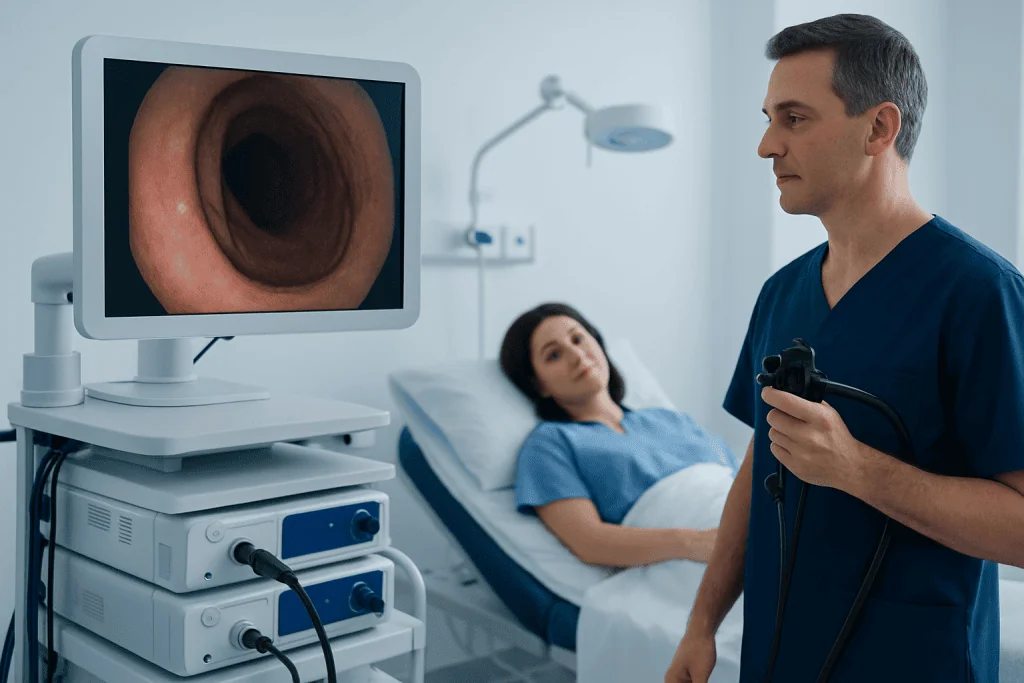
In its early stages, colon cancer may cause no symptoms at all. When symptoms do appear, they can be subtle and may resemble common digestive problems. For this reason, changes that persist for more than a short time should not be ignored, especially in adults over the screening age or in people with a family history of the disease.
Possible symptoms can include a change in bowel habits, such as diarrhea, constipation, or a feeling that the bowel does not empty completely. Some people notice blood in the stool, which may look bright red or make the stool appear dark or black. Ongoing abdominal discomfort, bloating, cramping, or gas may also occur.
Another common clue is unexplained tiredness. Slow, hidden bleeding from a tumor can lead to iron deficiency anemia, which may cause fatigue, weakness, dizziness, or shortness of breath. Unintended weight loss and reduced appetite may happen in more advanced cases, but not everyone experiences these signs.
- Persistent change in bowel habits
- Blood in or on the stool
- Abdominal pain, cramping, or bloating
- A feeling of incomplete bowel emptying
- Unexplained fatigue or anemia
- Unintended weight loss
Causes and Risk Factors
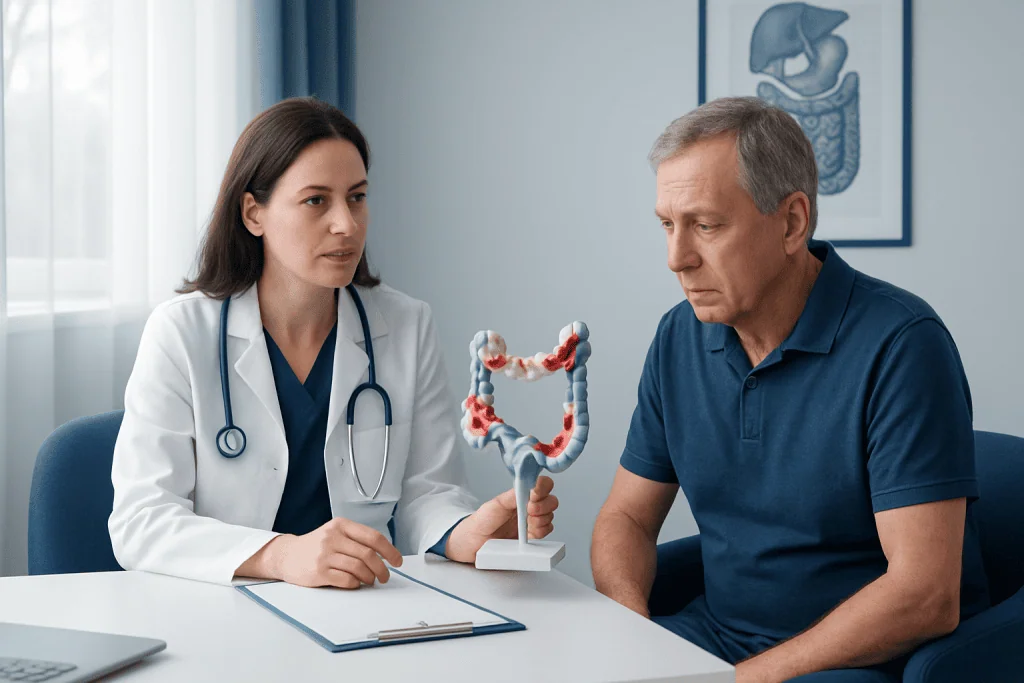
Colon cancer develops when cells in the lining of the colon acquire genetic changes that allow them to grow in an uncontrolled way. Doctors cannot always identify a single cause in one person, but they do know that most cases start from polyps. Some polyps remain harmless, while others can gradually become cancerous over several years.
Age is one of the strongest risk factors, but colon cancer can also occur in younger adults. A personal or family history of colon polyps or colon cancer raises risk. Certain inherited conditions, such as Lynch syndrome and familial adenomatous polyposis, increase the likelihood of developing the disease at a younger age. Long-standing inflammatory bowel diseases, including ulcerative colitis and Crohn’s disease, can also increase risk over time.
Lifestyle factors may contribute as well. These can include smoking, heavy alcohol use, low physical activity, obesity, and diets high in processed or red meat and low in fiber-rich foods. Having type 2 diabetes may also be associated with increased risk. While these factors do not mean someone will definitely develop cancer, they can help guide prevention and screening plans.
How Colon Cancer Is Diagnosed
Diagnosis begins with a medical history and physical examination, along with a careful review of symptoms. If colon cancer is suspected, the most important test is usually a colonoscopy. During this procedure, a doctor uses a flexible tube with a camera to examine the inside of the colon and rectum. If a suspicious area or polyp is found, tissue samples can be taken for biopsy.
A biopsy is the only way to confirm whether cancer cells are present. Laboratory tests may also be used to look for anemia, signs of bleeding, or other health concerns. Stool-based screening tests can sometimes detect hidden blood or abnormal DNA, but an abnormal screening result usually needs follow-up with colonoscopy.
If cancer is confirmed, imaging tests help determine whether it has spread and how advanced it is. These may include CT scans, MRI, or other specialized studies. The stage of the cancer guides treatment decisions and gives important information about prognosis. In some cases, advanced imaging such as PET-CT may be used when doctors need more detail about the extent of disease.
Treatment Options
Treatment depends on the stage of the cancer, its location, the person’s overall health, and whether the disease has spread. Surgery is often the main treatment for localized colon cancer. The goal is to remove the cancerous section of the colon along with nearby lymph nodes. In very early cases, some abnormal growths can be removed during colonoscopy before they become invasive.
For more advanced disease, additional therapies may be recommended. Chemotherapy may be used after surgery to lower the chance of recurrence, or before surgery in selected situations. Some tumors may be treated with targeted drugs or immunotherapy, depending on their molecular features. This is one reason why tumor tissue is often tested in detail after diagnosis.
Radiation therapy is used less often for colon cancer than for rectal cancer, but it may still have a role in selected cases, especially when cancer has spread or symptoms need relief. Supportive care is also an important part of treatment and may include nutrition guidance, symptom control, and emotional support. Some patients may need colon surgery as part of a planned multidisciplinary approach, and ongoing follow-up is important after treatment ends.
Care is often provided by a team that may include gastroenterologists, surgeons, medical oncologists, radiologists, pathologists, and specialist nurses. Near the end of the treatment journey, some international patients choose centers such as Acibadem International, where multidisciplinary specialists in JCI-accredited hospitals diagnose and treat colon cancer using coordinated care plans.
Prevention and Self-Care
No prevention method can remove risk completely, but several steps can help lower the chance of colon cancer and improve early detection. Screening is one of the most effective tools because it can find precancerous polyps before they turn into cancer. Recommended screening age and test choice vary based on age, personal history, family history, and overall risk.
Healthy lifestyle habits may also support colon health. A balanced diet rich in vegetables, fruits, whole grains, and other fiber-containing foods may be helpful. Regular physical activity, maintaining a healthy weight, limiting alcohol, and avoiding tobacco are sensible measures for overall health and may reduce colon cancer risk.
Self-care also includes paying attention to the body’s signals. It is helpful to notice persistent changes in bowel habits, unexplained fatigue, or blood in the stool rather than assuming they are always caused by hemorrhoids or minor digestive issues. People with inflammatory bowel disease or a strong family history should speak with a doctor about earlier or more frequent screening.
When to See a Doctor
A doctor should be consulted if symptoms such as rectal bleeding, blood in the stool, a lasting change in bowel habits, ongoing abdominal pain, or unexplained weight loss continue for more than a short period. These symptoms do not always mean cancer, but they do deserve evaluation. Early medical advice can identify many treatable conditions, including colon cancer and noncancerous problems.
People should also seek medical guidance if they feel unusually tired, especially if blood tests have shown iron deficiency anemia without a clear cause. For some individuals, anemia may be the first sign of hidden bleeding in the digestive tract. New symptoms should be taken seriously even in younger adults, especially if there is a family history of colon cancer or polyps.
Anyone with a close relative who has had colon cancer, or with a known inherited risk condition, should ask when screening should begin. Prompt attention is especially important if symptoms are severe, recurrent, or worsening. A healthcare professional can decide which tests are appropriate and whether referral to a specialist is needed.
Frequently asked questions
What are the earliest signs of colon cancer?
Early colon cancer may cause no symptoms at all. When symptoms do appear, they may include changes in bowel habits, blood in the stool, abdominal discomfort, or unexplained fatigue from anemia.
Can colon cancer develop without symptoms?
Yes. Colon cancer can grow silently for a long time, especially in its early stages. That is why routine screening is important even for people who feel well.
Does blood in the stool always mean colon cancer?
No. Blood in the stool can happen for many reasons, including hemorrhoids, anal fissures, infections, or inflammatory bowel disease. However, it should always be evaluated by a doctor, particularly if it continues or occurs with other symptoms.
At what age should colon cancer screening begin?
Screening recommendations vary depending on national guidelines and personal risk. Many average-risk adults are advised to begin screening in midlife, while people with a family history or inherited syndromes may need to start earlier.
Is colon cancer treatable?
Yes. Colon cancer is often treatable, especially when found early. Treatment may include surgery, chemotherapy, and in some cases targeted therapy or other advanced treatments based on the stage and tumor type.
What increases the risk of colon cancer?
Risk may increase with older age, a family history of colon cancer or polyps, inherited syndromes, inflammatory bowel disease, smoking, obesity, low physical activity, and certain dietary patterns. Having one or more risk factors does not mean a person will definitely develop the disease.
References
- World Health Organization
- American Cancer Society
- National Cancer Institute
- Centers for Disease Control and Prevention
- National Comprehensive Cancer Network
This article is for general information only and is not a substitute for professional medical advice. Please consult a qualified doctor about your individual situation.
Colon Cancer in Turkey — costs, top hospitals & a free quote
JCI-accredited · board-certified surgeons · reply within 24h
Add us as a Preferred Source to see more of our trusted health content across Google Search, AI Overviews and Discover.

Medical Oncology Department
Medical treatment of cancer with chemotherapy, immunotherapy and targeted therapies under a multidisciplinary tumor board.
60 specialists in this unitMore from the Health Library


Related Specialists

Dr. Mehmet Can Şahin
Inpatient Clinic Physicians Clinical Service
Dyt. Hande Selin Ok
Nutrition & Diet
Dr. Emel Özveri
General Surgery
Dr. Hudheifa Yussuf Haji
Inpatient Clinic Physicians Clinical Service