Colon cancer pictures of black specks in stool: Common Causes, Warning Signs, and When to See a Doctor

Black specks in stool are not specific for colon cancer and are often caused by food, supplements, or medicines. True black, tarry stool can suggest digested blood and needs prompt medical evaluation.
Key Takeaways
- Black specks in stool are not specific for colon cancer and are often caused by food, supplements, or medicines.
- True black, tarry stool can suggest digested blood and needs prompt medical evaluation.
- Colon cancer is more often linked with persistent bowel habit changes, rectal bleeding, unexplained weight loss, anemia, or abdominal pain.
- A doctor may recommend stool testing, blood tests, colonoscopy, or imaging depending on the symptoms.
- Any ongoing stool color change, especially with weakness, dizziness, pain, or visible blood, should not be ignored.
Colon cancer pictures of black specks in stool can raise concern, but black specks are not a diagnosis and often have non-cancer causes such as food, iron, or minor bleeding higher in the digestive tract. Still, stool that is repeatedly black, tarry, or accompanied by other warning signs should be assessed by a doctor to rule out bleeding, ulcers, polyps, or colorectal cancer.
Overview: what black specks in stool can and cannot show
People often search for colon cancer pictures of black specks in stool because they want a visual clue about whether a stool change is serious. In practice, appearance alone rarely gives a clear answer. Small black flecks or specks in stool are commonly related to diet, iron tablets, bismuth-containing medicines, or partially digested material rather than cancer.
What matters more is the overall pattern. Stool that is jet black, sticky, and tarry can suggest digested blood from bleeding somewhere in the upper digestive tract, while bright red blood more often points to bleeding lower down. Colon cancer can sometimes cause blood loss, but black specks by themselves are not a reliable sign of it.
Doctors assess stool changes together with other symptoms, age, medical history, family history, medicines, and test results. This broader approach helps separate common harmless causes from conditions that need urgent treatment, including ulcers, inflammatory bowel disease, colon polyps, or colon cancer.
What black specks in stool may look like
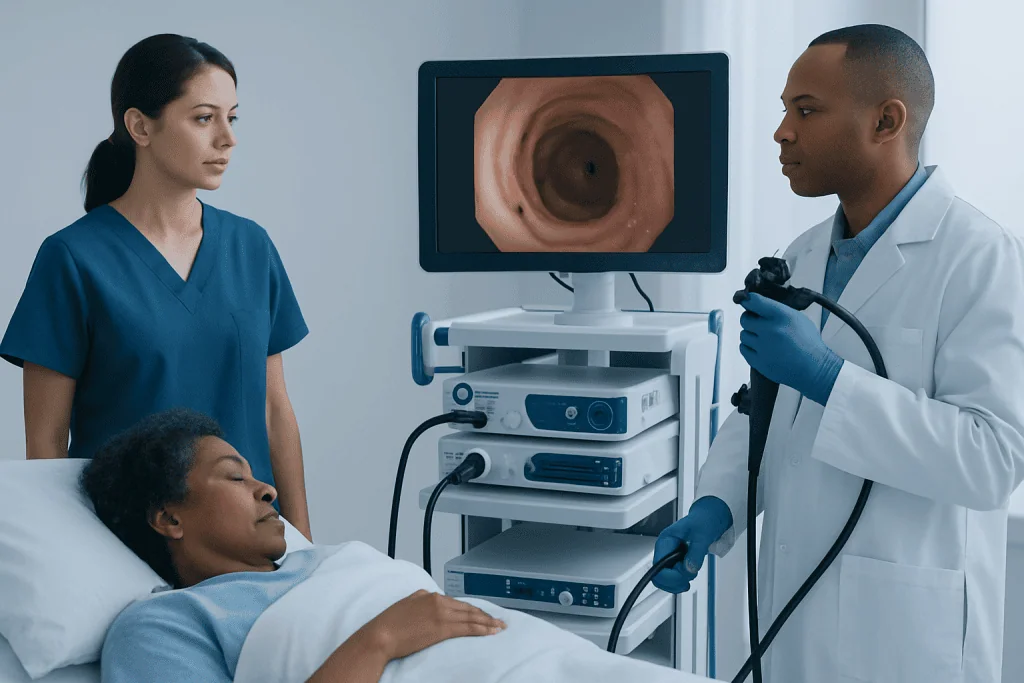
The term “black specks” can describe several different appearances. Some people notice tiny pepper-like dots on otherwise brown stool. Others see dark grains mixed into loose stool, or a few scattered black fragments after eating certain foods. These findings are different from stool that is uniformly black and tarry.
Visual interpretation can be tricky because toilet lighting, dehydration, constipation, and the foods eaten in the previous day or two can all change stool color and texture. Blueberries, black licorice, spinach, dark chocolate, iron supplements, activated charcoal, and medicines containing bismuth are well-known reasons stool may appear darker.
If possible, it helps to note whether the change happened once or has continued over several bowel movements, whether the stool is formed or loose, and whether there are accompanying symptoms such as pain, fatigue, nausea, dizziness, or visible red blood. This information is often more useful to a doctor than trying to compare stool to online images.
Common causes of black specks and dark stool

Many causes of black specks in stool are benign. Food particles are a common reason, especially after eating seeds, berries, dark leafy vegetables, or heavily pigmented foods. Iron supplements can darken stool significantly, and bismuth-containing medicines used for indigestion can also cause black stool without indicating internal bleeding.
Sometimes black stool reflects digested blood, a condition called melena. This often comes from bleeding higher in the digestive tract, such as the esophagus, stomach, or duodenum. Peptic ulcers, gastritis, esophageal irritation, and use of anti-inflammatory medicines can contribute. In these cases, the stool may look glossy, black, and tar-like rather than simply speckled.
Less commonly, lower digestive tract conditions may be involved, including colon polyps, inflammatory bowel disease, diverticular disease, or cancer. A person may also have another digestive diagnosis that affects bowel habits, such as Crohn’s disease, which can cause bleeding, diarrhea, and abdominal pain.
- Common non-serious causes: food residue, iron, bismuth, temporary digestive upset
- Possible bleeding-related causes: ulcers, gastritis, esophageal irritation, medication-related bleeding
- Other bowel causes to assess: hemorrhoids, polyps, inflammatory bowel disease, colorectal tumors
Could black specks mean colon cancer?
Black specks alone do not strongly point to colon cancer. Colon cancer is more often suspected when stool changes happen together with persistent constipation or diarrhea, pencil-thin stools, ongoing abdominal discomfort, unexplained weight loss, tiredness, or iron-deficiency anemia. Some people notice blood mixed with stool or rectal bleeding rather than black specks.
When colon cancer causes bleeding, the appearance can vary depending on where the bleeding is happening and how much blood is present. Blood from the right side of the colon may make stool darker, while blood from the left side or rectum may appear maroon or bright red. Even so, many non-cancer conditions can produce similar changes, so testing is needed for a reliable diagnosis.
For patients with concerning symptoms, a doctor may recommend colon evaluation using colonoscopy because it allows direct examination of the bowel lining and tissue sampling if needed. If a growth is found, pathology determines whether it is benign, precancerous, or malignant.
Other warning signs that deserve attention
The most important question is not only what the stool looks like, but what else is happening in the body. Stool changes are more concerning when they continue for more than a short period or are accompanied by symptoms suggesting blood loss, bowel obstruction, or systemic illness.
Warning signs include fatigue, shortness of breath with usual activity, dizziness, faintness, unexplained weight loss, persistent abdominal pain, bloating, vomiting, or a clear change in normal bowel habits. Recurrent rectal bleeding, mucus in stool, or a feeling that the bowel does not empty completely should also be discussed with a doctor.
People with a family history of colorectal cancer, personal history of polyps, inflammatory bowel disease, or older age may need earlier evaluation. In some cases, doctors may also advise imaging such as PET-CT scan or other studies if cancer is suspected or staging is needed after diagnosis.
How doctors diagnose the cause
Diagnosis starts with a medical history and physical examination. The doctor may ask about recent foods, supplements, over-the-counter medicines, stomach pain, reflux, bowel habits, weight changes, and any history of ulcers or bleeding. A record of when the dark stool started and whether it has repeated can be very helpful.
Tests depend on the situation. Blood tests may check for anemia or signs of infection. Stool tests can look for hidden blood. If upper digestive bleeding is suspected, an upper endoscopy may be considered. If lower bowel causes are possible, colonoscopy is often the most informative next step.
If a suspicious lesion is found, a biopsy may be taken. Further evaluation may include scans or consultation with specialists in gastroenterology, colorectal surgery, or oncology. In selected cases, treatment planning may involve colon cancer treatment by a multidisciplinary team.
Treatment and self-care depend on the cause
Treatment is based on the underlying reason for the stool change. If dark specks are linked to diet or supplements, no treatment may be needed beyond observation and discussion with a doctor about whether a medicine is contributing. If bleeding is suspected, treatment may range from stopping an irritating medicine to managing an ulcer or another digestive disorder.
When a bowel polyp, inflammatory condition, or tumor is found, treatment is individualized. Polyps can often be removed during colonoscopy. Inflammatory diseases may need medication and follow-up. Confirmed colorectal cancer may be treated with surgery, chemotherapy, radiation therapy, or a combination, depending on stage and location.
At home, it can help to stay hydrated, avoid unnecessary nonsteroidal anti-inflammatory drugs unless advised, and keep track of stool changes. However, self-care should not replace medical assessment if stool remains black, tarry, bloody, or associated with weakness or pain. Near the end of the care pathway, some international patients choose evaluation at centers such as Acibadem International, where multidisciplinary specialists in JCI-accredited hospitals assess digestive symptoms and suspected colorectal disease.
When to seek medical care
Medical care is recommended if black specks in stool keep returning, if the stool becomes clearly black and tarry, or if there is any visible blood. A prompt appointment is also appropriate when stool changes come with persistent abdominal discomfort, unexplained weight loss, new constipation or diarrhea, or tiredness that could suggest anemia.
Urgent care is important if there is severe abdominal pain, vomiting blood, fainting, chest discomfort, rapid heartbeat, marked weakness, or large amounts of blood in the stool. These symptoms can signal significant bleeding or another serious digestive problem that should be assessed without delay.
Even when symptoms are mild, it is reasonable to seek advice if the person is older than usual screening age, has a family history of colorectal cancer, or has conditions that increase digestive bleeding risk. Early evaluation helps identify both harmless causes and conditions that benefit from timely treatment.
Frequently asked questions
Do black specks in stool usually mean colon cancer?
No. Black specks in stool are often caused by food particles, iron supplements, or certain medicines rather than colon cancer. Cancer is considered based on the full symptom pattern, examination, and tests, not stool appearance alone.
What is the difference between black specks and black tarry stool?
Black specks are small dark flecks or grains that may come from diet or partially digested material. Black tarry stool is usually more uniformly dark, sticky, and shiny, and it can suggest digested blood, which needs medical evaluation.
Can iron tablets make stool look black?
Yes. Iron supplements are a common cause of dark or black stool and can sometimes make stool appear almost green-black. Even so, if there are symptoms like dizziness, pain, or weakness, a doctor should check whether bleeding is also present.
What symptoms along with black stool are more concerning?
More concerning symptoms include dizziness, fainting, severe abdominal pain, vomiting blood, unexplained weight loss, persistent bowel habit changes, and unusual tiredness. These can point to blood loss or another digestive disorder that needs prompt assessment.
How do doctors test for the cause of dark stool?
Doctors usually begin with a history, examination, and often blood tests or stool tests. Depending on the situation, they may recommend endoscopy or colonoscopy to look directly at the digestive tract and identify bleeding, inflammation, polyps, or tumors.
Should a person go to the emergency room for black stool?
Emergency care may be needed if black stool is accompanied by fainting, severe weakness, rapid heartbeat, chest pain, severe abdominal pain, or vomiting blood. If the person feels otherwise well, a prompt medical appointment is still important, especially if the stool change repeats.
References
- National Cancer Institute
- American Cancer Society
- National Institute of Diabetes and Digestive and Kidney Diseases
- Mayo Clinic
- World Gastroenterology Organisation
This article is for general information only and is not a substitute for professional medical advice. Please consult a qualified doctor about your individual situation.
Colon Cancer in Turkey — costs, top hospitals & a free quote
JCI-accredited · board-certified surgeons · reply within 24h
Add us as a Preferred Source to see more of our trusted health content across Google Search, AI Overviews and Discover.

Medical Oncology Department
Medical treatment of cancer with chemotherapy, immunotherapy and targeted therapies under a multidisciplinary tumor board.
60 specialists in this unitMore from the Health Library



Related Specialists

Dr. Emre Kısa
Anesthesiology
Dr. Volkan Ertuğrul
Anesthesiology
Prof. Dr. Bülent Kisacikoğlu
Cardiovascular Surgery
Dr. Fatmanur Yildirim
Physical Medicine & Rehabilitation