Colon Pain: Possible Causes and When to Seek Care

Colon pain is a symptom, not a diagnosis, and the cause may be digestive, inflammatory, infectious, or structural. Common causes include gas, constipation, irritable bowel syndrome, colitis, diverticulitis, and inflammatory bowel disease.
Key Takeaways
- Colon pain is a symptom, not a diagnosis, and the cause may be digestive, inflammatory, infectious, or structural.
- Common causes include gas, constipation, irritable bowel syndrome, colitis, diverticulitis, and inflammatory bowel disease.
- The location, timing, and associated symptoms help doctors understand whether the colon is likely involved.
- Urgent assessment is important for severe pain, fever, blood in the stool, ongoing vomiting, dehydration, or a rigid abdomen.
- Diagnosis may involve history, physical examination, stool or blood tests, imaging, and sometimes colonoscopy.
- Treatment depends on the cause and may include diet changes, fluids, medicines, antibiotics, or specialist care.
Colon pain often feels like cramping, aching, pressure, or sharp discomfort in the lower abdomen, and it can have many causes ranging from trapped gas and constipation to inflammation or infection. Mild symptoms may improve with hydration, diet changes, and rest, but persistent pain, fever, bleeding, vomiting, or severe tenderness should be assessed by a doctor.
Overview: what colon pain can mean
Colon pain usually refers to discomfort believed to come from the large intestine, also called the colon. People may describe it as cramping, bloating, pressure, fullness, tenderness, or pain in the lower abdomen. In many cases, the cause is not dangerous and may relate to bowel spasms, constipation, or gas. However, pain can also happen with inflammation, infection, reduced bowel movement, or conditions that need prompt medical attention.
The colon is part of the digestive tract and helps absorb water and move stool toward the rectum. Because it sits across the abdomen, pain may be felt on the left side, right side, center, or lower belly. The exact location does not always identify the cause, but it can offer useful clues when considered together with bowel habits, fever, appetite changes, nausea, or bleeding.
Not all abdominal pain is colon pain. Stomach ulcers, appendicitis, gallbladder disease, urinary problems, gynecologic conditions, and muscle strain can cause similar symptoms. That is why doctors look at the whole symptom pattern rather than the pain alone. If discomfort is new, ongoing, or unusual for the person, a medical review is a sensible next step.
How colon pain may feel and common related symptoms
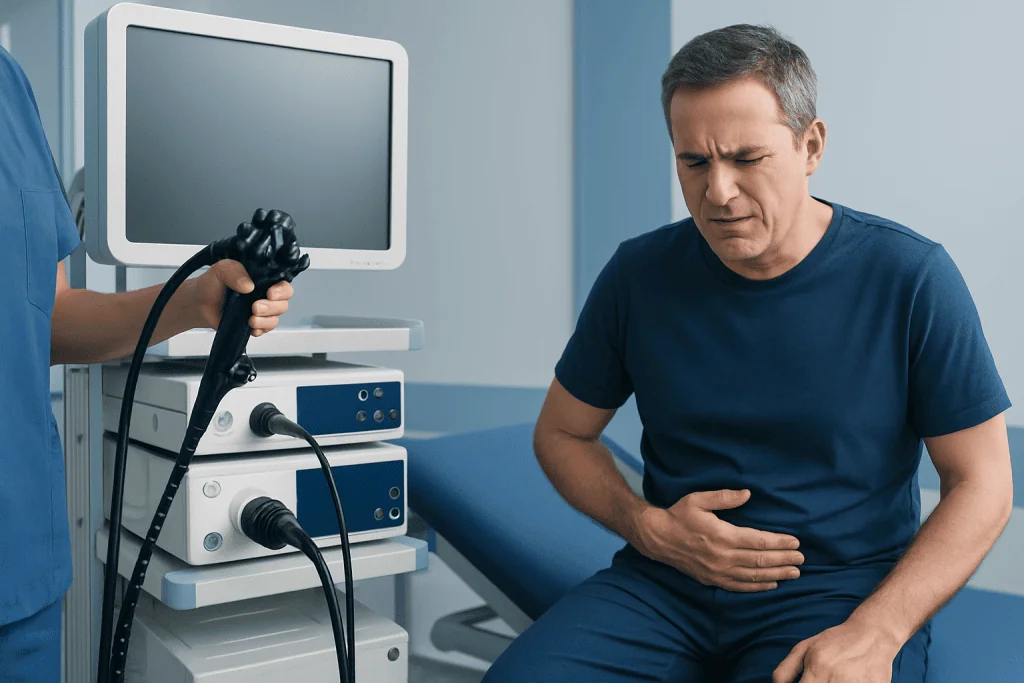
Colon pain often comes with changes in bowel function. Some people notice cramping before a bowel movement that improves afterward, while others feel constant soreness, bloating, or a sense of incomplete emptying. The pain may come and go, worsen after meals, or become more noticeable during constipation or diarrhea.
Associated symptoms can help narrow the cause. These may include excess gas, abdominal swelling, diarrhea, constipation, mucus in the stool, urgency, nausea, loss of appetite, or fatigue. Inflammation or infection may also cause fever, chills, or body aches. Blood in the stool, black stools, or unexplained weight loss are more concerning findings that should not be ignored.
It is also helpful to note where the pain is strongest. Left lower abdominal pain can occur with constipation, diverticular disease, or some forms of colitis. Generalized cramping is common with gas or irritable bowel syndrome. Pain with marked tenderness, guarding, or inability to pass stool or gas may suggest a more urgent bowel problem and deserves prompt care.
- Cramping or spasms in the lower abdomen
- Bloating and visible abdominal distension
- Constipation or diarrhea
- Pain that eases after passing stool or gas
- Urgency, mucus, or tenesmus
- Fever, bleeding, or vomiting in more serious cases
Possible causes of colon pain
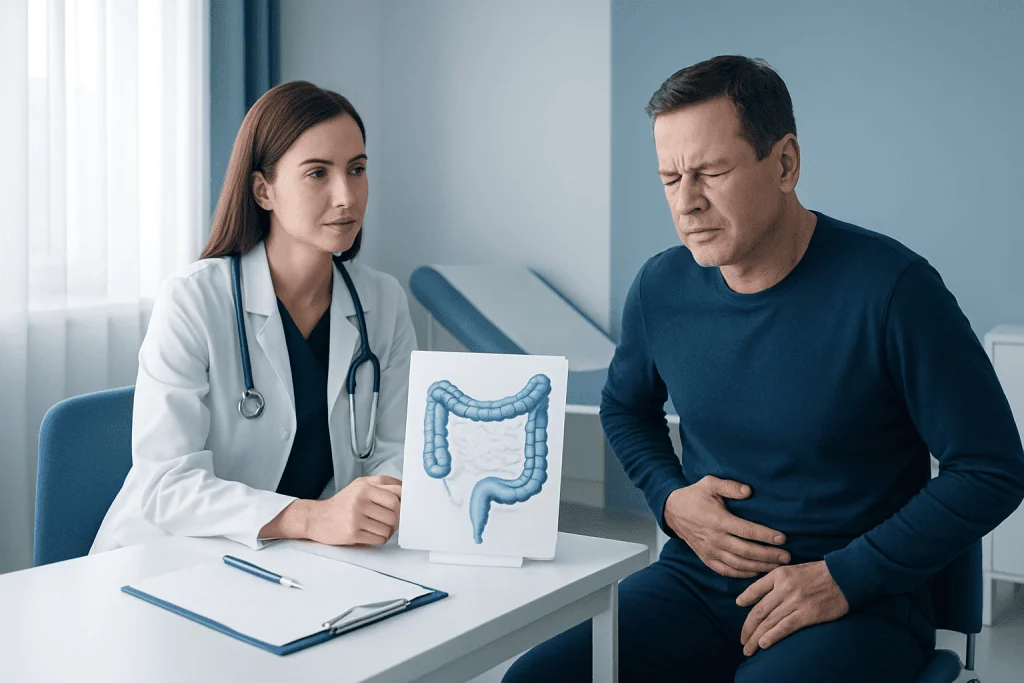
Many causes of colon pain are functional or temporary. Gas and constipation are among the most common. When stool moves slowly through the colon, it can cause pressure, bloating, and cramping. Diet changes, inadequate fluid intake, low fiber intake, travel, reduced activity, or certain medicines can all contribute. Some people develop recurrent discomfort linked to bowel sensitivity, as seen in irritable bowel syndrome.
Inflammation is another important cause. Infections can irritate the colon and lead to diarrhea, urgency, and pain. Colitis is a general term for inflammation of the colon and may result from infection, reduced blood flow, medications, or immune-related conditions. Chronic inflammatory disorders such as Crohn’s disease and ulcerative colitis can cause abdominal pain together with diarrhea, fatigue, and blood or mucus in the stool.
Structural problems can also lead to pain. Small pouches in the colon wall, called diverticula, may become inflamed or infected, causing diverticulitis, often with left-sided lower abdominal pain and fever. Less commonly, bowel obstruction, twisting of the bowel, narrowing from scar tissue, or tumors can interfere with normal bowel passage and cause pain, swelling, and difficulty passing stool or gas. These causes are less common than gas or constipation, but they are important because they may need urgent treatment.
Risk factors and symptom patterns doctors consider
Doctors often ask when the pain started, how long it lasts, and what seems to trigger or relieve it. Pain that follows large meals, improves after bowel movements, or happens during stress may point toward bowel sensitivity or constipation. Pain that wakes a person from sleep, becomes steadily worse, or is associated with fever or bleeding deserves closer attention.
Age, personal medical history, and family history also matter. A history of inflammatory bowel disease, diverticular disease, abdominal surgery, food intolerances, or recurrent infections may change the list of likely causes. Family history of colorectal cancer, inflammatory bowel disease, or celiac disease can be relevant, especially if there are weight changes, anemia, or altered bowel habits.
Medicines and lifestyle can play a role too. Opioid pain medicines, iron supplements, some antacids, and dehydration can worsen constipation. Recent antibiotic use may raise concern for antibiotic-associated colitis. Travel, food exposures, smoking, and significant stress can also influence digestive symptoms. Keeping a simple symptom diary can help identify patterns and support an accurate diagnosis.
How colon pain is diagnosed
Evaluation begins with a detailed history and physical examination. A doctor may ask about bowel habits, stool appearance, diet, recent infections, travel, medication use, and prior abdominal problems. The physical examination checks for tenderness, bloating, bowel sounds, fever, dehydration, and signs that suggest localized inflammation or a surgical emergency.
Depending on the symptoms, testing may include blood tests, stool tests, or urine tests. Blood tests can look for infection, anemia, inflammation, or dehydration. Stool testing may help identify infection, hidden blood, or markers of intestinal inflammation. Imaging, such as ultrasound or CT scanning, can be useful when appendicitis, diverticulitis, obstruction, or other structural problems are suspected.
In some situations, the doctor may recommend direct examination of the colon with colonoscopy. This can help investigate bleeding, chronic diarrhea, unexplained anemia, changes in bowel habits, or suspected inflammatory bowel disease. If surgery-related problems or complicated bowel disease are found, further treatment planning may involve gastroenterology evaluation and, in selected cases, colorectal surgery.
Treatment options for colon pain
Treatment depends on the cause, so there is no single remedy for all colon pain. If the problem is mild constipation or trapped gas, doctors may recommend increasing fluids, gradually improving fiber intake, moving more regularly, and reviewing any medicines that slow the bowel. Some people benefit from short-term symptom relief strategies, but repeated self-treatment without knowing the cause is not ideal if pain keeps returning.
When infection or inflammation is involved, treatment may be different. Bacterial infections may need targeted medicines in selected cases, while many viral illnesses improve with rest and hydration. Inflammatory conditions such as ulcerative colitis or Crohn’s disease usually require structured long-term care to control inflammation and reduce flare-ups. Diverticulitis treatment varies based on severity and may range from diet adjustment and medicines to hospital care if complications are suspected.
If tests suggest a blockage, severe inflammation, perforation, or another complication, urgent treatment is needed. This may include intravenous fluids, bowel rest, imaging-guided care, or surgery. The best outcome comes from matching treatment to the underlying diagnosis rather than treating the pain alone.
Self-care, prevention, and when to seek medical care
Everyday bowel health can reduce some common causes of colon pain. Helpful habits include drinking enough fluids, eating a balanced diet with appropriate fiber, staying physically active, and responding to the urge to have a bowel movement rather than delaying it. It may also help to limit foods that clearly trigger symptoms for that individual, such as very fatty meals, excess alcohol, or foods that worsen bloating.
Medical care should be sought promptly if colon pain is severe, lasts more than a few days, keeps returning, or comes with fever, vomiting, blood in the stool, black stools, fainting, dehydration, or an inability to pass gas or stool. A rigid abdomen, rapidly worsening pain, or pain after injury is especially urgent. These features can point to inflammation, obstruction, bleeding, or another problem that should not be managed at home.
For persistent but non-urgent symptoms, a planned medical review is still worthwhile. Ongoing constipation, diarrhea, bloating, or recurrent lower abdominal pain can often be improved once the cause is identified. Near the end of the care pathway, patients who need specialist assessment may be evaluated by Acibadem International, where multidisciplinary specialists in JCI-accredited hospitals diagnose and treat digestive conditions for international patients.
Frequently asked questions
Where is colon pain usually felt?
Colon pain is often felt in the lower abdomen, but it can occur on the left side, right side, or across the belly depending on which part of the colon is involved. Cramping and bloating may feel more generalized, while diverticulitis often causes left lower abdominal pain.
Can gas cause colon pain?
Yes. Trapped gas can stretch the bowel and cause cramping, pressure, and bloating that may feel like colon pain. This type of discomfort often improves after passing gas or having a bowel movement.
Is colon pain the same as irritable bowel syndrome?
No. Colon pain is a symptom, while irritable bowel syndrome is one possible diagnosis that can cause it. IBS is usually associated with recurrent abdominal pain linked to bowel movements or changes in stool frequency or form.
When is colon pain an emergency?
Colon pain needs urgent assessment if it is severe, rapidly worsening, or accompanied by fever, persistent vomiting, blood in the stool, black stools, fainting, or an inability to pass stool or gas. A hard or rigid abdomen is also a warning sign and should be evaluated immediately.
What tests might a doctor order for colon pain?
A doctor may use blood tests, stool tests, urine tests, and imaging such as ultrasound or CT, depending on the symptoms. If there is bleeding, chronic diarrhea, unexplained anemia, or ongoing bowel habit changes, colonoscopy may also be recommended.
Can diet changes help with colon pain?
They can help in some cases, especially when symptoms are related to constipation, gas, or food triggers. Increasing fluids, adjusting fiber gradually, and identifying foods that worsen bloating or diarrhea may reduce symptoms, but persistent pain still needs medical advice.
References
- National Institute of Diabetes and Digestive and Kidney Diseases
- American College of Gastroenterology
- Mayo Clinic
- National Health Service
- World Gastroenterology Organisation
This article is for general information only and is not a substitute for professional medical advice. Please consult a qualified doctor about your individual situation.
Persistent digestive symptoms? Get evaluated in Turkey
JCI-accredited · board-certified surgeons · reply within 24h
Add us as a Preferred Source to see more of our trusted health content across Google Search, AI Overviews and Discover.

More from the Health Library



Related Specialists

Dr. Mehmet Erkan Altun
Anesthesiology
Dt. Okan Gültekin
Oral & Dental Health
Fzt. Kezban Ataş
Physical Medicine & Rehabilitation
Prof. Dr. K. Fehmi Narter
Urology