

Colon: What Patients Need to Know
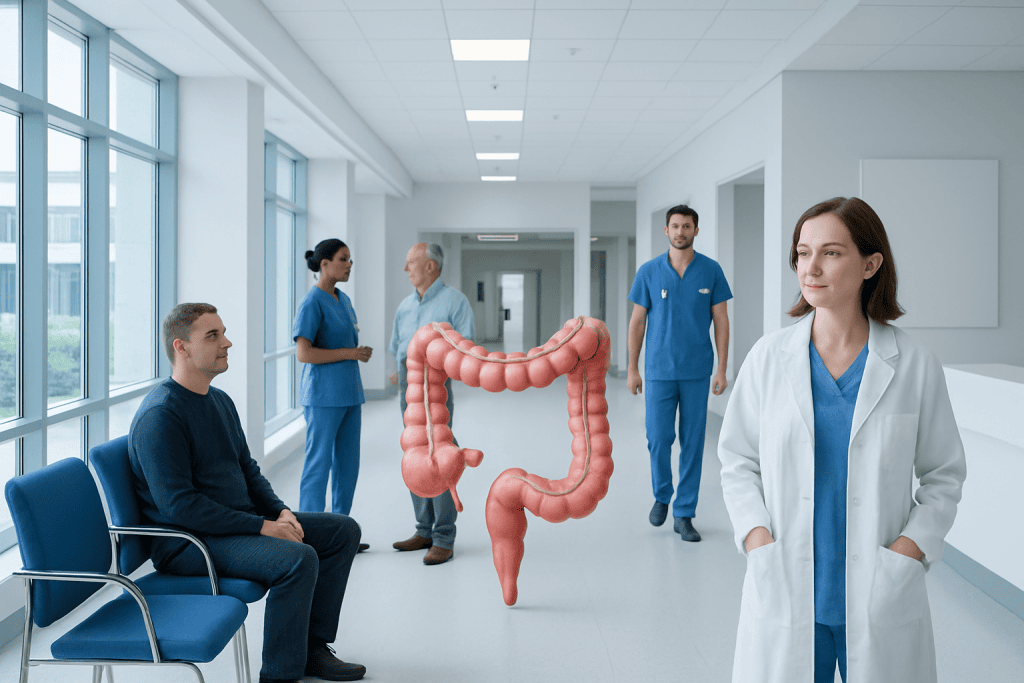
The colon helps absorb water and electrolytes and turns digested material into stool. Changes in bowel habits, blood in the stool, ongoing abdominal pain, or unexplained weight loss should be assessed by a doctor.
Key Takeaways
- The colon helps absorb water and electrolytes and turns digested material into stool.
- Changes in bowel habits, blood in the stool, ongoing abdominal pain, or unexplained weight loss should be assessed by a doctor.
- Common colon problems include constipation, infections, inflammatory conditions, polyps, diverticular disease, and cancer.
- Diagnosis may involve a medical history, stool or blood tests, imaging, and colonoscopy.
- Healthy eating, regular activity, hydration, and age-appropriate screening support colon health.
The colon is the longest part of the large intestine and plays a key role in absorbing water, forming stool, and moving waste out of the body. Understanding how the colon works, what symptoms may signal a problem, and when to seek medical advice can help patients protect digestive health.
Overview: what the colon is and why it matters
The colon is a major part of the digestive system. It is the longest section of the large intestine and is responsible for absorbing water and salts from partially digested food, then shaping the remaining material into stool. In simple terms, the colon helps the body manage waste while also supporting fluid balance and normal bowel movements.
Many people use the terms colon, large intestine, and bowel interchangeably, but they are not exactly the same. The large intestine includes the cecum, colon, rectum, and anal canal. The colon itself is usually divided into the ascending, transverse, descending, and sigmoid colon.
Because the colon is involved in everyday digestion, even mild problems can affect comfort and quality of life. Bloating, changes in stool pattern, abdominal cramping, constipation, or diarrhea are common reasons people start asking questions about colon health. Some symptoms are related to temporary issues, while others may point to conditions that need medical evaluation.
It is also helpful to remember that the colon contains a large and active community of bacteria known as the gut microbiome. These organisms help process undigested material and can influence bowel function and overall digestive balance. When the colon is healthy, bowel movements are usually regular, comfortable, and predictable for that individual.
How the colon works in daily digestion
After food is broken down in the stomach and small intestine, the remaining material moves into the colon. By this stage, most nutrients have already been absorbed. The colon’s main job is to remove water and electrolytes from this material, making it more solid over time.
The walls of the colon gently contract in coordinated waves to move waste along. These movements are influenced by diet, fluid intake, hormones, daily routine, physical activity, medications, and the nervous system. This is why bowel habits can vary from person to person and can also change during stress, illness, or travel.
The colon also stores stool before it passes into the rectum. When the rectum fills, the body signals the need for a bowel movement. For some people, bowel movements happen several times a day; for others, every few days may still be normal if there is no pain, straining, or major change from usual patterns.
Normal colon function depends on a balance of movement, hydration, muscle coordination, and the microbiome. If this balance is disrupted, symptoms such as constipation, urgency, or loose stools may develop. Persistent problems deserve medical attention, especially if they are new or worsening.
Common symptoms linked to the colon
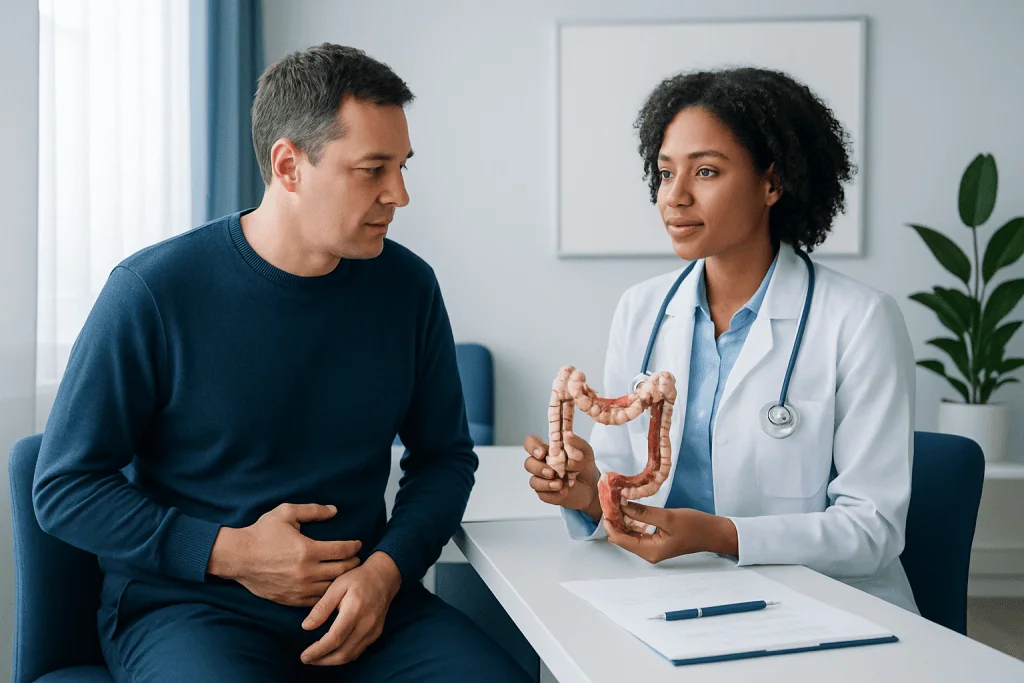
Colon-related symptoms can range from mild and short-lived to persistent or concerning. Many are caused by common conditions such as constipation, dietary intolerance, infections, or irritable bowel syndrome. However, the same symptoms can sometimes be associated with inflammatory disease, polyps, or cancer, which is why duration and context matter.
Symptoms that may involve the colon include:
- Constipation or infrequent bowel movements
- Diarrhea or loose stools
- Abdominal pain, cramping, or bloating
- A feeling of incomplete emptying
- Mucus in the stool
- Blood in or on the stool
- Urgency to have a bowel movement
- Unexplained fatigue or weight loss
Some people notice alternating constipation and diarrhea, while others develop a steady change in stool shape or bowel routine. These symptoms do not automatically mean a serious illness is present, but they should not be ignored when they last more than a short time or interfere with daily life.
Blood in the stool is especially important to discuss with a doctor, even if hemorrhoids are suspected. Dark, tarry stools, visible red blood, ongoing abdominal pain, or nighttime symptoms are signs that need prompt evaluation. A symptom diary, including timing, food triggers, and stool changes, can help guide the medical visit.
Conditions that can affect the colon
The colon can be affected by functional, inflammatory, infectious, structural, and cancer-related conditions. Functional conditions change how the bowel works without causing visible damage on routine testing. Structural and inflammatory conditions may involve changes that can be seen during imaging or endoscopy.
Common examples include constipation, infectious colitis, diverticular disease, polyps, and inflammatory bowel disease. Patients may also hear about colon cancer, which can begin as abnormal growths called polyps. In another group of disorders, inflammation causes ongoing symptoms, as in ulcerative colitis.
Not every colon problem starts in the colon itself. Diet, medication side effects, thyroid disorders, pelvic floor problems, and stress can all affect bowel habits. Antibiotics may alter the gut microbiome, while low fiber intake, low activity levels, and dehydration often contribute to constipation.
Risk factors for colon disease vary depending on the condition, but may include older age, a family history of colorectal cancer or polyps, smoking, heavy alcohol use, obesity, certain dietary patterns, and chronic inflammatory bowel disease. Knowing family history is especially useful, because it can change the age at which screening or evaluation should begin.
How doctors evaluate colon problems
Evaluation usually begins with a careful history and physical examination. The doctor will ask about bowel habits, stool appearance, pain, diet, weight changes, medications, travel, family history, and any alarm symptoms such as bleeding or anemia. This first step often provides important clues.
Basic tests may include blood work to check for anemia, inflammation, infection, or metabolic issues, and stool tests to look for blood, infection, or inflammatory markers. Depending on the symptoms, imaging studies such as abdominal ultrasound or CT may help identify complications or other causes of pain.
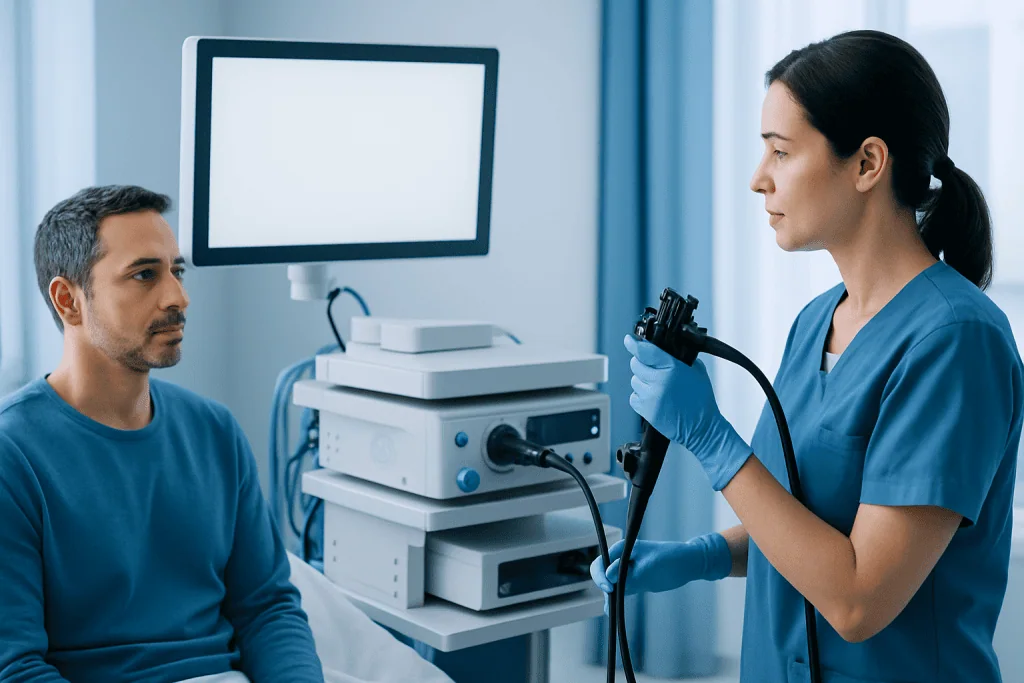
One of the most important tools for direct evaluation is colonoscopy. During this procedure, a specialist examines the inside of the colon with a flexible camera. Colonoscopy can help diagnose inflammation, bleeding sources, polyps, and cancer, and it also allows tissue samples to be taken if needed.
Some patients may need more advanced evaluation, such as biopsy review, specialized imaging, or surgery when a blockage, mass, or severe disease is suspected. If a growth is found, treatment planning may involve colon cancer treatment options based on stage and overall health. The best testing approach depends on the person’s age, symptoms, medical history, and risk profile.
Treatment options and ongoing colon care
Treatment for colon problems depends on the cause. Mild constipation may improve with hydration, fiber adjustment, physical activity, and review of medications. Infections may resolve on their own or require targeted treatment, while inflammatory conditions often need longer-term medical management and follow-up.
Polyps found during colonoscopy are often removed to reduce future cancer risk. Diverticular disease may be managed with diet, symptom control, and monitoring, though complications sometimes need hospital-based care. For inflammatory bowel disease, specialists may use medicines that reduce inflammation and help maintain remission.
When more serious disease is found, treatment may involve a multidisciplinary team. Some patients need endoscopic therapy, while others may require colon surgery to treat cancer, severe inflammation, obstruction, perforation, or complicated diverticular disease. The choice of treatment is individualized and based on how advanced the condition is and how much it affects daily life.
Living with a chronic colon condition often involves follow-up visits, repeat testing when appropriate, and attention to nutrition and symptom monitoring. Near the end of the care pathway, some patients may seek support from centers with gastroenterology, surgery, pathology, and oncology expertise. Acibadem International’s multidisciplinary specialists and JCI-accredited hospitals diagnose and treat colon-related conditions for international patients.
Prevention and everyday habits that support colon health
While not every colon condition can be prevented, several daily habits support healthier bowel function. A balanced diet that includes fiber-rich foods such as vegetables, fruits, legumes, and whole grains can help stool move more easily through the colon. Adequate hydration is equally important, especially for people prone to constipation.
Regular movement supports natural bowel activity. Walking and other forms of exercise may improve motility and help maintain overall digestive health. Limiting smoking and excess alcohol, maintaining a healthy weight, and discussing long-term medication use with a doctor can also lower some risks.
Screening is an essential part of prevention, especially for colorectal cancer. Many polyps do not cause symptoms, which is why age-appropriate screening matters even when a person feels well. People with a family history of colorectal cancer, inherited syndromes, or inflammatory bowel disease may need earlier or more frequent screening than average-risk adults.
Practical self-care steps include responding to the urge to have a bowel movement, avoiding excessive straining, keeping a symptom record if bowel habits change, and seeking advice before using laxatives regularly. A doctor or dietitian can help tailor fiber intake, since rapid increases may worsen bloating in some individuals.
When to seek medical care
Medical advice is appropriate when colon symptoms are persistent, new, or worsening. A person should arrange an evaluation if they develop an unexplained change in bowel habits, recurring constipation or diarrhea, abdominal pain that keeps returning, bloating that does not improve, or a sense that the bowel does not empty fully.
Prompt medical care is especially important for blood in the stool, black or tarry stools, fever with severe diarrhea, unexplained weight loss, ongoing vomiting, or signs of anemia such as unusual fatigue or shortness of breath. Severe abdominal pain, fainting, or inability to pass stool or gas may require urgent assessment.
Patients who have a personal history of polyps, inflammatory bowel disease, or previous colon surgery should also keep regular follow-up appointments. Those with a family history of colorectal cancer should tell their doctor, even if they have no symptoms, because this may change screening recommendations.
Most colon symptoms are not caused by cancer, but they deserve proper evaluation when they continue or are accompanied by warning signs. Early assessment often makes diagnosis clearer and treatment simpler. A qualified doctor can help decide whether symptoms are likely to be temporary, functional, inflammatory, or something that needs further testing.
Frequently asked questions
What does the colon do?
The colon absorbs water and salts from digested material and helps form and store stool before a bowel movement. It also contains bacteria that play a role in digestion and overall gut balance.
Is the colon the same as the large intestine?
Not exactly. The colon is the largest section of the large intestine, but the large intestine also includes the cecum, rectum, and anal canal. People often use the terms interchangeably in everyday conversation.
What symptoms may suggest a colon problem?
Common symptoms include constipation, diarrhea, bloating, abdominal cramps, urgency, mucus in the stool, or a change in usual bowel habits. Blood in the stool, unexplained weight loss, or persistent pain should always be discussed with a doctor.
When is a colonoscopy needed?
A colonoscopy may be used for screening, to investigate symptoms, or to monitor certain conditions. Doctors often recommend it when there is bleeding, anemia, long-lasting bowel changes, a family history of colorectal cancer, or an abnormal screening result.
Can colon problems be prevented?
Not all colon conditions can be prevented, but healthy habits can lower risk and support normal bowel function. A high-fiber diet, enough fluids, regular physical activity, smoking avoidance, and recommended screening are all helpful.
Does every change in bowel habits mean colon cancer?
No. Many bowel changes are caused by common issues such as diet changes, constipation, infections, medication effects, or irritable bowel syndrome. Still, symptoms that are new, persistent, or associated with bleeding or weight loss should be evaluated.
References
- National Institute of Diabetes and Digestive and Kidney Diseases
- American Cancer Society
- Centers for Disease Control and Prevention
- National Health Service
- World Gastroenterology Organisation
This article is for general information only and is not a substitute for professional medical advice. Please consult a qualified doctor about your individual situation.
Persistent digestive symptoms? Get evaluated in Turkey
JCI-accredited · board-certified surgeons · reply within 24h
Add us as a Preferred Source to see more of our trusted health content across Google Search, AI Overviews and Discover.

More from the Health Library



Related Specialists

Dr. Nezail Demirciler
Aesthetic Plastic & Reconstructive Surgery
Dr. Gülen Nevin Çakıcı
Anesthesiology
Prof. Dr. Namık Şahin
Orthopedic Surgery & Traumatology
Dr. Mecit Faruk Sancak
Otorhinolaryngology