Colonitis: Early Signs, Risk Factors, and How It Is Treated

Colonitis commonly refers to colitis, inflammation affecting the lining of the colon. Diarrhea, abdominal cramping, urgency, blood or mucus in stool, and fatigue can occur, but symptoms vary by cause.
Key Takeaways
- Colonitis commonly refers to colitis, inflammation affecting the lining of the colon.
- Diarrhea, abdominal cramping, urgency, blood or mucus in stool, and fatigue can occur, but symptoms vary by cause.
- Infections, inflammatory bowel disease, reduced blood flow to the colon, certain medicines, and radiation are among possible causes.
- Tests may include stool analysis, blood tests, imaging, and colonoscopy with biopsies when appropriate.
- Persistent diarrhea, rectal bleeding, fever, dehydration, or severe abdominal pain should be assessed promptly by a clinician.
Colonitis is a term sometimes used to describe colitis, or inflammation of the large intestine (colon). Symptoms can range from temporary diarrhea and cramping to ongoing bowel changes that need medical assessment, because treatment depends on the underlying cause.
Colonitis: what it means
Colonitis is not always used as a precise medical diagnosis. It generally refers to inflammation of the colon, also called the large intestine. The more widely used medical term is colitis. The colon absorbs water from digested food and forms stool, so inflammation in this area can lead to diarrhea, cramping, urgency to have a bowel movement, and changes in stool appearance.
Colitis is a description of inflammation rather than one single disease. It may be short-lived, such as after a gastrointestinal infection, or it may be part of a longer-term condition such as ulcerative colitis or Crohn’s disease. Other forms result from reduced blood supply to the bowel, a reaction to medicines, or previous radiation treatment. Finding the cause is important because the right care can differ substantially from person to person.
Many episodes of bowel upset improve with appropriate fluids and time. However, ongoing symptoms, significant pain, blood in the stool, or unexplained weight loss should not be assumed to be simple colonitis. A healthcare professional can assess whether inflammation is present and rule out other digestive conditions with similar symptoms.
Early signs and symptoms
The earliest signs of colon inflammation may be a change from a person’s usual bowel pattern. This can include loose or more frequent stools, an urgent need to use the toilet, lower abdominal discomfort, bloating, or cramping that improves after passing stool. Some people notice mucus in their stool or feel that the bowel has not emptied completely.
When inflammation is more active, symptoms may include watery diarrhea, blood in the stool, nausea, reduced appetite, fever, and tiredness. Repeated diarrhea can cause dehydration, especially in older adults, young children, and people who already have other illnesses. Signs of dehydration include thirst, dry mouth, dark urine, dizziness, and passing less urine than usual.
Symptoms alone cannot identify the type of colitis. For example, a bowel infection can cause sudden diarrhea and fever, while inflammatory bowel disease may cause recurring symptoms over weeks or months. Ischemic colitis, caused by reduced blood flow, more often begins suddenly with cramping and rectal bleeding. The pattern, timing, medical history, and test results all help guide diagnosis.
Causes and risk factors
Infectious colitis can be caused by bacteria, viruses, or parasites. It may develop after contaminated food or water, close contact with an infected person, or recent travel. Antibiotics can sometimes disrupt normal gut bacteria and allow Clostridioides difficile (often called C. difficile) to grow excessively, causing diarrhea and colon inflammation. This can happen during antibiotic use or in the weeks afterward.
Inflammatory bowel disease includes ulcerative colitis and Crohn’s disease. These are long-term immune-mediated conditions in which the immune system contributes to inflammation in the digestive tract. They are not caused by a person’s diet or by stress alone, although stress may worsen symptoms for some people. Family history may raise risk, but many people with these conditions have no affected relative.
Other causes include ischemic colitis, which occurs when blood flow to part of the colon is reduced; microscopic colitis, diagnosed by examining tissue under a microscope; and radiation colitis after radiation therapy in the pelvic area. Older age, blood vessel disease, dehydration, low blood pressure, heart conditions, smoking, and certain medicines can contribute to ischemic colitis risk. Anti-inflammatory pain medicines, some acid-reducing medicines, and other drugs may be associated with particular forms of colitis in some individuals, so all current medicines and supplements should be reviewed with a clinician.
- Recent antibiotics, hospitalization, or residence in a care facility can raise the likelihood of C. difficile infection.
- Travel, untreated water, undercooked food, and sick contacts can increase exposure to intestinal infections.
- Vascular disease, irregular heart rhythm, and episodes of low blood pressure may increase ischemic colitis risk.
- A personal or family history of immune-mediated disease may be relevant when inflammatory bowel disease is considered.
How colonitis is diagnosed
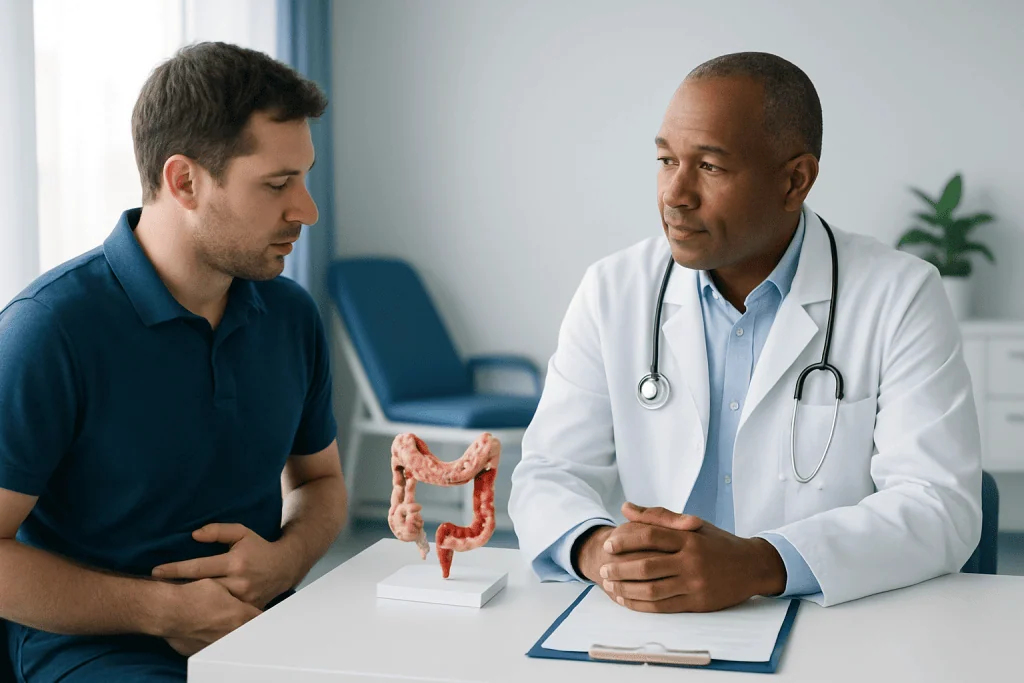
Diagnosis starts with a detailed discussion of symptoms. A clinician may ask when the bowel changes began, whether there has been fever, bleeding, recent travel, antibiotic exposure, new medicines, dietary changes, or contact with someone who was ill. They will also ask about previous digestive problems, family history, and symptoms outside the bowel, such as joint pain, skin changes, or eye inflammation.
Stool tests can look for infections, including C. difficile, and may identify blood or markers of intestinal inflammation. Blood tests may check for anemia, dehydration, infection, inflammation, and changes in kidney function or electrolytes. These tests help assess the effect of diarrhea on the body, but they do not always establish the specific cause on their own.
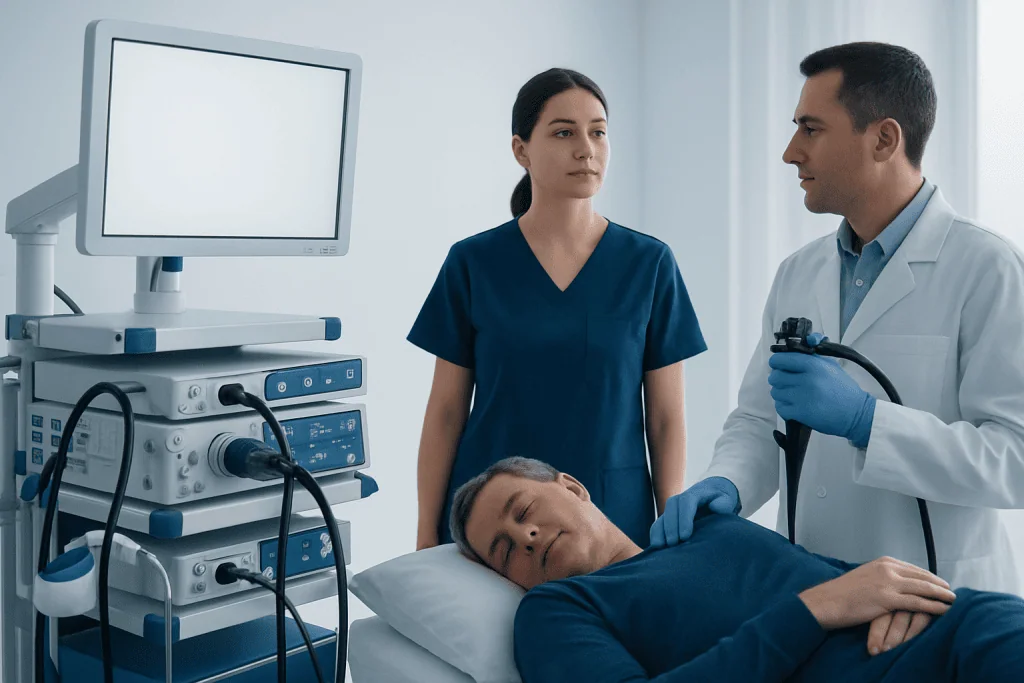
If symptoms are severe, recurrent, unexplained, or associated with bleeding, a gastroenterologist may recommend colonoscopy or flexible sigmoidoscopy. These procedures allow the inside lining of the colon to be examined and enable small tissue samples, called biopsies, to be taken. Biopsies can help distinguish inflammatory bowel disease, microscopic colitis, infection-related changes, and other conditions. CT scans or other imaging may be used when complications, ischemia, or other abdominal causes need to be evaluated.
Treatment options depend on the cause
There is no single treatment for colonitis because care is tailored to the cause, severity, symptoms, and the person’s overall health. Maintaining hydration is often an early priority. For mild diarrhea, drinking water and oral rehydration fluids may help replace lost fluid and salts. A clinician may advise temporary adjustments to food choices if eating worsens symptoms, but overly restrictive diets are not usually necessary without individualized guidance.
Some infectious forms improve without specific medicines, while others require targeted treatment after appropriate testing. Antibiotic-associated C. difficile infection needs medical assessment and specific treatment; taking additional antibiotics without advice can make certain infections worse. Anti-diarrheal medicines are not appropriate for everyone, particularly when there is bloody diarrhea, fever, suspected infection, or severe colitis, so they should be discussed with a clinician.
For inflammatory bowel disease, treatment may include anti-inflammatory medicines, medicines that regulate immune activity, nutritional support, and regular monitoring. The aim is to control inflammation, relieve symptoms, and reduce the risk of complications. Ischemic colitis may require fluids, bowel rest, treatment of contributing conditions, and close observation; severe cases may need hospital care or surgery. When a medicine is suspected of contributing to symptoms, a clinician may recommend changing it, but prescribed medicines should never be stopped abruptly without medical advice.
For international patients, Acibadem International’s multidisciplinary specialists and JCI-accredited hospitals can assess and treat conditions involving colon inflammation, with care plans guided by the underlying diagnosis.
Daily care, prevention, and recovery
Not every type of colitis can be prevented, especially immune-mediated conditions. Still, practical measures can reduce the risk of some bowel infections. These include careful handwashing, safe food preparation, drinking safe water when travelling, and avoiding food that is raw or inadequately cooked when hygiene is uncertain. Antibiotics should be used only when prescribed and taken exactly as directed.
During an episode of diarrhea, small frequent sips of fluid may be easier to tolerate than large amounts at once. A person can usually return gradually to their usual meals as appetite improves. Some people find that temporarily limiting alcohol, caffeine, very fatty foods, or foods that clearly trigger symptoms reduces discomfort, but food triggers differ widely. Keeping a short symptom and food record can be useful for discussions with a healthcare professional.
People with recurrent or chronic colitis should attend follow-up visits even when they feel well. Monitoring may identify inflammation, anemia, nutritional concerns, or medication effects before they become more troublesome. Smoking cessation, regular physical activity as tolerated, and managing other conditions such as diabetes, high blood pressure, or heart disease can support overall bowel and vascular health.
When to seek medical care
Medical advice is recommended for diarrhea lasting more than a few days, recurrent bowel symptoms, blood or black stool, mucus with persistent diarrhea, unexplained weight loss, or ongoing abdominal pain. A clinician should also be contacted after recent antibiotic use if significant diarrhea develops, as this may require stool testing. Children, older adults, pregnant people, and people with weakened immune systems should seek advice sooner when gastrointestinal symptoms occur.
Urgent medical assessment is needed for severe or worsening abdominal pain, a swollen or rigid abdomen, heavy rectal bleeding, fainting, confusion, high fever, repeated vomiting, or signs of significant dehydration. These symptoms may have causes other than colitis, but prompt evaluation is important. A person should seek emergency help if they cannot keep fluids down or are passing very little urine.
It is helpful to bring a list of medicines, recent antibiotic use, travel details, and a description of bowel changes to an appointment. This information can make it easier for the clinical team to decide which tests are needed and whether treatment should begin promptly.
Frequently asked questions
Is colonitis the same as colitis?
Colonitis is commonly used to mean colitis, which is inflammation of the colon. It is not always a formal or specific diagnosis, so a clinician may use a more precise name once the cause is identified.
Can colonitis go away on its own?
Some short-term cases, particularly certain viral or mild food-related infections, can improve with fluids, rest, and monitoring. Others require targeted treatment, especially if caused by C. difficile, inflammatory bowel disease, reduced blood flow, or another ongoing condition.
What does colonitis pain feel like?
Pain may feel like cramping, pressure, or tenderness in the lower abdomen and can occur with an urgent need to have a bowel movement. Sudden severe pain, particularly with bleeding, fever, vomiting, or abdominal swelling, needs urgent medical evaluation.
Does blood in stool always mean colonitis?
No. Blood in stool can occur with colitis, but it can also be caused by hemorrhoids, anal fissures, diverticular disease, polyps, cancer, and other conditions. Any new, recurrent, or substantial rectal bleeding should be assessed by a healthcare professional.
What foods should be avoided with colonitis?
There is no universal diet for colonitis because dietary needs depend on the cause and the individual. During active diarrhea, some people tolerate bland, lower-fat foods and fluids better, while alcohol, caffeine, and very spicy or fatty foods may aggravate symptoms; a clinician or dietitian can give tailored advice.
Can stress cause colonitis?
Stress alone is not considered a direct cause of inflammatory colon disease or infectious colitis. However, stress can affect gut symptoms and may make pain, urgency, or bowel habit changes feel more difficult to manage, particularly in people with a chronic digestive condition.
References
- National Institute of Diabetes and Digestive and Kidney Diseases
- Centers for Disease Control and Prevention
- American College of Gastroenterology
- Crohn's & Colitis Foundation
- Mayo Clinic
This article is for general information only and is not a substitute for professional medical advice. Please consult a qualified doctor about your individual situation.
Persistent digestive symptoms? Get evaluated in Turkey
JCI-accredited · board-certified surgeons · reply within 24h
Add us as a Preferred Source to see more of our trusted health content across Google Search, AI Overviews and Discover.
Check your numbers in seconds
BMI, calories, due date, blood pressure and 30+ more clinical calculators — free, instant, doctor-reviewed ranges.