Colonoscopy Cost: What Is Included and What Can Change the Price?

Colonoscopy cost usually includes the procedure itself, but some quotes may not include sedation, pathology, or specialist fees. The final price may change if biopsies are taken or polyps are removed during the exam.
Key Takeaways
- Colonoscopy cost usually includes the procedure itself, but some quotes may not include sedation, pathology, or specialist fees.
- The final price may change if biopsies are taken or polyps are removed during the exam.
- Hospital type, country, doctor expertise, and pre-procedure testing can all affect cost.
- Patients should ask for an itemized estimate before booking.
- A lower headline price is not always the better value if important services are excluded.
Colonoscopy cost can vary for several practical reasons, including where the test is done, whether sedation is used, and whether biopsies or polyp removal are needed. Understanding what is included in the price helps patients compare quotes more clearly and avoid unexpected charges.
Overview: Why Colonoscopy Cost Can Vary
A colonoscopy is a procedure used to examine the inside of the large intestine with a flexible camera. It is commonly performed for cancer screening, to investigate symptoms such as rectal bleeding or ongoing changes in bowel habits, and to remove certain polyps before they become more serious. Because the procedure can serve both diagnostic and preventive purposes, the final cost may differ from one patient to another.
When patients look up colonoscopy cost, they may see a single advertised number. In practice, however, the total price often depends on what is included in that figure. Some centers quote only the procedure fee, while others include sedation, doctor fees, recovery monitoring, and pathology testing if tissue samples are sent to a laboratory.
Cost can also change because a colonoscopy is not always exactly the same from one person to the next. A straightforward screening exam may be simpler than a procedure that includes biopsies, polyp removal, or extra monitoring. For this reason, asking for a clear, itemized estimate is one of the best ways to understand the likely total expense.
What Is Usually Included in Colonoscopy Cost
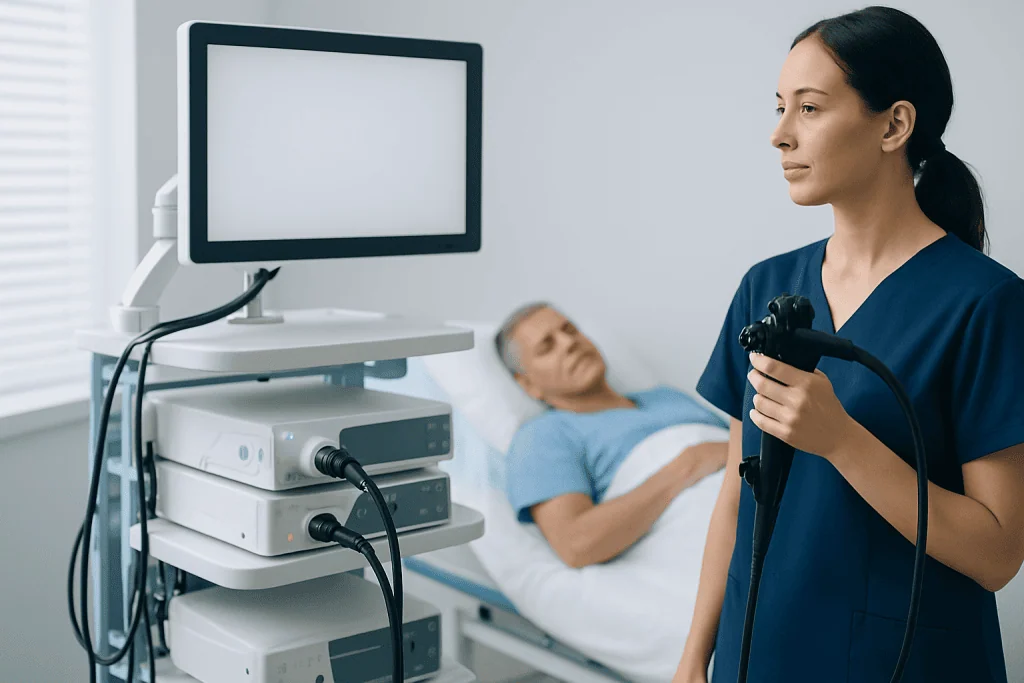
In many healthcare settings, colonoscopy cost includes several core elements. These often include use of the endoscopy room or procedure suite, the colonoscope and monitoring equipment, basic nursing care, and the gastroenterologist or procedural specialist performing the examination. It may also include immediate recovery room observation after the test.
However, included services are not always the same everywhere. Some providers bundle sedation into the price, while others charge separately for the anesthesiologist or sedation medications. Pre-procedure consultations, blood tests, bowel preparation medicines, and post-procedure medications may also be billed separately depending on the facility.
Patients may find it helpful to ask for a written list of what is covered. An itemized quote can clarify whether the estimate includes:
- Specialist or physician fee
- Hospital or endoscopy unit fee
- Sedation or anesthesia
- Nursing and monitoring
- Recovery area care
- Biopsy collection
- Pathology laboratory analysis
- Polyp removal if needed
This kind of detail makes it easier to compare providers fairly rather than comparing only a single advertised price.
What Can Increase the Final Price

One of the most common reasons the final bill is higher than the starting quote is that the colonoscopy becomes more than a simple visual examination. If the doctor sees an area that needs closer evaluation, a biopsy may be taken. If a polyp is found, it may be removed during the same procedure. These steps are often beneficial because they can reduce the need for a second procedure, but they may increase the total cost.
Sedation is another major factor. Some patients receive light sedation, while others may need deeper anesthesia depending on their health status, anxiety level, medical history, or the facility’s standard practice. The involvement of an anesthesia specialist can add a separate fee.
Other factors that may affect colonoscopy cost include longer procedure time, use of special devices, additional monitoring for patients with complex medical conditions, and laboratory analysis of removed tissue. If abnormalities are found, follow-up consultations or additional tests may also be recommended, which can add to the overall care cost.
Travel-related expenses can matter as well, especially for international patients. These may include pre-travel consultation, accommodation, interpreter support, and transportation between the hospital and hotel. These costs are separate from the medical procedure itself but are still important when planning the total budget.
Main Factors That Influence Price Differences
Several practical issues explain why one center may charge more than another. The country and city where the procedure is done play an important role, as local healthcare costs, staffing, and infrastructure vary widely. A colonoscopy in a large private hospital may cost more than one performed in a smaller outpatient endoscopy center.
The type of facility also matters. Hospitals are often better equipped for patients with complex needs or higher anesthesia risk, but this can come with higher overhead costs. Outpatient centers may offer lower prices for routine screening procedures, though what is included should still be checked carefully.
Doctor expertise and service standards can influence price as well. Experienced gastroenterologists, modern equipment, stronger infection-control systems, and comprehensive recovery services may all affect the quote. The best choice is not always the cheapest option, but the one that provides safe, transparent, appropriate care.
Insurance coverage or self-pay status can change the amount a patient actually pays. In some systems, a screening colonoscopy may be covered differently from a diagnostic colonoscopy performed because of symptoms. That distinction can affect co-payments, deductibles, or out-of-pocket expenses, so patients should confirm how their examination is classified.
How to Compare Colonoscopy Quotes Wisely
Comparing prices is easier when patients ask the same questions at each hospital or clinic. A useful quote should explain whether it covers the consultation, bowel preparation instructions, the procedure, sedation, pathology, and any likely additional fees. If the quote is not detailed, the lower price may simply reflect fewer included services.
It is also sensible to ask what happens if a polyp is found. In many cases, removing it during the same procedure is standard and helpful. Still, patients should know in advance whether polyp removal and tissue analysis are already included or charged separately. This is especially important because a colon polyp may be discovered unexpectedly during routine screening.
Another point to clarify is whether the estimate covers follow-up after the procedure. Patients may need a discussion of results, advice about surveillance intervals, or further evaluation if symptoms such as bleeding, anemia, or unexplained abdominal pain are present. If a person is undergoing testing because of digestive complaints, the broader evaluation for conditions affecting the colon may involve additional services beyond the colonoscopy itself.
For many people, the best value comes from a provider that combines clear pricing, experienced specialists, safe sedation practices, and reliable pathology support. Written estimates are especially helpful for international patients, who often need to plan both medical and travel costs in advance.
Preparing for the Procedure and Related Costs
Good bowel preparation is essential for a high-quality colonoscopy. The colon must be clean so the doctor can see the intestinal lining clearly. If the bowel is not prepared well enough, the examination may be less accurate or may even need to be repeated, which can increase the total cost and inconvenience.
Preparation may involve a clinic visit, written instructions, dietary changes for a short time before the test, and a bowel-cleansing medicine. Some facilities include these steps in the package price, while others bill separately for the consultation or the bowel prep medication. Patients should also ask whether any routine tests are needed beforehand, especially if they have heart, lung, or blood-thinning medication concerns.
After the procedure, patients usually spend a short period in recovery while the sedation wears off. They may need someone to accompany them home, depending on the type of sedation used and local policies. If a patient has a more advanced exam, such as removal of larger polyps, the doctor may recommend additional observation or specific aftercare instructions.
In centers that offer broader digestive evaluation, colonoscopy may be part of a coordinated care plan that can also include endoscopy or other gastrointestinal assessment if symptoms suggest a different source. Understanding the whole care pathway can help patients plan financially and medically.
When Colonoscopy May Be Recommended
A colonoscopy may be recommended for routine colorectal cancer screening, especially based on age, family history, or prior polyp findings. It is also used to investigate symptoms such as blood in the stool, persistent diarrhea, chronic constipation, unexplained iron-deficiency anemia, or ongoing abdominal discomfort.
For some patients, the procedure is performed after an abnormal stool test or imaging result. In others, it is used to monitor known conditions, check healing, or remove polyps found during previous examinations. If inflammation is suspected, doctors may also use colonoscopy to assess disorders such as ulcerative colitis or other causes of intestinal irritation.
Because a colonoscopy can both diagnose and treat certain findings during the same session, it is often more efficient than tests that only provide images. Even so, not every patient needs exactly the same examination or level of support. The reason for the test partly explains why one person’s cost may differ from another’s.
Questions to Ask Before Booking
Before scheduling a colonoscopy, patients can benefit from asking a few practical questions. These questions help reduce uncertainty and make the process feel more manageable. They also make it easier to compare hospitals and clinics on more than price alone.
Helpful questions include:
- Is this quote for a screening or diagnostic colonoscopy?
- Does the price include sedation or anesthesia?
- Are doctor, hospital, and nursing fees all included?
- What happens to the cost if a biopsy or polyp removal is needed?
- Is pathology analysis included?
- Are there any extra charges for consultation or follow-up?
- What is included in bowel preparation guidance?
For international patients, it is also reasonable to ask about language support, medical records coordination, and whether treatment can be arranged efficiently if another digestive condition is found. Near the end of the care journey, some patients may also need related services such as colonoscopy follow-up planning or broader gastrointestinal review. Acibadem International’s multidisciplinary specialists and JCI-accredited hospitals diagnose and treat digestive conditions for international patients, with care plans tailored to individual needs.
Clear communication before the procedure can help patients feel informed, prepared, and financially confident. A trustworthy provider should be willing to explain both the medical purpose of the test and the details of the expected charges.
Frequently asked questions
What is usually included in colonoscopy cost?
Colonoscopy cost often includes the procedure room, the specialist performing the exam, nursing care, and a short recovery period. Depending on the provider, it may or may not include sedation, pathology testing, consultation fees, or polyp removal.
Why can the final colonoscopy price be higher than the first quote?
The final price may increase if the doctor takes biopsies, removes polyps, or uses additional sedation or monitoring. Laboratory analysis of tissue samples and follow-up visits can also add to the total cost.
Is a screening colonoscopy priced differently from a diagnostic colonoscopy?
Yes, this can happen in many healthcare systems. A screening colonoscopy is done routinely to check for disease, while a diagnostic colonoscopy is performed because of symptoms or an abnormal test result, and billing may differ.
Does sedation always cost extra?
Not always. Some centers include sedation in a package price, while others bill it separately, especially if an anesthesiologist is involved. It is important to ask exactly what type of sedation is planned and whether it is included.
Will polyp removal be charged separately?
In some hospitals or clinics, yes. A simple screening exam may have one base price, and polyp removal or biopsy may be added only if needed during the procedure. Asking this in advance helps avoid surprises.
How can patients compare colonoscopy prices fairly?
The best approach is to request an itemized estimate from each provider. Patients should compare what is included, such as doctor fees, facility fees, sedation, pathology, and follow-up care, rather than looking only at the lowest advertised number.
References
- World Health Organization
- American College of Gastroenterology
- National Institute of Diabetes and Digestive and Kidney Diseases
- American Cancer Society
- U.S. National Library of Medicine
This article is for general information only and is not a substitute for professional medical advice. Please consult a qualified doctor about your individual situation.
Persistent digestive symptoms? Get evaluated in Turkey
JCI-accredited · board-certified surgeons · reply within 24h
Add us as a Preferred Source to see more of our trusted health content across Google Search, AI Overviews and Discover.