Colonoscopy in Turkey vs at Home: What International Patients Should Consider
A colonoscopy should be chosen based on medical need, safety, and continuity of care rather than price alone. Preparation quality, sedation planning, and recovery logistics are just as important as the procedure itself.
Key Takeaways
- A colonoscopy should be chosen based on medical need, safety, and continuity of care rather than price alone.
- Preparation quality, sedation planning, and recovery logistics are just as important as the procedure itself.
- Patients with symptoms, complex medical conditions, or a higher risk of complications may benefit from closer local follow-up.
- Before traveling, patients should confirm the hospital’s standards, the specialist’s experience, and how biopsy or polyp results will be communicated.
- Travel after colonoscopy is often possible, but timing should allow for recovery and any unexpected findings.
Choosing between a colonoscopy in Turkey and one at home involves more than cost or convenience. International patients should compare medical quality, pre-procedure assessment, travel timing, sedation, recovery, and access to follow-up care before making a decision.
Overview
A colonoscopy is a procedure used to examine the inside of the large intestine, including the colon and rectum. A doctor passes a thin, flexible tube with a camera through the rectum to look for inflammation, bleeding, polyps, and other changes. It may be recommended for screening, investigating symptoms, or monitoring known digestive conditions.
For international patients, the decision between having a colonoscopy in Turkey or at home usually involves several factors. These include access to specialist care, travel plans, language support, sedation options, waiting times, and the ability to arrange follow-up if a biopsy is taken or a polyp is removed.
Turkey is a common destination for planned medical care, including digestive investigations such as colonoscopy. However, the best choice depends on the person’s health status and reason for testing. A routine screening colonoscopy may be easier to plan abroad than an urgent investigation for severe symptoms.
In general, patients should think of colonoscopy as a process rather than a single appointment. Good results depend on the right indication, careful bowel preparation, safe sedation, expert examination, and a clear plan for what happens after the procedure.
Why a Colonoscopy May Be Recommended
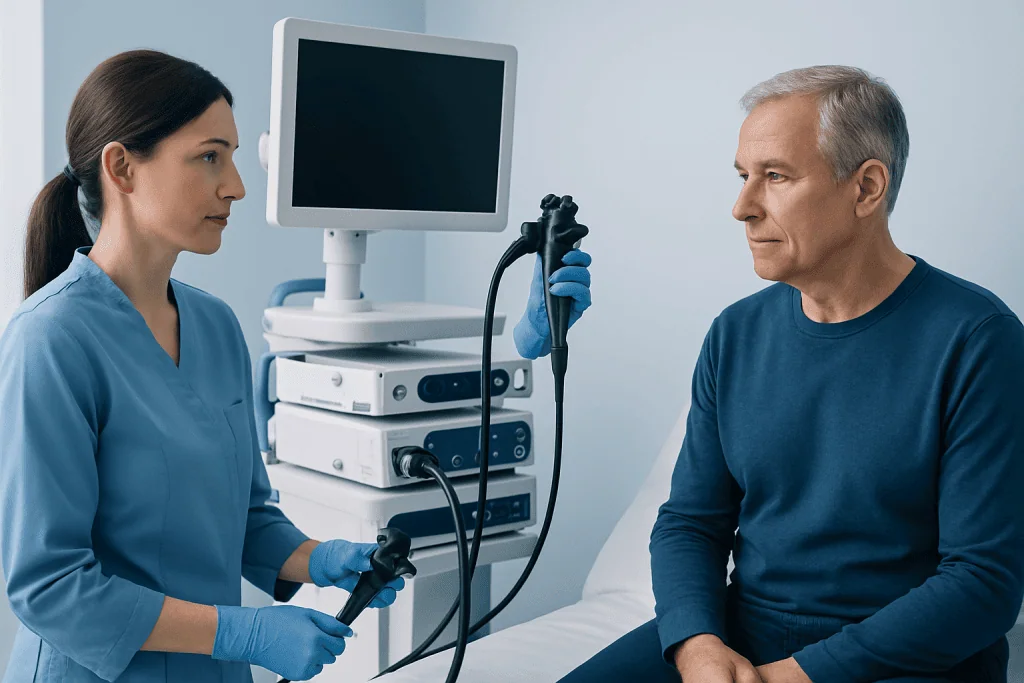
A colonoscopy may be advised for routine colorectal cancer screening, especially for adults within the recommended screening age range or those with a family history of bowel cancer or polyps. It is also used to investigate symptoms such as rectal bleeding, ongoing diarrhea, unexplained anemia, chronic abdominal pain, or changes in bowel habits.
Doctors also use colonoscopy to remove polyps and to take tissue samples for laboratory testing. This makes it both a diagnostic and, in some cases, a preventive procedure. Finding and removing certain polyps can reduce the risk of colorectal cancer developing later.
For some patients, colonoscopy is part of follow-up for conditions such as ulcerative colitis or after previous polyp removal. In these situations, continuity of care matters because the timing of repeat testing may depend on earlier findings.
If symptoms are significant or there is a strong concern about bowel disease, a patient may also need other tests before or after colonoscopy. These can include blood tests, stool testing, or imaging such as MRI or CT scan when clinically appropriate.
What International Patients Should Compare
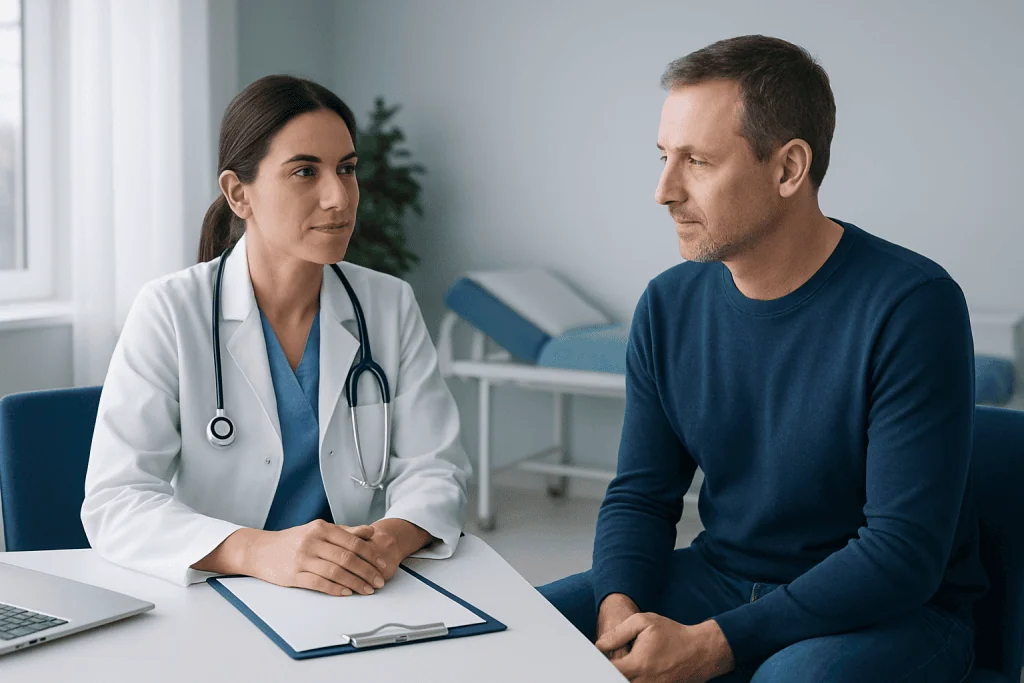
When comparing a colonoscopy in Turkey with one at home, the first question is whether the procedure is suitable for planned travel. A person with severe bleeding, weight loss, bowel obstruction symptoms, dehydration, or significant pain should usually seek prompt local medical evaluation rather than travel for a routine appointment.
For non-urgent care, patients should compare the hospital’s accreditation, the gastroenterologist’s experience, interpreter support, sedation practices, and the clarity of written instructions. It is helpful to know whether the center routinely performs biopsies and polyp removal during the same procedure if needed.
Another important point is how test results are handled. Patients should ask how long biopsy results usually take, whether pathology reports will be provided in English, and how results can be shared with their home doctor. A good international care pathway includes communication before arrival and after discharge.
Practical details also matter. Patients should understand how many days they may need to stay, whether a companion is required after sedation, and what happens if the bowel preparation is not adequate. Choosing a center that can provide clear scheduling and support can make the experience much smoother.
Preparation, Travel, and Recovery
The success of a colonoscopy depends heavily on bowel preparation. If the colon is not clean enough, important findings can be missed and the procedure may need to be repeated. Patients traveling abroad should make sure they can follow diet instructions, access the prescribed bowel-cleansing medication, and stay near a bathroom during preparation.
Timing is especially important for international visitors. It is usually wise to arrive early enough to settle, review medications, and complete the preparation without travel-related disruption. Long flights, changes in routine, and dehydration can make the preparation phase more difficult if the trip is too tightly scheduled.
Most colonoscopies involve sedation, which means patients should not drive or make important decisions immediately afterward. For this reason, same-day flights or long transfers are usually not ideal. Patients should leave time for rest and for the care team to explain the findings before traveling onward.
Recovery is often straightforward, but mild bloating, cramping, or temporary drowsiness can occur. If a biopsy is taken or a polyp is removed, the doctor may give extra instructions about activity, diet, and warning signs. International patients should know who to contact if symptoms develop after they return home.
Safety, Sedation, and Medical History
Colonoscopy is commonly performed and is generally safe in experienced hands, but every procedure carries some risk. Possible complications include bleeding, reactions to sedation, infection, and, rarely, a tear in the bowel wall. Risk may be slightly higher when larger polyps are removed or when a patient has other medical conditions.
This is why pre-procedure assessment is essential whether the colonoscopy is done at home or abroad. Patients should disclose all medications, especially blood thinners, diabetes medicines, iron supplements, and any allergy or prior anesthesia problem. Heart, lung, kidney, or neurological conditions may also affect preparation or sedation planning.
Patients with complex medical histories may prefer to have the test close to their usual doctors, especially if medication adjustments are needed or if they are at higher risk of complications. On the other hand, patients traveling to a well-equipped center should confirm that anesthesiology and emergency support are available if required.
It is also sensible to ask what type of sedation is typically used and who monitors the patient during the procedure. Clear consent, monitoring standards, and post-procedure observation are important markers of safe care in any setting.
Follow-Up and Continuity of Care
One of the biggest differences between having a colonoscopy at home and having one abroad is follow-up. If the colonoscopy is normal, follow-up may be simple and limited to routine future screening. But if polyps are removed, biopsies are taken, or inflammation is found, ongoing care may be needed.
Before booking, patients should ask how reports, images, and pathology results will be delivered. It is useful to request copies of the procedure note, pathology report, medication list, and discharge summary to share with a doctor at home. This helps avoid delays or repeated testing.
If results suggest a condition that needs treatment, such as colon cancer or Crohn’s disease, the next steps should be clearly explained. Some patients may choose further treatment in Turkey, while others may prefer to continue care locally with their existing medical team.
For international patients seeking organized care, Acibadem International’s multidisciplinary specialists and JCI-accredited hospitals diagnose and treat digestive conditions for patients traveling from abroad. Even so, a colonoscopy plan is best when it includes smooth communication with the patient’s home doctor.
When It May Be Better to Have It at Home
Having a colonoscopy at home may be the better option when symptoms are urgent, when a patient has several chronic illnesses, or when close follow-up is likely. It can also be more practical for people who need repeated surveillance because of inflammatory bowel disease, previous advanced polyps, or a strong family history of colorectal cancer.
Local care may make medication management easier, especially for people taking anticoagulants, insulin, or multiple prescription drugs. It may also reduce stress around preparation and recovery because the patient is in a familiar environment with easier access to support.
Home-based care can be especially valuable if the patient may need additional tests soon after colonoscopy. If a significant finding is discovered, local access to surgery, oncology, or long-term gastroenterology care may simplify the next steps.
In short, convenience is not only about travel. For some patients, the most convenient and safest option is a local procedure with direct access to their own doctors, records, and pharmacy.
When to Seek Medical Advice Before Deciding
Anyone considering a colonoscopy abroad should first discuss the plan with a qualified doctor, especially if the procedure is being arranged because of symptoms rather than routine screening. A doctor can help determine whether travel is reasonable, what preparation is needed, and whether any medications should be changed.
Prompt medical advice is important if a person has heavy rectal bleeding, black stools, fainting, severe or persistent abdominal pain, vomiting, unexplained weight loss, or signs of dehydration. These symptoms may require urgent local assessment rather than scheduled medical travel.
Patients should also seek advice if they are pregnant, have a known bleeding disorder, have significant heart or lung disease, or have had problems with sedation in the past. These factors do not always prevent colonoscopy, but they can affect where and how it should be performed.
A thoughtful decision balances medical need, travel practicality, and follow-up planning. Whether a patient chooses Turkey or home-country care, the goal is the same: a well-prepared, safely performed colonoscopy with clear results and appropriate next steps.
Frequently asked questions
Is it safe to travel for a colonoscopy?
For many people, traveling for a planned colonoscopy can be safe if the procedure is routine and the patient is otherwise stable. Safety depends on proper assessment, good bowel preparation, sedation planning, and enough time for recovery and follow-up.
How long should an international patient stay after a colonoscopy?
The exact timing varies, but patients usually need time for bowel preparation before the procedure and observation afterward. If biopsies are taken or polyps are removed, staying long enough to recover comfortably and receive instructions is sensible.
What should patients ask a hospital before booking a colonoscopy abroad?
Patients should ask about the doctor’s experience, hospital standards, sedation methods, language support, pathology services, and how results will be shared. It is also helpful to ask what happens if a polyp is found or if the bowel preparation is not adequate.
Can a colonoscopy and treatment happen on the same day?
Often, yes. During colonoscopy, doctors can commonly remove certain polyps or take biopsies if needed. However, larger or more complex findings may require separate treatment planning after the procedure.
Is a colonoscopy abroad a good idea for symptoms like bleeding or ongoing pain?
It depends on how severe and urgent the symptoms are. Significant bleeding, severe pain, black stools, or weakness should be assessed promptly by a local doctor rather than delayed for travel.
What happens if a biopsy result comes back after the patient has returned home?
This is common, so patients should arrange in advance how pathology results will be delivered and explained. They should also make sure their home doctor can receive the report and continue any needed follow-up.
References
- World Health Organization
- American Society for Gastrointestinal Endoscopy
- National Institute for Health and Care Excellence
- U.S. National Institute of Diabetes and Digestive and Kidney Diseases
- American Cancer Society
This article is for general information only and is not a substitute for professional medical advice. Please consult a qualified doctor about your individual situation.
Persistent digestive symptoms? Get evaluated in Turkey
JCI-accredited · board-certified surgeons · reply within 24h
Add us as a Preferred Source to see more of our trusted health content across Google Search, AI Overviews and Discover.