Colonoscopy Results: Preparation, Procedure and Results
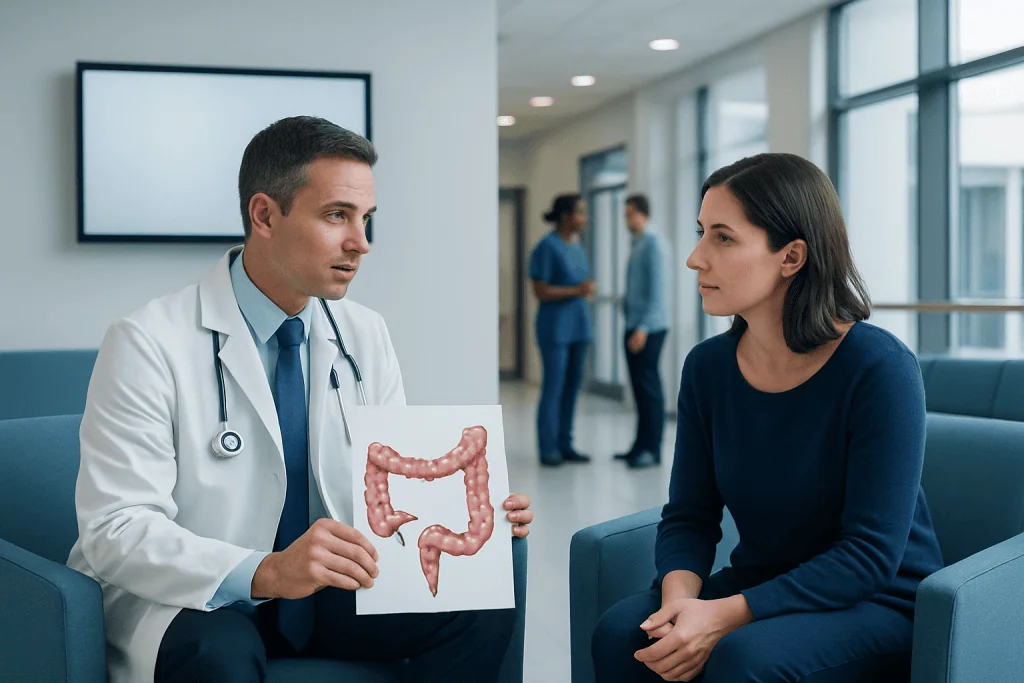
A doctor can often share visual findings immediately after a colonoscopy, once sedation has worn off sufficiently. Biopsy and polyp pathology results commonly take several days because tissue must be examined in a laboratory.
Key Takeaways
- A doctor can often share visual findings immediately after a colonoscopy, once sedation has worn off sufficiently.
- Biopsy and polyp pathology results commonly take several days because tissue must be examined in a laboratory.
- A clear bowel preparation is important because it allows the doctor to inspect the colon lining accurately.
- Most people have little or no pain during colonoscopy because sedation is commonly used, though bloating or cramping may occur afterward.
- Polyps can often be removed during colonoscopy, but only pathology testing can confirm whether cancer or precancerous changes are present.
- Severe abdominal pain, persistent bleeding, fever or fainting after colonoscopy requires prompt medical assessment.
Colonoscopy results often include an initial explanation from the doctor on the day of the examination, but tissue samples or removed polyps may need laboratory testing before a final result is available. Understanding the preparation, procedure and follow-up can help patients know what to expect and when further care may be needed.
Colonoscopy Results: What They Mean
Colonoscopy results describe what the doctor saw inside the rectum and colon, also called the large intestine. In many cases, the doctor can explain the main visual findings shortly after the examination. These may include a normal colon, inflammation, diverticula, hemorrhoids, polyps, bleeding sources or areas that need further assessment.
A complete final report may not be available on the same day. If the doctor removes a polyp or takes a biopsy, the tissue is sent to a pathology laboratory. The laboratory examines the cells under a microscope, helping determine whether tissue is normal, inflamed, precancerous, cancerous or affected by another condition.
A colonoscopy is used for screening, investigation of symptoms and follow-up after certain bowel findings. It can help identify conditions such as colorectal cancer at an earlier stage, as well as noncancerous changes that may be treatable before they progress.
How Colonoscopy Works and Who May Need It
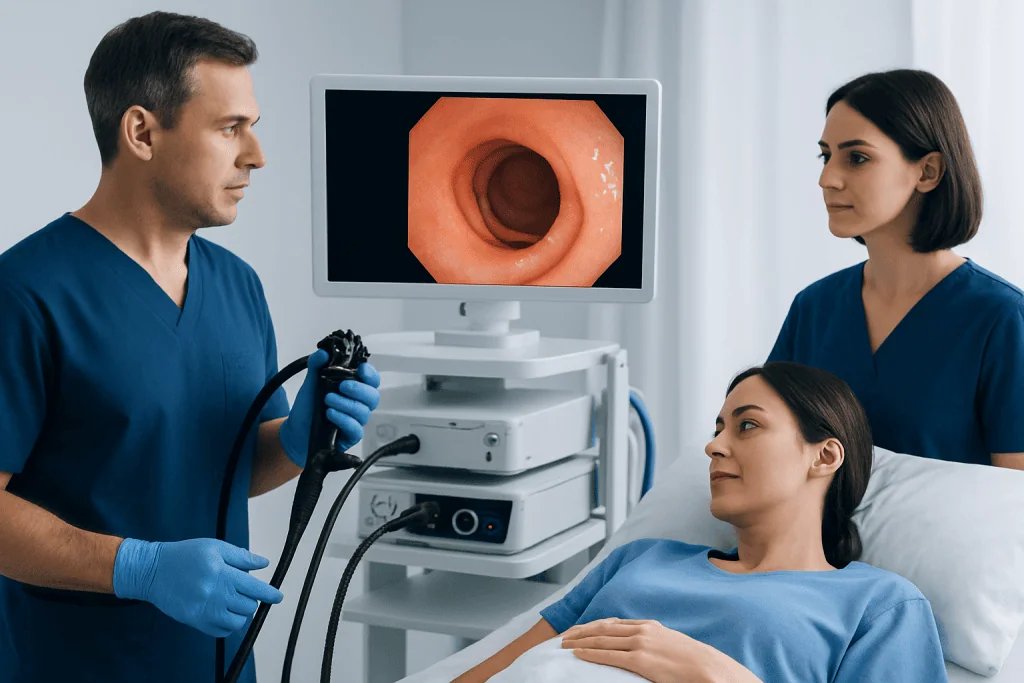
During colonoscopy, a gastroenterologist passes a thin, flexible tube called a colonoscope through the anus and gently advances it through the rectum and colon. A small camera at its tip sends images to a monitor, allowing close inspection of the bowel lining. Air or carbon dioxide is introduced to open the colon gently and improve visibility.
A doctor may recommend colonoscopy for routine colorectal cancer screening, depending on a person’s age, family history and local screening guidance. It may also be appropriate for rectal bleeding, ongoing changes in bowel habits, unexplained iron-deficiency anemia, persistent diarrhea, abdominal symptoms, an abnormal stool test or surveillance after prior polyps.
Before arranging the procedure, the healthcare team reviews medical history, medications, allergies, pregnancy status and conditions affecting the heart, lungs, kidneys or blood clotting. Patients should not stop prescribed medicines, including blood thinners or diabetes medicines, unless their own clinician provides specific instructions.
Colonoscopy is both a diagnostic and therapeutic examination. In addition to identifying possible causes of symptoms, it allows the specialist to take tissue samples and remove many polyps during the same procedure. This combined approach may reduce the need for additional testing.
Colonoscopy Preparation and What a Good Prep Result Looks Like
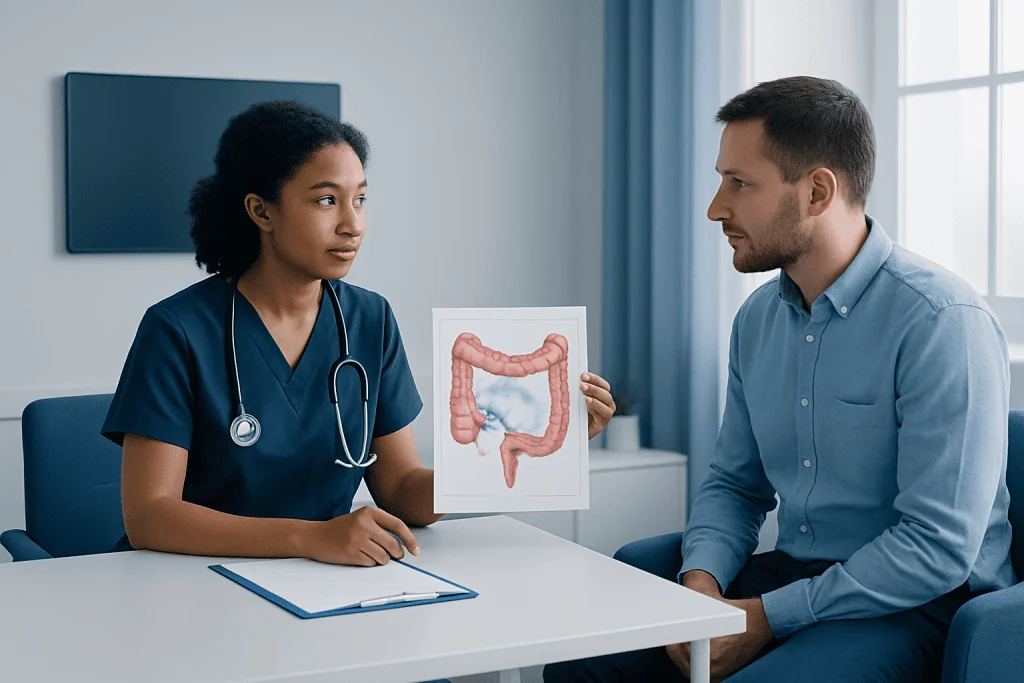
Effective bowel preparation is essential for reliable colonoscopy procedure results. Stool left in the colon can hide small polyps or inflamed areas, make the examination longer and occasionally mean that the test needs to be repeated sooner. The care team provides individualized instructions about diet, clear fluids and a prescribed bowel-cleansing medicine.
In the days before the test, patients may be asked to temporarily avoid foods that are difficult to clear from the bowel, such as seeds, nuts or high-fiber foods. On the day before, a clear-liquid diet is commonly advised. The exact schedule differs by clinic, so patients should follow their own instructions rather than using a general plan from another source.
A good colonoscopy prep result is usually watery bowel movements that become yellowish or clear, with little or no solid material. The goal is not simply frequent bowel movements; it is a clean colon that lets the doctor see the lining well. If bowel movements remain dark, cloudy or solid near the end of preparation, patients should contact the endoscopy unit for advice.
Will I be up all night pooping with colonoscopy prep?
The bowel-cleansing medicine causes frequent, urgent bowel movements, often beginning within a few hours of the first dose. Some people do need to use the toilet repeatedly into the evening or overnight, especially when the preparation is taken in divided doses. Staying near a bathroom, using skin-protective ointment if advised and drinking approved clear fluids can make the process more manageable.
Step by Step: What Happens During a Colonoscopy
On arrival, the clinical team confirms the reason for the examination, reviews preparation quality and checks key health information. An intravenous line may be placed, and monitoring equipment is used to track blood pressure, pulse and oxygen levels. Many patients receive sedation to promote comfort and relaxation; in some settings, deeper anesthesia may be used.
Once the patient is positioned, the doctor performs the examination with the colonoscope. The procedure itself commonly takes less than an hour, although timing varies when polyps are found or treatment is needed. The doctor may rinse the lining, suction residual fluid, take biopsies or remove polyps using small instruments passed through the scope.
Removing a polyp is called polypectomy. Depending on its size and appearance, a polyp may be removed with a loop-like instrument, sometimes using heat or clips to reduce bleeding risk. Larger or more complex polyps may require a planned advanced endoscopic procedure or surgical discussion.
What is the most painful part of a colonoscopy?
For most patients, the procedure is not painful because sedation or anesthesia is used. Without adequate sedation, the most uncomfortable part can be temporary pressure, cramping or bloating as the colon is gently expanded and the scope moves around natural bends. Afterward, mild gas discomfort is common and usually improves after passing gas and moving around.
Do You Get Your Colonoscopy Results Immediately?
Doctors can usually discuss the main visual colonoscopy results immediately after the procedure, or once the patient is awake enough to understand the information safely. They may say whether the examination was complete, whether the bowel preparation was adequate and whether they saw polyps, inflammation, diverticula, bleeding or no significant abnormality.
However, visual assessment is not always the final answer. Biopsies and removed polyps are commonly sent for pathology review, and these results often take several days to become available. The care team will explain how and when the patient will receive the report, as well as whether a follow-up appointment is recommended.
A colonoscopy results sample may state that the colonoscopy was normal, that one or more polyps were removed, or that biopsies were taken from a particular part of the colon. It may also document preparation quality, the extent of the examination and a recommended interval for future screening. Follow-up timing depends on pathology findings, polyp characteristics, family history and the reason for the test.
Can a doctor usually tell if a polyp is cancerous during a colonoscopy?
The doctor may recognize features that make a polyp look more or less concerning, including its size, shape, surface pattern and location. Nevertheless, appearance alone cannot reliably confirm whether a polyp contains cancer or precancerous cells. Pathology examination of removed tissue is the definitive way to identify the cell changes and guide next steps.
Recovery Timeline, Benefits and Possible Risks
After the examination, patients rest in a recovery area until the effects of sedation lessen. Drowsiness, temporary poor concentration and mild bloating are common on the same day. Anyone who has received sedation should arrange a responsible adult to take them home and should avoid driving, alcohol, important decisions and operating machinery for the period specified by the clinical team.
Many people return to usual eating and gentle activities later that day or the following day, unless their doctor gives different advice. If a larger polyp was removed, individualized restrictions may be recommended. The team should provide written aftercare instructions, including information about medications and how results will be communicated.
The main benefits of colonoscopy are direct visualization of the colon and the opportunity to remove many polyps before they become cancerous. It can also clarify the cause of symptoms and help clinicians plan treatment for inflammation, bleeding or other bowel conditions. When appropriate, colonoscopy assessment and polyp removal can be part of a coordinated digestive health plan.
Complications are uncommon but can include bleeding, a reaction to sedation, infection, damage to the colon wall or complications related to polyp removal. The risk may be higher when larger lesions are treated or when a person has particular medical conditions. The endoscopy team discusses relevant individual risks before consent is given.
When to Seek Medical Care
It is common to have mild gas, brief cramping and a small amount of blood after a biopsy or removal of a small polyp. These symptoms should be limited and improve rather than worsen. Patients should follow the post-procedure instructions given by their own care team.
Urgent medical advice is needed for severe or increasing abdominal pain, persistent or heavy rectal bleeding, fever, chills, repeated vomiting, marked abdominal swelling, shortness of breath, weakness or fainting. These symptoms do not necessarily mean a serious complication, but they should be assessed promptly after colonoscopy.
Patients should also contact their doctor if they do not receive expected pathology results, have continuing bowel symptoms despite a normal examination or are unsure how to interpret their report. Results should be considered alongside symptoms, medical history and other investigations rather than in isolation.
Acibadem International’s multidisciplinary specialists and JCI-accredited hospitals support international patients who need evaluation, endoscopy and follow-up care for digestive concerns. A qualified gastroenterology team can explain individual results and recommend appropriate next steps.
Frequently asked questions
How long do colonoscopy biopsy results take?
Biopsy or polyp pathology results often take several days, although the exact timeline depends on the laboratory and the type of testing needed. The endoscopy team should explain how the results will be provided and who to contact if they have not arrived as expected.
What does a normal colonoscopy result mean?
A normal result generally means the doctor did not see significant abnormalities in the areas examined and that the bowel preparation allowed an adequate view. The next screening interval depends on personal risk factors, family history and the quality and completeness of the examination.
Can polyps be removed during a colonoscopy?
Yes. Many polyps can be removed during the same colonoscopy using instruments passed through the scope. The removed tissue is usually sent to pathology to determine its type and whether further follow-up is needed.
Is it normal to have blood in the stool after colonoscopy?
A small amount of bleeding can occur after a biopsy or polyp removal and may be expected in some cases. Heavy bleeding, bleeding that persists or increases, dizziness, severe pain or fainting requires urgent medical assessment.
Can I eat after a colonoscopy?
Many people can resume food after recovery from sedation, often starting with a light meal if they feel well. The doctor may give different instructions after removal of a large polyp or another treatment, so individual advice should be followed.
What happens if the bowel preparation was not good enough?
If the colon was not sufficiently clean, the doctor may be unable to confidently rule out small polyps or other findings. They may recommend repeating the examination earlier than usual and adjusting the preparation plan for the next test.
References
- American Society for Gastrointestinal Endoscopy
- National Institute of Diabetes and Digestive and Kidney Diseases
- National Cancer Institute
- Mayo Clinic
- World Gastroenterology Organisation
This article is for general information only and is not a substitute for professional medical advice. Please consult a qualified doctor about your individual situation.
Persistent digestive symptoms? Get evaluated in Turkey
JCI-accredited · board-certified surgeons · reply within 24h
Add us as a Preferred Source to see more of our trusted health content across Google Search, AI Overviews and Discover.
Check your numbers in seconds
BMI, calories, due date, blood pressure and 30+ more clinical calculators — free, instant, doctor-reviewed ranges.