Colorectal Cancer: Symptoms, Diagnosis, and Treatment Options

Colorectal cancer may cause changes in bowel habits, blood in the stool, abdominal discomfort, unexplained weight loss, or fatigue, but early disease may have no symptoms. Screening tests such as colonoscopy can detect precancerous polyps and early cancers before symptoms appear.
Key Takeaways
- Colorectal cancer may cause changes in bowel habits, blood in the stool, abdominal discomfort, unexplained weight loss, or fatigue, but early disease may have no symptoms.
- Screening tests such as colonoscopy can detect precancerous polyps and early cancers before symptoms appear.
- Diagnosis usually involves colonoscopy with biopsy, imaging tests, blood tests, and staging to understand the extent of disease.
- Treatment may include surgery, chemotherapy, radiation therapy, targeted therapy, immunotherapy, or a combination, depending on the cancer type and stage.
- Healthy lifestyle choices and regular screening can reduce risk and support early detection.
- Anyone with persistent bowel symptoms or rectal bleeding should consult a qualified doctor for assessment.
Colorectal cancer is a cancer that begins in the colon or rectum, often developing slowly from precancerous polyps. Early detection through screening and timely treatment can improve outcomes and help patients make informed decisions with their care team.
Overview
Colorectal cancer is a disease in which abnormal cells grow in the large intestine, which includes the colon and rectum. Cancer that starts in the colon is often called colon cancer, while cancer that starts in the rectum is called rectal cancer. Because these cancers have many similarities, they are commonly grouped together as colorectal cancer.
Many colorectal cancers begin as small growths on the inner lining of the bowel called polyps. Not all polyps become cancer, but certain types can change over time. This slow development is one reason screening is so important: a doctor may be able to find and remove polyps before they become cancerous.
Colorectal cancer is treatable, and treatment planning has become increasingly personalized. Doctors consider the location of the tumor, its stage, molecular features, a patient’s overall health, and personal preferences. A multidisciplinary team may include gastroenterologists, colorectal surgeons, medical oncologists, radiation oncologists, radiologists, pathologists, oncology nurses, dietitians, and rehabilitation specialists.
Symptoms of Colorectal Cancer
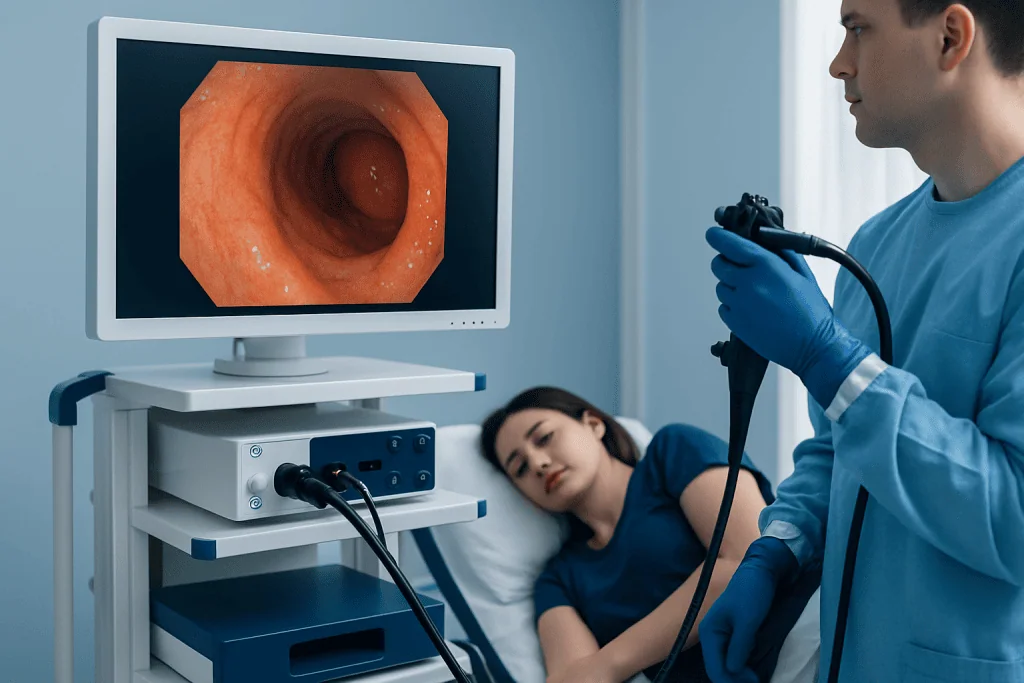
Colorectal cancer may not cause symptoms in its early stages. This is why screening is recommended for many adults even when they feel well. When symptoms do occur, they can be mild, intermittent, or similar to other digestive conditions such as hemorrhoids, irritable bowel syndrome, inflammatory bowel disease, or infections.
Common symptoms can include:
- A change in bowel habits, such as diarrhea, constipation, or narrower stools that persist
- Blood in or on the stool, rectal bleeding, or very dark stools
- Abdominal pain, cramping, bloating, or a feeling that the bowel does not empty completely
- Unexplained weight loss or reduced appetite
- Fatigue, weakness, or shortness of breath related to anemia
- Persistent nausea or vomiting, especially if there is a bowel blockage
Rectal cancer may more often cause rectal bleeding, mucus in the stool, pelvic discomfort, or a sensation of urgency. Colon cancer can sometimes present with iron-deficiency anemia due to slow, hidden blood loss. Any persistent symptom should be evaluated by a healthcare professional, especially if it is new, worsening, or unexplained.
Causes and Risk Factors
Colorectal cancer develops when changes in the DNA of colon or rectal cells allow them to grow and divide in an uncontrolled way. These changes may occur gradually over many years. Some are inherited, but many happen during a person’s lifetime due to a combination of age, environment, lifestyle, and chance.
Risk increases with age, although colorectal cancer can occur in younger adults. A personal history of colorectal polyps, colorectal cancer, inflammatory bowel disease such as ulcerative colitis or Crohn’s disease, or certain inherited syndromes can raise risk. Family history is also important, especially if a close relative was diagnosed at a younger age or if multiple relatives have had colorectal cancer or related cancers.
Lifestyle and health factors may also contribute. These include low physical activity, excess body weight, smoking, heavy alcohol use, and a diet high in processed meats or low in fiber-rich foods. Type 2 diabetes and some metabolic conditions are also associated with higher risk. Having risk factors does not mean a person will develop cancer, and having no known risk factors does not completely remove the possibility; this is why individualized medical advice and appropriate screening matter.
Screening and Early Detection
Screening means testing for disease before symptoms appear. For colorectal cancer, screening can both detect cancer early and help prevent it by finding precancerous polyps. The best screening strategy depends on age, personal and family history, previous test results, and access to testing. People at average risk are generally advised to begin screening in adulthood according to national and professional guidelines, while those at higher risk may need earlier or more frequent testing.
Colonoscopy is a commonly used screening test. During the procedure, a flexible tube with a camera is used to examine the colon and rectum, and many polyps can be removed at the same time. Other screening options may include stool-based tests that look for hidden blood or altered DNA, flexible sigmoidoscopy, or CT colonography in selected cases. If a non-colonoscopy screening test is abnormal, a diagnostic colonoscopy is usually needed.
Screening intervals vary based on the test used and the findings. For example, a person with certain types of polyps may need follow-up sooner than someone with a normal examination. Patients should discuss their screening plan with a qualified doctor, especially if they have a family history of colorectal cancer, unexplained anemia, inflammatory bowel disease, or symptoms such as rectal bleeding.
Diagnosis and Staging
If colorectal cancer is suspected, diagnosis usually begins with a detailed medical history, physical examination, and tests to evaluate symptoms. A doctor may ask about bowel habits, bleeding, weight changes, medications, family history, and previous screening results. A rectal examination may be performed when rectal symptoms are present.
Colonoscopy with biopsy is the key diagnostic test. During colonoscopy, the doctor can see the inside of the colon and rectum and take small tissue samples. A pathologist examines the biopsy under a microscope to confirm whether cancer is present and to identify the cancer type. Most colorectal cancers are adenocarcinomas, but less common tumor types can also occur.
After diagnosis, staging tests help determine whether the cancer is limited to the bowel wall, has spread to nearby lymph nodes, or has reached other organs. Tests may include CT scans, MRI, ultrasound, PET/CT in selected cases, and blood tests such as a complete blood count and liver function tests. A tumor marker called CEA may be measured to help with monitoring, although it is not used alone to diagnose cancer. Molecular testing may also be performed on tumor tissue to guide targeted therapy or immunotherapy decisions.
Treatment Options
Treatment for colorectal cancer depends on the stage, location, and biological features of the tumor, as well as the patient’s overall health and goals of care. Surgery is often the main treatment for localized colon cancer. The surgeon removes the cancerous section of bowel along with nearby lymph nodes, and the healthy ends of the bowel are usually reconnected. In some cases, a temporary or permanent stoma may be needed, but many patients do not require one.
Rectal cancer treatment may involve a different sequence because of the rectum’s location in the pelvis and the importance of preserving bowel, urinary, and sexual function. Some patients receive radiation therapy and chemotherapy before surgery to shrink the tumor and reduce the risk of recurrence. Others may have surgery first, depending on tumor stage and location. Modern treatment plans are increasingly tailored using imaging, pathology, and molecular test results.
Chemotherapy may be recommended after surgery for some patients, especially when cancer has spread to lymph nodes or has high-risk features. For advanced or metastatic colorectal cancer, treatment may include chemotherapy, targeted therapies that act on specific cancer pathways, immunotherapy for tumors with certain molecular characteristics, surgery or ablation for selected metastases, and supportive care to control symptoms. The aim may be cure, long-term control, symptom relief, or a combination, depending on the individual situation.
Supportive care is an important part of treatment at every stage. This may include nutrition guidance, management of treatment side effects, pain control, emotional support, physiotherapy, stoma care education, and survivorship planning. Patients are encouraged to ask their care team about the goals of each treatment, expected benefits, possible side effects, alternatives, and how treatment may affect daily life.
Prevention and Self-Care
Not all colorectal cancers can be prevented, but several steps can lower risk and support overall health. Regular screening is one of the most effective measures because it can detect and remove precancerous polyps. People with a family history or inherited risk should ask their doctor whether genetic counseling or a personalized screening plan is appropriate.
Healthy lifestyle habits may also help reduce risk. These include staying physically active, maintaining a healthy weight, avoiding tobacco, limiting alcohol, and choosing a balanced diet rich in vegetables, fruits, whole grains, legumes, and other fiber-containing foods. Reducing processed meat intake and moderating red meat consumption may also be advised as part of a bowel-healthy eating pattern.
During and after treatment, self-care should be individualized. Patients may need help managing changes in bowel habits, appetite, fatigue, neuropathy, body image, or emotional stress. Follow-up visits are important to monitor recovery, check for recurrence when appropriate, manage long-term effects, and support return to normal activities. Patients should not start supplements, special diets, or alternative therapies without discussing them with their doctor, as some may interact with treatment.
When to See a Doctor
A person should seek medical advice if they notice rectal bleeding, blood in the stool, persistent changes in bowel habits, unexplained abdominal pain, ongoing fatigue, iron-deficiency anemia, or unexplained weight loss. These symptoms do not always mean cancer, but they should be assessed properly rather than assumed to be hemorrhoids or diet-related changes.
Prompt evaluation is especially important for people with a personal history of polyps, inflammatory bowel disease, colorectal cancer, or a strong family history of colorectal or related cancers. Anyone who is due for screening should discuss available options with a healthcare professional, even if they feel healthy.
International patients seeking evaluation or treatment can consider centers with coordinated cancer care. Acibadem International’s multidisciplinary specialists and JCI-accredited hospitals diagnose and treat colorectal cancer, including screening, surgery, oncology treatments, imaging, pathology, and supportive care. A qualified doctor can help determine the most appropriate next step for each patient.
Frequently asked questions
What is the difference between colon cancer and rectal cancer?
Colon cancer starts in the colon, while rectal cancer starts in the rectum, the last part of the large intestine. They are often grouped as colorectal cancer because they share many risk factors and diagnostic methods. Treatment can differ, especially for rectal cancer, which may involve radiation therapy and careful surgical planning because of its location.
Can colorectal cancer occur without symptoms?
Yes. Early colorectal cancer and precancerous polyps may cause no symptoms at all. This is why screening is important for eligible adults, even when they feel well and have no digestive complaints.
Is rectal bleeding always a sign of colorectal cancer?
No. Rectal bleeding can be caused by hemorrhoids, anal fissures, infections, inflammation, or other conditions. However, bleeding should not be ignored, especially if it is persistent, recurrent, or accompanied by changes in bowel habits, fatigue, or weight loss.
How is colorectal cancer confirmed?
Colorectal cancer is usually confirmed by colonoscopy with biopsy. During colonoscopy, a doctor examines the colon and rectum and removes a small tissue sample from any suspicious area. A pathologist then examines the tissue under a microscope to make the diagnosis.
What treatments are used for colorectal cancer?
Treatment may include surgery, chemotherapy, radiation therapy, targeted therapy, immunotherapy, or a combination of these. The best plan depends on the stage, tumor location, molecular test results, and the patient's overall health. A multidisciplinary cancer team can explain the purpose and timing of each option.
Can colorectal cancer be prevented?
Not every case can be prevented, but screening can reduce risk by finding and removing precancerous polyps. Healthy habits such as regular physical activity, not smoking, limiting alcohol, maintaining a healthy weight, and eating a fiber-rich balanced diet may also help lower risk.
How often is follow-up needed after treatment?
Follow-up schedules vary depending on the cancer stage, treatment received, and individual risk factors. Visits may include physical examinations, blood tests, imaging, colonoscopy, and support for long-term side effects. Patients should follow the plan recommended by their oncology team.
References
- World Health Organization
- American Cancer Society
- National Cancer Institute
- European Society for Medical Oncology
- U.S. Preventive Services Task Force
This article is for general information only and is not a substitute for professional medical advice. Please consult a qualified doctor about your individual situation.
Persistent digestive symptoms? Get evaluated in Turkey
JCI-accredited · board-certified surgeons · reply within 24h
Add us as a Preferred Source to see more of our trusted health content across Google Search, AI Overviews and Discover.

Medical Oncology Department
Medical treatment of cancer with chemotherapy, immunotherapy and targeted therapies under a multidisciplinary tumor board.
60 specialists in this unit