Colostomy Bag: A Complete Medical Overview

A colostomy bag collects stool from a stoma after part of the colon is diverted to the abdominal wall. Colostomies may be temporary or permanent, depending on the reason for surgery.
Key Takeaways
- A colostomy bag collects stool from a stoma after part of the colon is diverted to the abdominal wall.
- Colostomies may be temporary or permanent, depending on the reason for surgery.
- Good stoma and skin care can help prevent leaks, irritation, and infection.
- Diet, hydration, and pouching technique can influence comfort, odor, and gas.
- Medical review is important for severe skin changes, persistent pain, blockage symptoms, or major changes in stoma appearance.
A colostomy bag is a pouch worn over a surgically created opening in the abdomen, called a stoma, to collect stool when the colon can no longer pass waste through the rectum in the usual way. Many people live full, active lives with a colostomy, especially when they understand how the bag works, how to care for the skin, and when to seek medical advice.
Overview: what a colostomy bag is and why it is used
A colostomy bag is a medical pouch that collects stool from a stoma, an opening created surgically in the abdominal wall. The stoma connects to part of the colon so waste can leave the body when the lower bowel, rectum, or anus needs time to heal or can no longer function normally. The bag adheres to the skin around the stoma and is designed to collect stool securely and discreetly.
A colostomy may be needed for several different reasons. These include colorectal cancer, inflammatory bowel disease, bowel injury, bowel obstruction, diverticular disease, congenital conditions, or complications after surgery. In some people, the colostomy is temporary and can be reversed later. In others, it is permanent and becomes part of long-term daily life.
The stool that enters a colostomy bag can vary in consistency depending on how much of the colon remains in use. A colostomy from the upper colon often produces looser output, while one from the lower colon may produce more formed stool. This is one reason why colostomy care is individualized rather than exactly the same for every patient.
Although the idea of wearing a colostomy bag can feel overwhelming at first, many concerns improve with education and practice. Modern pouch systems are made to be secure, low profile, and easier to manage than many people expect. Support from stoma nurses, surgeons, and dietitians can make adjustment smoother in the early weeks after surgery.
Types of colostomy and how the pouch system works
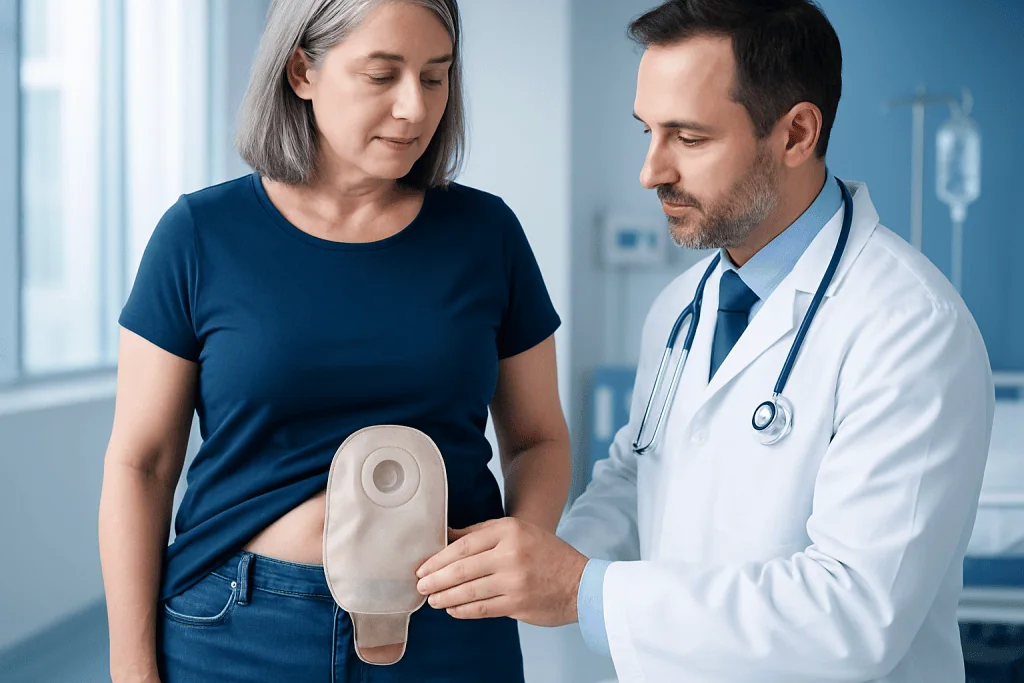
Colostomies are often described by their location in the colon. An ascending or transverse colostomy is usually higher in the large intestine, so stool may be looser and more frequent. A descending or sigmoid colostomy is lower in the colon, which often means stool is more formed and output may be less frequent. The type of colostomy can affect the style of pouching system, skin care needs, and diet advice.
Pouch systems are typically either one-piece or two-piece. In a one-piece system, the adhesive barrier and pouch are combined. In a two-piece system, the skin barrier stays on the body and the pouch attaches separately. Some bags are closed-end and are changed after use, while others are drainable and emptied as needed.
The skin barrier, also called a wafer or flange, is one of the most important parts of the system. It protects the skin around the stoma from stool and moisture. A well-fitted barrier reduces leaks and helps keep the skin healthy. The opening should match the size and shape of the stoma without pressing too tightly on it.
Patients may also hear the word ostomy, which is a broad term that includes colostomy, ileostomy, and urostomy. A colostomy specifically involves the colon. This differs from an ileostomy, where the small intestine is brought to the abdominal surface and the output is usually more liquid and more frequent.
Who may need a colostomy bag

A colostomy bag is most often needed after surgery that changes the route of the bowel. One common reason is surgery for colon cancer or rectal cancer, especially when the lower bowel must be removed or protected while it heals. Other reasons include bowel perforation, trauma, severe infection, fistulas, inflammatory bowel disease, or a blockage that cannot be managed safely in another way.
Some colostomies are created as part of emergency surgery. For example, if the bowel is severely inflamed, injured, or blocked, a surgeon may divert stool to protect the area and reduce the risk of serious complications. In planned surgery, a colostomy may be discussed ahead of time so the patient can prepare emotionally and practically.
In children, a colostomy may be used for certain congenital conditions that affect the intestines or anus. In adults, it may also be used when other pelvic or abdominal diseases affect normal bowel function. The exact reason matters because it helps determine whether the colostomy is likely to be temporary or permanent.
When a colostomy is part of cancer care, treatment may also involve colon cancer treatment or colorectal cancer treatment before or after surgery. The broader care plan depends on the underlying condition, the extent of surgery, and the person’s overall health.
Daily care, hygiene, and living with a colostomy bag
Daily colostomy care focuses on three main goals: keeping the pouch secure, protecting the skin, and staying comfortable during normal activities. Most people empty a drainable bag when it is partly full rather than waiting until it becomes heavy. The full pouch is usually changed on a regular schedule, but timing can vary depending on the system, the type of output, and the condition of the skin.
The skin around the stoma should be cleaned gently with warm water and dried well before a new barrier is applied. Harsh soaps, oily products, or products with heavy fragrance can interfere with adhesion and may irritate the skin. The stoma itself is moist and pink or red in appearance, similar to the inside of the mouth, and it may bleed slightly if rubbed because it has a rich blood supply.
Clothing, travel, work, exercise, and social activities are usually still possible with a colostomy bag. Many people prefer clothing that does not press tightly across the stoma, especially during recovery. Supplies can be packed discreetly for school, work, or travel. Over time, routine care often becomes quicker and more predictable.
Emotional adjustment is also part of recovery. Body image concerns, fear of odor, or worry about intimacy are common and understandable. Speaking with a stoma nurse, support group, counselor, or surgeon can be helpful. Practical guidance often reduces anxiety because many day-to-day concerns have manageable solutions.
- Empty the bag before it becomes too full.
- Check the skin barrier fit regularly, especially if the stoma changes size after surgery.
- Watch for itching, burning, or leaking, which can signal skin problems.
- Keep spare supplies available at home and when away from home.
Diet, gas, odor, and common day-to-day concerns
There is no single colostomy diet that suits everyone, but many patients benefit from reintroducing foods gradually after surgery. This helps identify foods that increase gas, odor, looseness, or constipation. In the early recovery period, a clinician may recommend simpler foods until bowel function becomes more regular.
Hydration is important, especially if stool is loose or output is more frequent. Some foods may increase gas, while others may thicken stool. Individual responses vary, so food tracking can be useful. Eating regular meals, chewing well, and staying hydrated may improve comfort and reduce unexpected changes in output.
Odor is a common worry, but modern pouches usually contain it well when they fit properly. Odor is most noticeable when the pouch is emptied or changed. Some people notice that certain foods increase odor more than others. If odor becomes persistent despite good pouch care, it may be worth discussing with a stoma nurse or doctor.
Constipation can also occur in people with a colostomy, especially if fluid intake is low, activity is reduced, or the diet changes significantly. On the other hand, very loose output may follow infection, medication changes, or dietary triggers. New or sustained changes in bowel pattern should be reviewed if they are marked, troublesome, or accompanied by pain.
Possible complications and how doctors evaluate problems
Many people manage a colostomy without major problems, but complications can happen. The most common issues are skin irritation, leaking, poor pouch fit, and discomfort around the stoma. Skin problems often develop when stool repeatedly contacts the skin or when the barrier opening is cut too large. A stoma nurse can often correct these issues with pouch refitting and skin protection strategies.
Other complications include retraction of the stoma below skin level, prolapse where the stoma extends outward more than expected, narrowing of the stoma, hernia near the stoma, bleeding, or blockage. A blockage may cause cramping, swelling of the stoma, reduced output, nausea, or vomiting. These symptoms need prompt medical advice.
Doctors evaluate colostomy concerns by reviewing symptoms, examining the stoma and surrounding skin, and assessing the patient’s surgical history. In some cases, blood tests, imaging, or endoscopic evaluation may be needed to understand pain, bleeding, or a change in bowel function. If the underlying disease is active, treatment may focus not only on the pouch but also on the bowel condition itself.
When surgery is needed to create, revise, or reverse a colostomy, care may involve colorectal surgery. In selected situations, the care team may also coordinate with specialists in gastroenterology to evaluate digestive symptoms and long-term bowel health.
Treatment planning, follow-up, and longer-term outlook
The treatment plan for someone with a colostomy depends first on why the colostomy was created. If it is temporary, follow-up focuses on healing, nutrition, bowel recovery, and whether reversal is safe. If it is permanent, care focuses on building confidence with stoma management, preventing complications, and maintaining quality of life over time.
Follow-up visits often include review of stoma size and shape, pouch fit, skin health, output pattern, and any concerns about diet or activity. In the weeks after surgery, the stoma often changes size as swelling settles, so the barrier opening may need adjustment. Ongoing access to a stoma nurse is valuable because small technique changes can make a large difference in comfort.
People who have a colostomy because of cancer, inflammatory bowel disease, or other chronic conditions may need long-term monitoring for the underlying illness as well. This can include imaging, endoscopy, blood tests, or oncology follow-up, depending on the diagnosis. A coordinated team approach is often helpful because stoma care is only one part of the bigger medical picture.
Near the end of treatment planning, some patients also seek care across borders for complex bowel surgery or multidisciplinary review. Acibadem International’s multidisciplinary specialists and JCI-accredited hospitals diagnose and treat colostomy-related conditions for international patients, with care tailored to the underlying disease and recovery needs.
When to seek medical care
Medical advice is important if there is severe pain, repeated leaking despite proper technique, rapidly worsening skin irritation, or a significant change in the stoma’s appearance. A healthy stoma is usually pink or red and moist. A stoma that becomes dark, pale, very swollen, or suddenly stops producing output may need urgent assessment.
Patients should also contact a doctor if they have nausea, vomiting, cramping, abdominal swelling, fever, persistent bleeding, or signs of dehydration. These symptoms can suggest a blockage, infection, or another complication that should not be managed at home without guidance. Any symptom that feels new, severe, or worrying deserves professional review.
For non-urgent concerns, a stoma nurse can often help with pouch fitting, skin protection, odor concerns, and practical day-to-day adjustments. Early support may prevent a small problem from becoming more difficult. It is usually best not to wait until the skin is badly damaged or leaks become frequent before asking for help.
Frequently asked questions
What does a colostomy bag do?
A colostomy bag collects stool from a stoma after the colon has been surgically diverted to the abdominal wall. It allows waste to leave the body safely when the lower bowel cannot be used in the usual way.
Is a colostomy always permanent?
No. Some colostomies are temporary and are created to protect the bowel while it heals after surgery, infection, or injury. Others are permanent if the rectum, anus, or lower colon cannot be restored safely.
Can a person live normally with a colostomy bag?
Many people return to work, travel, exercise, and social activities after recovery. It often takes practice and support to build confidence, but a colostomy does not automatically prevent an active and independent life.
How often does a colostomy bag need to be changed?
The timing depends on the type of pouch system, the consistency of stool, skin condition, and personal routine. Many people empty the pouch when it is partly full and change the system on a regular schedule recommended by their stoma nurse or clinician.
What foods should be avoided with a colostomy?
There is no universal list of forbidden foods, because tolerance varies from person to person. Some foods may increase gas, odor, constipation, or loose stool, so gradual reintroduction and keeping track of individual triggers can help.
What should the stoma look like?
A stoma is usually pink or red, moist, and slightly raised above the skin. It should not appear black, gray, or unusually pale, and major swelling, heavy bleeding, or sudden changes should be reviewed by a doctor.
References
- American Cancer Society
- National Institute of Diabetes and Digestive and Kidney Diseases
- United Ostomy Associations of America
- National Health Service
- American Society of Colon and Rectal Surgeons
This article is for general information only and is not a substitute for professional medical advice. Please consult a qualified doctor about your individual situation.
Persistent digestive symptoms? Get evaluated in Turkey
JCI-accredited · board-certified surgeons · reply within 24h
Add us as a Preferred Source to see more of our trusted health content across Google Search, AI Overviews and Discover.