Condom Broke: What Patients Need to Know

If a condom breaks during sex, stop and replace it right away if continuing. Pregnancy risk is possible if semen entered the vagina, especially around ovulation.
Key Takeaways
- If a condom breaks during sex, stop and replace it right away if continuing.
- Pregnancy risk is possible if semen entered the vagina, especially around ovulation.
- STI risk depends on the type of sex, exposure to fluids, and the partner’s infection status.
- Emergency contraception works best as soon as possible after unprotected vaginal sex.
- A doctor may advise STI testing or HIV PEP if the exposure was recent and risk is significant.
- Do not douche or use harsh cleansers; gentle washing of external skin is enough.
If a condom broke, the next steps depend on when it happened, whether there was ejaculation, and the risk of pregnancy or sexually transmitted infection. In many cases, prompt action can lower risk, including replacing the condom, considering emergency contraception, and seeking medical advice about STI testing or HIV post-exposure treatment.
Overview: what a broken condom means
If a condom broke, slipped off, or leaked during sex, there may have been partial loss of protection against pregnancy and sexually transmitted infections (STIs). The immediate response is usually simple: stop, withdraw, and use a new condom if sex will continue. What matters next is the type of sex, whether semen or vaginal fluids were exchanged, and how long ago the exposure happened.
A broken condom does not automatically mean pregnancy or infection will occur. Risk varies from person to person and situation to situation. Vaginal sex mainly raises concern about pregnancy and STIs, while anal and oral sex mainly raise concern about STIs. Quick, informed steps can reduce the chance of complications and help patients decide whether they need testing, treatment, or reassurance.
Many people feel embarrassed or anxious after a condom problem, but this is a common sexual health issue. Medical care is confidential, and clinicians are used to helping patients assess risk in a practical, nonjudgmental way.
What to do right away
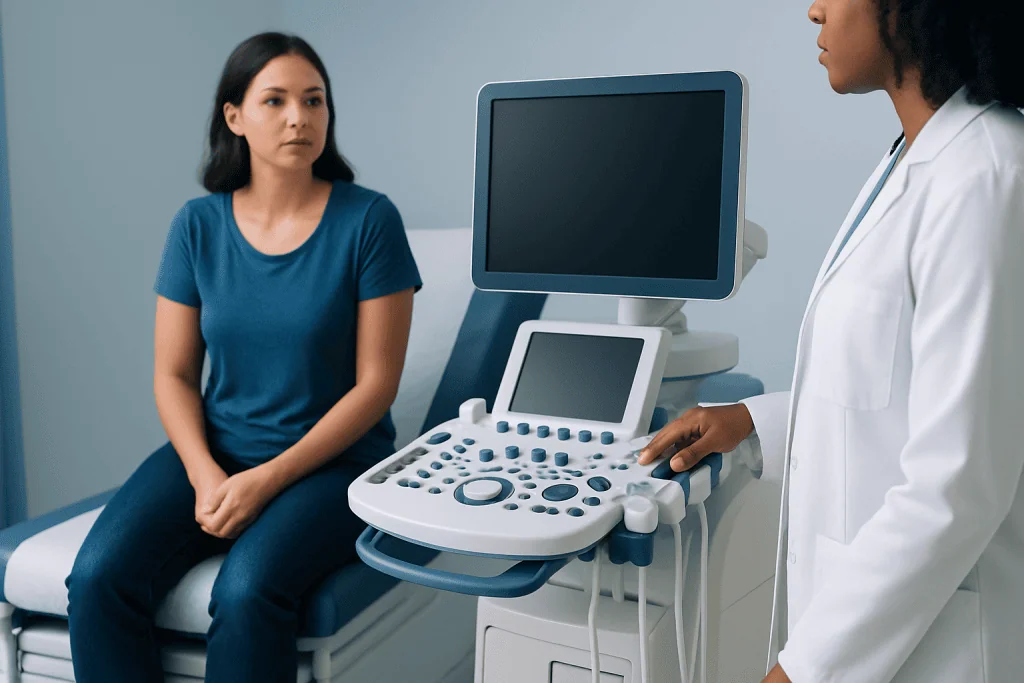
The first step is to stop sexual activity as soon as the condom problem is noticed. If the condom is visibly torn, has rolled up, slipped off, or semen is found outside the tip, it should be treated as a loss of protection. If sex continues, a new condom should be used correctly from start to finish.
It is usually helpful to note a few details: when the condom broke, whether there was ejaculation, what type of sex occurred, and whether the partner may have an STI. These details guide decisions about pregnancy prevention, STI testing, and whether urgent treatment such as HIV post-exposure prophylaxis is needed.
Patients should avoid douching, using antiseptics internally, or trying home remedies to “clean out” the body. These steps do not prevent pregnancy or STIs and may irritate delicate tissues. Gentle washing of the external genital area with water is enough.
- Stop sex and remove the damaged condom.
- Use a new condom if continuing.
- Check whether semen or bodily fluids may have entered the vagina, rectum, or mouth.
- Consider emergency contraception after unprotected vaginal sex.
- Seek medical advice promptly if STI exposure or HIV risk is possible.
Pregnancy risk and emergency contraception
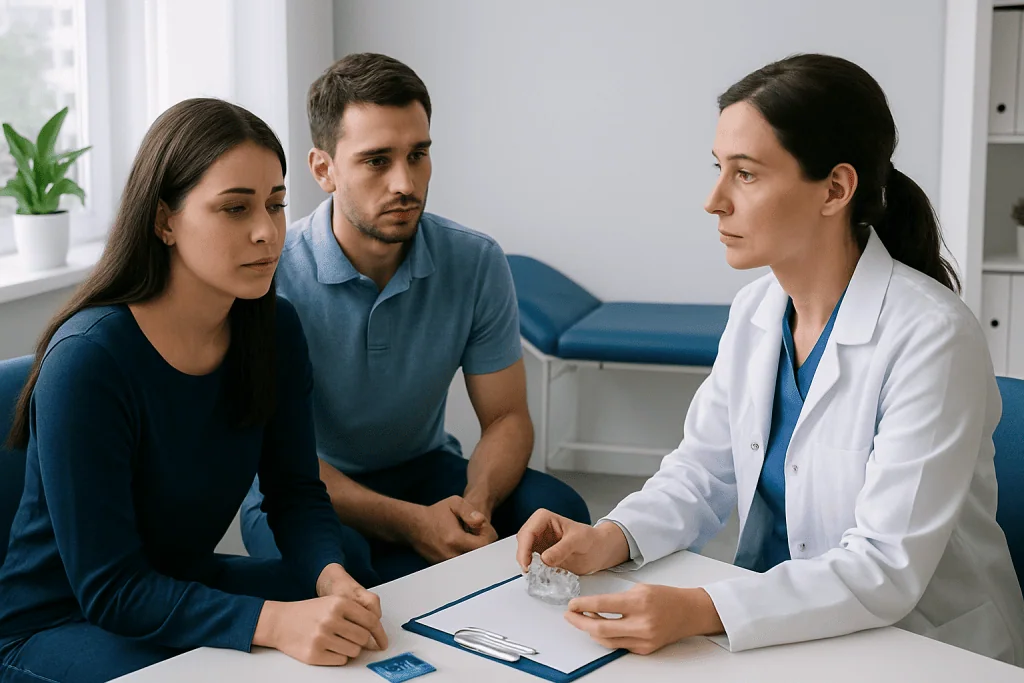
Pregnancy is only a concern after vaginal sex involving sperm exposure. The risk may be higher if ejaculation happened in or near the vagina, if the condom broke before withdrawal, or if sex occurred close to ovulation. Even without ejaculation, pre-ejaculate may contain sperm in some cases, so pregnancy cannot be completely ruled out.
Emergency contraception can lower the chance of pregnancy after a condom break. It works best as soon as possible and may still help within a limited time window depending on the method used. A doctor or pharmacist can explain which option is most suitable, especially if there are factors such as body weight, medication use, or uncertainty about timing.
If a menstrual period is late, lighter or heavier than usual, or pregnancy symptoms develop, a home pregnancy test may be appropriate. Testing is generally more reliable after a missed period or at the interval recommended on the test. Patients who want specialist care for broader reproductive planning may also be guided to fertility and reproductive medicine services when relevant to their overall needs.
STI exposure: how risk is assessed
A broken condom can increase exposure to STIs such as chlamydia, gonorrhea, syphilis, herpes, hepatitis B, and HIV. The level of risk depends on the type of contact, whether body fluids were exchanged, any known infections in the partner, and whether there were sores, bleeding, or genital symptoms present.
Anal sex generally carries a higher HIV transmission risk than vaginal sex, while oral sex can still transmit some infections even though the risk for HIV is much lower. A patient’s own vaccination status also matters, especially for hepatitis B. If there is concern about a possible infection, clinicians may recommend testing based on the likely exposure rather than testing for everything immediately.
Some infections do not cause symptoms at first. That is why a person can feel well and still benefit from screening after a condom failure. If symptoms such as discharge, burning with urination, pelvic pain, sores, or a rash appear, medical assessment becomes more important. Related conditions that may be discussed include sexually transmitted diseases and, when relevant to symptoms or complications, urinary tract infection.
Testing and time-sensitive treatment
After a condom breaks, some tests are useful right away, while others are more accurate after a waiting period. A doctor may ask about the date of exposure and recommend the best time for urine tests, swabs, blood tests, and repeat testing if needed. This timing matters because testing too early can miss an infection that has not yet become detectable.
One important urgent option is HIV post-exposure prophylaxis, often called PEP. This is a short course of medicine that may reduce the chance of HIV infection after a significant exposure, but it must be started quickly, ideally within hours and generally no later than 72 hours. Patients should seek urgent medical advice if the partner is known to have HIV, has unknown status with higher risk factors, or if the exposure involved anal sex, blood, or visible genital injury.
If symptoms suggest an active infection, a clinician may advise targeted treatment or referral for infectious diseases care. In some cases, blood tests or imaging are not needed, but when pelvic pain, fever, or unusual bleeding are present, further evaluation may be appropriate to rule out complications.
Why condoms break and how to reduce the chance next time
Condoms may break for several preventable reasons. Common causes include using an expired condom, opening the packet with teeth or sharp objects, not leaving room at the tip, using the wrong size, or exposing condoms to heat and friction during storage. Oil-based products can also weaken latex condoms and increase the chance of tearing.
Using enough compatible lubricant can help, especially for anal sex, where friction is higher. Water-based or silicone-based lubricants are generally safe with latex condoms. A condom should be put on before any genital contact, rolled on fully, and held at the base during withdrawal to reduce slipping.
Patients with repeated condom failures may benefit from a review of technique rather than simply changing brands at random. For some, counseling through a urology service or general sexual health consultation may help if anatomical concerns, erection difficulties, or recurrent irritation are contributing to the problem.
- Check the expiry date and packet condition.
- Store condoms away from heat, sunlight, and sharp objects.
- Use the correct size and put it on before contact begins.
- Leave space at the tip and squeeze out trapped air.
- Use water-based or silicone-based lubricant with latex condoms.
- Use a new condom every time and for each sex act.
When to seek medical care
Medical care is recommended soon after a condom breaks if pregnancy prevention is needed, if there may have been exposure to HIV, or if the partner has a known or suspected STI. It is also reasonable to speak to a clinician if the patient is unsure how much risk there was. Prompt advice can be especially important in the first hours to days after exposure.
Patients should seek urgent assessment if there is severe pelvic or abdominal pain, fever, genital sores, heavy bleeding, rectal pain, or symptoms that feel rapidly worse. Ongoing symptoms such as discharge, burning with urination, a new rash, or missed periods also deserve medical review.
For international patients who need coordinated assessment, Acibadem International’s multidisciplinary specialists and JCI-accredited hospitals provide diagnosis and treatment across sexual health, gynecology, and related services, including gynecology care when appropriate.
Talking with a partner and planning follow-up
After a condom failure, open communication can make the next steps easier. It may help to discuss whether ejaculation occurred, whether either partner has symptoms, and whether either person has had recent STI testing. Honest information allows better decisions about emergency contraception, HIV PEP, and follow-up screening.
Some patients may benefit from arranging a check-in with a doctor even if they feel well. This can provide tailored advice about testing windows, repeat pregnancy testing, vaccines, and safer-sex strategies. If anxiety about the event is affecting sleep, relationships, or confidence, reassurance from a qualified professional can also be useful.
Follow-up is not only about looking for problems. It can also be a chance to improve prevention, whether that means learning better condom technique, choosing a different condom material, discussing regular STI screening, or considering additional contraception if pregnancy prevention is a priority.
Frequently asked questions
Can someone get pregnant if a condom broke but there was no ejaculation?
Yes, pregnancy is still possible, although the risk is usually lower than if ejaculation occurred. Pre-ejaculate may contain sperm in some situations, so emergency contraception may still be worth discussing after unprotected vaginal sex.
How soon should emergency contraception be taken after a condom breaks?
As soon as possible is best. Different methods have different time limits, so a pharmacist or doctor can help choose the most suitable option based on timing and personal factors.
Should a person get tested for STIs immediately after a broken condom?
Sometimes yes, but not every test is accurate right away. A clinician may recommend an initial assessment now and then advise the best timing for urine, swab, or blood tests so results are more reliable.
When is HIV PEP needed after a condom breaks?
HIV PEP may be considered when the exposure has a meaningful HIV risk, such as certain vaginal or anal exposures with a partner who has HIV or whose status is unknown and high risk. It needs urgent medical attention because it should be started quickly, generally within 72 hours.
Is it helpful to wash inside the vagina or rectum after a condom breaks?
No. Douching or internal washing does not prevent pregnancy or infection and may irritate tissues. Gentle external washing with water is enough while the person seeks medical advice if needed.
What if the condom slipped off and stayed inside the vagina?
It should be removed gently as soon as possible if it can be reached comfortably. If it cannot be removed easily, or if there is pain or concern about retained material, a clinician should remove it.
References
- Centers for Disease Control and Prevention
- World Health Organization
- American College of Obstetricians and Gynecologists
- NHS
- Office on Women's Health
This article is for general information only and is not a substitute for professional medical advice. Please consult a qualified doctor about your individual situation.
Explore treatments in Turkey — costs, top hospitals & a free quote
JCI-accredited · board-certified surgeons · reply within 24h
Add us as a Preferred Source to see more of our trusted health content across Google Search, AI Overviews and Discover.
Check your numbers in seconds
BMI, calories, due date, blood pressure and 30+ more clinical calculators — free, instant, doctor-reviewed ranges.