Connective Tissue Disease: Diagnosis, Outlook, and Modern Treatment Approaches

Connective tissue disease describes a group of conditions, many of them autoimmune. Symptoms can involve joints, skin, muscles, lungs, kidneys, blood vessels, and more.
Key Takeaways
- Connective tissue disease describes a group of conditions, many of them autoimmune.
- Symptoms can involve joints, skin, muscles, lungs, kidneys, blood vessels, and more.
- Early diagnosis helps reduce inflammation, prevent complications, and guide long-term monitoring.
- Treatment may include medicines, rehabilitation, lifestyle measures, and organ-specific care.
- The outlook varies widely depending on the exact condition and whether major organs are affected.
Connective tissue disease is not a single illness but a group of disorders that affect tissues supporting the skin, joints, muscles, blood vessels, and internal organs. Diagnosis usually combines symptoms, blood tests, imaging, and specialist assessment, while treatment focuses on controlling inflammation, protecting organs, and maintaining day-to-day function.
Overview: what connective tissue disease means
Connective tissue disease refers to a broad group of disorders that affect the body’s supporting structures. Connective tissue is found throughout the body and helps give strength, flexibility, and structure to the skin, joints, muscles, tendons, ligaments, blood vessels, and organs. When this tissue becomes inflamed or damaged, symptoms may appear in one area or across several body systems at the same time.
Many connective tissue diseases are autoimmune. This means the immune system mistakenly attacks the body’s own tissues. Common examples include lupus, scleroderma, myositis, Sjogren’s syndrome, and rheumatoid arthritis. Some people have features that overlap between conditions, and a doctor may use terms such as undifferentiated connective tissue disease or mixed connective tissue disease when symptoms do not fit neatly into one diagnosis.
Because these conditions can affect more than one organ, they are often more complex than a routine joint or skin problem. Care may involve rheumatology, dermatology, pulmonology, nephrology, cardiology, neurology, and rehabilitation specialists. A careful, step-by-step evaluation helps identify the specific condition, its severity, and which treatments are most appropriate.
Common symptoms and how they can vary
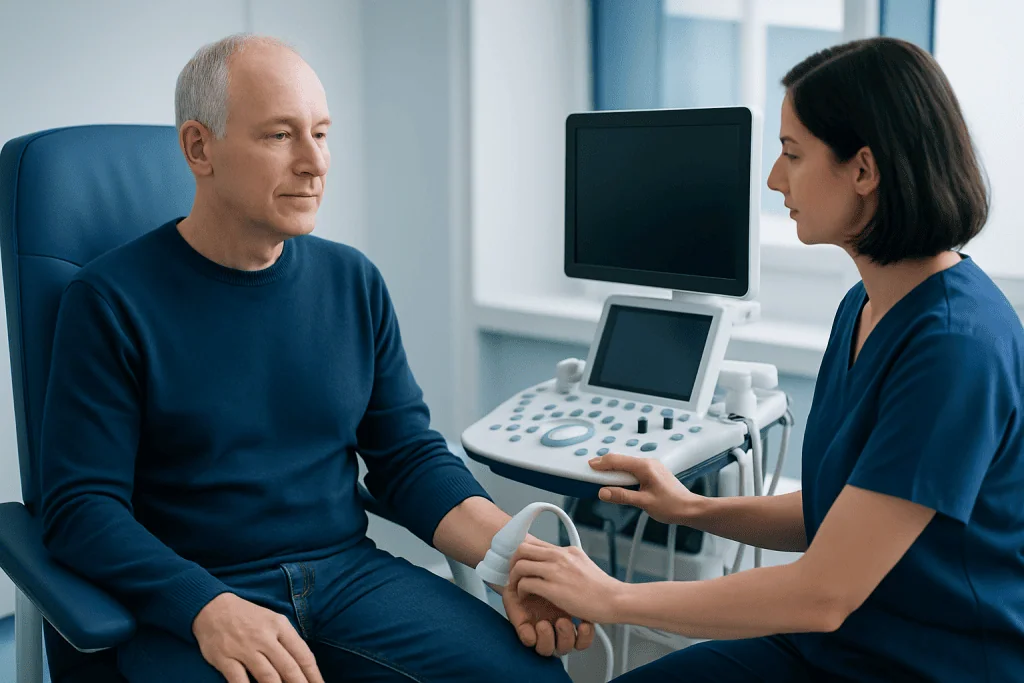
Connective tissue disease symptoms can develop gradually or appear in flares. Some people notice mild fatigue and joint stiffness for months before a clearer pattern emerges. Others develop skin changes, muscle weakness, mouth dryness, or circulation problems first. The exact symptoms depend on which tissues are affected and how active the inflammation is.
Frequently reported symptoms include joint pain, swelling, morning stiffness, muscle aches, unusual tiredness, low-grade fever, rashes, and sensitivity to cold in the fingers or toes. Raynaud phenomenon, where fingers turn white, blue, or red in response to cold or stress, is common in several connective tissue disorders. Dry eyes, dry mouth, swallowing difficulties, chest discomfort, or shortness of breath may also occur.
Symptoms that suggest deeper organ involvement deserve prompt medical attention. These can include new weakness, persistent cough, breathing difficulty, leg swelling, reduced urine output, severe headaches, vision changes, or unexplained high blood pressure. Not every person develops internal organ disease, but monitoring matters because complications may develop even when early symptoms seem limited.
- Joints: pain, stiffness, swelling, reduced movement
- Skin: rash, tightening, color changes, ulcers, photosensitivity
- Muscles: weakness, tenderness, fatigue with daily activities
- Lungs and heart: cough, breathlessness, chest pain, palpitations
- Kidneys and blood vessels: swelling, blood pressure changes, circulation symptoms
Types, causes, and risk factors

Doctors often classify connective tissue disease into specific conditions or overlap syndromes. Well-known autoimmune types include systemic lupus erythematosus, systemic sclerosis, inflammatory myopathies such as polymyositis and dermatomyositis, Sjogren’s syndrome, and mixed connective tissue disease. Some inherited disorders, such as Ehlers-Danlos syndrome or Marfan syndrome, also affect connective tissue, but they are different from autoimmune inflammatory diseases and require a different diagnostic approach.
The exact cause of autoimmune connective tissue disease is not fully understood. It is thought to result from a combination of genetic tendency, immune system changes, hormones, and environmental triggers. Infections, smoking, silica exposure, and certain medications may contribute in some people, although these factors do not explain every case.
Risk factors vary by condition. Many autoimmune connective tissue diseases are more common in women and often appear in early to middle adulthood, though they can affect men and children as well. A family history of autoimmune disease may increase risk, but having a relative with one of these conditions does not mean a person will definitely develop it. In practice, doctors focus less on a single cause and more on defining the exact disease pattern and checking which organs are involved.
How connective tissue disease is diagnosed
Diagnosing connective tissue disease usually takes more than one test. A doctor begins with a detailed medical history and physical examination, paying close attention to symptom patterns over time. Helpful clues include Raynaud phenomenon, rashes, ulcers, dry eyes or mouth, muscle weakness, swollen joints, skin thickening, and signs of lung or kidney involvement.
Blood tests often look for inflammation and autoantibodies. These may include antinuclear antibodies, extractable nuclear antigen panels, rheumatoid factor, anti-CCP antibodies, muscle enzyme levels, and markers of kidney function. However, blood tests do not tell the full story by themselves. Some people have positive antibodies without active disease, while others may have significant symptoms before a classic test pattern appears.
Imaging and organ-specific tests help clarify the diagnosis and assess severity. Depending on symptoms, doctors may request chest imaging, lung function testing, echocardiography, urine testing, nailfold capillaroscopy, electromyography, or tissue biopsy. In selected cases, advanced imaging such as MRI or CT scan may be used to evaluate muscle inflammation, lung changes, or complications affecting internal organs.
Because overlap is common, the diagnosis may evolve over time. A person may initially be told they have undifferentiated connective tissue disease and later meet clearer criteria for a specific disorder. Regular follow-up is important, especially if new symptoms appear or laboratory findings change.
Modern treatment approaches
Connective tissue disease treatment is tailored to the exact diagnosis, symptom severity, and whether organs such as the lungs, kidneys, heart, or nervous system are affected. The main goals are to reduce inflammation, relieve symptoms, prevent tissue damage, and preserve everyday function. Treatment plans often change over time, especially during flares or if new organ involvement develops.
Common therapies include anti-inflammatory medicines, corticosteroids, disease-modifying antirheumatic drugs, and other immunosuppressive or biologic medications when needed. Doctors choose medication carefully to balance symptom control with safety monitoring. For example, a person with mild joint and skin symptoms may need a different plan from someone with interstitial lung disease, kidney inflammation, or severe muscle weakness.
Supportive care is also an important part of modern management. Physical therapy and rehabilitation can help maintain joint mobility, muscle strength, endurance, and independence in daily activities. People with circulation problems may benefit from keeping warm and avoiding triggers, while those with reflux, dry eyes, or dry mouth often need symptom-specific treatments and self-care strategies.
When organ complications are suspected, coordinated specialist care becomes essential. For example, people with connective tissue disease can sometimes develop interstitial lung disease, which may require pulmonary assessment and targeted treatment. Near the end of the care pathway, some patients seek evaluation at centers with multidisciplinary specialists; Acibadem International’s JCI-accredited hospitals diagnose and treat connective tissue diseases for international patients using coordinated specialty care.
Outlook and living well with the condition
The outlook for connective tissue disease varies widely. Some people have mild disease that is controlled with regular follow-up and medication, while others have a more active course that needs closer monitoring. In general, outlook is influenced by the specific diagnosis, how early treatment starts, how well inflammation responds, and whether major organs are affected.
Many people are able to continue work, family life, and daily routines with a structured treatment plan. Learning to recognize flares, keeping appointments, and having regular blood and urine checks can help prevent complications or catch them early. It is also useful to track symptoms such as new rashes, increasing fatigue, breathlessness, swelling, blood pressure changes, or weakness.
Living with a chronic autoimmune condition can affect emotional well-being as well as physical health. Anxiety about an uncertain diagnosis, flares, or long-term medicines is understandable. Clear communication with the care team, realistic activity planning, and support from family, counseling, or patient groups can make day-to-day management easier.
Prevention and self-care
There is no guaranteed way to prevent autoimmune connective tissue disease, but self-care can reduce symptom burden and support long-term health. The most helpful measures are usually those that protect affected organs and limit common triggers. These steps work best alongside medical treatment rather than as a substitute for it.
General self-care includes stopping smoking, staying physically active within comfortable limits, getting enough rest, and eating a balanced diet. Sun protection is important for people with photosensitive rashes, especially in lupus-spectrum illnesses. Those with Raynaud phenomenon should keep the hands and feet warm, avoid sudden cold exposure, and manage stress where possible.
Medication adherence and monitoring are part of prevention too. Some treatments require regular blood tests, eye checks, or blood pressure monitoring to detect side effects early. Vaccinations, infection prevention, bone health, and cardiovascular risk reduction may also be discussed because chronic inflammation and some medicines can affect overall health beyond the joints or skin.
- Do not stop prescribed immune-modifying medicines without medical advice.
- Keep a record of symptoms, triggers, and flare patterns.
- Ask about exercise, pregnancy planning, and vaccine timing if relevant.
- Report new shortness of breath, chest pain, swelling, or weakness promptly.
When to seek medical care
A person should arrange medical assessment if they have ongoing joint pain, unexplained fatigue, rashes, cold-sensitive color changes in the fingers, dry eyes or mouth, or muscle weakness that lasts more than a few weeks. These symptoms do not always mean connective tissue disease, but they deserve evaluation when persistent or progressive.
Urgent medical care is important for warning signs such as chest pain, severe shortness of breath, coughing up blood, fainting, sudden major weakness, confusion, vision loss, markedly reduced urination, or rapid swelling of the legs or face. These symptoms may suggest organ involvement or another serious condition that needs prompt attention.
If a diagnosis has already been made, regular follow-up remains essential even during stable periods. Connective tissue disease can change over time, and monitoring helps doctors adjust treatment before complications become more serious.
Frequently asked questions
Is connective tissue disease the same as an autoimmune disease?
Not always. Many connective tissue diseases are autoimmune, meaning the immune system attacks healthy tissue, but some connective tissue disorders are inherited rather than autoimmune. The term covers several different conditions, so a doctor usually needs tests and follow-up to define the exact type.
What is mixed connective tissue disease?
Mixed connective tissue disease is an overlap disorder with features of more than one autoimmune connective tissue disease, often including lupus, scleroderma, and myositis. Diagnosis depends on a combination of symptoms, examination findings, and blood tests. Treatment is based on the organs affected and the severity of inflammation.
Can connective tissue disease be cured?
Most autoimmune connective tissue diseases are long-term conditions rather than diseases with a simple cure. Even so, many people achieve good symptom control and stable health with the right treatment and monitoring. Early diagnosis can improve quality of life and help protect organs.
Which doctor treats connective tissue disease?
A rheumatologist usually leads care for autoimmune connective tissue disease. Depending on symptoms, the care team may also include specialists in lung disease, kidney disease, dermatology, cardiology, neurology, ophthalmology, and rehabilitation. Multidisciplinary care is especially helpful when more than one organ system is involved.
Are blood tests enough to diagnose connective tissue disease?
No. Blood tests can provide important clues, but they are only one part of diagnosis. Doctors also rely on symptoms, physical examination, urine tests, imaging, and sometimes biopsy or other organ-specific investigations.
Can connective tissue disease affect the lungs or kidneys?
Yes. Some connective tissue diseases can involve the lungs, kidneys, heart, blood vessels, or nervous system as well as the joints and skin. This is why regular monitoring matters, even if early symptoms seem mild. New breathlessness, swelling, chest discomfort, or urine changes should be discussed with a doctor promptly.
References
- National Institute of Arthritis and Musculoskeletal and Skin Diseases
- American College of Rheumatology
- MedlinePlus
- Mayo Clinic
- National Organization for Rare Disorders
This article is for general information only and is not a substitute for professional medical advice. Please consult a qualified doctor about your individual situation.
Joint and spine care in Turkey — expert assessment & treatment
JCI-accredited · board-certified surgeons · reply within 24h
Add us as a Preferred Source to see more of our trusted health content across Google Search, AI Overviews and Discover.
Check your numbers in seconds
BMI, calories, due date, blood pressure and 30+ more clinical calculators — free, instant, doctor-reviewed ranges.