Can You Run Out of Sperm? Causes, Explanations, and Next Steps

Most men do not permanently run out of sperm because the testicles usually produce sperm continuously. Frequent ejaculation can temporarily lower semen volume and sperm concentration, but this is often normal.
Key Takeaways
- Most men do not permanently run out of sperm because the testicles usually produce sperm continuously.
- Frequent ejaculation can temporarily lower semen volume and sperm concentration, but this is often normal.
- Very low or absent sperm in semen may be linked to hormone problems, blockages, medications, heat exposure, or testicular conditions.
- Red flags include infertility, pain, swelling, blood in semen, sexual dysfunction, or a sudden lasting change in ejaculation.
- Doctors may use history, physical exam, semen analysis, hormone tests, and imaging to find the cause.
- Many causes are manageable, and treatment depends on whether the issue involves production, transport, or ejaculation.
In most cases, a person does not permanently “run out” of sperm. The body usually keeps making sperm throughout adult life, but timing, health conditions, hormone changes, or a blockage can affect semen volume, sperm count, or fertility.
Overview: can someone really run out of sperm?
Usually, no. Most men do not permanently run out of sperm because sperm is produced on an ongoing basis in the testicles. If ejaculation seems smaller than usual, less forceful, or temporarily “empty,” that often reflects normal variation, recent ejaculation, hydration, age-related changes, or a temporary shift in sperm concentration rather than the body stopping sperm production altogether.
What people often notice is not a total absence of sperm, but a change in semen volume, semen thickness, or fertility potential. Semen is the fluid released during ejaculation, and sperm makes up only a small part of it. A person can produce semen with very few sperm, no sperm, or a lower-than-usual sperm concentration, depending on the underlying situation.
That said, some medical conditions can reduce sperm production or block sperm from entering the semen. Others affect ejaculation itself, such as retrograde ejaculation, where semen moves backward into the bladder instead of out through the penis. These conditions deserve medical review, especially if a person is trying to conceive or has other symptoms.
A reassuring first step is to remember that occasional changes are common. The next step is to pay attention to persistent changes, especially if they come with pain, swelling, erectile problems, reduced libido, or difficulty achieving pregnancy.
What is normal, and what changes might be noticed?
Sperm production happens in the testicles, while semen is created by several glands, including the seminal vesicles and prostate. Because semen contains fluids from multiple sources, a person may notice a reduced ejaculate volume even when sperm production is still happening. In other words, less fluid does not automatically mean no sperm.
Normal variation can occur from day to day. Ejaculating several times within a short period often leads to lower semen volume with subsequent ejaculations. Stress, dehydration, poor sleep, alcohol use, fever, and illness can also temporarily affect what is seen.
Changes that may prompt questions include:
- Lower semen volume than usual
- Longer time needed between ejaculations to produce more fluid
- Thinner or thicker semen
- Dry orgasm, meaning orgasm with little or no fluid
- Difficulty conceiving despite regular unprotected intercourse
A lasting change does not always mean a serious problem, but it can help a doctor decide whether the issue is related to sperm production, semen transport, ejaculation, hormones, or another health condition.
Why sperm or semen may seem reduced

The most common explanation is timing. After ejaculation, the body needs time to replenish semen volume and mature sperm cells. Frequent ejaculation may temporarily lower the amount of semen released and may reduce sperm concentration in a sample, but this does not mean the body has permanently run out.
Age can also play a role. Many men continue making sperm throughout life, but semen volume, sperm movement, and overall fertility may gradually change with age. Lifestyle factors such as smoking, excessive alcohol use, recreational drugs, obesity, overheating of the testicles, and chronic stress may also reduce sperm quality over time.
Some medical explanations are more specific. Azoospermia means no sperm are found in the semen, while oligospermia means a low sperm count. This can happen because the testicles are not producing enough sperm, because sperm are blocked from reaching the semen, or because ejaculation is affected. Relevant conditions may include azoospermia and male infertility.
Hormone imbalance, prior infections, varicocele, genetic conditions, undescended testicles, testicular injury, prostate or pelvic surgery, and certain medications can all contribute. Sometimes semen is still released, but with few or no sperm present; in other cases, semen volume itself is reduced.
Possible medical causes and risk factors
Doctors often divide causes into three groups: reduced sperm production, blockage of sperm transport, and problems with ejaculation. Reduced production can be linked to testicular conditions, low testosterone, pituitary disorders, past chemotherapy or radiation, severe illness, or fever. A blockage can occur in the epididymis, vas deferens, or ejaculatory ducts, preventing sperm from mixing with semen.
Problems with ejaculation may include retrograde ejaculation, nerve injury, diabetes-related nerve damage, or side effects of medications used for blood pressure, mental health conditions, or prostate symptoms. In these situations, orgasm may still occur, but little or no semen may come out. Some men also notice cloudy urine after ejaculation, which can suggest semen has entered the bladder.
Risk factors that may affect sperm health include:
- Smoking or vaping nicotine
- Heavy alcohol use or recreational drugs
- Obesity and metabolic disease
- Frequent exposure to heat, such as hot tubs or saunas
- Occupational chemical exposure
- Past sexually transmitted infections or genital infections
- Prior surgery in the groin, pelvis, testicles, or prostate
Many of these causes are treatable or manageable. The key is identifying whether the issue is temporary and harmless, or whether it reflects a fertility or urologic problem that should be evaluated.
How doctors evaluate low semen volume or absent sperm
A doctor usually starts by asking about timing, frequency of ejaculation, fertility goals, medications, surgeries, and symptoms such as pain, swelling, erectile dysfunction, low libido, or urinary changes. This history often gives important clues. For example, a sudden change after surgery or a new medication may point toward an ejaculation problem rather than a sperm production problem.
A physical exam may include the testicles, scrotum, penis, and sometimes the prostate. The doctor may look for signs of varicocele, testicular size changes, blockage, or hormone-related changes such as reduced body hair or breast tissue enlargement. If fertility is a concern, semen analysis is a key test and may need to be repeated because results can vary from one sample to another.
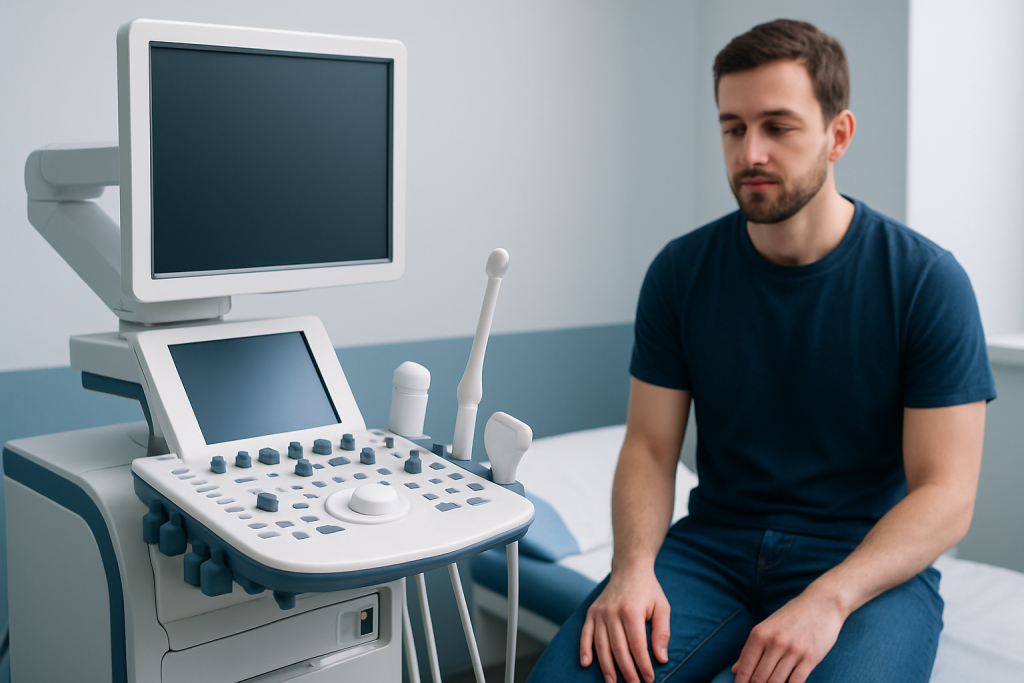
Additional tests may include hormone blood tests, genetic testing in selected cases, urine testing after ejaculation, and ultrasound imaging of the scrotum or reproductive tract. Depending on the findings, the doctor may assess conditions such as varicocele or recommend specialized fertility evaluation.
If a person is trying to conceive, referral to a urologist or reproductive specialist may be helpful. In some cases, advanced approaches such as IVF or micro-TESE are considered when sperm are very limited or absent in the semen, but this depends on the diagnosis and the couple’s goals.
Treatment options and what happens next
Treatment depends on the cause. If the issue is frequent ejaculation, dehydration, stress, or a recent illness, no medical treatment may be needed beyond time and self-care. If medication side effects are suspected, a doctor may review alternatives, but changes should not be made without professional guidance.
Hormone-related causes may require endocrine evaluation. Blockages or varicocele may sometimes be treated with procedures or surgery. If ejaculation is affected, treatment focuses on the underlying reason, such as diabetes management, medication review, or targeted therapy for retrograde ejaculation.
When fertility is the main concern, treatment may include timed intercourse advice, management of reversible causes, or assisted reproductive techniques. In selected cases, sperm can be retrieved directly from the testicle and used in fertility treatment, such as ICSI, if appropriate.
For international patients who need evaluation or fertility care, Acibadem International’s multidisciplinary specialists and JCI-accredited hospitals diagnose and treat male reproductive conditions using urology, endocrinology, and assisted reproduction expertise.
Prevention and self-care for sperm health
Not every cause can be prevented, but everyday habits can support sperm health and overall reproductive function. A balanced diet, regular exercise, healthy weight, and adequate sleep all help general hormonal and metabolic health. Avoiding tobacco, limiting alcohol, and avoiding recreational drugs may also improve fertility potential.
Protecting the testicles from excessive heat may be useful, especially for people already concerned about fertility. This does not mean normal daily activities must be avoided, but repeated high-heat exposure from hot tubs, saunas, or certain work settings may be worth discussing with a doctor if semen results are abnormal.
Other practical steps include reviewing long-term medications with a clinician, treating chronic conditions such as diabetes, and seeking prompt care for sexually transmitted infections or genital pain. People trying to conceive should remember that sperm production takes time, so changes in lifestyle may not be reflected immediately.
Most importantly, self-observation should be calm and practical. A single episode of low volume or a temporary change after frequent ejaculation is often harmless. Persistent changes, however, deserve proper evaluation rather than guesswork.
When to seek medical care
Medical review is a good idea if low semen volume, dry orgasm, or concern about absent sperm lasts for several weeks, keeps happening, or affects fertility. This is especially important if a couple has been trying to conceive without success, or if there is a known history of testicular injury, surgery, chemotherapy, radiation, or genital infection.
A person should also seek care sooner if symptoms come with pain, a lump, swelling, blood in semen, fever, erectile dysfunction, reduced sexual desire, or urinary problems. These signs do not always mean a serious condition, but they can point to infection, hormonal imbalance, blockage, or another issue that should not be ignored.
Urgent medical attention is appropriate for sudden severe testicular pain, major swelling, or trauma. These can signal conditions that need prompt treatment to protect testicular health.
Overall, the question is usually not whether someone has permanently run out of sperm, but why ejaculation or fertility seems different than usual. A clear diagnosis can be reassuring and helps guide the right next step.
Frequently asked questions
Can frequent ejaculation make you run out of sperm?
Frequent ejaculation can temporarily lower semen volume and reduce sperm concentration in the next sample. However, it does not usually mean the body has permanently run out of sperm, because sperm production continues over time.
Is low semen volume the same as low sperm count?
No. Semen volume and sperm count are related but not the same thing. A person can have low semen volume with some sperm present, or normal-looking semen with a low sperm count that is only found on testing.
What does it mean if there is no semen during orgasm?
This is sometimes called a dry orgasm. It can happen because of retrograde ejaculation, prior surgery, nerve problems, medication effects, or reduced semen production, and it should be discussed with a doctor if it persists.
Can stress reduce sperm or semen?
Stress can affect hormones, sexual function, and general health, which may influence semen quality or ejaculation. It is not usually the only cause, but it can contribute, especially when combined with poor sleep or illness.
Does age cause men to stop making sperm completely?
Most men continue producing sperm throughout adult life. Fertility may gradually decline with age, and semen volume or sperm quality may change, but complete loss of sperm production is not an expected part of normal aging.
How is absent sperm in semen diagnosed?
Doctors usually begin with semen analysis, often repeated to confirm the finding. Blood tests, physical examination, imaging, and sometimes genetic testing help determine whether the cause is low production, a blockage, or an ejaculation problem.
References
- American Urological Association
- American Society for Reproductive Medicine
- National Institute of Child Health and Human Development
- Urology Care Foundation
- Mayo Clinic
This article is for general information only and is not a substitute for professional medical advice. Please consult a qualified doctor about your individual situation.
IVF & fertility treatment in Turkey — success rates and costs
JCI-accredited · board-certified surgeons · reply within 24h
Add us as a Preferred Source to see more of our trusted health content across Google Search, AI Overviews and Discover.
Check your numbers in seconds
BMI, calories, due date, blood pressure and 30+ more clinical calculators — free, instant, doctor-reviewed ranges.