Conversion Disorder: Early Signs, Risk Factors, and How It Is Treated
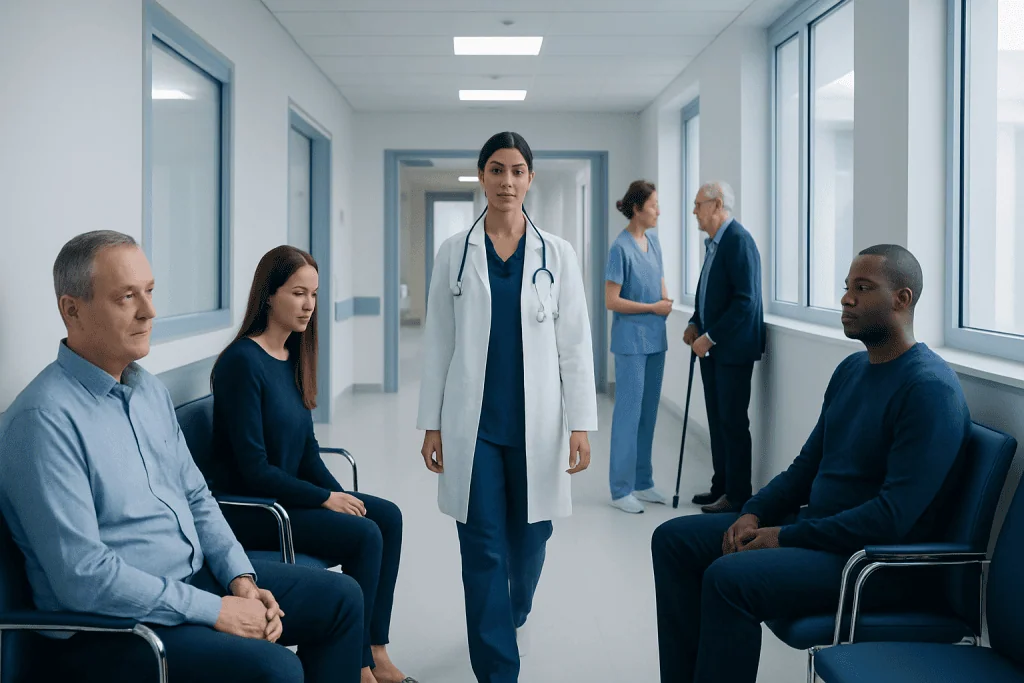
Conversion disorder causes genuine symptoms and is not intentional or “made up.” Common early signs include weakness, tremor, gait changes, numbness, speech difficulty, or seizure-like episodes.
Key Takeaways
- Conversion disorder causes genuine symptoms and is not intentional or “made up.”
- Common early signs include weakness, tremor, gait changes, numbness, speech difficulty, or seizure-like episodes.
- Diagnosis is based on positive clinical features and appropriate testing to rule out other neurological conditions.
- Treatment often combines education, psychological therapy, physical rehabilitation, and management of stress or related conditions.
- Prompt medical assessment is important, especially for new neurologic symptoms or possible seizures.
Conversion disorder is a condition in which a person develops real symptoms that affect movement, sensation, speech, or episodes that resemble seizures, even though standard tests do not show a structural neurological disease causing them. Early recognition, a respectful diagnosis, and coordinated care can help reduce symptoms and improve daily functioning.
Overview
Conversion disorder, now often included under the broader term functional neurological disorder, is a condition in which the brain has difficulty sending or receiving signals in the usual way. This can lead to symptoms that look similar to those seen in neurological illnesses, such as weakness, abnormal movements, numbness, speech changes, or seizure-like episodes. The symptoms are real, can be distressing, and may interfere with work, school, mobility, or relationships.
Importantly, conversion disorder does not mean that a person is pretending or choosing the symptoms. Instead, it reflects a problem in nervous system functioning rather than clear structural damage to the brain, spinal cord, or nerves on standard tests. Many people feel relieved when this is explained clearly, because they may have been worried that the symptoms were being dismissed.
Modern care focuses on identifying positive clinical signs of functional symptoms, explaining the diagnosis respectfully, and building a treatment plan around symptom recovery. Because symptoms can overlap with other disorders, careful medical evaluation is essential. In some cases, doctors may also assess for related conditions such as epilepsy or movement problems that need separate treatment.
Early Signs and Symptoms

Early signs of conversion disorder can appear suddenly after stress, illness, injury, or a frightening event, but they may also develop gradually without a clear trigger. Symptoms often affect voluntary movement or sensation. Some people notice that one limb feels weak or heavy, walking becomes unsteady, or the voice changes. Others experience numbness, tingling, blurred vision, or episodes of unresponsiveness that resemble seizures.
Symptoms vary widely from person to person. They may come and go, fluctuate during the day, or worsen under stress, fatigue, pain, or emotional strain. In some individuals, symptoms improve with distraction or look inconsistent in a way that helps clinicians recognize a functional pattern. This does not make the symptoms less real; it simply reflects how the nervous system is functioning.
- Weakness in an arm or leg
- Tremor, jerking, or unusual movements
- Difficulty walking or frequent falls
- Numbness or altered sensation
- Speech changes, whispering voice, or trouble finding words
- Seizure-like episodes without the typical electrical pattern of epilepsy
- Visual symptoms, such as blurred or double vision
Because these symptoms can look similar to stroke, epilepsy, multiple sclerosis, or other neurological disorders, they should never be self-diagnosed. New or sudden neurologic symptoms should always be assessed by a qualified doctor.
What Causes It and Who Is at Risk?

There is no single cause of conversion disorder. Current understanding suggests that it develops through a complex interaction between brain function, stress responses, attention, past experiences, physical health, and learned patterns of symptom processing. In simple terms, the brain may enter a state in which movement, sensation, or awareness no longer work automatically in the usual way.
Stressful life events, trauma, anxiety, depression, chronic pain, fatigue, and recent illness can all be associated with conversion disorder, but not everyone has an obvious psychological trigger. Some people are surprised to learn that the diagnosis can still be appropriate even when they do not feel especially stressed. Symptoms may also appear after a real neurological event or medical condition, then continue in a functional pattern after the original problem has resolved.
Risk factors can include a history of mood or anxiety disorders, prior trauma, significant life stress, other functional symptoms, chronic medical illness, and poor sleep. Children and adults can both be affected. Clinicians also look for coexisting conditions, because a person can have conversion disorder along with a neurological problem rather than one or the other.
How Doctors Diagnose Conversion Disorder
Diagnosis begins with a detailed medical history and neurologic examination. The doctor asks about the exact pattern of symptoms, when they started, what makes them better or worse, and whether there have been injuries, illness, stress, panic symptoms, or prior neurological conditions. The goal is not only to rule out other causes, but also to identify positive features that support a functional diagnosis.
In modern practice, conversion disorder is not diagnosed simply because tests are normal. Neurologists look for specific exam findings that show internal inconsistency or a pattern typical of functional symptoms. For example, a leg may appear weak during one test but show better strength in another automatic movement. These findings help confirm that the symptom pattern fits a functional disorder.
Testing may include blood work, brain imaging, or electrical studies when needed. If episodes resemble seizures, a specialist may recommend electroencephalography (EEG) testing or video-EEG monitoring to distinguish functional seizures from epileptic seizures. In some cases, doctors also use MRI to check for structural causes of symptoms. Clear explanation of the diagnosis is an important part of treatment, because understanding the condition often helps recovery begin.
Treatment Options and Recovery
Treatment is individualized and usually works best when it addresses both symptoms and the factors that may be maintaining them. A supportive explanation from the care team is often the first therapeutic step. Patients benefit from hearing that the symptoms are real, common, and potentially reversible, and that the problem involves nervous system functioning rather than permanent damage.
Psychological therapy can be helpful, especially when symptoms are linked to stress, trauma, anxiety, depression, or unhelpful symptom-related fears. Cognitive behavioral therapy is commonly used to reduce symptom triggers, improve coping skills, and lower the impact of avoidance or hypervigilance. If trauma is relevant, trauma-focused therapy may be considered by a qualified mental health professional.
Physical and occupational therapy are often central when movement, balance, or weakness are major concerns. Rehabilitation focuses on retraining normal movement patterns, reducing fear of movement, and improving independence. Depending on the presentation, a doctor may suggest physical therapy and rehabilitation as part of a structured plan. When speech or voice symptoms are present, targeted therapy may also be recommended.
Treatment may also include sleep support, pain management, and care for related conditions such as migraine, anxiety, depression, or true neurologic illness. Recovery can be gradual, with ups and downs, but many people improve when diagnosis is clear and treatment is coordinated across neurology, mental health, and rehabilitation specialists.
Self-care, Daily Management, and Prevention of Relapse
There is no guaranteed way to prevent conversion disorder, but healthy routines can reduce symptom burden and help prevent relapses. Regular sleep, balanced activity, stress management, and pacing daily tasks may lower nervous system overload. It is often useful to avoid repeatedly checking symptoms or searching for constant reassurance, as this can make the brain focus more intensely on body sensations.
People with ongoing symptoms may benefit from identifying triggers such as fatigue, conflict, overstimulation, pain flares, or panic. Keeping a simple symptom diary can help without becoming overly focused on every body sensation. Some patients learn grounding techniques, breathing exercises, or mindfulness-based approaches to reduce physical arousal when symptoms begin to escalate.
Family support can also make a difference. Loved ones can help by responding calmly, encouraging normal activity when safe, and reinforcing rehabilitation goals rather than focusing only on symptoms. Following the treatment plan consistently is usually more helpful than making frequent changes based on day-to-day symptom fluctuations.
When to Seek Medical Care
Medical assessment is important for any new neurologic symptom. A person should seek urgent medical care for sudden weakness, facial drooping, severe headache, chest pain, fainting, serious injury, or symptoms that may suggest stroke or another emergency. Seizure-like episodes, sudden inability to speak, or new vision loss should also be evaluated promptly.
Non-urgent medical review is appropriate when symptoms are recurrent, interfere with daily life, or are causing distress, falls, school or work difficulties, or avoidance of normal activities. Ongoing follow-up is especially important if symptoms are changing, if there is uncertainty about the diagnosis, or if anxiety, depression, trauma symptoms, or sleep problems are also present.
Specialist care can help coordinate diagnosis and rehabilitation. Near the end of a patient’s evaluation or treatment journey, some may seek multidisciplinary input from centers experienced in neurology and rehabilitation. Acibadem International’s multidisciplinary specialists in JCI-accredited hospitals diagnose and treat functional neurological symptoms for international patients when specialist assessment is needed.
Frequently asked questions
Is conversion disorder the same as functional neurological disorder?
Conversion disorder is often discussed within the broader concept of functional neurological disorder, or FND. In practice, many clinicians use FND to describe these real neurologic symptoms caused by a problem in nervous system functioning rather than structural damage.
Are the symptoms of conversion disorder real?
Yes. The symptoms are real, distressing, and can significantly affect daily life. They are not intentionally produced, and they should not be dismissed as imaginary or “just stress.”
Can stress cause conversion disorder?
Stress can be a trigger or contributing factor for some people, but it is not the only cause. Some patients have clear emotional stressors, while others do not notice any obvious psychological trigger at the time symptoms begin.
How is conversion disorder different from epilepsy or stroke?
Conversion disorder can closely resemble epilepsy, stroke, or other neurological illnesses, which is why medical evaluation is essential. Doctors look for specific clinical signs and may use tests such as brain imaging or EEG to distinguish functional symptoms from other conditions.
Can conversion disorder be cured?
Many people improve, and some recover fully, especially when the diagnosis is explained clearly and treatment begins early. Recovery can take time, and progress may be gradual, but coordinated care often helps reduce symptoms and improve function.
What kind of doctor treats conversion disorder?
Care often starts with a neurologist, since the symptoms can resemble neurologic disease. Treatment may also involve a psychiatrist, psychologist, physical therapist, occupational therapist, or speech therapist depending on the symptom pattern.
References
- National Institute of Neurological Disorders and Stroke
- National Health Service
- American Psychiatric Association
- Cleveland Clinic
- World Health Organization
This article is for general information only and is not a substitute for professional medical advice. Please consult a qualified doctor about your individual situation.
Explore treatments in Turkey — costs, top hospitals & a free quote
JCI-accredited · board-certified surgeons · reply within 24h
Add us as a Preferred Source to see more of our trusted health content across Google Search, AI Overviews and Discover.