Cool Sculpt: Procedure, Recovery and Results

Cool Sculpt uses controlled cooling to target and gradually reduce localized fat cells without surgery or incisions. It is intended for people near a stable weight who have pinchable fat bulges, not for treating obesity or achieving major weight loss.
Key Takeaways
- Cool Sculpt uses controlled cooling to target and gradually reduce localized fat cells without surgery or incisions.
- It is intended for people near a stable weight who have pinchable fat bulges, not for treating obesity or achieving major weight loss.
- Visible changes may begin within a few weeks, while final contour changes can continue to develop for several months.
- There is no guaranteed number of inches lost because outcomes depend on the treatment area, body shape and individual response.
- Temporary numbness, swelling, bruising and tenderness are common; frequent bowel movements are not an expected effect.
Cool Sculpt, commonly referring to CoolSculpting or cryolipolysis, is a non-surgical body-contouring procedure that uses controlled cooling to reduce small, stubborn areas of fat. Results develop gradually over weeks to months, and the treatment is designed for contouring rather than weight loss.
Cool Sculpt: What the Procedure Does
Cool sculpt is a commonly used term for CoolSculpting, a form of cryolipolysis. This non-surgical body-contouring procedure applies controlled cooling to a small area of visible, pinchable fat. The cold damages targeted fat cells, which the body gradually clears over time, helping reduce the fullness of a localized bulge.
The procedure is not a weight-loss treatment and does not produce an immediate change on the scale. It may be considered for areas such as the abdomen, flanks, thighs, upper arms, beneath the chin, back or under the buttocks when a person is close to a sustainable weight but has fat deposits that do not respond as expected to lifestyle measures.
Although treated fat cells are reduced, remaining fat cells can still enlarge with future weight gain. A stable eating pattern, regular physical activity and realistic expectations are therefore important parts of maintaining the visible result.
What Happens During a CoolSculpting Appointment?
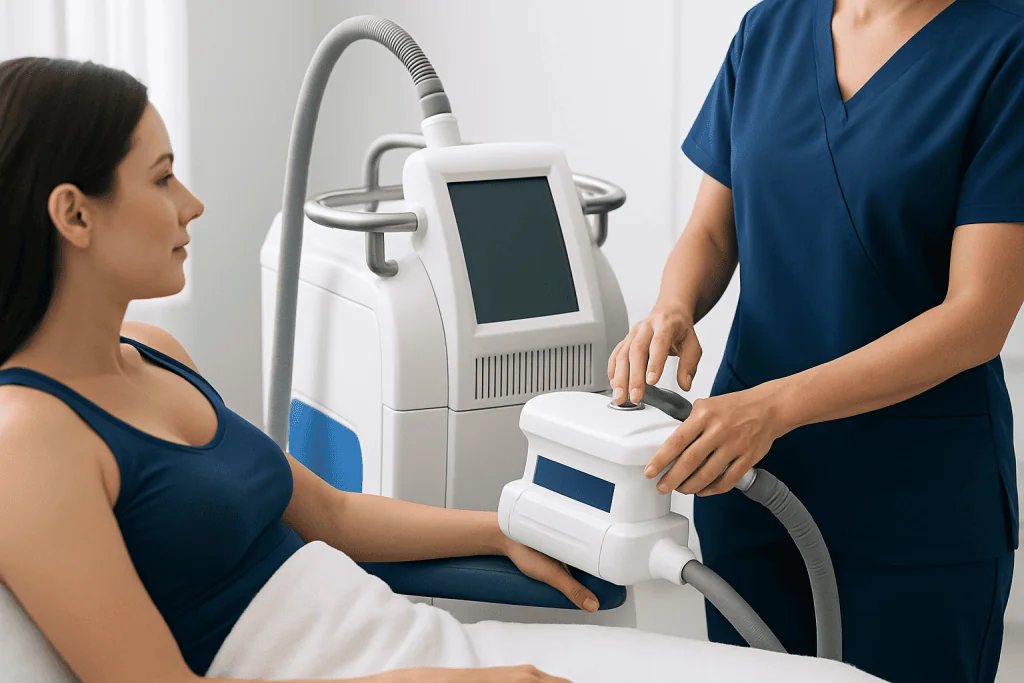
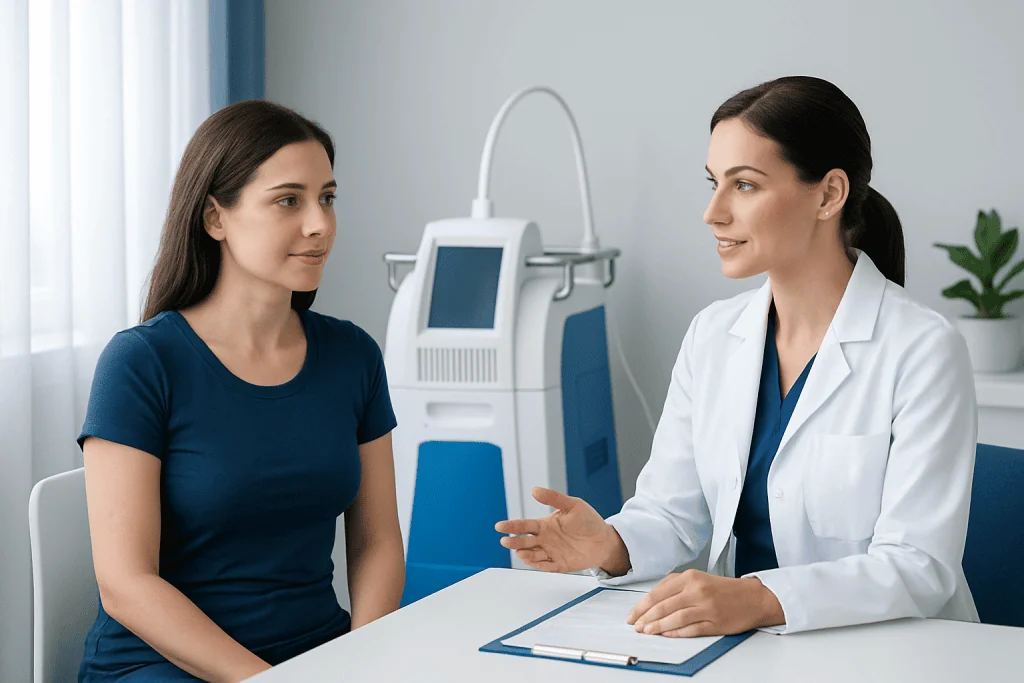
A consultation should come before treatment. A qualified clinician reviews the person’s medical history, skin and tissue condition, target area, previous procedures and goals. They may assess the thickness and location of the fat bulge, discuss whether cryolipolysis is suitable, and explain alternatives if loose skin, substantial excess weight or another concern is the main issue.
During treatment, an applicator is placed on the selected area. Depending on the applicator, the tissue may be gently drawn between cooling panels or treated with a surface applicator. Pulling, pressure, intense cold or tingling can be felt at first, but the area often becomes numb. A session length and the number of treatment cycles vary according to the body area and treatment plan.
No incisions or general anesthesia are usually needed, and most people can return to routine activities on the same day. After the applicator is removed, the provider may briefly massage the treated area. Temporary redness, firmness, swelling or altered sensation can occur afterward.
How fast do you see results after CoolSculpting?
CoolSculpting results are gradual because the body needs time to process the injured fat cells. Some people begin to notice a change at around three weeks, but a clearer difference is more commonly seen over one to three months. The contour can continue to change for several months after treatment.
Results vary between individuals and depend on the body area, the amount and distribution of fat, the applicator used, the number of treatment cycles and changes in body weight. Standardized photographs and measurements taken before treatment can provide a more reliable comparison than checking the area daily.
A follow-up appointment allows the clinician to review progress once the tissue has had time to settle. Some people choose an additional treatment cycle for a particular area, while others may be better served by a different approach based on their goals and anatomy.
How many inches of fat can CoolSculpting remove?
CoolSculpting cannot reliably be translated into a fixed number of inches lost. It targets the thickness of a small layer of subcutaneous fat, rather than removing a measured width from the waist, thighs or another body part. Circumference measurements can also change with posture, bloating, muscle tone and overall weight changes.
Published cryolipolysis studies commonly describe a modest reduction in the thickness of the treated fat layer after one treatment cycle, often around 15% to 25%. This is an average range rather than a promise, and it does not mean every person will lose the same number of centimetres or inches.
People seeking substantial body-size reduction should discuss appropriate weight-management options with a doctor. For those with significant skin laxity or a larger volume of excess tissue, a surgical or non-procedural option may be more suitable than non-surgical fat freezing.
Do and don'ts after CoolSculpting?
Most people do not need formal downtime after CoolSculpting. They can usually work, walk, drive and resume normal daily routines as they feel comfortable. The treated area may feel tender, numb, itchy, firm or mildly swollen for a period of time, so comfortable clothing may be helpful.
Helpful aftercare measures include the following:
- Do follow the provider’s specific instructions and attend planned follow-up appointments.
- Do maintain regular meals, hydration, sleep and physical activity as tolerated.
- Do contact the treatment provider if symptoms feel unusually severe, worsen or do not improve.
- Do not massage the area aggressively, use compression garments or arrange lymphatic treatments unless advised by the clinician.
- Do not assume that exercise, detox products or supplements will speed up fat-cell removal.
- Do not schedule another skin or body procedure over the treated area without checking with the provider.
Redness, bruising, swelling, cramping, tingling and reduced sensation are usually temporary. Some people develop delayed tenderness or nerve-like sensations several days after treatment. Simple comfort measures recommended by the clinician may help, but persistent or severe symptoms should be assessed rather than managed alone.
Is it normal to poop a lot after CoolSculpting?
Frequent bowel movements or diarrhea are not expected effects of CoolSculpting. The body does not eliminate treated fat cells by passing them in stool. Instead, the cellular contents are processed gradually through normal inflammatory, lymphatic and metabolic pathways over time.
A short-lived bowel change may be unrelated and can occur because of food, infection, stress, medication or another digestive issue. A person should contact a doctor if diarrhea is persistent, severe or accompanied by dehydration, fever, blood in the stool, significant abdominal pain or vomiting.
Who Should Avoid or Delay CoolSculpting?
Cryolipolysis is not suitable for everyone. People with cold-sensitive blood disorders, including cryoglobulinemia, cold agglutinin disease or paroxysmal cold hemoglobinuria, should not have this treatment. A clinician should also assess skin conditions, scars, hernias, altered sensation, recent surgery and other factors affecting the proposed treatment area.
Pregnancy and breastfeeding are generally times to postpone elective body-contouring procedures because safety data are limited. People with active skin infections, significant loose skin, a body-weight concern requiring medical management, or expectations of major weight loss may need a different plan.
Possible side effects should be discussed before treatment. In addition to temporary numbness, bruising and tenderness, an uncommon but important complication is paradoxical adipose hyperplasia, in which the treated fat area becomes firmer and larger rather than smaller over the following months. This may require specialist assessment and, in some cases, surgical treatment.
When to Seek Medical Care
A person should contact their treatment provider promptly for severe or increasing pain, marked swelling, blistering, skin discoloration, spreading redness, warmth, drainage or fever. Medical review is also important if numbness is particularly bothersome or prolonged, or if a treated area becomes unusually firm, enlarged or uneven in the weeks or months after treatment.
Urgent medical care is needed for symptoms such as chest pain, breathing difficulty, fainting or signs of significant dehydration, even if they seem unrelated to the procedure. A qualified clinician can determine whether symptoms are part of normal recovery or need separate medical attention.
Frequently asked questions
Is Cool Sculpt the same as CoolSculpting?
Cool sculpt is often used informally to refer to CoolSculpting, a branded cryolipolysis treatment. The term may also be used broadly for fat-freezing procedures, but devices, treatment plans and regulatory approval can differ by country and provider.
Does CoolSculpting hurt?
Most people feel pulling, pressure and intense cold when the applicator is first placed, followed by numbness in the area. Temporary tenderness, tingling or cramping can occur afterward, and pain that is severe or worsening should be reported to the provider.
Are CoolSculpting results permanent?
The treatment reduces some of the targeted fat cells, and those cells do not typically return. However, remaining fat cells throughout the body can enlarge with weight gain, which can change the visible contour over time.
Can CoolSculpting tighten loose skin?
CoolSculpting is designed to reduce localized fat, not to tighten loose or significantly stretched skin. People whose main concern is skin laxity should ask a clinician about options that are more appropriate for their skin quality and goals.
How many CoolSculpting sessions are needed?
The number of sessions depends on the body area, the thickness of the fat bulge and the person's desired degree of contour change. Some people have one treatment cycle in an area, while others choose additional cycles after their initial results are assessed.
Can CoolSculpting be used after weight loss?
It may be an option after weight loss for someone who has reached a stable weight and has a small, localized fat deposit. It will not correct substantial loose skin, and a clinician should assess whether the concern is mainly remaining fat, skin laxity or both.
This article is for general information only and is not a substitute for professional medical advice. Please consult a qualified doctor about your individual situation.
Explore treatments in Turkey — costs, top hospitals & a free quote
JCI-accredited · board-certified surgeons · reply within 24h
Add us as a Preferred Source to see more of our trusted health content across Google Search, AI Overviews and Discover.

More from the Health Library

Cardamom — Explained by Medical Evidence, Not Myths

Centipede Bite: What Patients Need to Know

Black Stool — Explained by Medical Evidence, Not Myths

At Home Blood Type Test: What Patients Need to Know
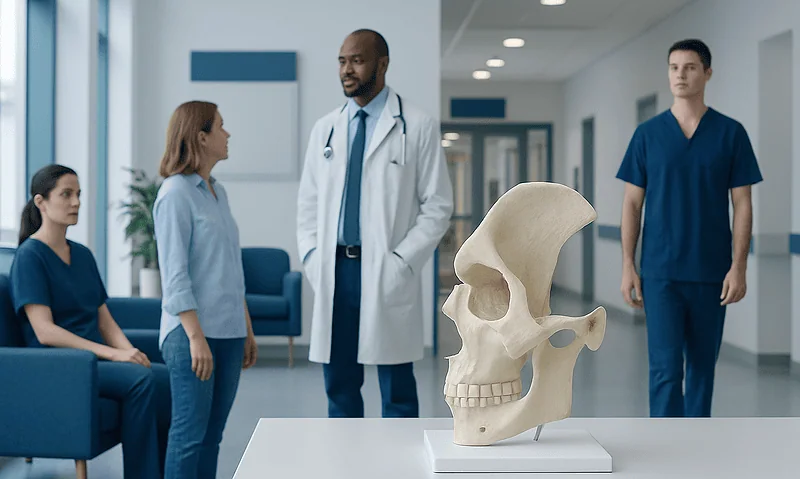
Zygomatic Bone: A Complete Medical Overview