Cpm Machine: What Patients Need to Know
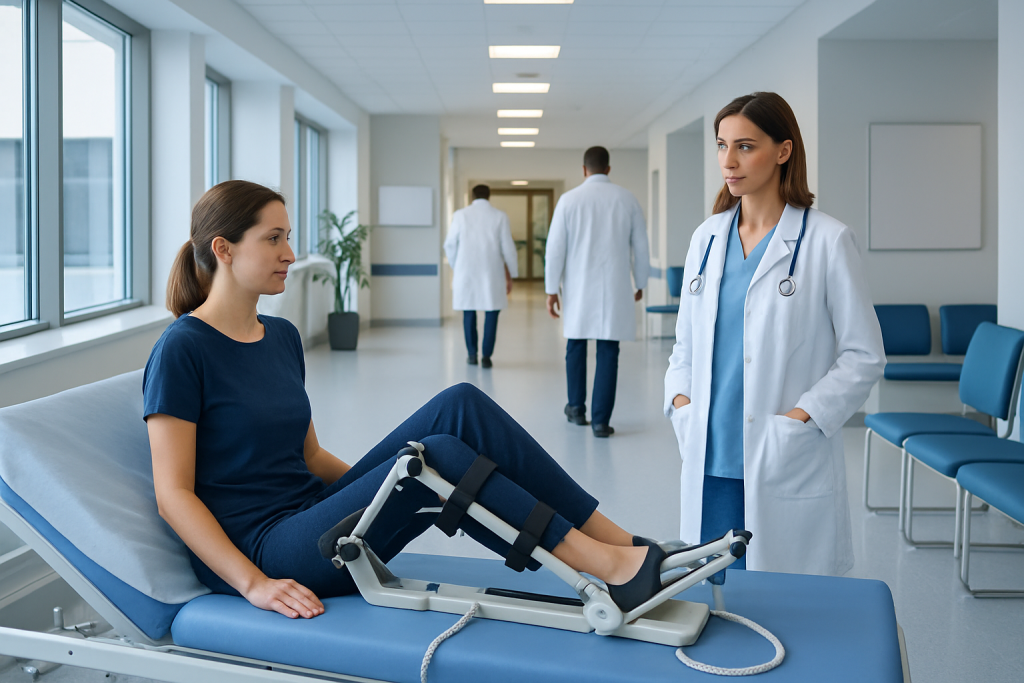
A CPM machine provides continuous passive motion to a healing joint, most often the knee. It may help some patients maintain early movement and reduce stiffness after surgery.
Key Takeaways
- A CPM machine provides continuous passive motion to a healing joint, most often the knee.
- It may help some patients maintain early movement and reduce stiffness after surgery.
- CPM is usually only one part of recovery and does not replace physical therapy or medical follow-up.
- The decision to use a CPM machine depends on the surgery, the joint involved, and the patient’s needs.
- Pain, swelling, wound concerns, fever, or worsening function should be discussed with a doctor promptly.
A CPM machine is a motorized device that slowly and repeatedly moves a joint through a set range of motion without the patient using their own muscles. It may be recommended after certain surgeries or injuries to support early joint movement, but it is not necessary for everyone and works best as part of a broader rehabilitation plan.
What Is a CPM Machine?
A CPM machine, short for continuous passive motion machine, is a motorized rehabilitation device that gently moves a joint back and forth through a controlled range of motion. The key feature is that the movement is passive: the machine moves the joint, while the patient relaxes and does not actively contract the muscles to create the motion.
These devices are most commonly used for the knee, especially after procedures such as joint surgery or treatment for stiffness. They can also be designed for other joints in selected situations. The goal is to begin safe, gradual motion early, under the guidance of a surgeon or rehabilitation team, while healing tissues are protected.
For many patients, the main question is whether a CPM machine is necessary. The answer is that it can be useful in specific cases, but it is not a standard requirement for every operation or injury. Modern recovery plans often combine pain control, supervised exercise, walking or weight-bearing as advised, and rehabilitation methods tailored to the individual rather than relying on a single device.
How a CPM Machine Works and When It May Be Used
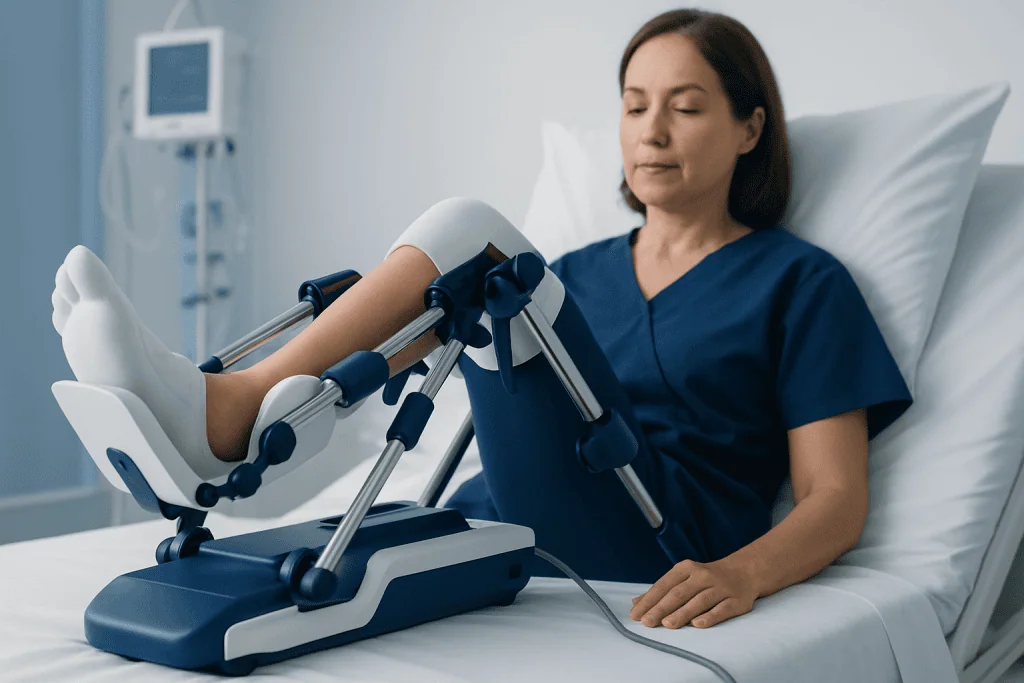
The machine supports the limb and moves the joint in a repeated cycle. A clinician sets the starting and ending angles, the speed, and the duration of use. For a knee device, for example, the leg rests in the frame while the machine slowly bends and straightens the joint within a prescribed arc. As recovery progresses, the range may be adjusted.
CPM is most often considered after orthopedic procedures involving the knee, such as some cases of ligament repair, cartilage procedures, surgery for joint stiffness, or selected recoveries after knee replacement surgery. It may also be used after certain fractures or soft tissue procedures when a surgeon wants early motion without active strain.
The exact reason for using it differs from patient to patient. In some cases, the goal is to help maintain motion while pain or swelling make active exercise difficult. In others, it may be used when there is a particular concern about scar tissue or limited mobility. The choice depends on the operation performed, tissue healing, comfort level, and the rehabilitation protocol set by the treating team.
Potential Benefits and Limitations
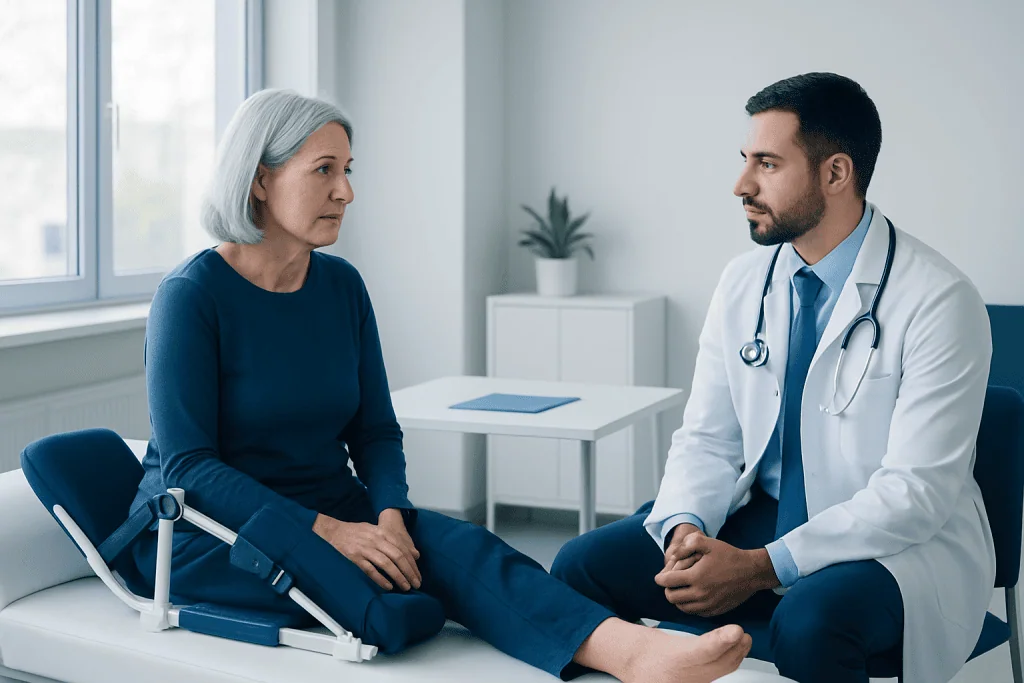
A CPM machine may help some patients start moving a joint early in recovery. Early motion can support flexibility, reduce the feeling of stiffness, and make patients more comfortable beginning the next stages of rehabilitation. For people who are hesitant to move because of pain or fear of damaging the joint, the machine can provide gentle, controlled motion within safe limits set by the surgeon.
That said, the benefits are not the same for every patient or every surgery. Research on CPM shows mixed results depending on the condition being treated, the timing of use, and what outcomes are being measured. Some patients may notice short-term gains in range of motion or comfort, while others do just as well with well-planned physical therapy and active exercises alone.
It is also important to understand what a CPM machine cannot do. It does not build muscle strength, improve balance, or restore coordination by itself. Because recovery depends on more than joint movement, CPM should be viewed as one tool within a broader program rather than a complete treatment. For some people, prolonged use may be inconvenient or simply unnecessary if progress is already good.
- Possible advantages: gentle early motion, less stiffness, support for selected rehabilitation plans
- Possible limitations: does not replace exercise, may not improve outcomes for everyone, requires proper setup and follow-up
- Best use: when prescribed for a specific clinical reason by a qualified orthopedic or rehabilitation team
Who May Need a CPM Machine?
Patients are sometimes more likely to benefit from CPM if they have a high risk of joint stiffness, trouble participating in active exercise in the early days after surgery, or a procedure where controlled motion is part of the postoperative plan. This may include people recovering from complex knee procedures, surgery to address restricted joint motion, or treatment for cartilage injuries.
People with pre-existing limited movement, significant swelling, or a history of scar tissue formation may also be considered for a more structured early-motion strategy. In some cases, the surgeon may recommend CPM after treatment related to osteoarthritis if there has been major joint reconstruction or replacement and early mobility is a concern.
Not every patient will need one. Many recover well with standard rehabilitation, pain management, and carefully progressed activity. The decision should be individualized, particularly in patients with skin problems, unstable surgical repairs, nerve issues, significant pain with motion, or any condition where repeated movement may need to be limited rather than encouraged.
Using a CPM Machine Safely at Home or in Hospital
When a CPM machine is prescribed, the healthcare team usually demonstrates how to position the limb correctly, secure the supports, and start the machine at the recommended settings. Proper alignment matters because poor positioning may lead to discomfort, pressure on the skin, or movement that does not match the intended joint mechanics.
Patients are generally advised to use the machine only for the amount of time and range of motion prescribed. More is not always better. Increasing the angle too quickly or using the device despite significant pain may irritate healing tissues. Mild stretching or a sense of motion is expected, but sharp pain, new numbness, or a poorly fitting machine should be reported.
Home use also requires practical care. Clothing and dressings should not bunch under the device. The skin around the straps should be checked regularly, especially in older adults or anyone with fragile skin. The machine should be kept clean according to instructions, and all follow-up appointments should be attended so the plan can be adjusted as healing progresses.
Rehabilitation Beyond the CPM Machine
Recovery after joint surgery or injury is broader than passive motion alone. A complete rehabilitation program may include guided stretching, muscle strengthening, walking practice, balance training, swelling control, and a gradual return to daily activities. Many patients work with physical therapists to regain confidence and function in a safe, structured way.
For knee recovery, a surgeon may pair CPM with other treatments depending on the underlying problem. Some patients are recovering from arthroscopy, while others may need a more comprehensive plan after a major reconstructive procedure. If loss of flexibility remains a challenge, the care team may look for reasons such as inflammation, scar formation, or incorrect exercise technique.
The same principle applies to other joints and conditions. A rehabilitation plan should match the diagnosis, the operation performed, and the patient’s goals. For example, people with chronic joint degeneration may benefit from long-term management strategies related to arthritis, not just short-term postoperative devices. In international centers such as Acibadem International, multidisciplinary specialists in orthopedics, rehabilitation, and pain management work together in JCI-accredited hospitals to diagnose and treat these conditions for patients traveling from abroad.
When to Seek Medical Care
Patients using a CPM machine should contact their doctor if the joint becomes increasingly painful, swollen, red, or difficult to move rather than gradually improving. These symptoms do not always mean a serious problem, but they should be assessed, especially soon after surgery or injury.
Medical advice is also important if there is fever, drainage from the wound, numbness, calf pain, shortness of breath, or new weakness. Problems with the machine itself, such as poor fit, skin breakdown, or motion that feels unusual, should be reviewed rather than adjusted without guidance.
Regular follow-up matters even when recovery seems on track. A surgeon or rehabilitation specialist can determine whether the current range of motion is appropriate, whether the machine is still needed, and when to transition more fully to active exercise. Prompt review helps keep recovery safe and tailored to the patient’s progress.
Frequently asked questions
What does a CPM machine do?
A CPM machine gently moves a joint through a set range of motion without the patient actively using their muscles. It is designed to support early passive movement during recovery from some surgeries or injuries.
Is a CPM machine always needed after knee surgery?
No. Many patients recover well without a CPM machine, especially when they have a good rehabilitation plan that includes physical therapy and appropriate activity. Whether it is helpful depends on the specific surgery, the patient’s range of motion, and the surgeon’s treatment goals.
Does a CPM machine reduce pain?
Some patients find that gentle, controlled motion makes the joint feel less stiff and more comfortable. However, pain relief varies, and the machine is not a substitute for proper pain management, wound care, and rehabilitation.
Can a CPM machine replace physical therapy?
No. A CPM machine only provides passive joint movement. Physical therapy is still important for rebuilding strength, restoring balance, improving walking or daily function, and helping the joint recover fully.
How long is a CPM machine used each day?
The schedule varies based on the surgery and the doctor’s instructions. Some patients use it for several sessions a day, while others follow a different timetable, so it should always be used according to the prescribed plan.
Are there risks to using a CPM machine?
Most risks are related to incorrect use, poor fit, or using the machine despite worsening symptoms. Skin irritation, discomfort, excessive pain, or motion beyond the recommended range should be discussed with a healthcare professional.
References
- American Academy of Orthopaedic Surgeons
- National Institute for Health and Care Excellence
- MedlinePlus
- American Physical Therapy Association
This article is for general information only and is not a substitute for professional medical advice. Please consult a qualified doctor about your individual situation.
Joint and spine care in Turkey — expert assessment & treatment
JCI-accredited · board-certified surgeons · reply within 24h
Add us as a Preferred Source to see more of our trusted health content across Google Search, AI Overviews and Discover.

More from the Health Library
Tachycardia: What Patients Need to Know
Respite Care: A Complete Medical Overview

Cortisol Test: What Patients Need to Know
Weber Test: What Patients Need to Know
Cuckolding: What Patients Need to Know