Cppd Arthritis: Symptoms, Causes, and Treatment Options

CPPD arthritis occurs when calcium pyrophosphate crystals trigger inflammation in a joint. The knee and wrist are commonly affected, but CPPD can involve shoulders, ankles, elbows, hips, or hands.
Key Takeaways
- CPPD arthritis occurs when calcium pyrophosphate crystals trigger inflammation in a joint.
- The knee and wrist are commonly affected, but CPPD can involve shoulders, ankles, elbows, hips, or hands.
- A sample of joint fluid examined under a microscope is the most reliable way to confirm CPPD crystals.
- There is no routine medicine that removes existing crystals, but anti-inflammatory treatments can control attacks and symptoms.
- People with early-onset, recurrent, or widespread CPPD may need evaluation for related metabolic or hormone conditions.
CPPD arthritis is a form of inflammatory arthritis caused by calcium pyrophosphate crystals collecting in and around joints. It can cause sudden painful swelling similar to gout, or develop gradually and resemble osteoarthritis or rheumatoid arthritis; treatment focuses on easing inflammation, protecting joint function, and addressing contributing health conditions where appropriate.
Overview: What Is CPPD Arthritis?
CPPD arthritis, short for calcium pyrophosphate deposition disease arthritis, develops when tiny calcium pyrophosphate crystals form in cartilage or other tissues around a joint. These crystals may remain silent for years. At times, however, they can trigger the immune system and cause sudden inflammation, pain, warmth, swelling, and reduced movement.
An acute episode is sometimes called pseudogout because it can look like gout. The two conditions are different: gout is caused by monosodium urate crystals, while CPPD is caused by calcium pyrophosphate crystals. Identifying the crystal type matters because the long-term evaluation and prevention approaches are not exactly the same.
CPPD becomes more common with age and is often found in people who also have osteoarthritis. It is not contagious, and it does not mean a person has done something wrong. Some people have visible crystal deposits on an X-ray without pain, while others experience occasional attacks or a longer-lasting inflammatory arthritis.
How CPPD Arthritis Can Feel
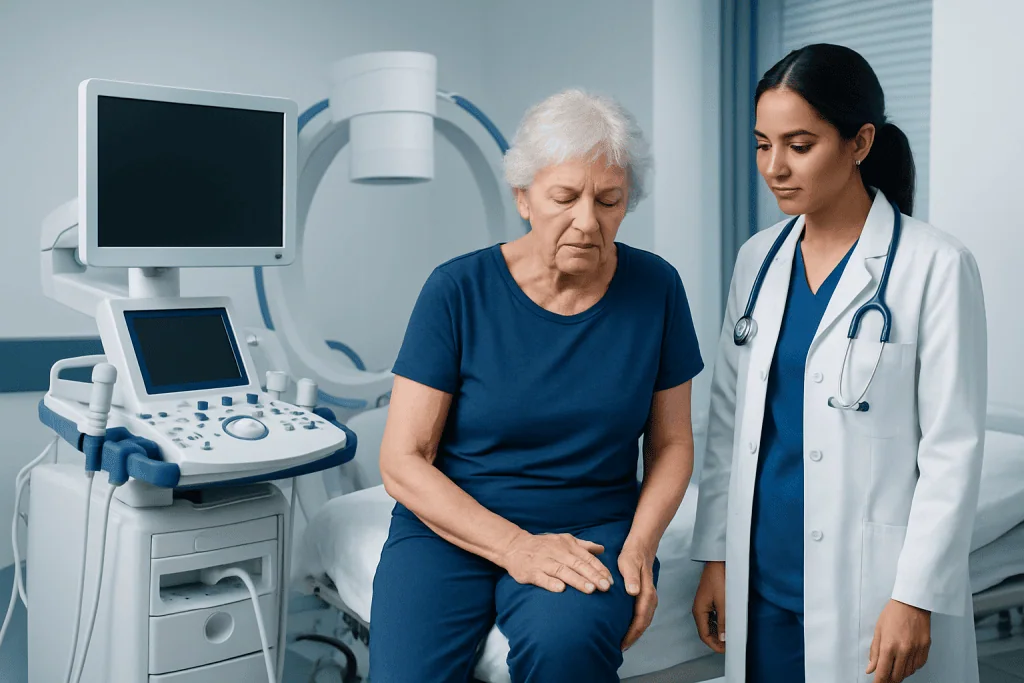
Acute CPPD arthritis often begins quickly, sometimes over several hours. One joint is commonly involved, although more than one may be affected. The joint may become swollen, warm, tender, stiff, and difficult to use. Pain can be substantial and may last days to a few weeks without treatment, although timing varies between individuals.
The knee is the most frequent site, followed by the wrist. CPPD can also affect the ankle, elbow, shoulder, hip, hand, or jaw. Unlike classic gout, which often starts in the big toe, CPPD more commonly involves larger joints. Still, symptoms alone cannot reliably distinguish these conditions.
CPPD does not always cause short, isolated attacks. In some people, it produces chronic joint discomfort, swelling, and morning stiffness, particularly in the wrists, knees, shoulders, or knuckles. It may coexist with osteoarthritis and cause an unusual pattern of joint damage, including involvement of the wrist, shoulder, elbow, or ankle.
- Sudden joint pain, swelling, warmth, and redness
- Stiffness and reduced range of motion
- Difficulty walking or using the affected limb
- Fever or feeling unwell in some acute attacks
Why CPPD Crystals Form: Causes and Risk Factors
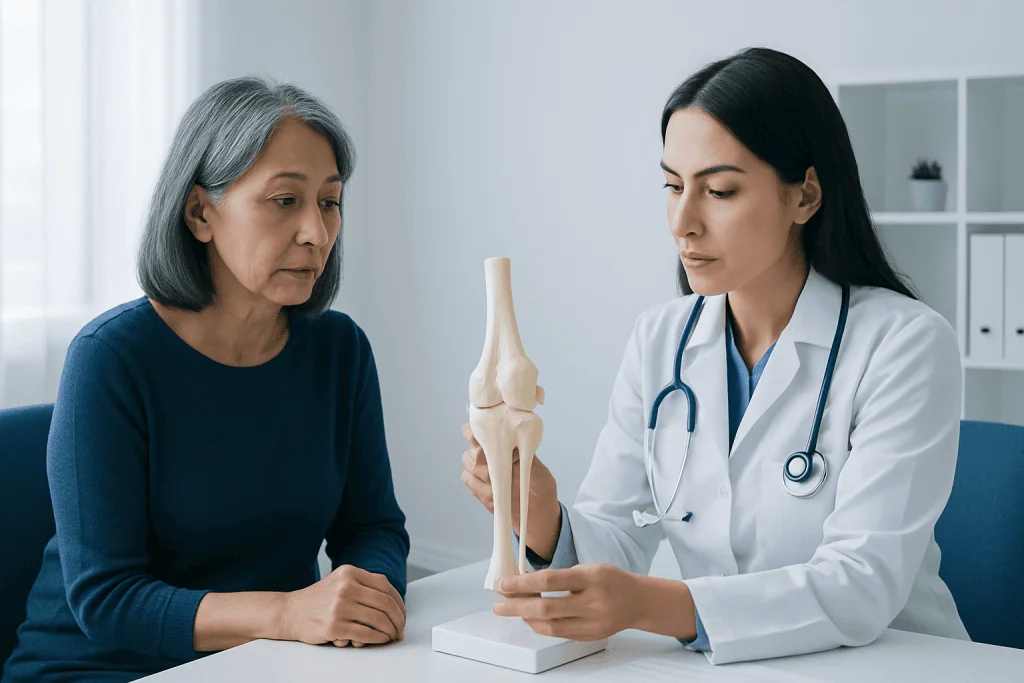
The exact reason calcium pyrophosphate crystals form is not always known. Aging is the strongest risk factor because changes in cartilage over time can make crystal deposition more likely. Previous joint injury, joint surgery, and osteoarthritis can also increase the chance of CPPD in a particular joint.
Some medical conditions are associated with CPPD, particularly when it develops at a younger age, affects several joints, or occurs repeatedly. These include hemochromatosis, in which excess iron builds up in the body; hyperparathyroidism; low magnesium levels; low phosphate levels; and hypothyroidism. Kidney disease and certain inherited tendencies may also play a role in some people.
An acute flare may occur without an obvious trigger. Illness, surgery, trauma, dehydration, or major physiologic stress can sometimes precede an attack. Because CPPD is not caused by high uric acid, changes commonly advised for gout, such as strict avoidance of purine-rich foods, do not remove CPPD crystals. A balanced eating pattern, hydration, and overall health care still support general joint and metabolic health.
How Doctors Diagnose CPPD Arthritis
Diagnosing CPPD begins with a discussion of symptoms, medical history, medications, previous joint problems, and family history. A clinician will examine the painful joint and consider other causes of sudden joint inflammation, including gout, osteoarthritis, inflammatory arthritis, injury, and joint infection.
When a joint is swollen, removing a small amount of joint fluid with a needle can be especially helpful. The fluid is examined under a microscope for calcium pyrophosphate crystals. It can also be tested for infection, which is essential because septic arthritis can cause symptoms similar to a crystal flare and needs urgent treatment.
X-rays may show cartilage calcification, called chondrocalcinosis, which can support the diagnosis. However, not everyone with CPPD has visible calcification, and not all calcification causes symptoms. Ultrasound, CT, or other imaging may occasionally help clarify the diagnosis or assess joint damage. Blood tests may be used to look for associated conditions, especially in younger patients or those with recurrent disease.
Treatment Options for CPPD Arthritis
Treatment is tailored to whether symptoms are sudden or ongoing, how many joints are involved, and a person’s other health conditions. Existing calcium pyrophosphate crystals usually cannot be dissolved with routine treatment. The main goals are to reduce pain and inflammation during flares, restore movement, and limit the impact of recurrent or chronic symptoms.
For an acute attack, a clinician may recommend anti-inflammatory medicines such as nonsteroidal anti-inflammatory drugs, colchicine, or corticosteroids. The safest choice depends on factors including kidney function, stomach ulcers, heart disease, blood pressure, diabetes, bleeding risk, and other medicines. Corticosteroids may be given by mouth, by injection, or directly into an affected joint after infection has been excluded.
For recurrent attacks, low-dose preventive anti-inflammatory treatment may be considered by a doctor. People with persistent inflammatory CPPD may benefit from rheumatology assessment, as longer-term treatment is occasionally needed. If testing identifies an associated condition, such as a parathyroid disorder, iron overload, or magnesium deficiency, treating that condition may be important for overall health, although it may not remove crystals already present.
During recovery, rest for a short period, cool packs wrapped in cloth, and temporary use of a support or walking aid may ease symptoms. Once intense inflammation settles, gentle movement and physiotherapy can help maintain strength, flexibility, balance, and confidence with daily activities.
Living Well With CPPD and Protecting Joint Function
Many people with CPPD arthritis manage well when they understand their flare pattern and have a plan with their clinician. Keeping notes about which joints are affected, how long symptoms last, illnesses or events before a flare, and the response to treatment can make future care more efficient.
Regular low-impact activity, such as walking, swimming, cycling, or supervised strengthening exercise, can support mobility when symptoms are controlled. Activity should be adjusted during a painful flare rather than pushed through. A physiotherapist can suggest joint-friendly exercises and practical ways to reduce strain during work, household tasks, or sport.
Maintaining a weight that is appropriate for the individual may reduce load on weight-bearing joints, particularly the knees and hips. Good hydration and balanced nutrition are sensible health measures, but there is no proven CPPD-specific diet that clears calcium pyrophosphate crystals. People should not start supplements, including magnesium, unless a clinician has identified a need, since supplements can be unsuitable for some medical conditions or medicines.
When to Seek Medical Care
A new hot, swollen, and very painful joint should be assessed promptly, particularly if it is accompanied by fever, chills, feeling generally unwell, or inability to bear weight. These symptoms can occur with CPPD, but they can also indicate a joint infection. Infection must be ruled out quickly because it can damage a joint if treatment is delayed.
Medical advice is also appropriate for a first suspected attack, symptoms that do not improve as expected, frequent recurrences, or joint pain that increasingly limits sleep, work, walking, or self-care. A doctor can confirm the cause, offer safe pain relief, and check whether another condition may be contributing.
Acibadem International’s multidisciplinary specialists and JCI-accredited hospitals diagnose and treat joint conditions, including CPPD arthritis, for international patients. A rheumatologist, orthopedic specialist, or primary care clinician can help determine the most suitable assessment and treatment plan for each person.
Frequently asked questions
Is CPPD arthritis the same as gout?
No. Both conditions are caused by crystals in joints and can cause sudden painful inflammation, but the crystals are different. Gout involves urate crystals, whereas CPPD arthritis involves calcium pyrophosphate crystals. A joint fluid test can help distinguish between them.
Can CPPD arthritis be cured?
There is currently no routine treatment that removes calcium pyrophosphate crystals already deposited in joints. However, many people can control acute attacks and maintain function with appropriate anti-inflammatory treatment, exercise guidance, and management of related health conditions. The outlook depends on the pattern and severity of each person’s disease.
What foods should be avoided with CPPD arthritis?
There is no specific food avoidance plan proven to prevent or clear CPPD crystals. This differs from gout, where dietary changes may help lower uric acid. A balanced diet, adequate fluid intake, and medical management of conditions such as low magnesium or thyroid disease are more relevant when indicated.
Can CPPD arthritis affect more than one joint?
Yes. A sudden flare often affects one joint, especially the knee or wrist, but CPPD can involve several joints at once or cause longer-term symptoms in multiple areas. A clinician may assess for associated medical conditions when CPPD is recurrent, widespread, or begins at a relatively young age.
How long does a CPPD flare last?
An untreated flare may last from several days to a few weeks, although duration varies. Prompt treatment can often reduce inflammation and discomfort sooner. Persistent symptoms should be reviewed because other conditions, including infection, can resemble CPPD.
Should a painful swollen joint be treated at home?
A person with a known diagnosis and a clinician-approved flare plan may use that plan while arranging advice if needed. However, a first episode of sudden joint swelling, or pain with fever, chills, severe illness, or inability to use the joint, needs prompt medical assessment. These signs can overlap with joint infection and should not be assumed to be CPPD.
References
- American College of Rheumatology
- European Alliance of Associations for Rheumatology
- National Institute of Arthritis and Musculoskeletal and Skin Diseases
- Merck Manual Professional Edition
- Mayo Clinic
This article is for general information only and is not a substitute for professional medical advice. Please consult a qualified doctor about your individual situation.
Arthritis in Turkey — costs, top hospitals & a free quote
JCI-accredited · board-certified surgeons · reply within 24h
Add us as a Preferred Source to see more of our trusted health content across Google Search, AI Overviews and Discover.

Physical Medicine & Rehabilitation
Restoring movement and function after injury, surgery or neurological conditions.
152 specialists in this unit