Cracked Femur: A Complete Medical Overview
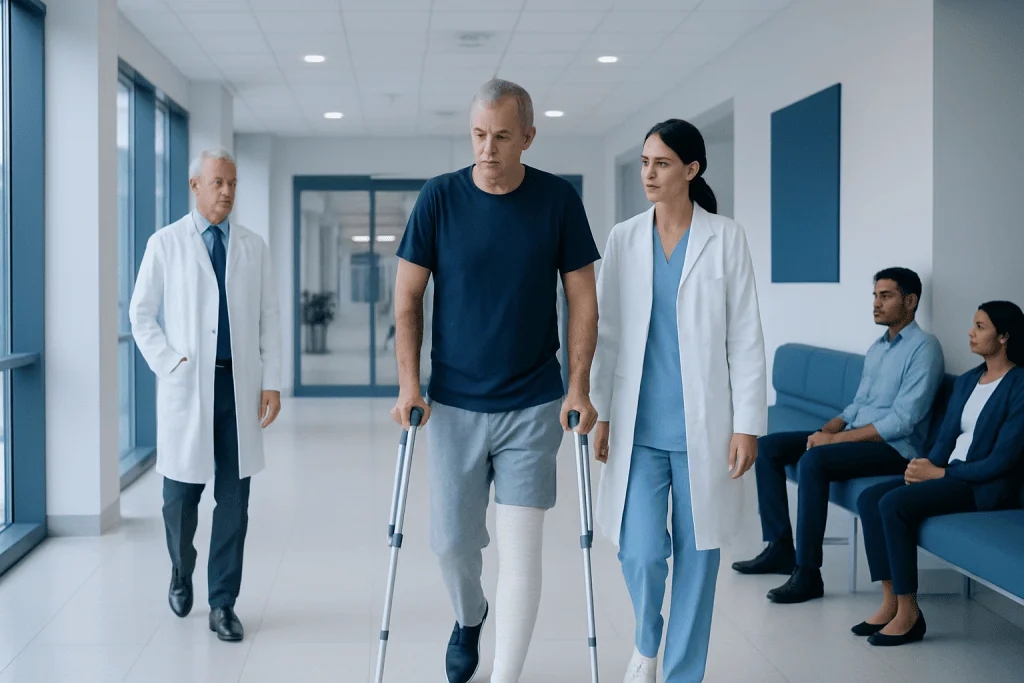
A cracked femur is a partial or small fracture of the thigh bone and should not be ignored. Symptoms often include thigh, groin, or hip pain, swelling, difficulty walking, and pain with weight-bearing.
Key Takeaways
- A cracked femur is a partial or small fracture of the thigh bone and should not be ignored.
- Symptoms often include thigh, groin, or hip pain, swelling, difficulty walking, and pain with weight-bearing.
- Diagnosis usually involves a physical examination and imaging such as X-ray, CT, or MRI.
- Treatment depends on the fracture type, location, stability, and the person’s age and overall health.
- Prompt medical care helps reduce the risk of the fracture becoming displaced or causing complications.
A cracked femur is a partial break in the thigh bone, often described as a hairline or nondisplaced fracture. Even when the crack seems minor, the femur is a major weight-bearing bone, so proper diagnosis and treatment are important to prevent worsening, pain, and healing problems.
What a Cracked Femur Means
A cracked femur usually means a small, partial, or nondisplaced fracture of the femur, which is the long bone in the thigh. Some people call this a hairline fracture, but doctors classify femur injuries based on the exact location, how much the bone has moved, and whether the break affects the hip, shaft, or lower part of the bone near the knee.
The femur is the strongest and one of the largest bones in the body. Because it supports standing, walking, and balance, even a small crack can cause significant pain and can become worse if the person continues to put weight on it. For that reason, a cracked femur needs medical assessment rather than home treatment alone.
Not every cracked femur happens after a major accident. Some develop gradually as stress fractures from repetitive activity, while others happen more easily in older adults or in people with bone weakness. This makes the cause an important part of deciding the safest treatment plan.
Signs and Symptoms to Notice
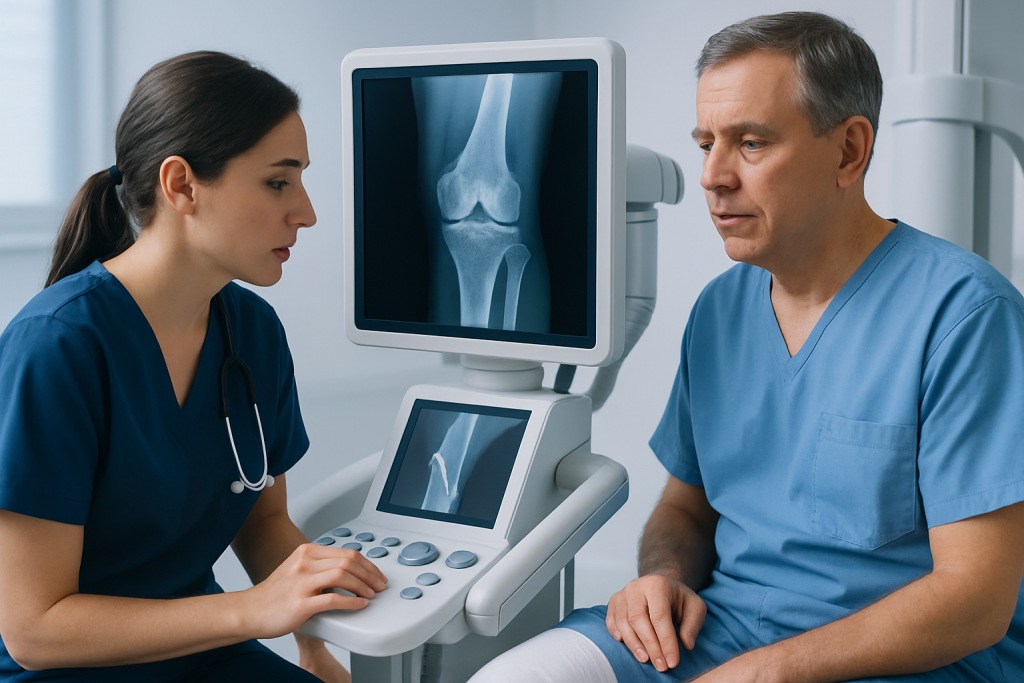
The most common symptom of a cracked femur is pain in the thigh, groin, or hip area. The pain may start suddenly after a fall or injury, or it may begin gradually and worsen with walking, climbing stairs, running, or standing for long periods. Some people can still walk, but weight-bearing usually increases discomfort.
Other symptoms may include swelling, tenderness when the area is touched, bruising, a limp, or reduced range of motion in the hip or knee. If the fracture is more severe or becomes displaced, the leg may appear deformed, shorter, or rotated outward. These signs need urgent medical attention.
Stress-related cracks can be easy to overlook at first because symptoms may feel similar to a muscle strain. However, pain that keeps returning, becomes sharper during activity, or continues even at rest should raise concern for a bone injury rather than a soft-tissue problem.
- Thigh, groin, or hip pain
- Pain that worsens with standing or walking
- Swelling or tenderness
- Limping or trouble bearing weight
- Bruising or reduced movement
Common Causes and Risk Factors
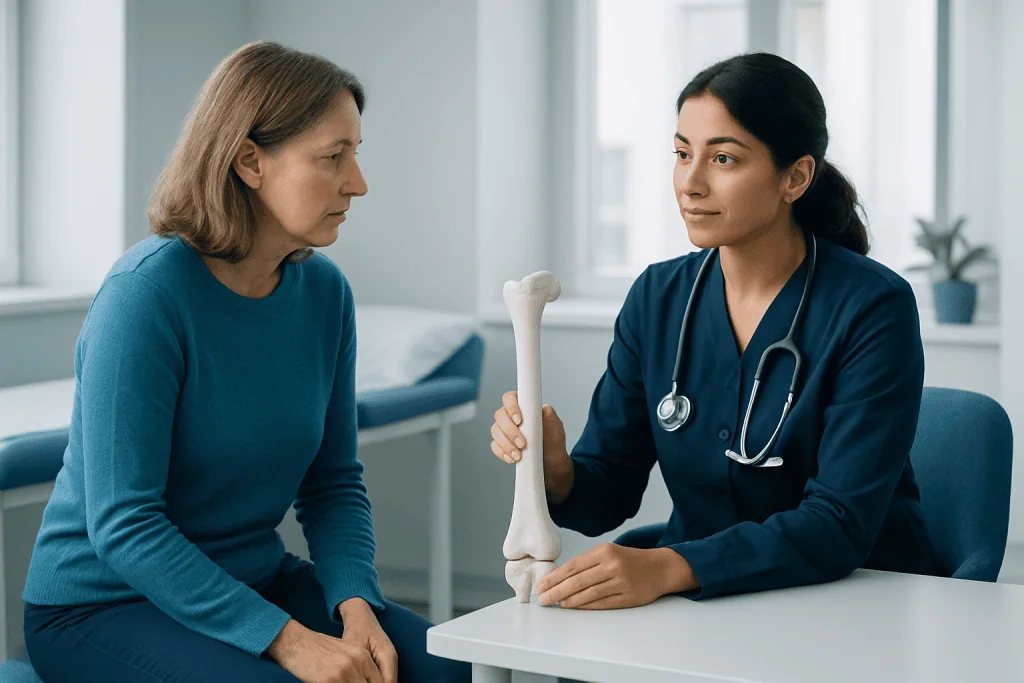
A cracked femur can happen after trauma such as a fall, sports injury, direct blow, or road traffic accident. In younger adults, femur fractures more often result from higher-energy injuries because the bone is usually strong. In older adults, even a lower-energy fall can sometimes lead to a crack if the bone has become weaker.
Bone health plays an important role. Osteoporosis, vitamin D deficiency, long-term corticosteroid use, and certain medical conditions can reduce bone strength and increase fracture risk. In these cases, doctors may also look for underlying issues such as osteoporosis when evaluating why the femur cracked.
Repetitive overuse can also cause stress fractures, especially in runners, military recruits, and people who quickly increase training intensity. Risk is higher when footwear, nutrition, recovery time, or training surfaces are not ideal. Less commonly, a cracked femur may be related to a pathologic fracture, where an existing bone lesion or disease weakens the bone.
How Doctors Diagnose a Cracked Femur
Diagnosis begins with a medical history and physical examination. The doctor asks how the pain started, whether there was trauma, and whether the person can walk. They also examine the leg for swelling, tenderness, deformity, circulation, and nerve function.
X-rays are often the first imaging test because they can quickly show many femur fractures. However, some small cracks or early stress fractures may not be clearly visible on an initial X-ray. If symptoms strongly suggest a fracture despite a normal X-ray, further imaging may be recommended.
MRI is especially useful for stress fractures and subtle injuries because it can detect bone stress changes earlier than standard X-rays. CT scans may help define the fracture pattern in more detail, especially if surgery is being considered. In some cases, additional tests are ordered to assess bone density, vitamin levels, or other reasons for bone weakness.
Treatment Options and Recovery
Treatment depends on where the crack is, whether the bone remains stable, and the patient’s overall health. Some small, stable fractures may be managed without surgery using rest, limited or non-weight-bearing, crutches or a walker, pain control, and close follow-up imaging. The goal is to protect the bone while it heals and to prevent the crack from widening or shifting.
Other femur fractures need surgery, particularly if the crack is unstable, displaced, near the hip, or unlikely to heal well with conservative care. Surgical treatment may involve fixation with rods, screws, or plates. In selected cases, a specialist may discuss orthopedic surgery to stabilize the bone and allow safer recovery.
Rehabilitation is an important part of healing. Physical therapy may help restore strength, flexibility, and walking pattern once the doctor says weight-bearing is safe. If the injury is related to bone fragility or joint disease, broader orthopedic evaluation may be helpful, including assessment for conditions such as hip fracture or support through physical therapy and rehabilitation. Recovery time varies, so the plan should follow the treating doctor’s guidance rather than a fixed timeline.
Self-Care, Prevention, and Bone Health
Self-care starts with protecting the leg and avoiding activities that trigger pain until a doctor has evaluated the injury. Applying ice, resting, and keeping weight off the leg may reduce discomfort in the short term, but these steps do not replace medical assessment. Trying to walk through the pain can make a small crack worse.
Prevention focuses on both injury reduction and bone health. For athletes and active adults, training increases should be gradual, with enough recovery time, supportive footwear, and attention to nutrition. For older adults, fall prevention at home, vision checks, strength and balance exercises, and appropriate management of chronic conditions can reduce risk.
Healthy bones need enough calcium, vitamin D, regular weight-bearing exercise when appropriate, and treatment of medical issues that weaken bone. If a doctor suspects low bone density or repeated fractures, they may recommend further testing and treatment. In some situations, a broader musculoskeletal review, including orthopedics and traumatology, helps guide prevention after healing.
When to Seek Medical Care
Medical care should be sought promptly for suspected cracked femur symptoms, especially after a fall, sports injury, or sudden increase in activity followed by thigh or groin pain. A person should not ignore pain that makes walking difficult or that becomes worse with weight-bearing. Early evaluation can help confirm the diagnosis and reduce the risk of a more serious break.
Urgent care is needed if there is severe pain, inability to stand, visible deformity, marked swelling, numbness, a cold foot, or a leg that looks shortened or rotated. These signs can suggest a more serious fracture or circulation problem. If the injury happened after major trauma, emergency assessment is important.
Near the end of treatment or recovery, follow-up also matters. Persistent pain, delayed healing, or repeated fractures may point to an underlying bone-health issue that needs attention. Acibadem International’s multidisciplinary specialists in JCI-accredited hospitals diagnose and treat bone injuries for international patients, with care plans tailored to the fracture pattern and the patient’s overall condition.
Frequently asked questions
Is a cracked femur the same as a broken femur?
A cracked femur is a type of broken femur, but it usually refers to a partial, small, or nondisplaced fracture. Doctors use imaging to define exactly how serious the break is and whether the bone is stable.
Can a person walk with a cracked femur?
Some people can still walk, especially if the fracture is small or stress-related. However, walking on it can worsen the injury, so medical evaluation is important as soon as possible.
How long does a cracked femur take to heal?
Healing time varies depending on the location of the crack, the person’s age, bone health, and whether surgery is needed. Many patients need several weeks to months of recovery, along with follow-up imaging and gradual return to activity.
Will every cracked femur need surgery?
No. Some stable, nondisplaced fractures can heal with protected weight-bearing, rest, and close medical follow-up. Surgery is more likely if the fracture is unstable, displaced, or located in an area where healing is less reliable without fixation.
What is the difference between a stress fracture and a traumatic crack in the femur?
A stress fracture develops over time from repeated force, often during running or other repetitive activity. A traumatic crack usually happens after a fall, direct blow, or other sudden injury.
Can a cracked femur heal on its own?
Bone can heal naturally, but a cracked femur should not be left without medical supervision. Because the femur is a major weight-bearing bone, even a small crack can shift or worsen if it is not properly protected and monitored.
References
- American Academy of Orthopaedic Surgeons
- National Institute of Arthritis and Musculoskeletal and Skin Diseases
- MedlinePlus
- National Health Service
- American College of Radiology
This article is for general information only and is not a substitute for professional medical advice. Please consult a qualified doctor about your individual situation.
Hair transplant in Turkey — costs, graft counts & a free assessment
JCI-accredited · board-certified surgeons · reply within 24h
Add us as a Preferred Source to see more of our trusted health content across Google Search, AI Overviews and Discover.

More from the Health Library


Related Specialists
Assoc. Prof. Dr. Mehmet Sağır
Aesthetic Plastic & Reconstructive Surgery
Dr. Muzaffer Bora Okar
General Surgery
Dr. Özgür Güler
Anesthesiology
Fzt. Yaren Yıldız
Physical Medicine & Rehabilitation