Cramping in Implantation: Candidacy, Procedure Steps, and Recovery Timeline
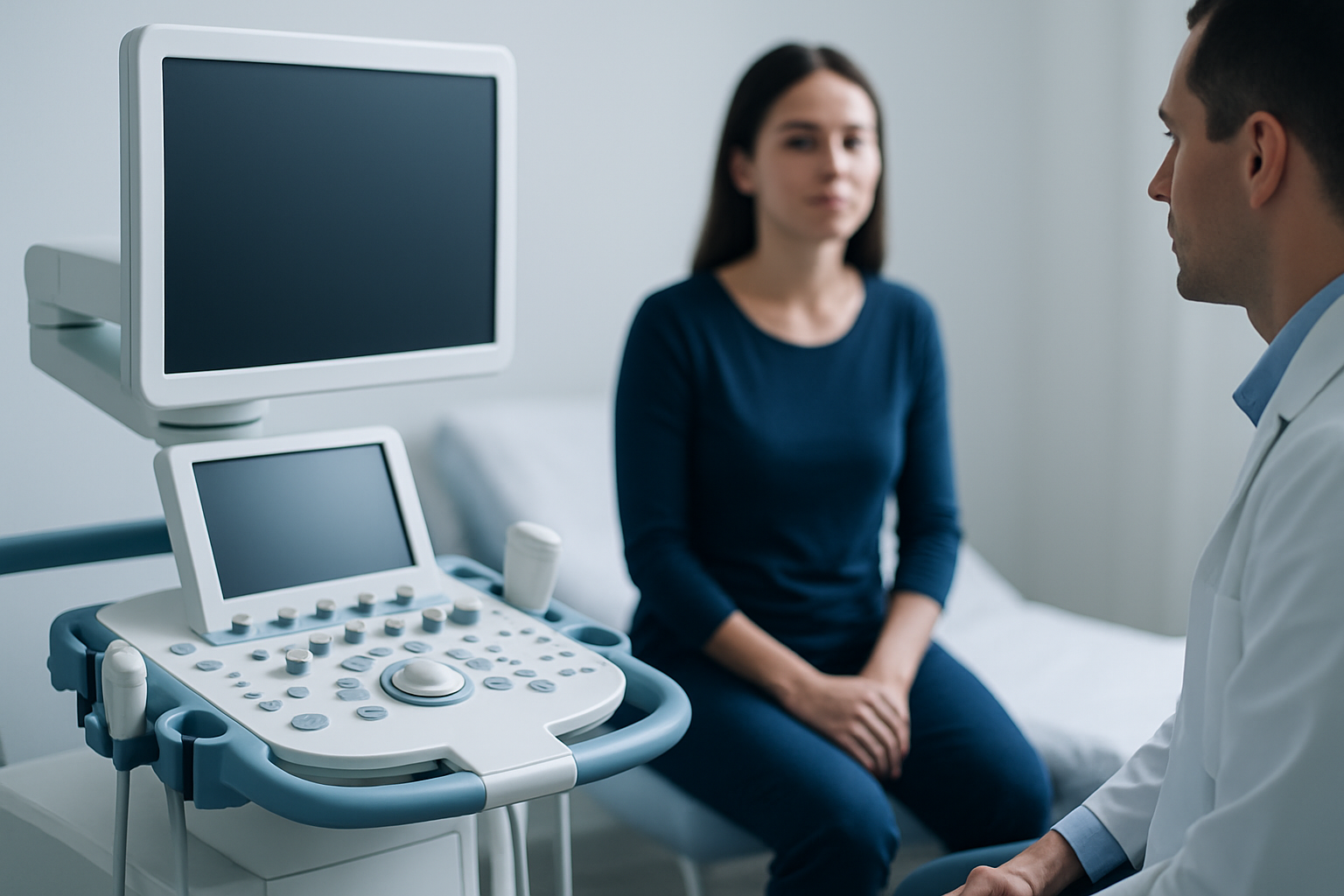
Cramping in implantation is typically mild, brief, and lower in the abdomen or pelvis. Not everyone feels implantation-related cramps, and their absence does not rule out pregnancy.
Key Takeaways
- Cramping in implantation is typically mild, brief, and lower in the abdomen or pelvis.
- Not everyone feels implantation-related cramps, and their absence does not rule out pregnancy.
- Symptoms alone cannot confirm implantation; a pregnancy test and medical follow-up are more reliable.
- After IVF or embryo transfer, light cramping can occur from hormones or the procedure itself as well as early pregnancy changes.
- Severe pain, heavy bleeding, dizziness, or one-sided pain should be assessed by a doctor promptly.
Cramping in implantation usually refers to mild, short-lived pelvic discomfort that may occur around the time a fertilized egg attaches to the lining of the uterus. While some people notice light cramping, many do not, and similar symptoms can also happen before a menstrual period or after fertility procedures.
Overview: what cramping in implantation means
Cramping in implantation describes mild pelvic or lower abdominal discomfort that some people notice in the early days of pregnancy, around the time a fertilized egg attaches to the uterine lining. It is often described as light twinges, pulling, pressure, or a dull ache rather than strong menstrual-type pain. For many people, this sensation is subtle and short-lived, and many others do not feel it at all.
Because the timing can overlap with the days before an expected period, implantation cramping is easy to confuse with premenstrual symptoms. This is why symptoms alone cannot reliably confirm whether implantation has occurred. The clearest next step is usually to wait until the recommended time for a home pregnancy test or blood test, depending on whether conception happened naturally or through fertility treatment.
The phrase can also come up in fertility care, especially after intrauterine insemination or embryo transfer. In that setting, mild cramps may be related to the procedure, medications, the ovaries, or normal uterine sensitivity rather than implantation itself. A balanced approach is helpful: light discomfort can be common, but ongoing or significant pain should not be ignored.
How implantation works and why cramping can happen
Implantation is a normal biological step in early pregnancy. After ovulation, a sperm fertilizes an egg in the fallopian tube. Over the next several days, the fertilized egg travels toward the uterus, dividing into many cells and becoming a blastocyst. It then attaches to and begins to embed within the uterine lining, which has been prepared by hormones to support a pregnancy.
During this process, the uterus and its lining are changing at a microscopic level. Some experts believe the light cramping some people feel may come from this interaction between the embryo and the uterine lining, along with normal uterine muscle sensitivity. These sensations are not usually strong, and there is no proven pattern that can distinguish implantation cramps from other common pelvic sensations.
In assisted reproduction, the pathway is different but the end point is the same: an embryo is placed into the uterus and may later implant. Someone considering or undergoing IVF treatment may hear about implantation cramping during the waiting period after embryo transfer. It is important to remember that cramps during this time are nonspecific and can occur whether or not implantation takes place.
Who may notice it: candidacy, timing, and common symptoms
There is no specific “candidate” profile for implantation cramping. Anyone who becomes pregnant may or may not notice it. Some people are simply more aware of body changes, while others have no noticeable symptoms in very early pregnancy. Experiencing cramping does not mean implantation has definitely happened, and not experiencing it does not mean it has not.
When it is felt, implantation-related cramping is generally expected to occur in the days before a missed period, often about 6 to 12 days after ovulation or fertilization. The sensation is usually mild, intermittent, and centered low in the pelvis. Some people also notice very light spotting, breast tenderness, bloating, or fatigue, but these symptoms are also common before menstruation and after fertility medications.
After fertility procedures, it can be useful to think about a broader group of possible causes for cramping. Mild discomfort may occur after monitoring scans, ovarian stimulation, egg collection, or embryo transfer. Those exploring infertility treatment are often advised not to interpret cramping alone as either a positive or negative sign and to follow the testing timeline given by their fertility team.
- Typical features: mild, brief, dull or pulling discomfort
- Common location: lower abdomen or pelvis
- Possible companions: light spotting, bloating, breast tenderness, fatigue
- Less typical and more concerning: severe pain, one-sided pain, heavy bleeding, faintness
Procedure steps in fertility treatment and where cramps may fit in
For people trying to conceive through assisted reproduction, questions about cramping often come up around embryo transfer. The process usually begins with evaluation and planning, including medical history, hormone testing, and imaging. In IVF, the ovaries are stimulated to develop multiple eggs, the eggs are collected, fertilization occurs in the laboratory, and one or more embryos may later be transferred into the uterus.
The embryo transfer itself is usually a short outpatient procedure. A clinician places a thin catheter through the cervix and gently releases the embryo into the uterus. Some people feel little to nothing during the transfer, while others notice mild pressure or cramping. These sensations are commonly related to the catheter, uterine sensitivity, or the speculum rather than to implantation, which happens later if the embryo attaches successfully.
Recovery after transfer is usually straightforward, but the waiting period before testing can feel uncertain. Light cramping, pelvic awareness, and bloating may continue for a short time. Hormone medications such as progesterone can also contribute to symptoms that resemble early pregnancy or premenstrual changes. For people who want a fuller understanding of the fertility pathway, embryo transfer and egg freezing are examples of related services within reproductive medicine, depending on an individual’s goals and treatment plan.
Diagnosis: how doctors evaluate early cramping
Doctors do not diagnose implantation based on cramping alone. Instead, they look at timing, menstrual history, pregnancy test results, and associated symptoms. If pregnancy is possible, the first step is usually a home urine pregnancy test at the appropriate time or a blood test ordered by a clinician. In IVF cycles, blood testing is often scheduled on a specific day after embryo transfer to improve accuracy.
If cramping is mild and there are no warning signs, immediate testing or imaging may not be necessary. However, if pain is strong, one-sided, or associated with significant bleeding, a doctor may recommend urgent evaluation. This is important because other causes of early pregnancy pain can include miscarriage or ectopic pregnancy, which needs prompt medical care.
Depending on the situation, assessment may include a pelvic exam, blood tests, and ultrasound. Ultrasound becomes more informative once the pregnancy is far enough along to be visible. Clinicians also consider non-pregnancy causes of pelvic pain, such as ovarian cysts, gastrointestinal conditions, or infection. The goal is not only to confirm pregnancy when present, but also to rule out conditions that require treatment.
Recovery timeline, benefits, and possible risks
If the cramping is related to implantation, it is generally expected to be mild and short, often lasting from a few hours to a couple of days. It should not steadily intensify. In natural conception, many people will simply monitor symptoms and wait for the right time to test. In fertility treatment, patients usually follow a structured timeline from their specialist for medications, activity, and pregnancy testing.
The “benefit” of implantation cramping, if it is truly present, is mainly informational: it may coincide with a normal early pregnancy process. However, it is not a dependable sign and should not be used to judge whether a cycle has succeeded. Emotional reassurance often comes from understanding that mild cramping can be normal, whether it reflects uterine changes, procedure-related sensitivity, or hormonal effects.
The main risk is not from the cramping itself when it is mild, but from missing a more serious cause of pain. Increasing pain, heavy bleeding, shoulder pain, dizziness, fever, or one-sided pelvic pain should be assessed without delay. In reproductive medicine, specialists also watch for treatment-related issues such as ovarian hyperstimulation or complications after procedures, although these are separate from implantation itself. A careful, symptom-aware recovery plan is usually the best approach.
Self-care and when to seek medical care
For mild cramping, practical self-care measures are often enough. Rest, hydration, gentle activity, and avoiding excessive symptom-checking can help during the waiting period. It is generally wise to follow a clinician’s advice about exercise, sexual activity, travel, and medications, especially after embryo transfer or other fertility procedures. New or worsening symptoms should be discussed with a qualified doctor rather than self-diagnosed online.
Medical care is recommended promptly if cramping becomes severe, occurs mostly on one side, or is accompanied by heavy bleeding, fever, fainting, marked weakness, or pain in the shoulder tip. These features are not typical of simple implantation cramping and may point to another condition needing evaluation. Anyone with a positive pregnancy test and significant pain should seek timely assessment.
People with pelvic pain and bleeding in early pregnancy may also be evaluated for miscarriage or other gynecologic causes. Near the end of the care journey, some international patients choose centers with coordinated fertility, obstetrics, and emergency services. Acibadem International’s multidisciplinary specialists in JCI-accredited hospitals diagnose and treat reproductive conditions for international patients, with care tailored to the individual clinical situation.
Frequently asked questions
What does cramping in implantation feel like?
It is usually described as mild lower abdominal or pelvic discomfort, such as light twinges, pulling, pressure, or a dull ache. It is generally less intense than typical menstrual cramps and often comes and goes.
How long does implantation cramping last?
If it happens, it is usually brief and may last a few hours or up to a couple of days. Pain that is persistent, worsening, or severe is not typical and should be assessed by a doctor.
Can implantation cramping happen without bleeding?
Yes. Many people who notice implantation cramping do not have any spotting at all. Likewise, some people have light spotting without cramps, and many have neither.
Is cramping after embryo transfer a sign of pregnancy?
Not necessarily. Mild cramping after embryo transfer can happen because of the procedure itself, hormone medications, or normal uterine sensitivity. It does not reliably predict whether implantation or pregnancy has occurred.
When should someone take a pregnancy test after suspected implantation cramping?
Testing too early can give an inaccurate result, so timing matters. In natural conception, it is often best to test around the time of a missed period, while IVF patients should follow the exact testing date given by their fertility clinic.
How is implantation cramping different from period cramps?
Implantation cramping is often lighter, shorter, and less predictable than menstrual cramps. However, the two can feel very similar, which is why symptoms alone cannot confirm pregnancy.
When is cramping in early pregnancy an emergency?
Urgent medical care is important if there is severe pain, one-sided pelvic pain, heavy bleeding, dizziness, fainting, fever, or shoulder pain. These symptoms can suggest a condition other than simple implantation-related discomfort.
References
- American College of Obstetricians and Gynecologists
- American Society for Reproductive Medicine
- National Health Service
- Mayo Clinic
- Centers for Disease Control and Prevention
This article is for general information only and is not a substitute for professional medical advice. Please consult a qualified doctor about your individual situation.
IVF & fertility treatment in Turkey — success rates and costs
JCI-accredited · board-certified surgeons · reply within 24h
Add us as a Preferred Source to see more of our trusted health content across Google Search, AI Overviews and Discover.
Check your numbers in seconds
BMI, calories, due date, blood pressure and 30+ more clinical calculators — free, instant, doctor-reviewed ranges.