Creatinine: What Patients Need to Know

Creatinine comes from normal muscle metabolism and is cleared mainly by the kidneys. A blood or urine creatinine result helps estimate kidney function, often together with eGFR and urine tests.
Key Takeaways
- Creatinine comes from normal muscle metabolism and is cleared mainly by the kidneys.
- A blood or urine creatinine result helps estimate kidney function, often together with eGFR and urine tests.
- High or low creatinine does not always mean disease; hydration, muscle mass, exercise, diet, and medicines can influence results.
- Persistent changes in creatinine should be discussed with a doctor, especially if there are symptoms or known kidney risk factors.
- Kidney health is supported by controlling blood pressure, managing diabetes, avoiding dehydration, and using medicines safely.
Creatinine is a natural waste product made by muscles and removed from the body by the kidneys. A creatinine test helps doctors understand how well the kidneys are filtering, but the result must be interpreted in context rather than viewed as a diagnosis on its own.
What creatinine means in everyday care
Creatinine is a waste product released when muscles use energy. The body makes it continuously, and healthy kidneys filter it from the blood and remove it in urine. Because of this, creatinine is commonly measured to help assess kidney function.
Patients often see creatinine on routine blood work and worry when the number is marked high or low. In practice, one value rarely tells the whole story. Doctors interpret creatinine together with age, sex, muscle mass, hydration, symptoms, medications, urine findings, and a related estimate called eGFR, which reflects how well the kidneys are filtering.
A creatinine result is therefore a clue, not a stand-alone diagnosis. It can help detect sudden kidney stress, monitor long-term kidney disease, or show whether more testing is needed. It may also be checked before imaging studies, surgery, or when prescribing certain medicines.
How creatinine is tested and what the result shows
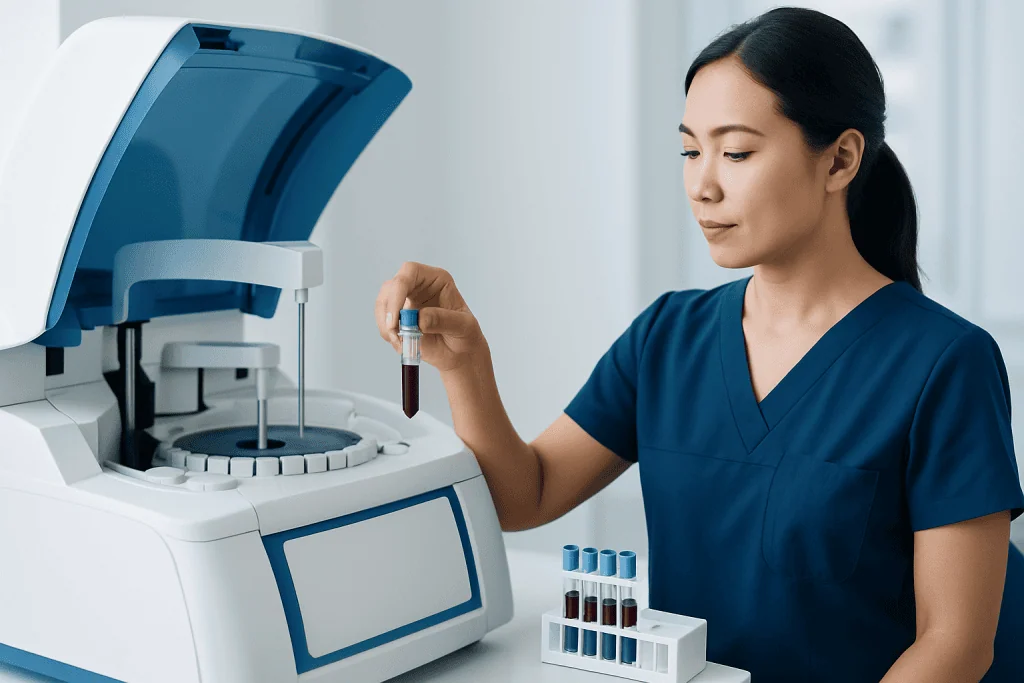
Creatinine is most often measured with a blood test called serum creatinine. The same blood sample may also be used to calculate estimated glomerular filtration rate, or eGFR. eGFR gives a more practical picture of kidney filtering than creatinine alone because it adjusts for personal factors.
Sometimes a urine creatinine test is ordered as well. This may be a single urine sample or a 24-hour urine collection. Urine creatinine can help doctors assess how much protein is being lost in urine, estimate kidney filtration more accurately in selected cases, or confirm that a urine sample is concentrated enough for interpretation.
Laboratories have their own reference ranges, so a result that is flagged as high or low should be reviewed with the lab range used for that specific test. Trends over time are especially important. A gradual rise over months may suggest a different problem than a sudden increase over days.
Doctors may pair creatinine testing with urinalysis, urine albumin testing, kidney ultrasound, or additional blood tests. If kidney disease is suspected, related conditions such as chronic kidney disease may be evaluated in a broader way rather than relying on a single number.
Why creatinine levels may be high or low

High creatinine usually means the kidneys are not clearing waste as efficiently as expected, but this can happen for several reasons. Temporary causes include dehydration, a recent illness, heavy exercise, or certain medicines. More persistent elevations may be linked to kidney inflammation, urinary blockage, reduced blood flow to the kidneys, or long-term conditions such as diabetes and high blood pressure.
Some medications can raise creatinine either by affecting kidney function or by changing the way creatinine is handled in the body. Common examples include some pain relievers, certain antibiotics, and some blood pressure or stomach-acid medicines. This does not always mean permanent kidney damage, but it should be reviewed by a clinician.
Low creatinine is usually less concerning and often reflects lower muscle mass, smaller body size, aging, pregnancy, or reduced protein intake. It is not typically used alone to diagnose a disease. In some cases, very low creatinine may simply show that a person has less muscle making creatinine in the first place.
Because muscle mass affects creatinine, the same test result can mean different things in different people. A muscular athlete may naturally have a higher baseline creatinine than a frail older adult. That is one reason doctors look at the full clinical picture and not just one lab value.
Symptoms, warning signs, and when creatinine changes matter
Creatinine itself does not cause symptoms. Instead, symptoms come from the underlying issue affecting the kidneys or overall fluid balance. Many people with mildly abnormal creatinine feel completely well, which is why routine testing can be important for those with risk factors.
When kidney function is reduced, symptoms may include swelling in the legs or around the eyes, fatigue, nausea, poor appetite, changes in urination, shortness of breath, muscle cramps, or difficulty concentrating. These symptoms are not specific and can have many causes, but they should not be ignored if they occur with an abnormal test result.
Sudden changes matter more urgently. A rapid rise in creatinine may happen with infection, severe dehydration, blocked urine flow, medication-related kidney injury, or reduced blood flow to the kidneys. Doctors may evaluate this as acute kidney injury when the change is recent and clinically significant.
- A mild one-time abnormality may only need repeat testing.
- A persistent abnormality usually needs further assessment.
- A rapid change with symptoms can require urgent medical attention.
Who is more likely to need creatinine monitoring
Creatinine testing is commonly used for people who have a higher chance of kidney problems. This includes those with diabetes, high blood pressure, heart disease, autoimmune conditions, kidney stones, or a family history of kidney disease. It is also relevant for older adults and people taking medications that can affect kidney function.
Doctors may monitor creatinine during hospital care, before operations, after contrast imaging in selected cases, or while treating serious infections. Athletes, people with very high or very low muscle mass, and pregnant patients may need especially careful interpretation of results because the usual assumptions do not always apply.
People with urinary symptoms, repeated dehydration, or known kidney stones may also have creatinine checked to be sure there is no effect on kidney drainage or function. In some cases, specialists in nephrology or urology may become involved if the pattern is complex or persistent.
How doctors investigate an abnormal creatinine result
If creatinine is outside the expected range, the first step is usually to confirm the result and place it in context. A doctor may ask about recent vomiting or diarrhea, low fluid intake, exercise, supplements such as creatine, and all prescription or over-the-counter medicines. Previous test results are especially valuable because a person’s usual baseline can be more informative than a single isolated number.
Further testing often includes repeat blood work, eGFR, urine albumin or protein testing, and a urine dipstick or microscopic exam. These tests help show whether the kidneys are leaking protein, whether there is infection or blood in the urine, and whether the abnormality is likely temporary or chronic.
Imaging may be needed if there is concern about blockage, stones, or structural kidney problems. Kidney ultrasound is commonly used because it can look for swelling of the kidneys, obstruction, or differences in kidney size. In selected cases, more detailed diagnostic imaging may be recommended.
If the cause remains unclear, a nephrologist may assess for autoimmune disease, inherited kidney disorders, or less common conditions. This can involve additional blood tests and, in some situations, specialized evaluation of kidney care to guide long-term follow-up.
Treatment and practical steps to support kidney health
Treatment is aimed at the cause of the creatinine change, not the number itself. If dehydration is responsible, rehydration and treatment of the underlying illness may return levels to normal. If a medicine is contributing, a doctor may adjust the dose, change the drug, or monitor kidney function more closely. If there is a blockage or stone, treating that problem can improve kidney drainage and protect kidney tissue.
For ongoing kidney disease, care usually focuses on slowing further decline and reducing complications. This often includes managing blood pressure, controlling diabetes, limiting unnecessary anti-inflammatory pain medicines, stopping smoking, and following individualized dietary advice. Not every person with abnormal creatinine needs a special kidney diet, so it is best to get guidance from a clinician or dietitian.
Self-care measures can support overall kidney health, but they should not replace medical evaluation when creatinine is persistently abnormal. Helpful steps may include staying adequately hydrated, avoiding unregulated supplements, using medicines only as directed, and keeping regular follow-up appointments.
When advanced kidney failure develops, more intensive treatment may be necessary. Depending on the situation, this may include dialysis or evaluation by specialists who manage complex renal disease. Acibadem International’s multidisciplinary specialists and JCI-accredited hospitals diagnose and treat kidney-related conditions for international patients.
When to seek medical care
Medical advice should be sought if a creatinine result is unexpectedly abnormal, especially when the change is new or rising over time. Prompt review is also important for people who already have kidney disease, diabetes, high blood pressure, heart failure, or only one functioning kidney.
Urgent medical care is needed if an abnormal creatinine result is accompanied by very little urine, severe swelling, chest discomfort, shortness of breath, confusion, persistent vomiting, high fever, or severe flank pain. These symptoms can signal sudden kidney stress, infection, or a blockage that needs rapid treatment.
Even in the absence of symptoms, follow-up matters. Many kidney problems develop quietly, and early evaluation can help identify reversible causes and support long-term kidney health.
Frequently asked questions
What is creatinine in simple terms?
Creatinine is a waste product made when muscles use energy. The kidneys filter it from the blood and remove it in urine, so doctors use it as one way to check kidney function.
Does a high creatinine level always mean kidney disease?
No. High creatinine can be linked to kidney disease, but it can also rise temporarily بسبب dehydration, intense exercise, certain medications, or a recent illness. Doctors usually look at repeat results, eGFR, urine tests, and symptoms before deciding what it means.
Can creatinine go back to normal?
Yes, sometimes it can. If the cause is temporary, such as dehydration or a medication effect, creatinine may improve once that issue is treated or removed. If there is chronic kidney disease, the goal is often to stabilize kidney function and slow further change.
What is the difference between creatinine and eGFR?
Creatinine is the measured substance in the blood or urine. eGFR is an estimate calculated from creatinine and other factors to show how well the kidneys are filtering, so it often gives a clearer clinical picture.
Can drinking more water lower creatinine?
If dehydration is the reason creatinine is high, improving fluid intake may help normalize the result. But drinking excessive amounts of water is not a treatment for all causes, and it can be unsafe for some people, especially those with heart or kidney conditions.
Should patients avoid exercise before a creatinine test?
Strenuous exercise shortly before testing can sometimes affect creatinine results in some people. It is reasonable to follow the instructions given by the lab or clinician and mention any heavy exercise, supplements, or recent illness when the test is interpreted.
References
- National Kidney Foundation
- National Institute of Diabetes and Digestive and Kidney Diseases
- Kidney Disease: Improving Global Outcomes
- Mayo Clinic
- MedlinePlus
This article is for general information only and is not a substitute for professional medical advice. Please consult a qualified doctor about your individual situation.
Explore treatments in Turkey — costs, top hospitals & a free quote
JCI-accredited · board-certified surgeons · reply within 24h
Add us as a Preferred Source to see more of our trusted health content across Google Search, AI Overviews and Discover.
Check your numbers in seconds
BMI, calories, due date, blood pressure and 30+ more clinical calculators — free, instant, doctor-reviewed ranges.

More from the Health Library



Related Specialists

Dt. Tubahan Kaya
Oral & Dental Health
Dr. Ayşe Esra Sırmagül
Physical Medicine & Rehabilitation
Assoc. Prof. Dr. Mustafa Aykut Kural
Neurology
Prof. Dr. Mustafa Kemal Batur
Cardiology