

Crohn’s Disease Chemo: How It Works, Results and What to Expect

Crohn's disease is not usually treated with cancer-style chemotherapy. Some immune-suppressing medicines, especially methotrexate, may be described as “chemo” because they are also used in oncology at different doses.
Key Takeaways
- Crohn's disease is not usually treated with cancer-style chemotherapy.
- Some immune-suppressing medicines, especially methotrexate, may be described as “chemo” because they are also used in oncology at different doses.
- Biologic and targeted medicines are now important options for moderate to severe Crohn's disease.
- The most suitable treatment depends on disease location, severity, complications, previous treatments and personal health factors.
- A flare can involve diarrhea, abdominal pain, fatigue, appetite changes and sometimes fever or rectal bleeding; urgent symptoms need prompt medical assessment.
Crohn's disease chemo is a common informal term for medicines that suppress or modify the immune system; it does not usually mean the high-dose chemotherapy used to treat cancer. Treatment is individualized to reduce intestinal inflammation, control symptoms, prevent complications and help maintain remission.
Crohn's Disease Chemo: What the Term Usually Means
When people ask about Crohn’s disease chemo, they are usually referring to medicines that calm an overactive immune response rather than to standard cancer chemotherapy. Crohn’s disease is an inflammatory bowel disease (IBD) in which immune-driven inflammation can affect any part of the digestive tract, most often the small intestine and colon.
Some medicines used for Crohn’s disease, particularly methotrexate, are also used in cancer care. However, their purpose, dose, schedule and monitoring in Crohn’s disease are different. Other immune-modifying medicines, including thiopurines, biologics and targeted oral treatments, may also be casually called “chemo,” although they are not chemotherapy in the usual cancer-treatment sense.
The treatment aim is not simply to ease symptoms. Gastroenterology teams also work to heal inflammation where possible, maintain remission, protect nutrition and reduce the chance of strictures, fistulas, abscesses and surgery. Treatment choices should be made with a qualified clinician after discussing benefits, risks and personal priorities.
Do You Treat Crohn's With Chemo?

Crohn’s disease is generally not treated with conventional cancer chemotherapy. It may be treated with immune-suppressing or immune-modifying drugs, and methotrexate is one example that patients may hear described as chemotherapy. In Crohn’s disease, methotrexate can be considered for some adults to help maintain remission, particularly when other therapies are not suitable or have not worked well enough.
Current Crohn’s treatment also includes corticosteroids for short-term control of active inflammation, immunomodulators such as thiopurines, biologic medicines that target specific inflammatory pathways, and targeted oral medicines. Antibiotics, nutrition support and surgery may be needed in particular circumstances, such as infection, an abscess, a narrowing or a fistula.
Immune-modifying medicines do not work in the same way for every person. Before starting them, clinicians commonly review vaccination status and screen for infections such as tuberculosis and hepatitis B when appropriate. Blood tests before and during treatment help check blood cell counts and liver function and support safe ongoing care.
How Immune-Modifying Treatment Works and Who May Need It
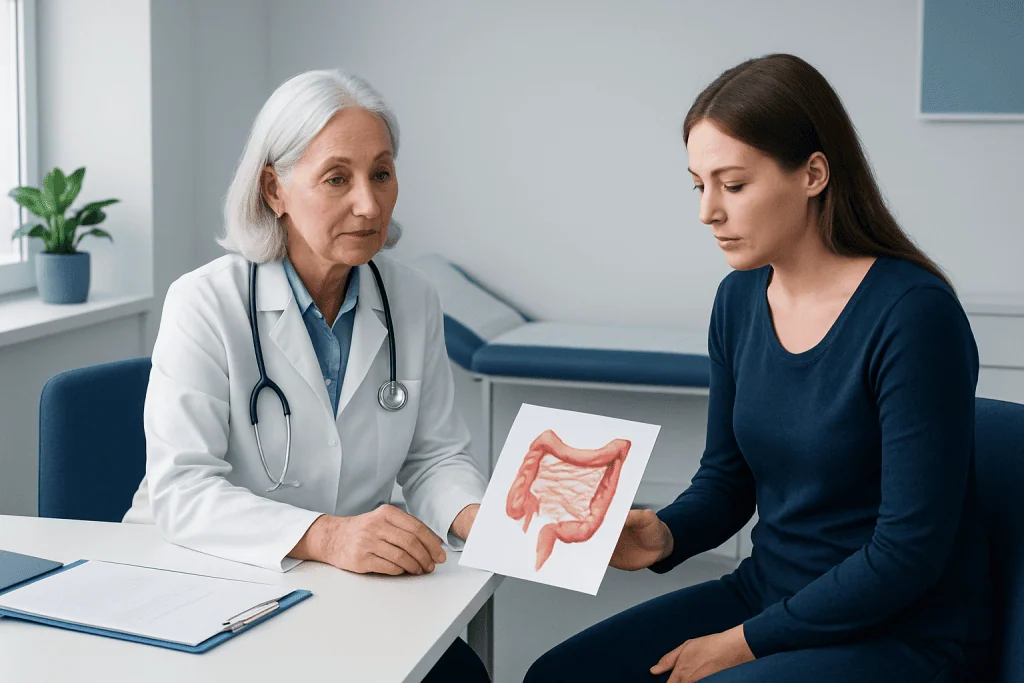
In Crohn’s disease, the immune system can remain active in the bowel even after symptoms improve. Immune-modifying treatment aims to interrupt inflammatory signals or reduce immune-cell activity, allowing the intestine to recover. Biologics are usually given by injection or intravenous infusion, while some other medicines are tablets and methotrexate may be given by tablet or injection depending on the treatment plan.
These treatments may be considered when Crohn’s disease is moderate to severe, when symptoms return after steroid treatment, when there is evidence of ongoing bowel inflammation, or when the condition has features linked with a greater risk of complications. They can also be considered earlier for people with fistulas, extensive disease, deep ulcers or significant growth and nutritional concerns.
Candidacy is individualized. The care team considers the location and behavior of Crohn’s disease, previous medicines, infection history, pregnancy plans, liver and kidney health, cancer history and other conditions. Shared decision-making is important because the best choice balances likely benefit, route of treatment, monitoring requirements and potential side effects.
For a broader explanation of the condition and its complications, patients can read Crohn's disease information.
What Is the Most Successful Treatment for Crohn's Disease?
There is no single most successful treatment for every person with Crohn’s disease. The most effective approach is the one that brings the individual into remission, controls inflammation over time and is safe and practical for their circumstances. For many people with moderate to severe disease, biologic or targeted therapies are highly effective options, but the response varies.
Corticosteroids can reduce inflammation quickly during a flare, but they are not suitable as a long-term maintenance treatment because of their side-effect profile. Immunomodulators may be used in selected cases, and biologics or targeted therapies may be used alone or in combination with another medicine under specialist supervision.
Treatment success is measured through more than symptom relief. Clinicians may use blood and stool markers, endoscopy, imaging, weight and nutritional measures to assess whether inflammation is controlled. Surgery can be the most appropriate and successful treatment for a complication such as a tight stricture, abscess or fistula, but it does not cure the underlying tendency toward Crohn’s inflammation.
Starting Treatment: Step by Step and Expected Timeline
The process normally begins with a review of symptoms, medical history, medicines and disease activity. Tests may include blood work, stool tests, colonoscopy, MRI or CT imaging, depending on the situation. The team also checks for anemia, nutritional deficiencies and infection risks that could affect treatment choices.
Before certain immune-suppressing therapies, clinicians may recommend vaccines or screening tests. Once a medicine is selected, the patient receives instructions about how and when to take it, what symptoms to report and when monitoring tests are needed. Injectable or infusion treatments are administered according to a set schedule, while oral treatments require regular daily use.
Response is assessed over weeks to months, depending on the medicine. Steroids may improve symptoms relatively quickly, whereas immunomodulators can take longer. Biologic and targeted treatments also differ in their onset. It is important not to stop or change treatment without advice, even when symptoms improve, because symptoms alone may not reflect the level of bowel inflammation.
There is no procedure-like recovery period after starting most medical treatments. However, follow-up is essential. People may need periodic blood tests, stool inflammatory markers, imaging or endoscopy to confirm that treatment is working and to identify side effects early.
Benefits, Risks and Everyday Monitoring
The main potential benefits of effective Crohn’s treatment are fewer symptoms, improved energy and nutrition, less reliance on steroids, healing of intestinal inflammation and fewer disease-related complications. Achieving stable remission may also support work, study, travel and daily activities.
Because immune-modifying medicines affect immune function, they can increase susceptibility to certain infections. The specific risks vary by treatment and can include changes in blood counts or liver tests, injection or infusion reactions, and uncommon but important longer-term risks. A clinician should explain the safety profile of each medicine before treatment begins.
Patients should promptly report fever, persistent cough, shortness of breath, painful urination, shingles-like rash, severe fatigue, unusual bruising or signs of an allergic reaction. Regular monitoring and keeping vaccines up to date, as advised by the treating team, are practical ways to support safer treatment.
For international patients, Acibadem International’s multidisciplinary specialists and JCI-accredited hospitals can assess Crohn’s disease and coordinate medical, nutritional, imaging and surgical care when needed.
What Are the Worst Foods to Avoid if You Have Crohn's Disease?
There is no universal list of “worst” foods for Crohn’s disease. Food does not cause Crohn’s disease, and a food that triggers symptoms for one person may be well tolerated by another. During a flare or when a narrowing is present, some people find that high-fiber foods, raw vegetables, nuts, seeds, popcorn, tough meat, spicy foods, alcohol, caffeine or high-fat meals worsen pain, diarrhea or bloating.
People with strictures should not make major fiber changes without speaking to their gastroenterology team, because certain fibrous foods may increase the risk of blockage symptoms. During active illness, a clinician or dietitian may suggest temporary changes in texture, fiber or meal size while ensuring adequate calories, protein, vitamins and minerals.
A food and symptom diary can help identify personal patterns without unnecessarily restricting the diet. It is usually better to avoid broad elimination diets unless guided by a registered dietitian, as Crohn’s disease can already increase the risk of malnutrition, iron deficiency and other nutrient deficiencies.
What Does a Crohn's Flare Feel Like and When to Seek Medical Care
A Crohn’s flare can feel different from person to person. Common features include more frequent or looser stools, urgent bowel movements, cramping or persistent abdominal pain, fatigue, reduced appetite, nausea, weight loss and a general feeling of being unwell. Some people notice blood or mucus in the stool, fever, mouth ulcers, joint pain or painful skin changes.
Symptoms can also have causes other than a flare, including infection, medication side effects, irritable bowel symptoms or a complication such as a stricture. Contact a gastroenterology clinician when symptoms are new, worsening, persistent or interfering with eating, hydration, sleep or daily life. Early assessment can help distinguish active inflammation from another cause and guide treatment safely.
Urgent medical care is important for severe or escalating abdominal pain, a swollen abdomen, repeated vomiting, inability to pass stool or gas, heavy rectal bleeding, fainting, confusion, high fever, signs of dehydration or severe weakness. These symptoms may indicate a serious complication and should not be managed by changing Crohn’s medicines independently.
Frequently asked questions
Is methotrexate chemotherapy for Crohn's disease?
Methotrexate is a medicine also used in some cancer treatments, but it may be used differently in Crohn's disease to modify immune activity. Its dosing, purpose and monitoring are determined by a gastroenterology specialist. Regular blood tests are commonly needed to monitor safety.
Can Crohn's disease be cured with chemotherapy?
There is currently no cure for Crohn's disease, and standard cancer chemotherapy is not a cure for it. Medical treatment can control inflammation, induce remission and lower the risk of complications. Some people may also need surgery for complications, but Crohn's disease can recur after surgery.
How long does it take for Crohn's medicines to work?
The timeline depends on the medicine and the severity of inflammation. Steroids can improve symptoms relatively quickly, while immunomodulators may take several weeks or longer. Biologic and targeted medicines have variable onset times, so clinicians monitor symptoms and inflammation markers over time.
Can I eat normally while taking treatment for Crohn's disease?
Many people can eat a varied diet when their Crohn's disease is in remission. During a flare, symptoms or complications such as narrowing may require temporary dietary adjustments. A gastroenterology dietitian can help create a plan that reduces symptoms while meeting nutritional needs.
Can stress cause a Crohn's flare?
Stress does not cause Crohn's disease, but it can worsen digestive symptoms and make a chronic condition harder to manage. Sleep, mental health support, physical activity suited to the individual and stress-management strategies may be helpful alongside medical treatment. New or significant symptoms should still be reviewed for active inflammation.
Should I stop Crohn's medication if I develop an infection?
A person should contact their prescribing clinician promptly if they develop signs of infection. Whether medication should be delayed or continued depends on the type of medicine and the severity of illness. It is not advisable to stop, restart or adjust immune-modifying treatment without medical guidance.
References
- Crohn's & Colitis Foundation
- National Institute of Diabetes and Digestive and Kidney Diseases
- American Gastroenterological Association
- European Crohn's and Colitis Organisation
- National Health Service
This article is for general information only and is not a substitute for professional medical advice. Please consult a qualified doctor about your individual situation.
Persistent digestive symptoms? Get evaluated in Turkey
JCI-accredited · board-certified surgeons · reply within 24h
Add us as a Preferred Source to see more of our trusted health content across Google Search, AI Overviews and Discover.

More from the Health Library



Related Specialists

Dr. Atiye Ayral
Physical Medicine & Rehabilitation
Dr. Aykut Ayyıldız
Intensive Care
Assoc. Prof. Dr. Aslihan Demirel
Infectious Diseases & Clinical Microbiology
Dr. İrem Bulut
Pediatrics