Crossbite: A Complete Medical Overview
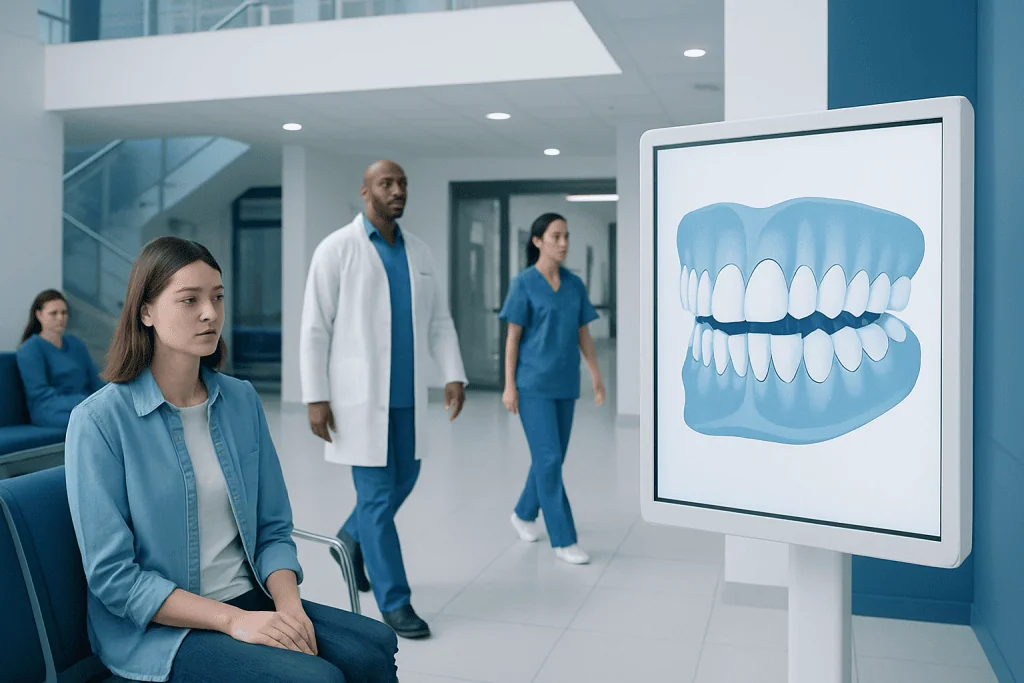
Crossbite can involve the front teeth, back teeth, or one side of the mouth. It may lead to uneven tooth wear, gum recession, chewing difficulty, or jaw strain if left untreated.
Key Takeaways
- Crossbite can involve the front teeth, back teeth, or one side of the mouth.
- It may lead to uneven tooth wear, gum recession, chewing difficulty, or jaw strain if left untreated.
- Common causes include genetics, delayed baby tooth loss, crowding, oral habits, and differences in jaw growth.
- Diagnosis usually involves a dental exam, bite assessment, and imaging when needed.
- Treatment depends on age and severity and may include monitoring, orthodontic appliances, braces, aligners, or jaw surgery in selected cases.
Crossbite is a dental bite problem in which one or more upper teeth close inside the lower teeth instead of outside them. It can affect front or back teeth, and early evaluation may help protect tooth wear, gum health, jaw comfort, and normal facial development.
Overview: What a Crossbite Means
A crossbite is a type of malocclusion, or bite misalignment, in which the upper teeth fit inside the lower teeth when the mouth closes. Normally, the upper teeth sit slightly outside the lower teeth. When that relationship is reversed in part of the mouth, it is called a crossbite. This can affect a single tooth, several teeth, or a larger section of the dental arch.
Crossbite is often described by where it occurs. An anterior crossbite involves the front teeth, while a posterior crossbite affects the back teeth. Some people have a dental crossbite caused mainly by tooth position, while others have a skeletal crossbite related to how the upper and lower jaws developed. A crossbite may also appear on one side only, which can sometimes cause the jaw to shift during biting.
Although some cases seem mild at first, a crossbite is more than a cosmetic issue. Depending on its severity, it may contribute to uneven tooth wear, gum irritation, chewing problems, and jaw discomfort over time. In children, it may also influence how the jaws grow. Because of this, dentists and orthodontists often recommend evaluation rather than waiting to see if it resolves on its own.
Signs and Symptoms of Crossbite
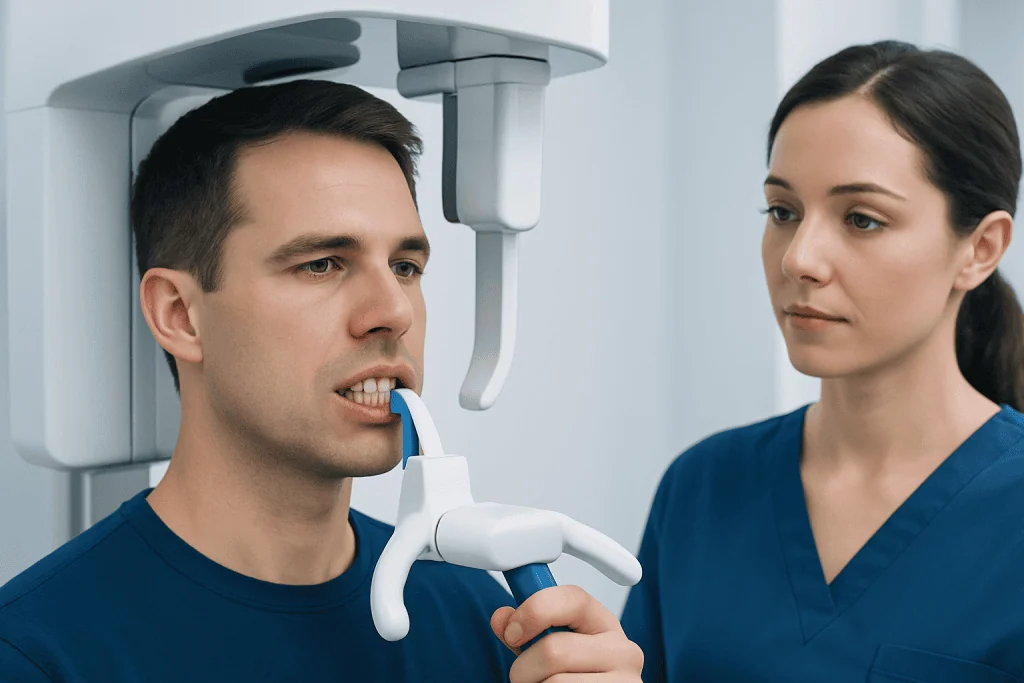
Some people with a crossbite notice no obvious symptoms and learn about it during a routine dental visit. Others may see that certain upper teeth sit behind the lower teeth when smiling or biting. Parents may notice that a child’s teeth do not line up evenly, or that the jaw appears to shift to one side when the child closes the mouth.
Symptoms can vary with age and severity. In mild cases, the main issue may be appearance or crowding. In more significant cases, the bite may place extra force on certain teeth, gums, or jaw joints. This can affect everyday functions such as chewing and speaking.
- Upper front teeth sitting behind lower front teeth
- Back teeth that bite inward on one or both sides
- Jaw shifting to one side when closing the mouth
- Uneven tooth wear or chipping
- Gum recession around affected teeth
- Chewing difficulty or biting the inside of the cheek
- Jaw soreness, clicking, or facial muscle fatigue in some cases
Not every jaw symptom is caused by a crossbite, and not every crossbite causes pain. Still, when bite problems are present along with tooth wear, gum changes, or discomfort, a professional assessment can help clarify whether the crossbite is contributing.
Causes and Risk Factors
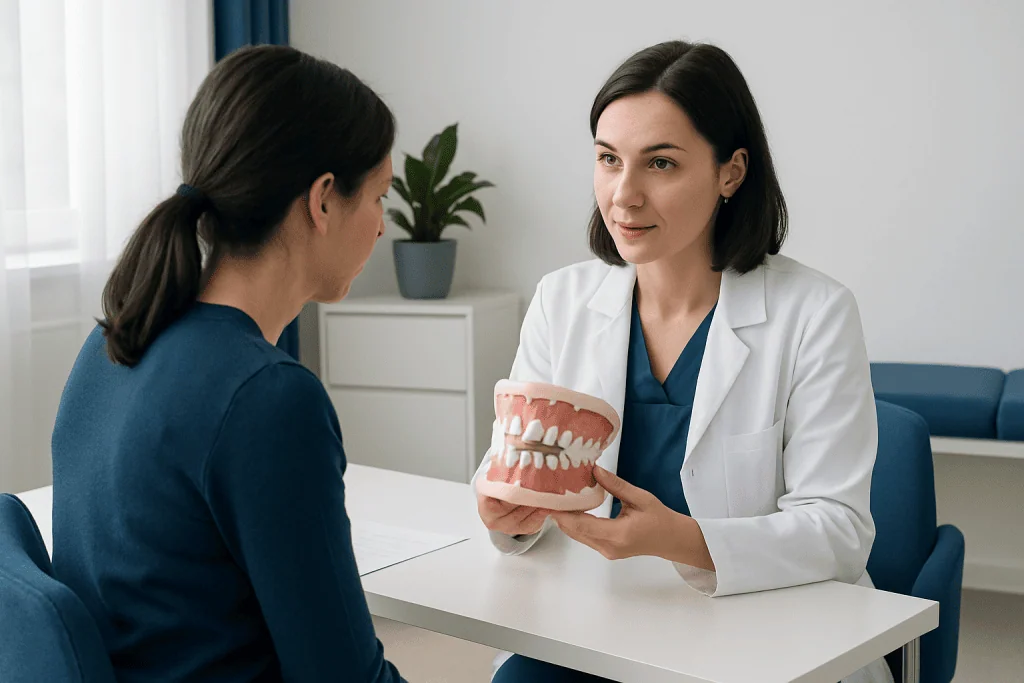
Crossbite can develop for several reasons, and often more than one factor is involved. Genetics plays an important role. A child may inherit tooth size, jaw size, or jaw shape patterns that make a crossbite more likely. For example, a narrow upper jaw or a relatively prominent lower jaw can change the way the teeth meet.
Growth and dental development also matter. Retained baby teeth, delayed eruption of permanent teeth, missing teeth, extra teeth, and crowding can all affect alignment. Oral habits in early childhood, such as thumb sucking, prolonged pacifier use, or mouth breathing related to nasal blockage, may also influence how the palate and bite develop in some children.
In adults, a crossbite may persist from childhood or become more noticeable as teeth shift over time. Gum disease, tooth loss, and gradual movement of teeth can change the bite. In some people, a crossbite exists alongside other bite conditions, such as underbite or a narrow upper arch that requires orthodontic expansion.
It is important to distinguish between dental and skeletal causes because treatment planning differs. A tooth-position problem may be corrected with orthodontics alone, while a jaw-related problem may require more comprehensive management, especially after growth is complete.
How Crossbite Is Diagnosed
Diagnosis begins with a clinical examination by a dentist or orthodontist. The clinician looks at how the teeth come together, whether the jaw shifts during closure, and whether there are signs of wear, gum recession, crowding, or asymmetry. The person’s age, dental history, and any symptoms such as chewing difficulty or jaw pain are also reviewed.
Imaging often helps confirm the type and extent of the problem. Dental X-rays can show tooth position, eruption patterns, and bone support. In orthodontic assessment, photographs, digital scans, or impressions may be used to study the bite in detail. Cephalometric imaging can help evaluate jaw relationships when a skeletal cause is suspected.
In children, the timing of evaluation matters because some growth-related issues respond best while the jaws are still developing. However, adults also benefit from diagnosis, especially if the crossbite is causing functional problems or if treatment is being considered to prevent further tooth and gum damage.
The goal of diagnosis is not only to label the bite but to understand its effects on oral function and long-term dental health. That helps guide whether monitoring is appropriate or active treatment is likely to be beneficial.
Treatment Options for Crossbite
Crossbite treatment depends on the person’s age, the number of teeth involved, and whether the problem is dental or skeletal. In children, early correction may guide jaw growth and reduce the chance of more complex treatment later. In adults, treatment can still be very effective, although skeletal problems are less likely to change without surgery once growth has finished.
Orthodontic treatment is often the main approach. Depending on the case, this may include braces, clear aligners, palatal expansion, elastics, or other appliances that move teeth or widen the upper arch. For patients who need specialist bite correction, treatment may involve orthodontic care planned around both appearance and function. In some children with a narrow upper jaw, palatal expansion may help create room and improve the way the back teeth fit together.
When a crossbite is mainly tooth-related and mild, treatment may be relatively straightforward. More complex cases can require staged care, especially if crowding, impacted teeth, or other alignment issues are present. If gum recession or tooth wear has already developed, restorative or periodontal support may also be needed as part of the plan.
For severe skeletal crossbite in adults, especially when the upper and lower jaws are significantly mismatched, combined orthodontic and surgical treatment may be discussed. This can include jaw surgery after detailed planning. The choice of treatment is individualized, and a clinician will balance function, oral health, facial proportions, and patient preferences.
Prevention, Self-care, and Living With Crossbite
Not every crossbite can be prevented, especially when genetics and jaw growth are the main causes. Still, good dental follow-up can help detect problems early. Regular dental checkups allow clinicians to monitor how baby and permanent teeth are erupting and whether the jaws are developing symmetrically.
Parents can help by addressing prolonged thumb sucking or pacifier use if advised by a pediatric dentist, and by seeking assessment for persistent mouth breathing or nasal obstruction. Early review is particularly useful when a child has visibly crowded teeth, a narrow palate, or a bite that causes the jaw to slide sideways.
For people already living with a crossbite, daily oral hygiene is important because crowded or misaligned teeth can be harder to clean. A soft toothbrush, fluoride toothpaste, and flossing or interdental cleaning can help protect the teeth and gums. Avoiding habits such as chewing ice or using the teeth to open packaging may also reduce extra stress on teeth that are already meeting unevenly.
During orthodontic treatment, careful oral hygiene and attendance at follow-up visits support better outcomes. If the crossbite is associated with conditions such as jaw joint problems, the dental team may also recommend measures to reduce strain, such as soft diet choices during flare-ups or targeted jaw exercises under professional guidance.
When to Seek Medical Care
A dentist or orthodontist should assess a suspected crossbite if the teeth do not line up normally, the jaw shifts when closing, or there is visible asymmetry in the bite. This is especially important in children, because growth can affect treatment timing and options. Early evaluation does not always mean immediate treatment, but it helps identify whether monitoring or intervention is best.
Adults should seek care if a crossbite is causing tooth wear, chipping, gum recession, difficulty chewing, or jaw discomfort. An assessment is also reasonable before restorative dental work, such as crowns or implants, because bite alignment can affect long-term results.
Prompt review is advisable if there is persistent pain, limited jaw opening, repeated biting of the cheeks, or sudden changes in the way the teeth meet. These symptoms may reflect a bite issue, a temporomandibular joint problem, or another dental condition that needs attention.
For international patients needing diagnosis or treatment planning, Acibadem International’s multidisciplinary specialists in JCI-accredited hospitals evaluate bite disorders and related dental concerns with coordinated care.
Frequently asked questions
What is a crossbite?
A crossbite is a bite problem in which one or more upper teeth close inside the lower teeth instead of outside them. It can affect the front teeth, the back teeth, or both, and it may occur on one side or both sides of the mouth.
Is crossbite only a cosmetic issue?
No. While appearance can be one concern, crossbite may also affect chewing, tooth wear, gum health, and jaw comfort. In children, some types can influence how the jaws grow if they are not monitored or treated.
Can a crossbite correct itself?
A true crossbite usually does not reliably correct itself. Because the bite may affect growth or place uneven pressure on teeth, it is best to have it evaluated by a dentist or orthodontist rather than waiting for spontaneous improvement.
At what age should a child be checked for crossbite?
A child can be evaluated as soon as a bite problem is noticed, even in the early mixed dentition years when both baby and permanent teeth are present. Early assessment helps determine whether observation is enough or whether treatment timing matters for jaw development.
Can adults get treatment for crossbite?
Yes. Adults can often be treated successfully with orthodontic methods such as braces or aligners, and some cases require additional procedures depending on the cause. If the problem is mainly related to jaw structure, surgery may sometimes be considered after specialist assessment.
Does crossbite cause TMJ problems?
A crossbite can contribute to jaw strain in some people, especially if it causes the jaw to shift during biting. However, jaw joint symptoms have many possible causes, so a professional evaluation is needed to decide whether the bite is playing a role.
References
- American Association of Orthodontists
- American Dental Association
- National Institute of Dental and Craniofacial Research
- British Orthodontic Society
- American Academy of Pediatric Dentistry
This article is for general information only and is not a substitute for professional medical advice. Please consult a qualified doctor about your individual situation.
Explore treatments in Turkey — costs, top hospitals & a free quote
JCI-accredited · board-certified surgeons · reply within 24h
Add us as a Preferred Source to see more of our trusted health content across Google Search, AI Overviews and Discover.

More from the Health Library

Dyshidrotic Eczema: A Complete Medical Overview
Underweight: An Evidence-Based Guide for Patients
Bad Parenting — Explained by Medical Evidence, Not Myths
Lingual Frenulum — Explained by Medical Evidence, Not Myths

Wellness Shot: A Complete Medical Overview

Permissive Hypertension — Explained by Medical Evidence, Not Myths
Related Specialists

Prof. Dr. Emine Nur Tozan
Treatment of Pain Algology
Dt. Tuğba Erol Songül
Dentistry
Dt. Ayşegül Coşkun
Oral & Dental Health
Dr. Seda Saygılı Özaydın
Oral & Dental Health