Bad Parenting — Explained by Medical Evidence, Not Myths

Bad parenting is a broad social term, not a single medical condition or a label for ordinary parenting mistakes. What matters clinically is whether a child is exposed to ongoing neglect, fear, inconsistency, or unmet emotional and physical needs.
Key Takeaways
- Bad parenting is a broad social term, not a single medical condition or a label for ordinary parenting mistakes.
- What matters clinically is whether a child is exposed to ongoing neglect, fear, inconsistency, or unmet emotional and physical needs.
- Children may show stress through mood changes, sleep problems, school difficulties, behavior changes, or physical complaints.
- Parents may struggle because of stress, trauma, depression, substance use, relationship conflict, or lack of support.
- Early evaluation by a pediatrician or mental health professional can help identify risks and connect families with practical support.
Bad parenting is not a formal medical diagnosis, but the term is often used to describe caregiving patterns that are consistently harsh, neglectful, unpredictable, or emotionally unavailable. Medical evidence shows that these patterns can affect a child's emotional, behavioral, and physical health, while support and early intervention can improve outcomes for both children and caregivers.
Overview: what “bad parenting” means in medical terms
Bad parenting is not a medical diagnosis, and it does not mean a parent is permanently harmful because of a few mistakes, arguments, or stressful days. In health care, the more useful question is whether a child is living with persistent caregiving patterns that are unsafe, emotionally harmful, neglectful, or so inconsistent that they interfere with healthy development.
Medical and psychological evidence focuses less on labels and more on effects. A child may be affected when basic needs are not met, when discipline becomes frightening or humiliating, when emotional support is absent, or when the home environment is chaotic and unpredictable for long periods. These experiences can influence stress responses, attachment, learning, sleep, and behavior.
It is also important to keep perspective. Most parents make mistakes and later repair them by listening, apologizing, setting clearer limits, or asking for help. Healthy parenting is not perfect parenting. What raises concern is a repeated pattern that leaves a child feeling unsafe, ignored, blamed, or unsupported.
How unhealthy parenting patterns can affect a child
Children depend on caregivers for safety, regulation, and learning. When caregiving is consistently harsh, rejecting, or neglectful, a child may stay in a more activated state of stress. Over time, this can affect emotional regulation, relationships, concentration, and even physical symptoms such as headaches, stomach aches, or sleep disruption.
The impact is not the same for every child. Age, temperament, school support, extended family, community stability, and the presence of one reliable adult can all influence outcomes. Some children become withdrawn and anxious, while others become more impulsive, oppositional, or emotionally reactive.
Possible effects may include:
- Persistent anxiety, sadness, irritability, or fearfulness
- Sleep problems, nightmares, or bedwetting beyond the expected age
- Regression in skills, clinginess, or difficulty separating
- School avoidance, poor concentration, or a drop in academic performance
- Aggression, self-blame, low self-esteem, or social withdrawal
- Physical complaints without a clear medical cause
These signs are not specific to parenting alone. Similar symptoms can occur with learning disorders, bullying, anxiety, depression, trauma exposure, and other conditions such as ADHD or autism. A proper assessment looks at the whole child and the whole family environment.
What patterns raise concern
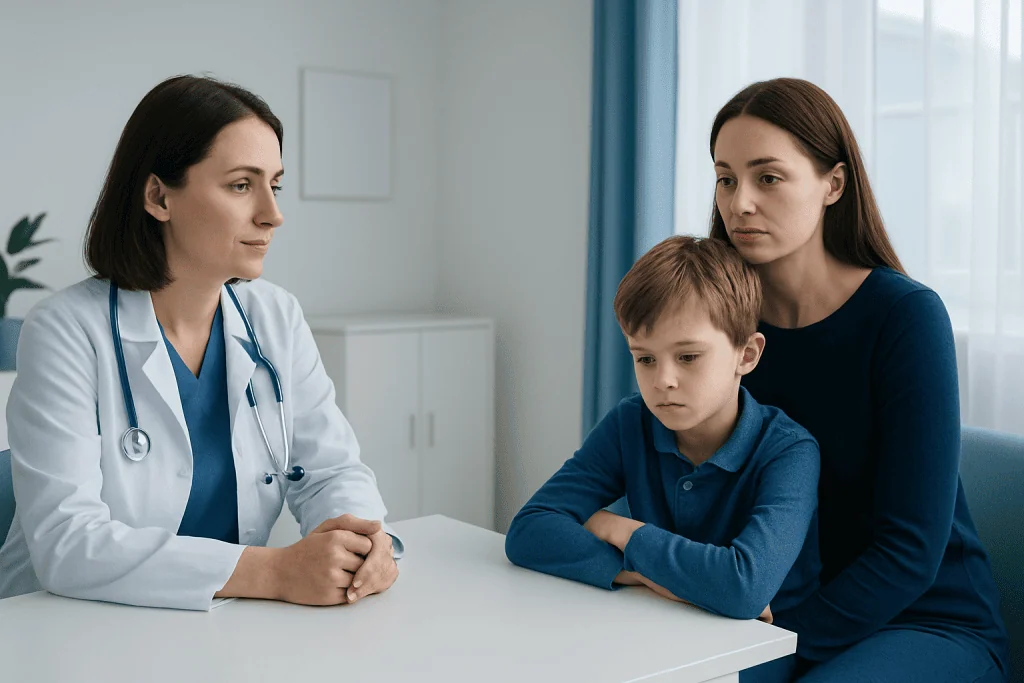
Clinical concern usually centers on patterns rather than isolated events. A parent who occasionally loses patience, then repairs the interaction and changes course, is very different from a caregiver who repeatedly uses fear, humiliation, rejection, or neglect. The pattern, intensity, and duration matter.
Examples of concerning patterns include chronic shouting, threats, insults, emotional withdrawal used as punishment, extreme control, exposure to domestic conflict, lack of supervision, ignoring medical or educational needs, or placing adult emotional burdens on a child. Severe physical punishment and any form of sexual abuse require immediate safeguarding and professional intervention.
Some situations are less obvious but still important. A child may be materially provided for but emotionally unsupported, constantly criticized, or expected to care for siblings or a parent in age-inappropriate ways. In other families, unpredictable routines, parental mental health symptoms, or substance misuse create instability even when there is affection.
Parenting style discussions in popular media can oversimplify the issue. Strict rules alone do not equal bad parenting, and a warm household can still need better boundaries. Medical evidence looks at whether caregiving helps a child feel safe, understood, guided, and consistently protected.
Why harmful parenting patterns happen
Unhealthy parenting often develops in the context of overwhelming stress rather than a lack of love. Parents may be affected by depression, anxiety, unresolved trauma, chronic illness, financial pressure, social isolation, work strain, or relationship conflict. Some did not experience stable caregiving themselves and may not have learned effective ways to regulate emotions or respond to a child’s needs.
Substance use, untreated mental health conditions, and intimate partner violence can strongly impair caregiving capacity. In these situations, the problem is not simply “discipline style”; it may involve illness, danger, and a reduced ability to provide safe, consistent care. A parent may need assessment and treatment as much as the child does.
Risk tends to increase when several stressors happen at the same time. For example, a sleep-deprived parent with depression, little social support, and a child with challenging behavior may feel trapped in repeated conflict. This does not excuse harmful behavior, but it does explain why practical help and treatment can be effective.
Understanding causes matters because it shifts the conversation from blame to intervention. A family may benefit from pediatric review, counseling, parent training, social support, or, when needed, psychiatric care and structured family-based therapy.
How doctors and mental health professionals assess the situation
Assessment usually begins with a detailed history rather than a simple label. A pediatrician, child psychiatrist, psychologist, or family doctor may ask about the child’s mood, sleep, school functioning, behavior, developmental milestones, relationships, medical history, and the daily home routine. They also consider stressors affecting caregivers.
Health professionals look for signs of neglect, trauma, anxiety, depression, developmental differences, learning difficulties, and physical health concerns. Depending on the child’s age and symptoms, evaluation may include screening questionnaires, behavioral observations, discussion with school staff, and referral for developmental or mental health testing.
In some cases, symptoms that seem related to parenting may overlap with conditions needing direct treatment, such as depression or trauma-related disorders. If there are unexplained physical complaints, a clinician may also rule out medical causes. The goal is not to assign blame but to understand what the child needs to be safe and to function well.
Where there are serious safeguarding concerns, clinicians have a duty to act according to local child protection laws. This can include urgent referral to social services or emergency care. In less urgent cases, the focus is usually on support, education, treatment, and close follow-up.
Treatment and support for the child and family
There is no single treatment called “bad parenting treatment” because the right approach depends on the child’s needs and the family situation. Effective support often combines help for the child, support for caregivers, and practical changes at home. The earlier this starts, the better the chance of improving family functioning and reducing distress.
For children, treatment may include counseling, play therapy, trauma-focused therapy, school support, or care for specific conditions such as anxiety, depression, sleep problems, or behavioral difficulties. Families may be referred for child and adolescent psychiatry when emotional or behavioral symptoms are significant or complex.
For parents, interventions may include parenting skills programs, individual therapy, couple or family therapy, treatment for depression or anxiety, support for substance use, and help building routines around sleep, meals, school, and discipline. A calm, predictable environment and consistent responses are often more effective than punishment-based approaches.
In families dealing with repeated conflict, communication-focused care such as family therapy can help identify patterns, improve boundaries, and rebuild trust. Near the end of the care pathway, some families also benefit from multidisciplinary review; Acibadem International’s specialists in JCI-accredited hospitals diagnose and treat related child and family mental health concerns for international patients.
What healthier parenting looks like in practice
Evidence-based parenting is not about being endlessly permissive or always calm. It usually combines warmth with structure: clear expectations, predictable routines, age-appropriate consequences, and emotional responsiveness. Children generally do best when caregivers are consistent, attentive, and able to repair conflict after difficult moments.
Helpful practices include noticing a child’s emotional state before behavior escalates, using simple and specific instructions, praising effort, setting limits without humiliation, and keeping consequences related and proportionate. Parents can also model self-regulation by taking a pause before reacting and by apologizing when they overstep.
Self-care matters because exhausted caregivers have less capacity for patience and connection. Regular sleep, support from relatives or community services, treatment for mental health symptoms, and realistic expectations of child development can all reduce conflict. Asking for help is a protective step, not a failure.
Families should not compare themselves with idealized images online. A healthier goal is a home where children feel physically safe, emotionally heard, and reliably guided, even though mistakes still happen and relationships sometimes need repair.
When to seek medical care
Medical or mental health evaluation is appropriate if a child has persistent sadness, anxiety, aggression, sleep problems, regression, self-harm behaviors, school refusal, sudden behavior change, or repeated physical complaints such as headaches or stomach pain without a clear explanation. It is also important to seek help if a parent feels out of control, hopeless, unable to bond with the child, or worried they may hurt themselves or someone else.
Urgent help is needed if there are signs of abuse, severe neglect, suicidal thoughts, threats of violence, substance intoxication affecting child safety, or a child who appears fearful of going home. In these situations, contacting emergency services or local child protection services may be necessary.
For non-emergency concerns, a pediatrician or family doctor can be the first point of contact. They can assess the child, document concerns, and coordinate referrals to psychology, social work, or psychology services when appropriate. Early support can reduce distress and strengthen family relationships.
Frequently asked questions
Is bad parenting a medical diagnosis?
No. Bad parenting is a general social term, not a formal medical diagnosis. Clinicians instead assess specific concerns such as neglect, harsh discipline, trauma exposure, attachment problems, developmental needs, and the child's emotional or behavioral symptoms.
Can one parenting mistake harm a child long term?
Usually, no. Children generally tolerate occasional mistakes when the caregiver later repairs the relationship with reassurance, consistency, and safer behavior. Greater concern arises when harmful interactions are frequent, severe, or ongoing over time.
What are common signs that a child may be affected by unhealthy parenting?
Possible signs include anxiety, irritability, sleep problems, withdrawal, aggression, school difficulties, physical complaints, or sudden changes in behavior. These signs are not specific to parenting alone, so a professional evaluation helps clarify the cause.
Can stressed or depressed parents improve their parenting?
Yes. Many parents improve significantly when they receive treatment for depression, anxiety, trauma, substance use, or overwhelming stress, along with practical parenting support. Change is often more successful when help addresses both the parent's well-being and the child's needs.
When should a family seek professional help?
Help should be sought when a child's symptoms persist, family conflict feels constant, discipline becomes frightening or humiliating, or a parent feels unable to cope safely. Immediate help is needed if there is abuse, severe neglect, suicidal thinking, or a serious risk of harm.
Does strict parenting always mean bad parenting?
Not necessarily. Clear rules and firm limits can be healthy when they are age-appropriate, predictable, and delivered with respect and emotional support. Strictness becomes harmful when it relies on fear, shame, threats, or unrealistic expectations.
References
- American Academy of Pediatrics
- Centers for Disease Control and Prevention
- World Health Organization
- National Institute of Mental Health
- American Academy of Child and Adolescent Psychiatry
This article is for general information only and is not a substitute for professional medical advice. Please consult a qualified doctor about your individual situation.
Explore treatments in Turkey — costs, top hospitals & a free quote
JCI-accredited · board-certified surgeons · reply within 24h
Add us as a Preferred Source to see more of our trusted health content across Google Search, AI Overviews and Discover.

More from the Health Library

Congenital Hypothyroidism: A Complete Medical Overview

Aniracetam: A Complete Medical Overview

Chalazion: A Complete Medical Overview

Blind in One Eye: An Evidence-Based Guide for Patients

Salt Lamps: An Evidence-Based Guide for Patients