Crying — Explained by Medical Evidence, Not Myths

Crying can be triggered by emotions, physical discomfort, stress, hormones, or eye irritation. Not all crying reflects sadness; it may also occur with relief, frustration, joy, fatigue, or neurological conditions.
Key Takeaways
- Crying can be triggered by emotions, physical discomfort, stress, hormones, or eye irritation.
- Not all crying reflects sadness; it may also occur with relief, frustration, joy, fatigue, or neurological conditions.
- Frequent or unexplained crying can sometimes be linked to depression, anxiety, grief, hormone changes, or certain brain and nerve disorders.
- Doctors assess crying by looking at timing, triggers, mood symptoms, physical symptoms, medicines, and overall health.
- Medical care is important if crying is persistent, disruptive, paired with low mood or thoughts of self-harm, or starts after a neurological event.
Crying is a normal human response to emotion, pain, stress, and even eye irritation. Most crying is not a sign of disease, but crying that is frequent, unexpected, or hard to control may deserve medical attention.
Overview: what crying means medically
Crying is a natural human response involving emotion, the brain, the nervous system, and tear production. It can happen during sadness, stress, joy, pain, frustration, exhaustion, or strong relief. In many cases, crying helps communicate distress and can be part of healthy emotional regulation rather than a sign that something is wrong.
Medical evidence shows that crying is not caused by one single factor. It may reflect a normal emotional reaction, a response to physical irritation such as dry eyes, or a symptom linked to a mental health or neurological condition. The context matters: how often the crying happens, whether it matches the person’s feelings, and whether it interferes with daily life.
There are also different types of tears. Basal tears keep the eyes moist, reflex tears help clear irritants like smoke or dust, and emotional tears occur with strong feelings. Because crying sits at the intersection of body and mind, a careful, balanced view is more helpful than common myths that label crying as weakness or assume it always means depression.
How crying happens in the body and brain
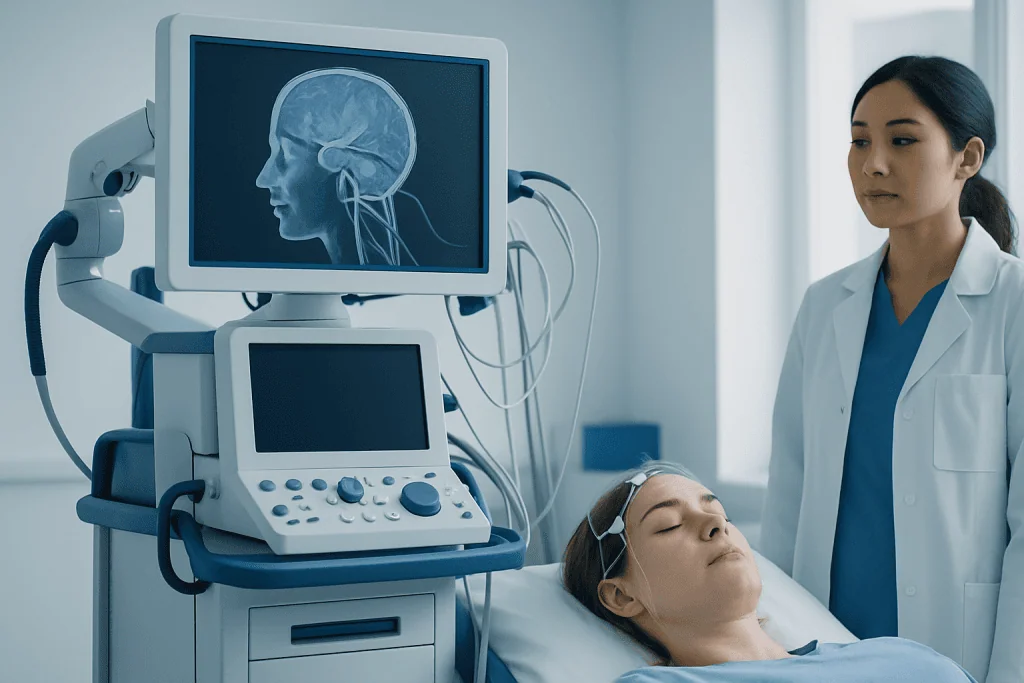
Crying involves coordination between emotional centers in the brain, the autonomic nervous system, facial muscles, breathing patterns, and the tear glands. When a person experiences a strong trigger, the brain interprets that event and can activate physical responses such as tear flow, a lump in the throat, changes in voice, and altered breathing.
The limbic system, which helps process emotions, works together with brainstem pathways that control tear production and facial expression. This is one reason crying can feel both emotional and physical at the same time. Some people also notice flushing, chest tightness, trembling, or temporary difficulty speaking while crying.
Crying is influenced by age, personality, culture, sleep, stress load, and hormone shifts. Some individuals cry easily and remain healthy, while others cry very rarely. A doctor usually becomes more concerned when crying changes suddenly, seems out of proportion to the situation, or is associated with other symptoms such as severe anxiety, memory changes, weakness, or major changes in mood.
Common reasons people cry

Many episodes of crying are part of ordinary life. Emotional triggers can include grief, disappointment, conflict, loneliness, empathy, happiness, or feeling overwhelmed. Physical triggers can include pain, fatigue, poor sleep, illness, hormonal changes, or irritation of the eyes. Crying may also appear after prolonged stress, even if the person has been “holding it together” for a long time.
Life stages and hormonal transitions can affect crying patterns. Puberty, the menstrual cycle, pregnancy, and the postpartum period can all influence emotional sensitivity. Crying may also become more noticeable during times of burnout, caregiving strain, chronic illness, or major transitions such as moving, retirement, or bereavement.
There are also medical explanations that are sometimes overlooked. Dry eyes, allergies, migraine, medication side effects, alcohol use, and sleep deprivation can all lower the threshold for crying or create physical tearing. In some cases, crying is linked to mood conditions such as depression or to heightened fear and bodily tension seen in anxiety.
- Emotional stress or grief
- Joy, relief, or emotional release
- Pain, illness, or exhaustion
- Hormonal changes
- Eye irritation or dryness
- Mental health or neurological conditions
When crying may point to a health condition
Crying may need closer evaluation when it becomes frequent, unpredictable, or difficult to control. Persistent crying can sometimes occur with depression, anxiety disorders, trauma-related conditions, complicated grief, or significant stress overload. In these settings, crying is usually only one part of a broader picture that may include sleep changes, appetite changes, loss of interest, poor concentration, irritability, guilt, or physical tension.
Sometimes crying is not fully explained by emotion alone. A person may cry more easily after a stroke, traumatic brain injury, multiple sclerosis, or other neurological disorders that affect emotional expression. In pseudobulbar affect, for example, episodes of crying or laughing may be sudden, hard to control, and not fully match how the person actually feels. This pattern deserves medical assessment.
Physical causes should not be forgotten. Eye conditions, chronic pain, medication effects, thyroid problems, substance use, and hormonal shifts can all contribute. If crying is part of a wider symptom pattern, doctors may look for underlying issues rather than treating the crying itself as a stand-alone problem.
How doctors evaluate frequent or unexplained crying
Evaluation starts with a detailed history. A doctor may ask when the crying began, how often it happens, what triggers it, whether it matches the person’s mood, and whether it affects work, relationships, or sleep. They may also ask about grief, recent stress, menstrual or postpartum changes, past mental health conditions, alcohol or drug use, and any new medicines.
A general physical exam can help identify signs of medical illness, while an eye assessment may be relevant if tearing or irritation is prominent. If low mood, panic, emotional numbness, or loss of enjoyment is present, the clinician may screen for common mental health conditions. If the crying changed after a neurological event or appears disconnected from emotion, neurological evaluation may also be needed.
Tests are not necessary for everyone. They are usually guided by symptoms and may include blood tests or referrals if a doctor suspects a hormonal, neurological, or psychiatric cause. In some cases, brain imaging such as MRI may be considered if there are concerning neurological symptoms, and structured assessment may involve neurological examination or a mental health review.
Treatment and support options
Treatment depends on the cause. If crying is related to stress, grief, or life pressure, supportive counseling, stress management, improved sleep, and restoring daily routines can help. When crying is linked to depression, anxiety, or trauma, evidence-based mental health care may include psychotherapy, lifestyle support, and sometimes medication prescribed by a qualified clinician.
If there is a physical cause, treatment focuses on that problem. Dry eyes may improve with measures recommended by an eye specialist. Hormonal or thyroid issues may need medical treatment. If a neurological condition is affecting emotional expression, a neurologist can help identify the pattern and guide management. Mental health care may include psychiatric evaluation and treatment when symptoms are persistent or significantly affect everyday functioning.
Self-care still matters, even when professional care is needed. Helpful steps include regular sleep, predictable meals, limiting alcohol, physical activity if appropriate, and finding safe ways to express emotion. For some people, structured breathing, journaling, social support, or therapy provides more relief than trying to suppress crying completely.
Near the end of the care pathway, some people benefit from a multidisciplinary approach, especially when symptoms overlap across emotional and neurological health. Acibadem International’s multidisciplinary specialists and JCI-accredited hospitals diagnose and treat related conditions for international patients when further assessment is needed.
Prevention and self-care in daily life
Not all crying can or should be prevented, because it is a normal response. The goal is not to eliminate emotion but to support overall well-being and notice when the pattern changes. Daily habits that reduce stress on the body and mind can lower the likelihood of feeling overwhelmed and may make crying episodes easier to recover from.
Practical self-care includes keeping a regular sleep schedule, staying hydrated, taking breaks during emotionally demanding periods, and limiting substances that worsen mood instability. It can also help to identify common triggers such as exhaustion, overstimulation, unresolved conflict, or too much isolation. Tracking patterns in a notebook or phone may reveal links between crying and sleep, stress, hormones, or medication changes.
People who cry often may feel embarrassed, but self-judgment usually makes distress worse. A more useful approach is to ask what the crying may be signaling: tiredness, sadness, overload, grief, pain, or a need for support. If patterns remain unclear or symptoms are escalating, professional guidance is appropriate rather than relying on myths or social stigma.
When to seek medical care
Medical care is worth seeking if crying becomes frequent, intense, or difficult to control, especially if it interferes with daily life, work, relationships, or sleep. It is also important to speak with a doctor if crying is accompanied by ongoing low mood, hopelessness, panic, major appetite changes, loss of interest in usual activities, or marked fatigue.
Urgent attention is needed if crying comes with thoughts of self-harm, thoughts of suicide, inability to care for oneself, confusion, sudden personality change, weakness, speech problems, or symptoms after a head injury or stroke. A new pattern of crying that does not fit the person’s usual emotional experience should also be evaluated, particularly in older adults or anyone with neurological symptoms.
If the main issue is tearing, burning, redness, or eye discomfort rather than emotion, an eye-related cause may be responsible. If crying follows childbirth and is severe, lasts beyond the expected short-term “baby blues,” or includes hopelessness or intrusive thoughts, medical review should not be delayed.
Frequently asked questions
Is crying normal?
Yes. Crying is a normal human response to emotion, pain, stress, and even eye irritation. By itself, crying does not mean a person has a mental or physical illness.
Why do some people cry more easily than others?
People differ in emotional sensitivity, stress load, personality, culture, hormones, and sleep quality. Some naturally cry more easily, and this can still be completely healthy. What matters most is whether the pattern is new, extreme, or interfering with daily life.
Can crying be a sign of depression?
It can be, but not always. Depression usually involves a broader group of symptoms such as persistent low mood, loss of interest, fatigue, guilt, sleep changes, and difficulty concentrating. Frequent crying should be interpreted in the full context of a person’s emotional and physical health.
Is unexplained crying ever related to the brain or nerves?
Yes. In some cases, crying can occur after stroke, brain injury, multiple sclerosis, or other neurological conditions. When episodes are sudden, hard to control, or do not match a person’s actual feelings, a medical evaluation is important.
Should crying always be stopped or suppressed?
Not necessarily. Crying can be a healthy expression of emotion and may bring temporary relief. The goal is not to suppress all crying, but to understand what is causing it and seek help if the pattern becomes persistent or distressing.
When is crying an emergency?
It is an emergency if crying is accompanied by thoughts of self-harm or suicide, confusion, sudden neurological symptoms, or inability to function safely. In these situations, urgent medical or emergency help should be sought right away.
References
- National Institute of Mental Health
- American Psychiatric Association
- National Institute of Neurological Disorders and Stroke
- American Academy of Ophthalmology
- World Health Organization
This article is for general information only and is not a substitute for professional medical advice. Please consult a qualified doctor about your individual situation.
Explore treatments in Turkey — costs, top hospitals & a free quote
JCI-accredited · board-certified surgeons · reply within 24h
Add us as a Preferred Source to see more of our trusted health content across Google Search, AI Overviews and Discover.