Cvid Treatment: How It Works, Results and What to Expect

Immunoglobulin replacement therapy is the main treatment for most people with CVID. Treatment is designed to reduce infections and protect organs; it does not currently cure the underlying immune disorder.
Key Takeaways
- Immunoglobulin replacement therapy is the main treatment for most people with CVID.
- Treatment is designed to reduce infections and protect organs; it does not currently cure the underlying immune disorder.
- Immunoglobulin can be given into a vein at scheduled intervals or under the skin more frequently.
- Some people also need antibiotics, lung care, digestive evaluation or treatment for autoimmune and inflammatory complications.
- Regular follow-up and early assessment of new or persistent symptoms are important parts of CVID care.
CVID treatment helps replace missing protective antibodies, reduce infections and prevent or manage related complications. Care is individualized and usually coordinated by a clinical immunology team over the long term.
CVID treatment: what it does and what to expect
CVID treatment, short for common variable immunodeficiency treatment, mainly involves immunoglobulin replacement therapy. This treatment supplies antibodies that the body is unable to make in sufficient amounts, helping to lower the frequency and severity of bacterial infections and reduce the risk of long-term organ damage.
CVID is a primary immune deficiency that affects antibody production. Treatment is usually lifelong, but the approach can be adapted over time according to infection history, antibody levels, side effects and complications. Most people receive ongoing care from a clinical immunologist, often with input from respiratory, gastroenterology, hematology and other specialists when needed.
Although treatment cannot currently correct the underlying genetic or immune-system problem, it can make a meaningful difference to daily health. The goal is not only fewer infections, but also timely detection and treatment of conditions that can occur alongside CVID, such as chronic lung disease, digestive inflammation or autoimmune disease.
How immunoglobulin replacement works
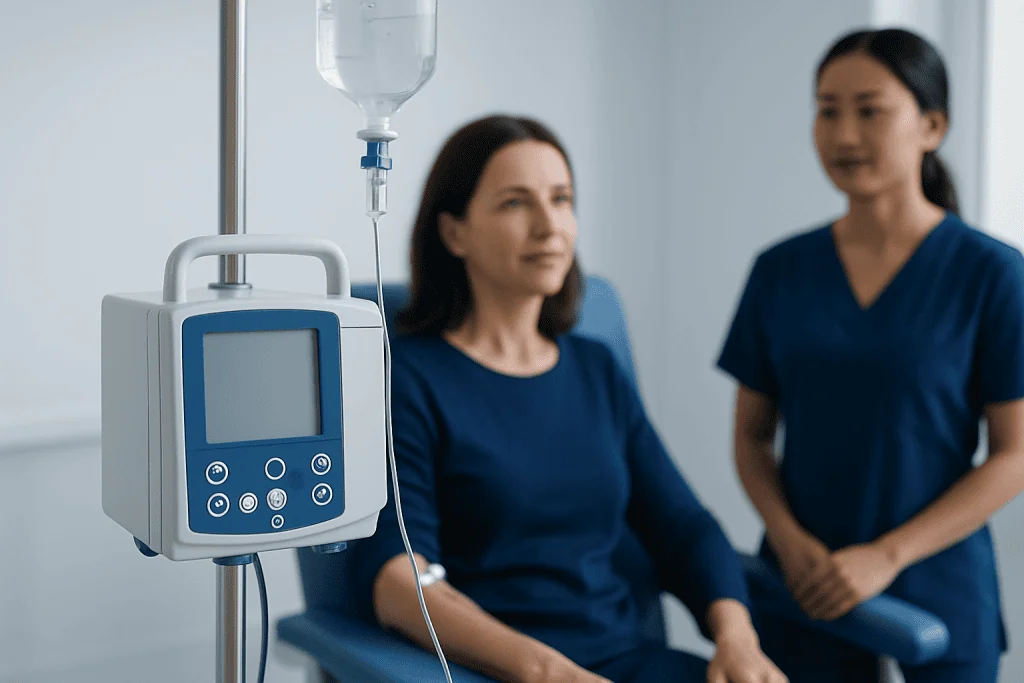
Immunoglobulin is a purified preparation of antibodies collected from carefully screened human plasma donors. Antibodies are proteins that recognize germs and support the immune system in fighting infection. In CVID, immunoglobulin replacement provides the antibody protection that is low or absent.
There are two main routes. Intravenous immunoglobulin, often called IVIG, is infused into a vein in a clinic, hospital or sometimes at home under an established supervised program. It is commonly given every few weeks. Subcutaneous immunoglobulin, known as SCIG, is infused slowly into the fatty tissue beneath the skin, usually at home after training, and is commonly administered weekly or at other individualized intervals.
Both methods can be effective. IVIG may suit people who prefer less frequent treatment or who need clinical supervision during infusions. SCIG offers steadier antibody levels and can provide more scheduling independence for some people. The most suitable option depends on medical needs, vein access, lifestyle, local services and personal preference.
Immunoglobulin replacement is distinct from a vaccine: it gives ready-made antibodies rather than asking the body to produce its own. Vaccination decisions in CVID should therefore be made with the treating immunologist, since immune responses and vaccine suitability vary between individuals.
Who may be a candidate and how treatment is planned

Immunoglobulin replacement is generally considered for people with a confirmed diagnosis of CVID who have low levels of key antibodies and impaired antibody responses, particularly when they experience recurrent, severe or unusual infections. Diagnosis and treatment planning should be performed by an experienced clinician because low immunoglobulin levels can have several causes.
Before starting therapy, the team reviews infection patterns, past hospital admissions, medication use, family history and any signs of complications. Blood tests commonly measure immunoglobulin levels and response to selected vaccines. Depending on symptoms, assessment may also include lung function testing, chest imaging, stool studies, liver tests or evaluation for autoimmune conditions.
Not every symptom in a person with CVID is caused by infection. Persistent cough, breathlessness, diarrhea, abdominal pain, unexplained weight change, swollen lymph nodes, anemia or joint symptoms may require separate assessment. Identifying these issues early helps the team create a care plan that addresses both infection prevention and the wider effects of the condition.
For patients needing coordinated care, clinical immunology services can help bring together the appropriate assessments and specialties. A personalized plan should also account for pregnancy plans, work or travel demands, previous reactions to blood products and access to reliable follow-up.
What happens during treatment and the early adjustment period
Before the first infusion, the clinical team explains the product, route, schedule, expected sensations and signs that should be reported. Baseline observations may be taken, and treatment is started at a controlled rate. For IVIG, an infusion is delivered through a vein and the person is monitored, especially during initial sessions or when changing products.
SCIG uses a small needle or set of needles placed under the skin, often on the abdomen or thigh. Following training, many people or caregivers can administer it at home. They learn hygiene practices, correct equipment use, site rotation, storage instructions and when to contact the care team. Home treatment should only begin when the prescribing service considers it appropriate.
The dose and interval are tailored by the immunologist. Follow-up blood tests and the person’s infection record help guide adjustments. Rather than focusing only on a single laboratory value, clinicians consider the overall response: infections, antibiotic use, missed school or work, recovery time and evidence of organ inflammation or damage.
Some people notice improvement in infection frequency gradually over the first months. Existing structural lung damage or inflammatory complications may not reverse with immunoglobulin alone, which is why regular review remains important even when infections become less frequent.
Benefits, limitations and possible risks
The main expected benefit of CVID treatment is fewer serious bacterial infections, especially infections affecting the ears, sinuses, chest and lungs. By reducing repeated infection and inflammation, immunoglobulin replacement can help protect lung function and support participation in usual daily activities. The exact response differs from person to person.
Immunoglobulin does not eliminate every infection. Viral infections can still occur, and some people need antibiotics for acute infections or, in selected circumstances, preventive antibiotics. Immunoglobulin also does not by itself treat all CVID-related complications, such as autoimmune cytopenias, inflammatory bowel problems, granulomatous disease or certain lung conditions.
Side effects are often mild and manageable. With IVIG, headache, tiredness, chills, flushing, muscle aches or nausea can occur during or after an infusion. With SCIG, temporary redness, swelling, itching or discomfort at the infusion site is relatively common. Slower infusion rates, hydration, treatment adjustments or changes in product may help when symptoms occur.
Serious reactions are uncommon but require urgent clinical attention. People should tell their team about severe headache, chest pain, shortness of breath, fainting, marked rash, reduced urine output or new neurologic symptoms after treatment. Clinicians also consider individual risks, including kidney disease, previous thrombosis and certain antibody deficiencies, when selecting and monitoring therapy.
Long-term self-care, infection prevention and monitoring
Successful CVID management combines replacement therapy with practical infection prevention. Regular hand hygiene, avoiding close contact with people who are acutely unwell when possible, good dental care, adequate sleep and a balanced diet can support general health. These measures do not replace medical treatment, but they can reduce avoidable exposures and help recovery.
A person with CVID should have an agreed plan for what to do when symptoms of infection begin. This may include contacting the treating team early, particularly for fever, chest symptoms, persistent sinus symptoms or worsening diarrhea. Antibiotics should be used only as prescribed; completing the course and reporting a lack of improvement are important.
Routine monitoring may include blood tests, review of infections and medication, lung function assessment and imaging when clinically indicated. People should keep a simple record of infections, antibiotics, infusion dates, side effects and hospital visits. This information helps the care team judge whether treatment is providing adequate protection.
In selected cases, clinicians may recommend respiratory physiotherapy, specialist evaluation for chronic sinus disease, nutritional support or treatment directed at an autoimmune or inflammatory complication. People with CVID should discuss all supplements, new medicines and planned vaccines with their specialist, including when preparing for international travel.
When to seek medical care
Medical advice should be sought promptly for signs of a significant infection, such as fever that persists or is accompanied by feeling very unwell, increasing shortness of breath, chest pain, coughing up blood, confusion, severe dehydration or a rapidly worsening rash. Emergency care is appropriate for severe breathing difficulty, fainting, signs of a severe allergic reaction or other urgent symptoms.
A non-urgent but timely review is also important for recurrent infections, a cough lasting several weeks, unexplained fatigue, ongoing diarrhea, unintentional weight loss, persistent abdominal pain, enlarged lymph nodes or frequent need for antibiotics. These symptoms do not always indicate a serious problem, but they should not be assumed to be part of CVID without assessment.
People receiving immunoglobulin should contact their care team if they develop troublesome infusion side effects, have difficulty completing home infusions or suspect an infection despite regular treatment. Treatment may need adjustment, and early review can help prevent complications.
Acibadem International’s multidisciplinary specialists and JCI-accredited hospitals provide diagnostic evaluation and treatment planning for international patients with CVID and related immune conditions. Ongoing care should always be coordinated with a qualified clinician familiar with the individual’s medical history.
Frequently asked questions
Is there a cure for CVID?
There is currently no cure that restores normal antibody production in most people with CVID. However, immunoglobulin replacement and careful management of infections and complications can substantially improve protection and long-term health.
How long does CVID treatment last?
Immunoglobulin replacement is usually a long-term, often lifelong treatment. The dose, route and schedule can change over time according to infection control, test results, side effects and personal circumstances.
What is the difference between IVIG and SCIG for CVID?
IVIG is given into a vein, usually at intervals of several weeks, while SCIG is given under the skin more often, commonly at home after training. Both can be effective, and the choice is based on clinical needs, preferences, access and tolerance.
Can a person with CVID still get infections during treatment?
Yes. Immunoglobulin replacement lowers the risk of many bacterial infections but does not prevent all infections, including many viral illnesses. New, persistent or severe symptoms should be discussed with a healthcare professional promptly.
Are immunoglobulin infusions safe?
Immunoglobulin therapy has a long history of use and is carefully screened and monitored. Mild infusion-related effects can occur, while serious complications are uncommon; the treating team assesses individual risks and explains symptoms that need urgent attention.
Can people with CVID receive vaccines?
Vaccine recommendations are individualized because people with CVID may not make strong antibody responses, and some live vaccines may not be suitable. A clinical immunologist can advise which vaccines are appropriate for the person’s health status and treatment plan.
References
- Immune Deficiency Foundation
- American Academy of Allergy, Asthma & Immunology
- European Society for Immunodeficiencies
- National Institutes of Health
- Centers for Disease Control and Prevention
This article is for general information only and is not a substitute for professional medical advice. Please consult a qualified doctor about your individual situation.
Explore treatments in Turkey — costs, top hospitals & a free quote
JCI-accredited · board-certified surgeons · reply within 24h
Add us as a Preferred Source to see more of our trusted health content across Google Search, AI Overviews and Discover.