Cyst on the Bone Treatment: How It Works, Results and What to Expect
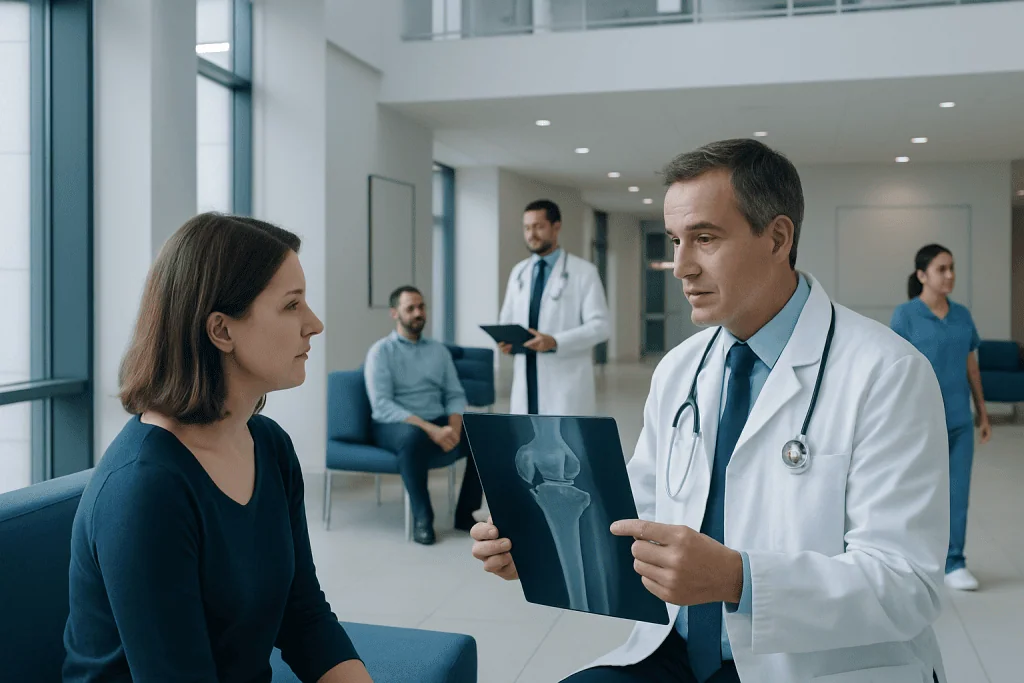
Bone cysts are usually noncancerous fluid-filled or blood-filled spaces within bone, often found in children and adolescents. Treatment may involve observation, image-guided injections, surgery, bone grafting or fixation, depending on the cyst and fracture risk.
Key Takeaways
- Bone cysts are usually noncancerous fluid-filled or blood-filled spaces within bone, often found in children and adolescents.
- Treatment may involve observation, image-guided injections, surgery, bone grafting or fixation, depending on the cyst and fracture risk.
- Healing commonly takes months and requires follow-up imaging to confirm that the bone is filling in and becoming stronger.
- A sudden increase in pain or inability to use a limb can indicate a fracture and needs prompt medical assessment.
- Some cysts can recur after treatment, so scheduled orthopedic follow-up is important.
Cyst on the bone treatment is tailored to the type of cyst, its location, symptoms and whether it has weakened the bone. Many bone cysts can be monitored, while larger, painful or fracture-prone cysts may need injection treatment, curettage and bone grafting, or stabilization.
Overview: How Cyst on the Bone Treatment Works
Cyst on the bone treatment aims to protect the bone from fracture, relieve symptoms and help healthy bone gradually replace the cyst. The best approach depends on the cyst type, its size and location, the person’s age, symptoms, and whether the surrounding bone has become thin or weak. Some cysts are discovered incidentally on an X-ray and only need regular monitoring.
The two common benign bone cysts in younger people are unicameral (simple) bone cysts and aneurysmal bone cysts. A unicameral bone cyst is usually a single fluid-filled cavity, commonly in the upper arm or upper leg. An aneurysmal bone cyst contains blood-filled spaces and may enlarge more actively. Although the word “cyst” can be worrying, these lesions are usually not cancer; however, imaging and sometimes a biopsy are important to confirm the diagnosis.
When treatment is needed, an orthopedic specialist may use a needle procedure to drain or inject the cyst, surgically remove cyst tissue, fill the space with graft material, and occasionally stabilize the bone with internal fixation. The goal is not simply to remove the cavity, but to allow the bone to regain enough strength for safe daily activity, sport and growth.
Symptoms, Causes and Who Is Affected
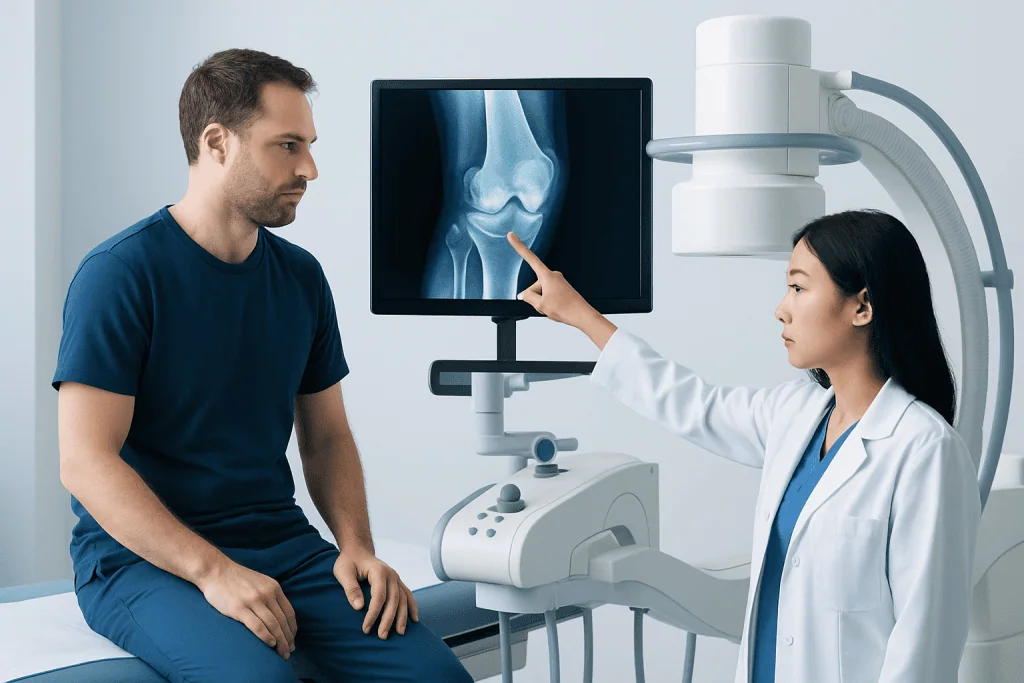
Many bone cysts cause no symptoms until they are found during imaging for another reason. When symptoms occur, they may include a dull ache, swelling, tenderness, reduced movement near a joint, or pain during activity. In some cases, the first sign is a pathologic fracture, meaning a break that occurs because the cyst has weakened the bone.
The exact cause of most simple bone cysts is not fully understood. They are thought to relate to changes in bone development and fluid circulation within a growing bone. Aneurysmal bone cysts can arise on their own or, less often, alongside another bone lesion. They are not caused by everyday activity, poor diet or an injury, although an injury may draw attention to a cyst that was already present.
Bone cysts are most often diagnosed in children, teenagers and young adults because they commonly develop near growth areas of long bones. They can also occur in the spine, pelvis, foot, hand or other bones. Age, imaging appearance and the location of the lesion all help the clinical team determine the likely diagnosis and the safest management plan.
Assessment and Candidacy for Treatment
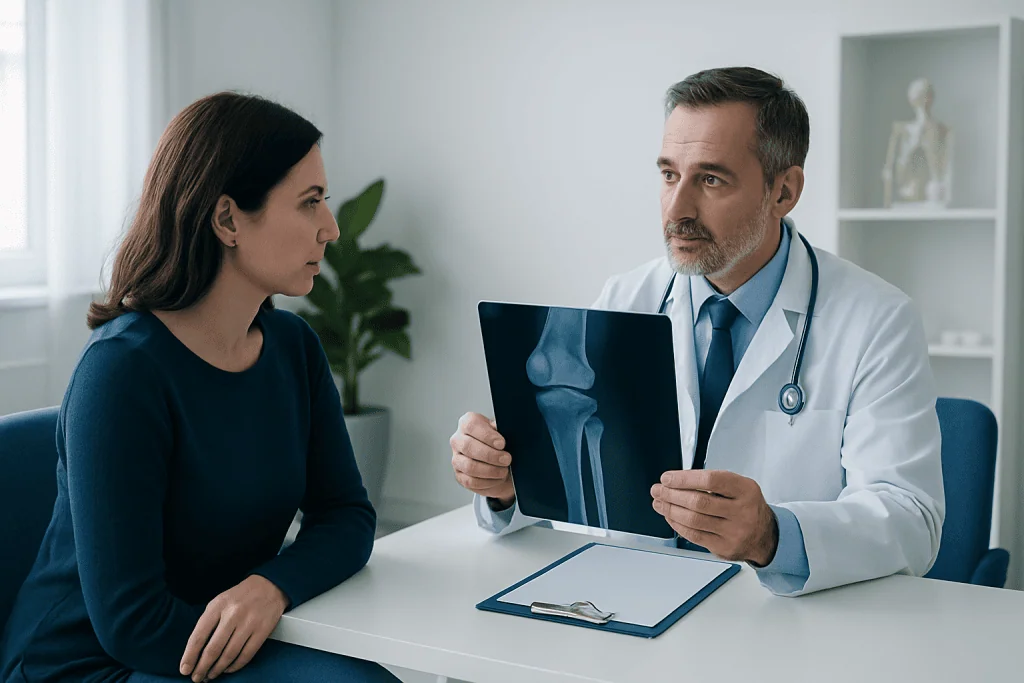
An orthopedic assessment starts with symptoms, medical history and a physical examination. X-rays are often the first test because they show the cyst’s location, size, borders and effect on bone strength. MRI or CT may be used to define the lesion more precisely, assess nearby joints or nerves, and plan a procedure when needed.
Not every bone cyst requires an operation. Observation may be suitable when the cyst is small, has a typical benign appearance, causes little or no pain, and does not substantially increase fracture risk. Follow-up X-rays allow the specialist to see whether the cyst is shrinking, stable or continuing to weaken the bone.
Active treatment is more likely to be advised if there is persistent pain, rapid enlargement, a previous or current fracture, major thinning of the bone, a cyst near a critical joint, or uncertainty about the diagnosis. If imaging findings are not fully typical, a biopsy may be recommended to rule out other conditions before definitive treatment. This careful process helps ensure that the treatment matches the lesion rather than relying on symptoms alone.
- Children with cysts close to a growth plate may need especially close follow-up.
- Cysts in weight-bearing bones or the upper arm can require treatment when fracture risk is high.
- Spinal or pelvic cysts are assessed by specialists because of their location and nearby structures.
What Is the Best Treatment for Bone Cysts?
There is no single best treatment for every bone cyst. The best option is the least invasive approach that safely manages pain, fracture risk and the likelihood of progression. For a stable, low-risk simple bone cyst, watchful waiting with repeat imaging can be appropriate, especially when the cyst may improve as a child matures.
For selected simple bone cysts, a minimally invasive needle procedure may be used. Under imaging guidance, the clinician may aspirate cyst fluid and inject a medication or bone-healing material. More than one treatment session can sometimes be needed, and follow-up imaging remains essential.
Surgery is often considered for larger cysts, recurrent cysts, cysts associated with fracture, or lesions that are more aggressive in appearance, such as many aneurysmal bone cysts. A common operation is curettage, in which the surgeon creates access to the bone and carefully removes cyst tissue. The remaining cavity may be filled with bone graft or a graft substitute to support new bone formation. If the bone is unstable, plates, screws, nails or other fixation may be used to prevent or treat a fracture.
The choice should be made jointly with an orthopedic surgeon after reviewing imaging, growth status, activity level and personal goals. The purpose of treatment is to restore safe bone strength while minimizing disruption to normal movement and development.
Procedure Steps, Benefits and Possible Risks
The exact procedure depends on the selected treatment. For image-guided injection treatment, the patient is positioned for safe access, and sedation or anesthesia may be used according to age and the procedure. Using X-ray, ultrasound or CT guidance, the clinician places a needle into the cyst, may remove fluid, and delivers the planned agent. This is usually less invasive than open surgery.
For curettage and grafting, the procedure is performed under anesthesia. The surgeon makes an incision, opens a small window in the bone, removes cyst lining or tissue, and may send a sample for laboratory analysis. The cavity is then packed with graft material or a substitute. If needed, fixation is placed to reinforce the weakened bone. The surgical details are individualized to the bone involved and the amount of structural support required.
Potential benefits include reduced pain, lower fracture risk, improved bone stability and return to normal use of the limb over time. Risks vary by procedure but can include infection, bleeding, stiffness, injury to nearby structures, anesthesia-related complications, delayed healing, fracture, and cyst recurrence. In children, treatment near a growth plate also requires attention to ongoing growth. The treating team explains the relevant risks before consent and provides a follow-up plan.
How Long Does It Take for a Bone Cyst to Heal?
Bone cyst healing usually takes months rather than days or weeks. The timeline depends on the type and size of the cyst, the affected bone, whether there was a fracture, the procedure performed, and how quickly new bone forms. A small cyst managed without surgery may be monitored over many months, while recovery after surgery can require a longer period of imaging and activity guidance.
After a needle-based procedure, discomfort may settle relatively quickly, but the bone still needs time to strengthen. After curettage, grafting or fixation, the early wound healing period is followed by gradual bone remodeling. X-rays at planned intervals show whether the cavity is filling with new bone and whether it is safe to increase activity.
Children often have strong healing potential, but a cyst can remain visible for some time or recur after apparently successful treatment. Return to running, contact sports, heavy lifting or high-impact activity should be based on the surgeon’s advice rather than symptoms alone. A person may feel better before the bone is fully ready for these loads.
How Serious Is a Bone Cyst?
Most bone cysts are benign and manageable, but their seriousness is determined by their effect on bone strength and their location. A small, stable cyst may cause no meaningful limitation. A larger cyst can thin the bone and raise the risk of fracture, particularly in a leg, hip-area bone or upper arm.
Some cysts can cause pain, affect movement or recur after treatment. Cysts in the spine, pelvis or areas close to important joints may need more detailed specialist assessment because symptoms and treatment planning can be more complex. Importantly, a bone cyst should not be assumed to be benign without appropriate clinical and imaging evaluation.
Prompt review is especially important if pain becomes sudden or severe, a limb looks deformed, weight bearing becomes difficult, or numbness or weakness develops. These symptoms can result from a fracture or pressure on nearby tissues and deserve timely medical attention.
What Age Is a Bone Cyst Most Common? When to Seek Medical Care
Bone cysts are most common in children and adolescents, often during periods of active skeletal growth. Simple bone cysts are frequently identified in school-age children and teenagers, while aneurysmal bone cysts also commonly occur in younger people. Adults can develop bone cyst-like lesions as well, so age is only one part of diagnosis.
Medical care should be sought for persistent unexplained bone pain, swelling, a limp, reduced use of an arm or leg, or pain that disrupts sleep or daily activities. Urgent assessment is appropriate after an injury followed by severe pain, visible deformity, inability to bear weight or inability to move the affected limb normally. These signs may indicate a fracture through a weakened area of bone.
Acibadem International’s multidisciplinary orthopedic, radiology and pathology specialists at JCI-accredited hospitals assess and treat bone lesions for international patients. Ongoing review with a qualified orthopedic team is important, particularly after a procedure, because imaging follow-up confirms healing and identifies recurrence early.
Frequently asked questions
Can a bone cyst go away on its own?
Some simple bone cysts can become smaller or heal as a child grows, particularly when they are not causing symptoms or weakening the bone significantly. However, they still require orthopedic follow-up and repeat imaging because a cyst may persist, enlarge or predispose the bone to fracture.
Are bone cysts cancerous?
Most commonly diagnosed bone cysts, including unicameral and aneurysmal bone cysts, are benign. Imaging findings can overlap with other bone conditions, so a specialist may recommend additional scans or a biopsy when the diagnosis is uncertain.
Does a bone cyst always need surgery?
No. Stable cysts with low fracture risk may be managed with observation and scheduled X-rays. Surgery or a minimally invasive procedure is considered when the cyst is painful, large, recurrent, associated with a fracture or likely to weaken the bone substantially.
Can a person exercise with a bone cyst?
Activity advice depends on the cyst location, size and fracture risk. A clinician may allow lower-impact activity but recommend avoiding contact sports, jumping, heavy lifting or other high-impact exercise until imaging confirms that the bone is strong enough.
Can a bone cyst come back after treatment?
Yes, recurrence is possible, particularly while a person is still growing or when a cyst is difficult to fully treat because of its location. Follow-up imaging is used to monitor healing, identify recurrence and guide whether further treatment is needed.
What happens if a bone cyst causes a fracture?
A fracture through a bone cyst needs orthopedic assessment. Treatment may include immobilization, fracture stabilization, management of the cyst itself, or a combination of these approaches depending on the bone, fracture pattern and cyst characteristics.
References
- American Academy of Orthopaedic Surgeons
- OrthoInfo
- National Cancer Institute
- Radiopaedia
- Children's Oncology Group
This article is for general information only and is not a substitute for professional medical advice. Please consult a qualified doctor about your individual situation.
Joint and spine care in Turkey — expert assessment & treatment
JCI-accredited · board-certified surgeons · reply within 24h
Add us as a Preferred Source to see more of our trusted health content across Google Search, AI Overviews and Discover.