Dark Circles: What Patients Need to Know

Dark circles are a symptom or appearance change, not a diagnosis by themselves. Common causes include genetics, thin skin, pigment changes, aging, allergies, and lack of sleep.
Key Takeaways
- Dark circles are a symptom or appearance change, not a diagnosis by themselves.
- Common causes include genetics, thin skin, pigment changes, aging, allergies, and lack of sleep.
- Not all dark circles are caused by tiredness, and sleep alone may not fully improve them.
- Treatment may include lifestyle changes, allergy control, skincare, and selected medical or cosmetic procedures.
- Medical review is sensible if dark circles appear suddenly, affect one side more than the other, or come with other symptoms.
Dark circles are common under-eye shadows or discoloration that are often linked to genetics, skin structure, aging, allergies, sleep habits, or lifestyle factors rather than one single disease. In some cases, they can also signal skin irritation, anemia, thyroid problems, or other medical conditions, so treatment works best when the underlying cause is identified.
Overview: what dark circles really mean
Dark circles are the darker-looking areas under the eyes. They may appear brown, blue, purple, or gray depending on a person’s skin tone, the thickness of the skin, blood vessels under the skin, and whether extra pigment is present. For many people, dark circles are harmless and mainly a cosmetic concern, but they can be persistent and frustrating.
It helps to think of dark circles as a visible sign with several possible causes rather than a single condition. In one person, the main reason may be inherited facial anatomy; in another, it may be allergy-related rubbing, sun exposure, dehydration, or natural aging. Because the under-eye area has very thin and delicate skin, even small changes can become noticeable.
Dark circles are different from under-eye bags, although the two often happen together. Puffiness creates shadowing that can make the area look darker, while pigmentation or visible blood vessels can create true discoloration. Understanding which pattern is present usually guides the most useful treatment plan.
How dark circles can look and feel
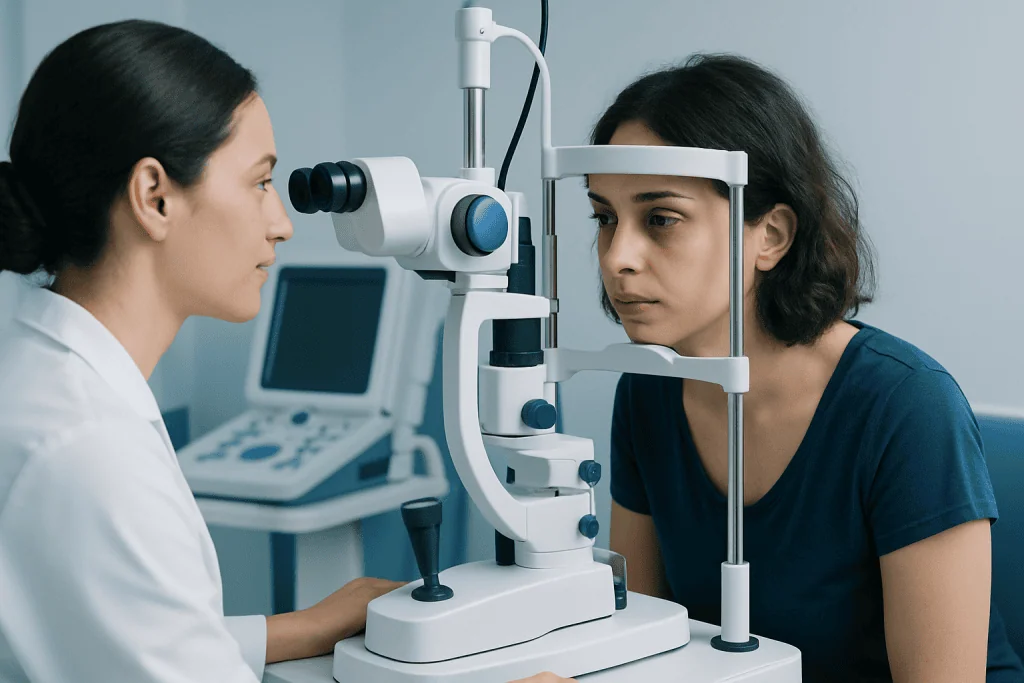
People describe dark circles in different ways. Some notice a tired-looking shadow that is worse in the morning or after poor sleep. Others see a constant brownish or bluish discoloration that does not change much from day to day. In some cases, there is also puffiness, hollowness, fine lines, dryness, or irritation around the eyes.
The appearance often gives clues about the cause. Brown discoloration may suggest increased pigment in the skin. Blue or purple tones may be related to visible veins and very thin skin. A hollow tear-trough area can create a shadow effect, and swelling under the eyes can make that shadow more obvious.
Associated symptoms can also matter. Itching, sneezing, nasal congestion, watery eyes, or frequent rubbing may point toward allergies. Dry, flaky skin may suggest eczema or irritation. General tiredness, shortness of breath, or paleness may raise the possibility of an underlying health problem that deserves medical assessment.
- Common visual patterns include pigment, shadowing, visible vessels, and puffiness.
- Dark circles may be temporary or long-lasting.
- They can affect all skin tones, though the color and cause may differ.
Common causes and risk factors

Genetics is one of the most common reasons for dark circles. Some people naturally have deeper-set eyes, thinner under-eye skin, or a tendency toward extra pigment around the eyes. If close family members have dark circles, they may appear at a younger age and remain despite healthy habits.
Aging also plays a major role. Over time, the skin loses collagen and elasticity, and fat distribution changes. This can make blood vessels easier to see and create hollows that cast shadows. Sun exposure can worsen the appearance by increasing pigment production and speeding skin aging.
Lifestyle factors can contribute, but they are not the whole story. Lack of sleep, smoking, stress, dehydration, and high alcohol intake can make the under-eye area look duller or more sunken. Allergies are another frequent trigger because inflammation and repeated rubbing can darken the skin over time. Conditions such as eczema, chronic nasal congestion, anemia, and some thyroid problems may also play a part in selected patients.
Dark circles can overlap with other under-eye concerns. Puffiness, fluid retention, and lax skin may be part of the same picture, and some people seeking help for dark circles also have age-related eyelid changes that may be assessed alongside under-eye bags.
How doctors identify the cause
Diagnosis usually begins with a careful history and physical examination. A doctor may ask when the dark circles started, whether they fluctuate, whether they run in the family, and if there are symptoms such as itching, nasal blockage, poor sleep, weight changes, or fatigue. Skincare products, sun exposure, and smoking history may also be relevant.
During the exam, the clinician looks at skin color, pigmentation, swelling, hollowness, and the visibility of small blood vessels. They may also check for signs of eczema, allergy, or irritation. In many cases, this examination is enough to identify the most likely cause and suggest practical next steps.
Tests are not needed for everyone. However, if symptoms suggest an underlying condition, a doctor may recommend blood tests or other evaluation. For example, persistent tiredness, paleness, heavy menstrual bleeding, or dietary concerns may lead to assessment for iron deficiency or other causes of anemia. If structural changes around the eyelids are important, referral to dermatology, ophthalmology, or plastic surgery may be considered.
Treatment options for dark circles
The best treatment depends on the cause. If allergies, eczema, or irritation are involved, controlling inflammation and avoiding rubbing can gradually improve the under-eye area. If sleep deprivation, smoking, or dehydration are contributing factors, lifestyle adjustments may help the skin look less tired and reduce shadowing.
For pigmentation, doctors may suggest sun protection and selected topical skincare, such as gentle brightening or skin-renewing products that are suitable for the eye area. Because the under-eye skin is delicate, self-treatment should be cautious and supervised when stronger products are considered. Camouflage makeup can also be a practical short-term option for many people.
When dark circles are mainly due to anatomy, volume loss, or excess eyelid skin, procedural treatments may be discussed. Depending on the individual, options can include under-eye light filler for tear-trough hollowing, selected laser or energy-based treatments for pigment or texture, or blepharoplasty when eyelid skin or fat changes are the main issue. These approaches are not suitable for everyone, and careful specialist assessment is important because the eye area is highly sensitive.
In patients whose concern overlaps with facial aging, a broader evaluation may be more helpful than treating the color alone. Sometimes the main issue is shadow, puffiness, or laxity rather than true pigmentation. A personalized plan gives better results than using the same remedy for every type of dark circle.
Daily self-care and prevention
Self-care cannot change every cause of dark circles, especially inherited anatomy, but it can reduce factors that make them worse. Gentle daily sun protection is one of the most important steps because ultraviolet exposure can increase pigmentation and speed skin thinning. A hat, sunglasses, and a suitable sunscreen around the eye area can all help.
Good sleep habits, regular hydration, avoiding smoking, and limiting excess alcohol may improve overall skin quality and reduce a tired appearance. If allergies are a trigger, managing them and avoiding frequent eye rubbing can make a meaningful difference over time. People with sensitive skin should choose mild cleansers and fragrance-free products to reduce irritation.
Cold compresses may briefly lessen swelling, especially in the morning. Sleeping with the head slightly elevated may help if fluid retention contributes to puffiness. While many home remedies are widely discussed online, they may not address the real cause and should not irritate the skin.
- Use sun protection consistently.
- Do not rub or scratch the eye area.
- Follow healthy sleep routines.
- Seek treatment for allergies, eczema, or nasal congestion if present.
- Choose gentle skincare formulated for sensitive areas.
When to seek medical care
Dark circles are usually not urgent, but medical advice is appropriate when they appear suddenly, worsen quickly, or are much more obvious on one side. Review is also sensible if they come with swelling, pain, redness, vision changes, severe itching, skin rash, or any injury around the eye.
A doctor should also be consulted if dark circles are accompanied by persistent fatigue, breathlessness, unexplained weight change, chronic nasal symptoms, or signs of poor general health. These features do not always mean a serious problem, but they can point to a condition that should be assessed and treated.
If dark circles are affecting confidence or quality of life, specialist advice may help clarify whether the main problem is pigment, shadowing, puffiness, or skin laxity. Near the end of the diagnostic pathway, some patients may benefit from multidisciplinary assessment; Acibadem International’s specialists in dermatology, eye care, and aesthetic procedures, working in JCI-accredited hospitals, diagnose and treat under-eye concerns for international patients when appropriate.
Frequently asked questions
Are dark circles always caused by lack of sleep?
No. Poor sleep can make dark circles look more noticeable, but many people have them because of genetics, skin structure, pigment, allergies, or aging. That is why extra rest may help some patients but not remove the problem completely.
Can dark circles be a sign of a medical condition?
Sometimes. Dark circles can occur with allergies, eczema, chronic nasal congestion, anemia, or thyroid-related problems, among other causes. If they are new, severe, or linked with other symptoms such as fatigue or swelling, a medical review is sensible.
What is the difference between dark circles and under-eye bags?
Dark circles refer to discoloration or shadowing under the eyes. Under-eye bags are puffiness or protrusion caused by fluid retention, fat changes, or skin laxity. The two often happen together, which can make the area look darker than it really is.
Do home remedies work for dark circles?
Some simple measures, such as cold compresses, better sleep, and allergy control, may reduce swelling or make the area look fresher. However, home remedies do not correct every cause, especially inherited anatomy, pigment, or age-related hollowness. Gentle care is important because the eye area can become irritated easily.
Can skincare products remove dark circles permanently?
Not always. Skincare can help if the main cause is mild pigmentation, dryness, sun damage, or irritation, but it may not change visible blood vessels or structural shadowing. A doctor can help determine whether topical care alone is realistic or whether another treatment type would be more appropriate.
When should a person see a doctor about dark circles?
A person should seek medical advice if dark circles start suddenly, affect one side more than the other, or come with pain, swelling, rash, or vision changes. Review is also appropriate if there is ongoing fatigue, breathlessness, or concern about an underlying health issue.
This article is for general information only and is not a substitute for professional medical advice. Please consult a qualified doctor about your individual situation.
Explore treatments in Turkey — costs, top hospitals & a free quote
JCI-accredited · board-certified surgeons · reply within 24h
Add us as a Preferred Source to see more of our trusted health content across Google Search, AI Overviews and Discover.

More from the Health Library

Scapula — Explained by Medical Evidence, Not Myths

Lexapro — Explained by Medical Evidence, Not Myths

Tea Tree Oil and Fungal Nail: What Patients Need to Know

Barrel Chest: A Complete Medical Overview

Colporrhaphy: A Complete Medical Overview