Daytime Sleepiness vs Fatigue: How Doctors Tell the Difference
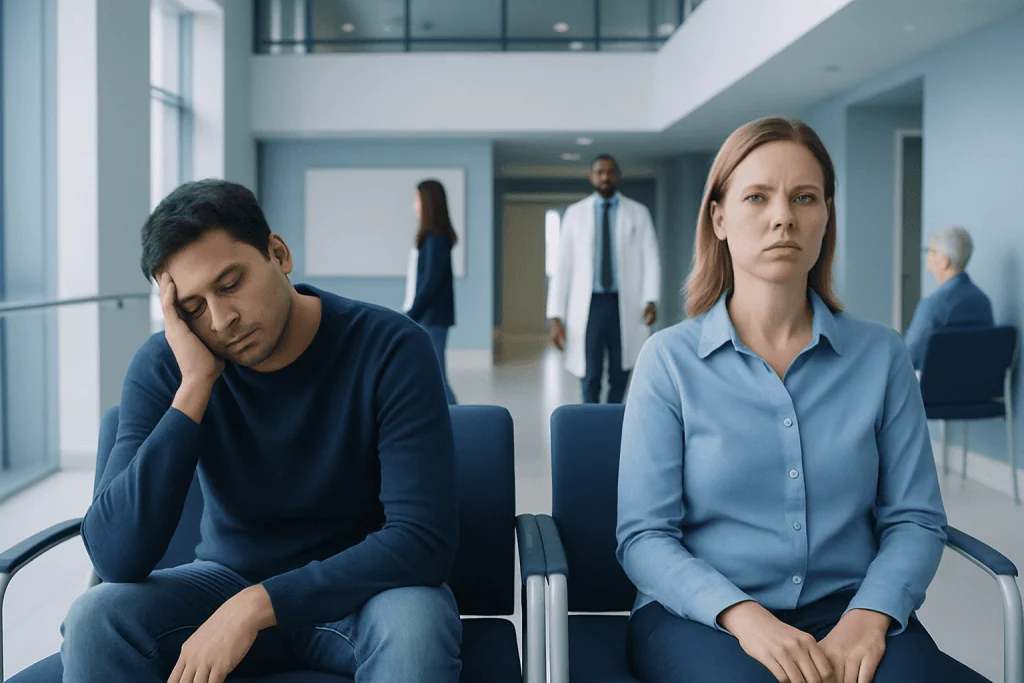
Daytime sleepiness is a tendency to fall asleep; fatigue is a sense of low energy or exhaustion. The two symptoms can overlap, but they often point to different underlying causes.
Key Takeaways
- Daytime sleepiness is a tendency to fall asleep; fatigue is a sense of low energy or exhaustion.
- The two symptoms can overlap, but they often point to different underlying causes.
- Sleep disorders such as sleep apnea, narcolepsy, and insufficient sleep commonly cause excessive daytime sleepiness.
- Fatigue may be related to stress, mood disorders, medical illness, pain, medications, or poor sleep.
- A careful history, sleep habits review, and targeted tests help doctors identify the cause.
Daytime sleepiness and fatigue can feel similar, but they are not the same. Doctors distinguish them by asking whether a person is likely to fall asleep during the day or instead feels drained, weak, or mentally worn out without actually dozing.
Overview: Why the Difference Matters
Many people say they feel “tired,” but that word can describe more than one problem. In medical practice, doctors try to separate daytime sleepiness from fatigue because each symptom suggests a different set of possible causes. This distinction helps guide evaluation and treatment.
Daytime sleepiness means a person has an increased tendency to fall asleep when they want to stay awake. They may doze off while reading, watching television, sitting quietly, or even during conversations or travel. Fatigue, by contrast, is usually described as low energy, physical exhaustion, reduced stamina, or mental weariness. A person with fatigue may feel worn out but not actually be likely to fall asleep.
Some people have both symptoms at the same time. For example, poor sleep at night can cause true sleepiness during the day and also create a sense of low motivation and exhaustion. Because symptoms can overlap, doctors rely on detailed questions, sleep patterns, daily function, and medical history rather than on one single complaint alone.
What Daytime Sleepiness Feels Like
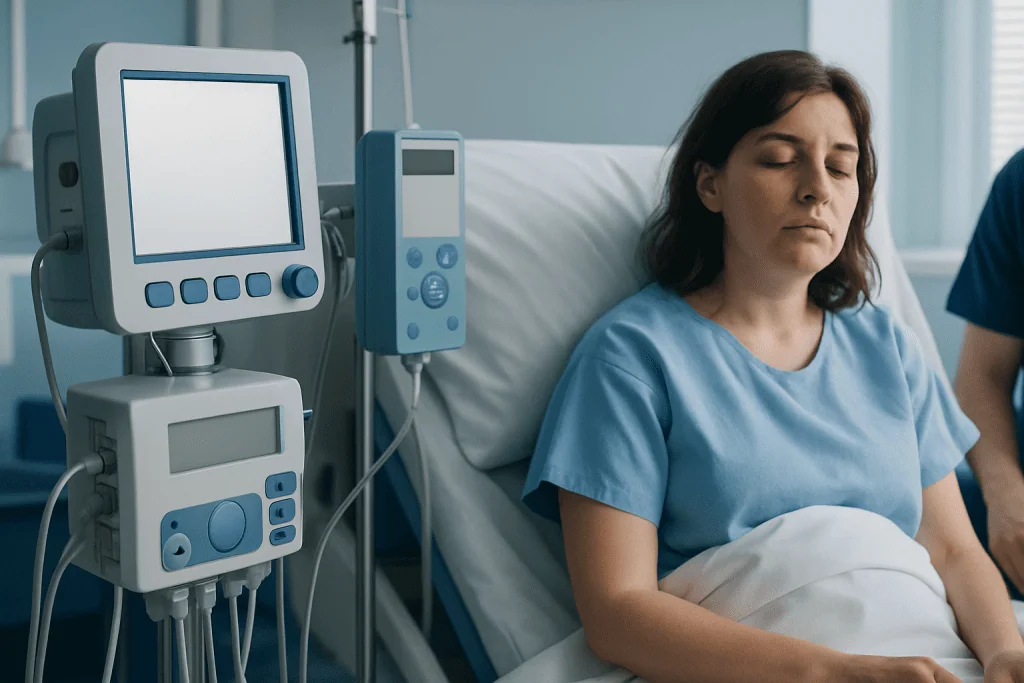
Excessive daytime sleepiness is more than simply feeling a little sluggish after a busy day. It is a strong drive to sleep during usual waking hours. A person may feel better after a nap, at least temporarily, because sleepiness reflects a need for sleep or a problem with the brain’s sleep-wake regulation.
Doctors often ask about specific situations. Does the person nod off while sitting in a meeting, riding in a car, reading, or watching a screen? Do they struggle to keep their eyes open in passive situations? Have they had near-misses while driving? These clues suggest true sleepiness rather than general tiredness.
People with daytime sleepiness may also report:
- Frequent unplanned naps
- Heavy eyelids or trouble keeping the head up
- Sleep attacks or sudden dozing
- Morning headaches if sleep quality is poor
- Reduced concentration, memory lapses, or irritability
Common sleep-related causes include not getting enough sleep, irregular schedules, shift work, obstructive sleep apnea, and central disorders of hypersomnolence such as narcolepsy. In some cases, evaluation may involve a sleep specialist and testing such as a sleep study to examine breathing, sleep stages, and nighttime sleep quality.
What Fatigue Feels Like
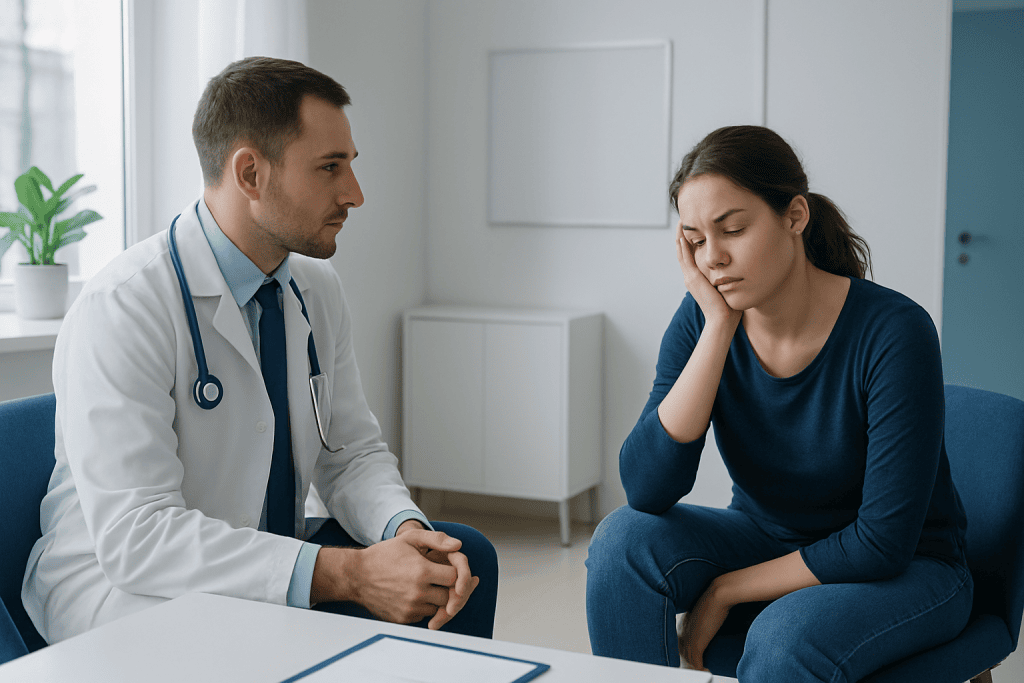
Fatigue usually refers to a lack of energy rather than a tendency to fall asleep. A person may describe feeling drained, weak, slowed down, or unable to get through usual tasks. Some notice physical tiredness in the muscles, while others mainly feel mental fatigue, such as brain fog, reduced focus, or low motivation.
Unlike sleepiness, fatigue does not always improve after a nap. In some cases, the person sleeps but still wakes feeling unrefreshed. This can happen with chronic stress, depression, anxiety, chronic pain, anemia, thyroid disorders, infections, autoimmune illness, and many other medical conditions. Some medications can also contribute.
Doctors also pay attention to the pattern. Is the fatigue new or long-standing? Did it begin after an infection, medication change, emotional stress, or major life event? Is it worse with exertion? Are there warning signs such as weight loss, fever, shortness of breath, chest symptoms, or weakness? These details help determine whether the problem is mainly related to sleep, a medical disorder, or both.
How Doctors Tell the Difference
The first and most important step is a careful conversation. Doctors ask what the person means by “tired.” If given the chance to sit quietly, would they likely fall asleep? Or do they mainly feel exhausted but remain awake? This simple distinction often points the evaluation in the right direction.
A sleep and symptom history usually includes bedtime and wake time, sleep duration, snoring, pauses in breathing, restless legs, night awakenings, shift work, naps, caffeine use, alcohol use, and medications. Doctors may also ask bed partners about loud snoring, choking during sleep, or unusual sleep behaviors. Screening questionnaires can help measure sleepiness, while other tools explore mood, stress, and functional impact.
The physical examination and medical review look for conditions that can mimic or worsen sleep problems. Depending on symptoms, doctors may consider sleep apnea, insomnia, thyroid disease, anemia, depression, anxiety, chronic pain, heart or lung disease, and neurological disorders. In some situations, tests such as blood work, actigraphy, overnight monitoring, or a daytime nap test may be recommended.
When daytime sleepiness is prominent, specialists may use overnight polysomnography followed by a multiple sleep latency test to measure how quickly a person falls asleep during the day. When fatigue is the leading complaint, the focus may shift more toward general medical evaluation, medication review, and lifestyle or mental health factors.
Common Causes of Daytime Sleepiness and Fatigue
Although these symptoms are different, they often share a common starting point: sleep that is too short, poor in quality, or disrupted. Modern schedules, screen use, travel across time zones, and inconsistent routines can all reduce healthy sleep. Even mild, chronic sleep loss can lead to daytime symptoms.
Daytime sleepiness is especially associated with sleep disorders. Examples include obstructive sleep apnea, narcolepsy, idiopathic hypersomnia, circadian rhythm sleep-wake disorders, and sometimes chronic insomnia. Fatigue is broader and may be linked to medical illnesses, mental health conditions, nutritional issues, pain syndromes, medication effects, or recovery from illness.
Doctors may think about causes in groups:
- Sleep-related: insufficient sleep, snoring, sleep apnea, insomnia, restless legs syndrome, shift work
- Medical: anemia, thyroid disorders, infections, diabetes, heart disease, kidney or liver disease
- Mental health: depression, anxiety, burnout, chronic stress
- Medication-related: sedatives, antihistamines, some pain medicines, some psychiatric medicines, alcohol
- Neurological: narcolepsy, hypersomnia disorders, neurodegenerative conditions in some patients
If symptoms are ongoing, doctors may also consider related conditions such as narcolepsy or evaluate whether disrupted nighttime sleep from insomnia is contributing to impaired daytime function.
Diagnosis and Tests Doctors May Use
Diagnosis begins with history, but testing may be useful when symptoms are persistent, unexplained, or affecting safety and quality of life. A sleep diary kept for one to two weeks can show patterns in bedtime, wake time, naps, and symptom severity. Wearable movement monitoring may also help estimate sleep-wake patterns.
Basic laboratory tests are often considered when fatigue is prominent, especially if there are signs of anemia, thyroid disease, infection, vitamin deficiency, inflammation, or metabolic illness. These tests do not diagnose all causes of fatigue, but they can help identify common medical contributors.
Sleep testing is most helpful when symptoms suggest a sleep disorder. Overnight sleep testing can detect breathing interruptions, oxygen changes, movement disorders, and fragmented sleep architecture. If a central hypersomnia disorder is suspected, doctors may add a daytime test to assess how quickly the patient falls asleep and whether rapid eye movement sleep appears unusually early.
In selected cases, further evaluation may involve mental health screening, cardiology or lung assessment, or referral to neurology, endocrinology, or internal medicine. The goal is not simply to label the symptom, but to identify the underlying reason it is happening.
Treatment, Self-Care, and When to Seek Medical Advice
Treatment depends on the cause. If daytime sleepiness is due to insufficient sleep, regular sleep timing and adequate sleep opportunity may help significantly. If it is caused by a disorder such as sleep apnea, treatment targets the sleep condition itself. In some patients, care may include sleep apnea treatment or a structured plan from a sleep specialist.
When fatigue is related to a medical or psychological cause, management focuses on that condition. Examples may include adjusting medications, treating anemia or thyroid disease, improving pain control, addressing depression or anxiety, and supporting recovery habits. Good sleep hygiene, regular physical activity as tolerated, balanced nutrition, and stress management can help both sleepiness and fatigue.
It is a good idea to seek medical advice if symptoms last for several weeks, interfere with work or driving, or occur along with loud snoring, pauses in breathing, morning headaches, fainting, chest symptoms, significant mood changes, or unexplained weight loss. Sudden or severe sleepiness that creates a safety risk deserves prompt attention.
For people needing specialist assessment, Acibadem International’s multidisciplinary teams and JCI-accredited hospitals evaluate sleep-related complaints for international patients, including conditions that overlap with neurology and general medicine. A doctor can help clarify whether the main problem is sleepiness, fatigue, or a combination of both, and then recommend the most appropriate next steps.
Frequently asked questions
Is daytime sleepiness the same as fatigue?
No. Daytime sleepiness means a person is likely to fall asleep during the day, especially in quiet situations. Fatigue means low energy, exhaustion, or mental weariness, even if the person does not actually doze off.
Can someone have both daytime sleepiness and fatigue?
Yes, and this is common. Poor-quality sleep, chronic sleep loss, sleep apnea, depression, chronic illness, and some medications can cause both symptoms at the same time.
What conditions most often cause excessive daytime sleepiness?
Common causes include not getting enough sleep, shift work, obstructive sleep apnea, narcolepsy, and other sleep-wake disorders. Some medicines and alcohol can also increase sleepiness.
Why do doctors ask so many questions about sleep habits?
Sleep timing, snoring, naps, night awakenings, and work schedule provide important clues about whether symptoms come from sleep deprivation, a sleep disorder, or another medical problem. A detailed history often helps narrow the diagnosis before tests are ordered.
When should a person worry about being too sleepy during the day?
Medical advice is important if sleepiness affects driving, work, school, or daily safety. It should also be evaluated if it is persistent, unexplained, or linked with loud snoring, witnessed pauses in breathing, or sudden sleep episodes.
Will a nap help fatigue?
A nap may help true sleepiness, but it does not always improve fatigue. If the main problem is anemia, thyroid disease, depression, pain, stress, or another medical issue, the person may still feel drained after resting.
References
- American Academy of Sleep Medicine
- National Institute of Neurological Disorders and Stroke
- National Heart, Lung, and Blood Institute
- Centers for Disease Control and Prevention
- Mayo Clinic
This article is for general information only and is not a substitute for professional medical advice. Please consult a qualified doctor about your individual situation.
Explore treatments in Turkey — costs, top hospitals & a free quote
JCI-accredited · board-certified surgeons · reply within 24h
Add us as a Preferred Source to see more of our trusted health content across Google Search, AI Overviews and Discover.