De Quervain’s Tenosynovitis Treatment: Options, Recovery, and When Surgery Helps

De Quervain’s tenosynovitis affects the tendon sheath on the thumb side of the wrist and can make gripping or lifting painful. First-line treatment usually includes activity modification, splinting, ice, anti-inflammatory measures, and hand therapy.
Key Takeaways
- De Quervain’s tenosynovitis affects the tendon sheath on the thumb side of the wrist and can make gripping or lifting painful.
- First-line treatment usually includes activity modification, splinting, ice, anti-inflammatory measures, and hand therapy.
- Corticosteroid injection can be effective for many people when early conservative treatment is not enough.
- Surgery may be considered if symptoms persist, recur, or significantly limit daily activities.
- Recovery time varies, but early diagnosis and treatment often improve outcomes.
De Quervain’s tenosynovitis treatment aims to reduce pain, calm inflammation, and restore comfortable thumb and wrist movement. Many people improve with non-surgical care, while surgery may help when symptoms continue despite conservative treatment.
Overview of De Quervain’s Tenosynovitis Treatment
De Quervain’s tenosynovitis is a painful condition that affects the tendons on the thumb side of the wrist. These tendons help move the thumb away from the hand and extend it. When the tendon sheath becomes irritated or thickened, the tendons may no longer glide smoothly, leading to pain, tenderness, and swelling near the base of the thumb.
De quervain’s tenosynovitis treatment focuses on reducing irritation, improving tendon movement, and helping the person return to everyday activities with less pain. The right approach depends on how long symptoms have been present, how severe they are, and whether the problem is interfering with work, caregiving, sports, or sleep.
In many cases, treatment starts with non-surgical methods. These may include resting the wrist and thumb, using a splint, applying ice, taking doctor-recommended anti-inflammatory medication, and working with a hand therapist. If symptoms continue, a corticosteroid injection may be recommended. Surgery is generally reserved for persistent cases that do not improve with conservative care.
Symptoms and How the Condition Affects Daily Life
The most common symptom is pain over the thumb side of the wrist. This pain may develop gradually or begin after repeated strain. It often becomes more noticeable when gripping, pinching, twisting, lifting a child, opening jars, texting, or turning a key. Some people also feel swelling or a catching sensation when moving the thumb.
Symptoms can range from mild discomfort to pain that makes simple tasks difficult. The area may feel tender to the touch, and the pain can sometimes travel up the forearm. Morning stiffness or discomfort after repetitive activity is also common.
Because the thumb is involved in so many everyday actions, untreated symptoms can affect work, household tasks, exercise, and self-care. A person may start avoiding certain movements, which can lead to weakness or reduced hand use over time. Seeking care early can help prevent ongoing irritation and support a smoother recovery.
Causes and Risk Factors

De Quervain’s tenosynovitis is usually linked to repetitive thumb and wrist motions, especially those that involve grasping, lifting, wringing, or side-to-side wrist movement. It may develop in people whose jobs or hobbies require frequent use of the hand, such as childcare, typing, gardening, racquet sports, or certain manual tasks.
It can also appear during periods of increased hand strain, including after caring for a newborn, when the wrist is often held in awkward positions while lifting or feeding. In some people, the condition develops without a single clear cause. Less often, it may be associated with inflammatory conditions that affect joints or tendon sheaths.
Risk factors may include repetitive overuse, previous wrist injury, poor hand mechanics, and activities that combine force with repetition. Although the condition is distinct from carpal tunnel syndrome, the two can sometimes be confused because both cause wrist discomfort. A proper medical assessment helps identify the true source of pain and guides treatment.
How Diagnosis Is Made
Diagnosis usually begins with a medical history and physical examination. The doctor asks about the location of pain, activities that worsen symptoms, how long the problem has lasted, and whether there has been any injury or repeated strain. The exam focuses on tenderness near the base of the thumb and pain with certain thumb or wrist movements.
One commonly used exam maneuver is the Finkelstein test, in which the thumb is placed inside the fingers and the wrist is gently bent toward the little finger side. If this reproduces pain on the thumb side of the wrist, it may support the diagnosis. However, the test is only one part of the evaluation and is interpreted together with symptoms and examination findings.
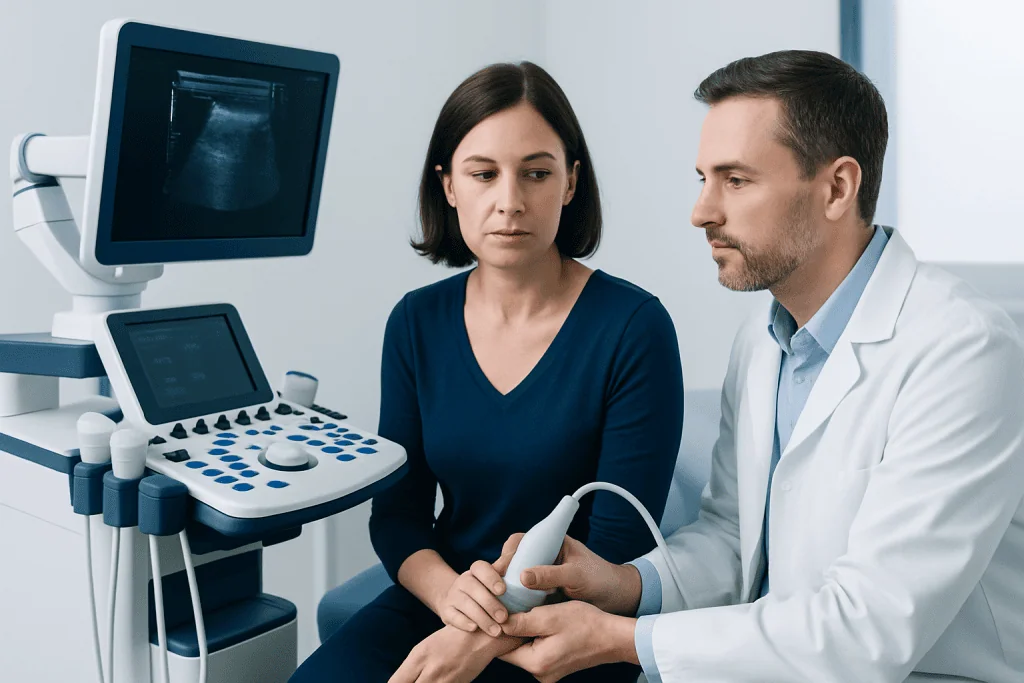
Imaging is not always needed, but it may be helpful in selected cases to rule out arthritis, fracture, or another tendon problem. Ultrasound can sometimes show tendon sheath thickening or fluid. If symptoms are unusual, persistent, or overlap with other conditions, a specialist in orthopedics, hand surgery, or rehabilitation may be involved.
Non-Surgical Treatment Options
Conservative treatment is usually the first step. Resting from the motions that trigger pain is important, but complete inactivity is not always necessary. Instead, the goal is to reduce repeated strain while allowing healing. Many people benefit from a thumb spica splint, which supports the wrist and thumb and helps limit painful movement for a period of time.
Other common measures include ice, short-term use of doctor-recommended anti-inflammatory medication, and guided exercises. A hand therapist or rehabilitation specialist may teach stretching, tendon gliding, posture correction, and ergonomic strategies to reduce stress on the wrist. These approaches can improve function while helping prevent recurrence. In some cases, a broader rehabilitation plan such as physical therapy and rehabilitation is helpful, especially when overuse patterns involve the whole arm.
If symptoms do not improve enough, a corticosteroid injection into the tendon sheath may be recommended. This aims to reduce inflammation and allow the tendons to move more freely. In many patients, injection works best when combined with splinting and activity modification. A clinician may use imaging guidance in some situations for better accuracy.
Non-surgical care is often successful, especially when started early. Even so, improvement may take several weeks. It is helpful for patients to understand that pain relief and full return of strength do not always happen at the same pace, and gradual return to activity is usually recommended.
When Surgery May Help and What It Involves
Surgery may be considered when pain remains significant after appropriate conservative treatment, when symptoms keep returning, or when the condition interferes with daily life despite splinting, therapy, and injection. The procedure is designed to release the tight tendon sheath so the tendons can glide more easily. It is often referred to as a first dorsal compartment release.
During surgery, the surgeon makes a small incision near the affected area and carefully opens the constricted sheath around the involved tendons. The goal is to reduce pressure while protecting nearby nerves and soft tissue. Depending on the anatomy, the surgeon may also address any separate tendon sub-compartments that could continue to cause symptoms if left untreated.
This type of procedure is usually done as an outpatient surgery, meaning the person goes home the same day. Evaluation and care may involve specialists in orthopedic surgery when non-surgical measures are no longer enough. As with any operation, the doctor explains potential benefits and risks, such as scar tenderness, stiffness, infection, nerve irritation, or incomplete relief, although many people recover well.
Recovery After Treatment
Recovery depends on the treatment used and on how severe the condition was before treatment started. With splinting, medication, and therapy, symptoms may improve gradually over a few weeks. After a corticosteroid injection, some people notice relief sooner, while others continue to improve over several weeks as inflammation settles.
After surgery, the hand is usually protected at first, and gentle movement is introduced according to the surgeon’s advice. Stitches are commonly removed at a follow-up visit, and most patients begin using the hand for light daily activities relatively early, although forceful gripping and repetitive strain may need to wait longer. Hand therapy may be recommended if there is stiffness, weakness, or delayed return of function.
A full recovery timeline varies from person to person. Factors include work demands, healing speed, and whether there are other hand or wrist conditions present, such as trigger finger or arthritis. Following aftercare instructions, pacing activity, and reporting new numbness, swelling, or increasing pain can support a safer recovery.
Self-Care, Prevention, and When to See a Doctor
Self-care focuses on reducing repeated strain and improving hand mechanics. Helpful steps may include taking breaks from repetitive thumb use, changing grip techniques, keeping the wrist in a more neutral position, and using larger handles or supportive tools when possible. Applying ice after overuse and doing therapist-guided exercises can also help manage symptoms and reduce flare-ups.
Prevention is especially important for people who perform the same hand motions many times a day. Paying attention to early discomfort, adjusting workstation setup, alternating tasks, and avoiding sudden increases in hand-intensive activity can all be useful. New parents and caregivers may benefit from learning lifting techniques that place less stress on the thumb side of the wrist.
A doctor should be consulted if wrist or thumb pain lasts more than a few days, keeps returning, affects grip strength, or limits normal activities. Prompt assessment is also important if there is marked swelling, numbness, significant weakness, or uncertainty about the diagnosis. Near the end of the care journey, some patients may choose evaluation at experienced centers; Acibadem International’s multidisciplinary specialists in JCI-accredited hospitals diagnose and treat hand and wrist conditions for international patients, including cases that may need hand surgery.
Frequently asked questions
What is the best treatment for De Quervain’s tenosynovitis?
The best treatment depends on symptom severity and how long the condition has been present. Many people improve with rest, splinting, activity changes, anti-inflammatory measures, and hand therapy. If symptoms continue, a corticosteroid injection may be recommended, and surgery is usually reserved for persistent cases.
Can De Quervain’s tenosynovitis go away without surgery?
Yes, many cases improve without surgery, especially when treatment starts early. Reducing aggravating activities and using a thumb spica splint can give the tendon sheath time to settle. A doctor can advise whether additional treatment, such as an injection, may help recovery.
How long does recovery take?
Recovery time varies from person to person. Some people improve within a few weeks of non-surgical care, while others need longer, especially if repetitive strain continues. After surgery, light use often returns earlier than full strength, and complete recovery may take several weeks to months.
Is a steroid injection effective for De Quervain’s tenosynovitis?
A corticosteroid injection can be effective for many patients because it reduces inflammation in the tendon sheath. It is often combined with splinting and activity modification for better results. The doctor will decide if it is appropriate based on symptoms, timing, and overall health.
When is surgery necessary for De Quervain’s tenosynovitis?
Surgery may be considered when symptoms remain despite conservative care or when pain keeps returning and interferes with normal life. It is also an option if there is significant functional limitation after trying splinting, therapy, and possibly injection. The decision is made after discussion with a qualified specialist.
What activities should be avoided during recovery?
Activities that trigger pain should usually be reduced or modified during recovery. These often include repetitive gripping, pinching, lifting with the thumb in an awkward position, and forceful twisting motions. A clinician or hand therapist can suggest safer ways to perform daily tasks while healing.
References
- American Academy of Orthopaedic Surgeons
- American Society for Surgery of the Hand
- National Institute of Arthritis and Musculoskeletal and Skin Diseases
- National Health Service
- Mayo Clinic
This article is for general information only and is not a substitute for professional medical advice. Please consult a qualified doctor about your individual situation.
Tenosynovitis in Turkey — costs, top hospitals & a free quote
JCI-accredited · board-certified surgeons · reply within 24h
Add us as a Preferred Source to see more of our trusted health content across Google Search, AI Overviews and Discover.

More from the Health Library



Related Specialists

Dt. Barış Konuk
Oral Dental & Maxillofacial Surgery
Assoc. Prof. Dr. Sibel Aka
Pediatrics
Dr. Özlem Bodur Yalçın
Internal Medicine
Prof. Dr. Behice Kurtaran
Infectious Diseases & Clinical Microbiology