De Quervain’s Tenosynovitis Treatment: Steps, Recovery, and When Surgery Is Needed

Most people improve with non-surgical treatment, especially when care starts early. Resting the thumb and wrist, using a splint, and avoiding repeated gripping are often important first steps.
Key Takeaways
- Most people improve with non-surgical treatment, especially when care starts early.
- Resting the thumb and wrist, using a splint, and avoiding repeated gripping are often important first steps.
- Corticosteroid injection can reduce inflammation when symptoms do not settle with home and office-based treatment.
- Surgery may be considered for ongoing pain, reduced function, or symptoms that return despite other treatment.
- Recovery varies, but many people gradually return to normal hand use with guided rehabilitation and activity modification.
De Quervain’s tenosynovitis treatment usually begins with simple steps to reduce irritation around the thumb tendons, such as activity changes, splinting, and anti-inflammatory care. If symptoms continue or limit daily life, a doctor may recommend injections, therapy, or surgery to relieve pressure and restore comfortable movement.
Overview of De Quervain’s Tenosynovitis Treatment
De Quervain’s tenosynovitis is a painful condition that affects the tendons on the thumb side of the wrist. These tendons help lift and move the thumb, and they pass through a small tunnel-like sheath near the wrist. When the sheath becomes irritated or thickened, tendon movement can become painful, especially during gripping, pinching, lifting, or twisting motions.
De Quervain’s tenosynovitis treatment focuses on reducing irritation, easing pain, and allowing the tendons to glide more smoothly again. In many cases, symptoms improve with conservative care such as rest, splinting, and anti-inflammatory treatment. Early attention often helps prevent symptoms from becoming more persistent.
If pain is more severe, lasts for weeks, or keeps returning, treatment may need to move beyond home care. A doctor may suggest hand therapy, a corticosteroid injection, or in some cases surgery to release the tight sheath around the tendons. The best approach depends on symptom severity, how long the problem has been present, daily activity demands, and response to earlier treatment.
Common Symptoms and How the Condition Affects Daily Life
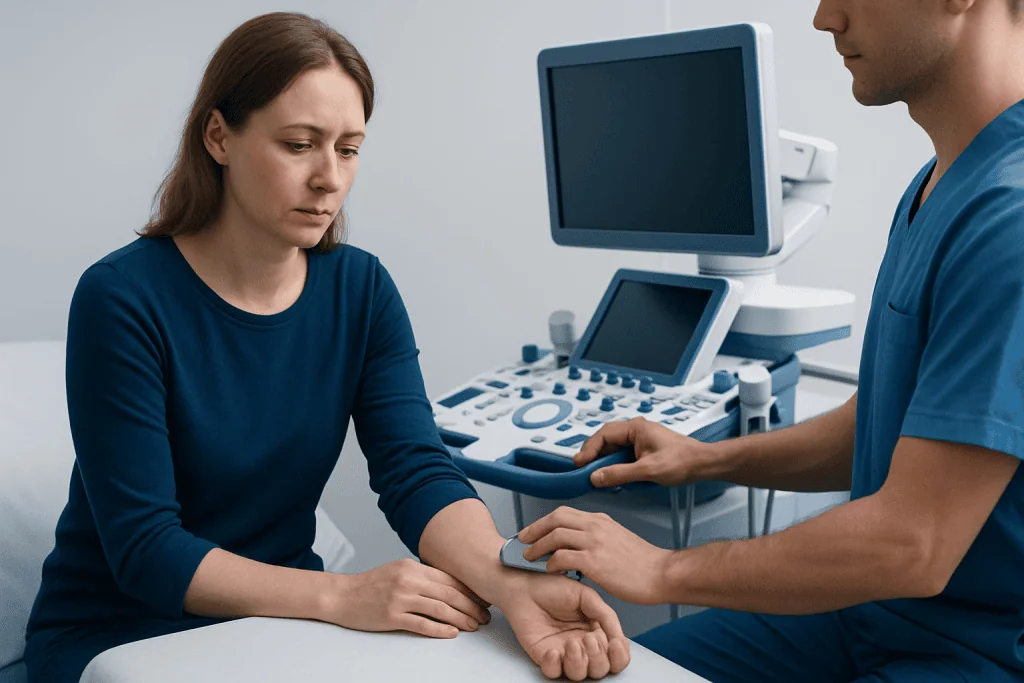
The main symptom is pain near the base of the thumb and along the wrist on the thumb side. This pain may begin gradually or come on after repeated use. Some people notice swelling or tenderness in the same area, and movement can feel stiff or uncomfortable, especially first thing in the morning or after activity.
Symptoms often become more noticeable during tasks that involve gripping or twisting. Examples include opening jars, lifting a child, carrying shopping bags, texting, gardening, using tools, or playing certain sports. A snapping or catching sensation may happen when moving the thumb, especially if the tendons are more inflamed.
Over time, untreated symptoms can interfere with simple routines such as writing, dressing, cooking, or work tasks. Because the hand and thumb are used so often, even a small area of tendon irritation can have a significant effect on comfort and function. This is why persistent pain should be assessed rather than simply worked through.
What Causes It and Who Is More Likely to Need Treatment?

De Quervain’s tenosynovitis often develops from repeated thumb and wrist movements that irritate the tendon sheath over time. Activities that combine gripping, pinching, lifting, or wrist deviation may contribute. Sometimes symptoms appear after a change in workload, childcare duties, sports, hobbies, or repetitive hand use rather than after one single injury.
Some people are more prone to the condition. It is commonly seen in new parents and caregivers because of repeated lifting positions that strain the thumb and wrist. It can also be associated with inflammatory conditions such as rheumatoid arthritis, although many cases occur without an underlying disease.
Risk may increase with repetitive manual work, frequent smartphone use in some individuals, prior wrist strain, and tasks that require forceful thumb use. Not everyone with these risk factors will develop symptoms, but understanding triggers can help shape treatment and prevent recurrence. If another hand or wrist condition is suspected, a doctor may also consider related causes of pain, including carpal tunnel syndrome.
How Doctors Diagnose De Quervain’s Tenosynovitis
Diagnosis usually begins with a medical history and physical examination. The doctor asks where the pain is felt, what movements make it worse, how long symptoms have been present, and whether there has been repetitive use, recent strain, pregnancy, or caregiving activity. The exact location of tenderness is often very helpful in making the diagnosis.
During the exam, the doctor checks for swelling, movement limitation, and pain with thumb motion. A commonly used test involves bending the thumb into the palm and gently moving the wrist toward the little finger side. If this reproduces pain along the thumb side of the wrist, it supports the diagnosis, though doctors interpret this carefully because other wrist problems can also cause discomfort.
Imaging is not always required, but it may be used if symptoms are unusual, severe, or not improving. Ultrasound can show tendon sheath thickening or fluid, and X-rays may help rule out arthritis or a fracture if needed. In more complex cases, specialists in orthopedic care or hand surgery may evaluate whether another tendon, nerve, or joint condition is contributing.
Non-Surgical Treatment Steps
For many people, the first stage of De Quervain’s tenosynovitis treatment is to reduce the strain that keeps the tendons irritated. This may include temporarily avoiding repetitive gripping, lifting with the thumb spread wide, wringing motions, or prolonged device use. A doctor may recommend a thumb spica splint, which helps rest both the wrist and thumb in a more protected position.
Other early treatments may include ice, short-term anti-inflammatory medicines if appropriate, and practical activity changes. Using the whole hand instead of pinching, changing lifting technique, taking regular breaks, and improving workstation or tool setup can all be helpful. These steps do not simply mask pain; they create conditions that allow the tendon sheath to settle.
Hand therapy or rehabilitation may be advised when symptoms have lasted longer, hand function has changed, or there is a risk of recurrence. Therapy can include gentle range-of-motion work, stretching, strengthening at the right stage, and training in safer movement patterns. In some cases, guided physical therapy and rehabilitation supports recovery and a smoother return to daily activities.
If symptoms do not improve enough, a corticosteroid injection into the tendon sheath may be recommended. This aims to reduce inflammation and relieve pressure around the tendons. Many people experience meaningful improvement after an injection, especially when it is combined with splinting and activity modification, though response can vary from person to person.
When Surgery Is Needed and What It Involves
Surgery is generally considered when non-surgical care has not provided enough relief, when symptoms keep returning, or when pain significantly limits daily function. It may also be discussed if tendon movement remains restricted or if there is persistent tenderness and swelling despite an appropriate period of conservative treatment. The decision is individualized and usually made after weighing symptom severity, work and lifestyle needs, and how much other treatments have helped.
The operation is commonly called a release procedure. In simple terms, the surgeon opens the tight tendon sheath to create more space for the irritated tendons to move freely. It is usually a relatively small procedure performed with regional or local anesthesia, although the exact setting and technique depend on the patient and surgical team.
As with any operation, there are possible risks, such as infection, tenderness around the scar, stiffness, nerve irritation, or incomplete symptom relief. However, surgery is generally reserved for cases where the expected benefits outweigh these concerns. Patients who are being assessed for hand or upper-limb procedures may be supported through hand surgery services when specialist surgical care is appropriate.
Recovery After Treatment and Returning to Normal Activities
Recovery depends on the type of treatment used and how long symptoms were present beforehand. With splinting and activity modification alone, some people notice gradual improvement over several weeks, while others need longer. After a corticosteroid injection, pain may settle over days to weeks, but continued protection of the thumb and wrist is still important during early recovery.
After surgery, the hand is usually protected for a short period, and a doctor gives instructions about wound care, exercises, and when to start moving the thumb and wrist more fully. Light use often returns before heavier gripping or repetitive tasks. Full comfort and strength can take time, especially if the wrist had been painful for a long period before surgery.
Recovery tends to go more smoothly when activity is increased gradually rather than all at once. People are often advised to avoid forceful pinching, heavy lifting, or repetitive wrist deviation until healing is well established. If stiffness or weakness is present, a structured rehabilitation plan may help improve movement, strength, and confidence in hand use.
Near the end of treatment planning, some patients also benefit from multidisciplinary review, particularly if their work, sport, or caregiving demands are high. Acibadem International’s multidisciplinary specialists in JCI-accredited hospitals diagnose and treat hand and wrist conditions for international patients when further evaluation or treatment is needed.
Prevention, Self-Care, and When to See a Doctor
Prevention focuses on reducing repeated strain on the thumb and wrist. This may include using both hands to lift, keeping the wrist in a more neutral position during tasks, taking breaks from repetitive hand work, and choosing tools or grips that reduce thumb loading. Small changes in technique can make a meaningful difference over time.
At home, self-care is most useful when it supports healing rather than pushing through pain. Brief rest, careful use of a splint if advised, cold application, and avoiding symptom-triggering movements may help. Gentle exercises should only be started when recommended, since aggressive stretching too early can sometimes worsen irritation.
A doctor should assess symptoms that last more than a short period, keep returning, disturb sleep, or interfere with work, childcare, or daily tasks. Medical review is also important if there is marked swelling, weakness, numbness, or uncertainty about the diagnosis. Early treatment can often prevent a mild problem from becoming a longer-lasting one.
Frequently asked questions
Can De Quervain’s tenosynovitis go away without surgery?
Yes, many people improve without surgery. Rest, splinting, activity changes, and sometimes anti-inflammatory treatment or corticosteroid injection are often effective, especially when treatment starts early.
How long does De Quervain’s tenosynovitis recovery take?
Recovery time varies depending on symptom severity and the treatment used. Mild cases may improve over a few weeks, while more persistent cases or recovery after surgery can take longer and may benefit from guided rehabilitation.
Is a steroid injection for De Quervain’s painful or risky?
An injection may cause brief discomfort, but doctors take steps to make the procedure as comfortable as possible. Like any treatment, it has possible risks, such as temporary soreness, skin changes, or incomplete relief, so the decision is made after discussing benefits and risks.
What activities should be avoided during treatment?
Activities that repeatedly strain the thumb and wrist are usually limited for a period. This often includes forceful gripping, lifting with the thumb spread wide, wringing motions, repetitive texting, and tasks that trigger pain.
When should someone consider surgery for De Quervain’s tenosynovitis?
Surgery may be considered when symptoms remain troublesome despite appropriate non-surgical treatment, or when pain and weakness continue to affect daily life. A hand specialist can explain whether the likely benefits outweigh the risks in an individual case.
Can De Quervain’s come back after treatment?
It can recur, particularly if the thumb and wrist return quickly to the same repetitive strain that contributed to the problem. Ongoing attention to technique, hand positioning, pacing of activities, and rehabilitation can help lower this risk.
References
- American Academy of Orthopaedic Surgeons
- National Institute of Arthritis and Musculoskeletal and Skin Diseases
- American Society for Surgery of the Hand
- National Health Service
- Mayo Clinic
This article is for general information only and is not a substitute for professional medical advice. Please consult a qualified doctor about your individual situation.
Tenosynovitis in Turkey — costs, top hospitals & a free quote
JCI-accredited · board-certified surgeons · reply within 24h
Add us as a Preferred Source to see more of our trusted health content across Google Search, AI Overviews and Discover.