

Dead Tooth: An Evidence-Based Guide for Patients
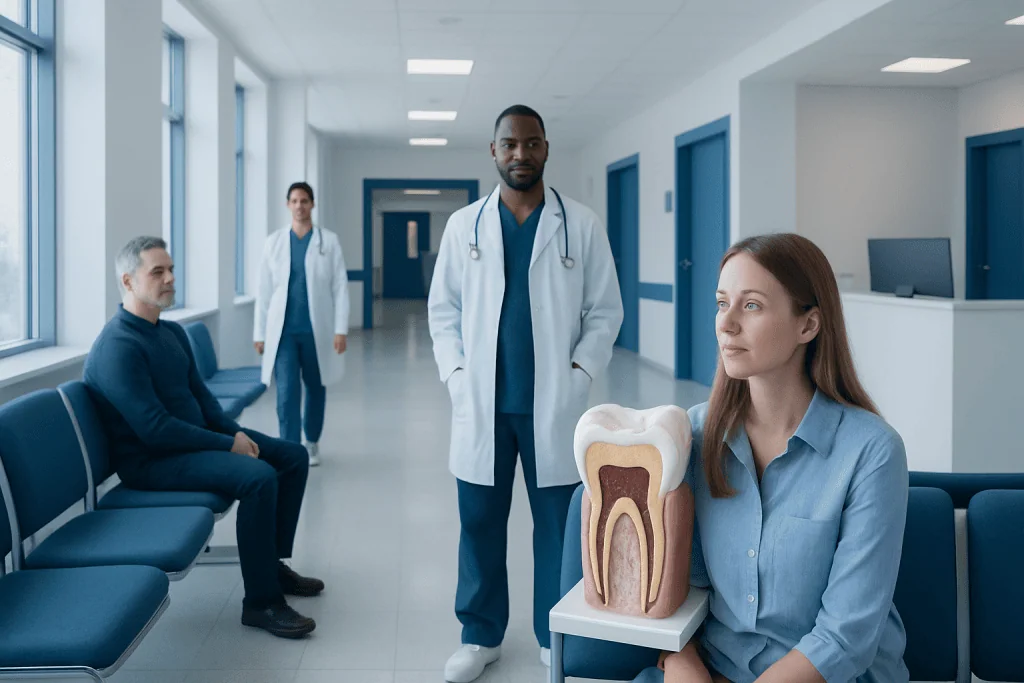
A dead tooth usually means the pulp inside the tooth has lost its blood supply and vitality. Common signs include tooth discoloration, pain when biting, sensitivity, gum swelling, or a bad taste from infection.
Key Takeaways
- A dead tooth usually means the pulp inside the tooth has lost its blood supply and vitality.
- Common signs include tooth discoloration, pain when biting, sensitivity, gum swelling, or a bad taste from infection.
- Untreated pulp death can lead to infection, abscess formation, and tooth loss.
- Diagnosis typically involves a dental exam, pulp testing, and dental X-rays.
- Treatment may include a filling, root canal treatment, crown, or extraction depending on the extent of damage.
- Prompt dental care improves the chance of preserving the tooth and preventing complications.
A dead tooth is a tooth whose inner pulp tissue has been badly damaged and no longer has a healthy blood supply. It may cause discoloration, pain, swelling, or no symptoms at all, but it should be assessed by a dentist because treatment can often save the tooth or prevent infection.
Overview: What a Dead Tooth Means
A dead tooth is a tooth in which the inner soft tissue, called the pulp, has lost its healthy blood supply and nerve function. This usually happens after deep decay, trauma, repeated dental procedures, or infection. Although the term sounds alarming, a dead tooth can often be managed successfully, especially when it is diagnosed early.
The pulp sits inside the tooth and contains nerves, blood vessels, and connective tissue. When this tissue becomes severely inflamed or infected, it may no longer recover. Once the pulp dies, the tooth cannot heal itself from the inside, and bacteria may grow within the root canal space if treatment is delayed.
Not every dead tooth causes immediate pain. Some people first notice that the tooth turns gray, yellow, or darker than the surrounding teeth. Others seek care because of throbbing pain, swelling, or tenderness when chewing. Because symptoms vary, a professional dental evaluation is the most reliable way to confirm the problem.
Symptoms of a Dead Tooth
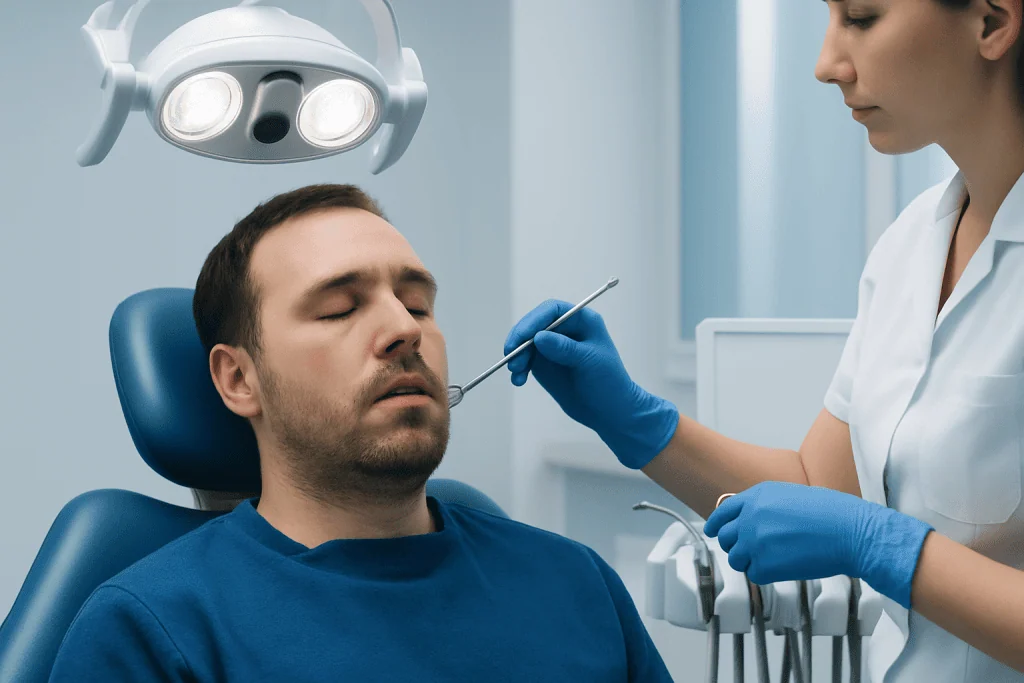
The symptoms of a dead tooth can range from subtle to obvious. In the early stages, the tooth may be very sensitive to hot, cold, or pressure because the pulp is inflamed rather than fully dead. Later, when the nerve tissue is no longer functioning, pain may lessen temporarily even though the underlying problem remains.
One of the most recognizable signs is discoloration. A dead tooth may appear yellow, gray, brown, or black compared with neighboring teeth. This happens because blood products and damaged tissue inside the tooth break down over time, changing its color from within.
Other possible symptoms include:
- Pain when biting or chewing
- Persistent or throbbing toothache
- Swelling of the gum near the tooth
- A pimple-like bump on the gum that may drain pus
- Bad breath or an unpleasant taste in the mouth
- Loosening of the tooth in more advanced cases
Sometimes there are no clear symptoms until infection spreads to the tissues around the root. For that reason, a discolored or previously injured tooth should still be checked, even if it is not painful.
Causes and Risk Factors

The two most common causes of a dead tooth are tooth decay and trauma. Deep cavities allow bacteria to pass through enamel and dentin into the pulp. If the infection is not treated, inflammation inside the tooth may become irreversible and lead to pulp death. This process can also be part of broader tooth decay that has progressed over time.
Trauma is another important cause. A blow to the mouth from sports, a fall, or an accident can disrupt blood flow to the pulp even when the tooth does not crack visibly. A tooth may look normal right after the injury but darken months later as the pulp loses vitality.
Additional risk factors include large untreated fillings, repeated dental work on the same tooth, teeth grinding, severe wear, and gum disease that affects supporting structures. Poor oral hygiene, frequent sugary foods or drinks, and delayed dental visits also increase the chance that problems will progress to the pulp.
People of any age can develop a dead tooth. However, children and young adults who experience dental trauma, as well as adults with extensive decay or older restorations, may be at higher risk.
How Dentists Diagnose a Dead Tooth
Diagnosis begins with a clinical history and careful examination. The dentist usually asks about pain, sensitivity, previous trauma, recent dental treatment, and when any color change began. The tooth and surrounding gums are checked for cracks, swelling, drainage, tenderness, and mobility.
A dentist may also perform vitality or pulp tests. These can include cold testing, heat testing, or electric pulp testing to see whether the tooth responds normally. These tests do not measure health perfectly on their own, but they are useful when combined with symptoms and examination findings.
Dental X-rays are often needed to assess the root and the bone around it. X-rays can show deep decay, changes around the tip of the root, widening of the ligament space, or signs of an abscess. In some cases, additional imaging may be used if the diagnosis is uncertain or the anatomy is complex.
Because tooth pain can overlap with problems such as cracked teeth, severe gum disease, or sinus-related discomfort, self-diagnosis is not reliable. A dentist can determine whether the tooth is inflamed, dead, infected, or affected by another dental condition.
Treatment Options
Treatment depends on whether the tooth can be preserved, whether infection is present, and how much of the tooth structure remains. If the tooth is still restorable, the main goal is to remove damaged or infected pulp tissue, clean the root canals, and seal the tooth to prevent reinfection. This is commonly done with root canal treatment.
After a root canal, many teeth need a filling or a crown to restore strength and function, especially if a large amount of tooth structure has been lost. In some cases, internal bleaching or other cosmetic treatment may be discussed if discoloration remains after the tooth is treated.
If the tooth is too severely damaged, fractured below the gum line, or cannot be restored safely, extraction may be recommended. Replacing a removed tooth may involve options such as a bridge, denture, or dental implant, depending on the person’s oral health and preferences.
If swelling, pus, or a spreading infection is present, the dentist may prioritize drainage and urgent treatment of the source. Antibiotics are not always necessary for a dead tooth, but they may be used in selected situations when infection extends beyond the tooth. A dentist may also evaluate related problems such as gum disease if the surrounding tissues are affected.
Prevention and Self-Care
Not every dead tooth can be prevented, particularly after sudden trauma, but many cases linked to decay can be avoided. Good daily oral care helps reduce the chance that bacteria will reach the pulp. This includes brushing twice a day with fluoride toothpaste, cleaning between the teeth, and attending regular dental checkups.
Diet also matters. Limiting frequent sugary snacks and acidic drinks can reduce the risk of cavities that progress deep into the tooth. A dentist may recommend fluoride treatments, sealants, or early fillings when small problems are found before they reach the pulp.
Protecting the teeth from injury is another practical step. Wearing a mouthguard during contact sports and addressing teeth grinding can lower the risk of trauma and cracks. If a tooth is injured, even without severe pain, it should be checked because pulp damage may appear later.
At home, a person with a suspected dead tooth should avoid chewing hard foods on that side and keep the area clean. Pain relievers may help temporarily, but they do not treat the cause. Home remedies cannot revive dead pulp tissue, so professional care remains important.
When to Seek Medical Care
A person should arrange a dental appointment if a tooth becomes darker than the surrounding teeth, develops ongoing sensitivity, or hurts when biting. Early assessment can improve the chance of saving the tooth and may prevent infection from spreading into the bone and gums.
More urgent care is needed if there is facial swelling, fever, a foul-tasting discharge, difficulty opening the mouth, or rapidly worsening pain. These symptoms can suggest a dental abscess or spreading infection that requires prompt treatment.
Anyone who has had a blow to the mouth should have the tooth checked, even if there is no obvious fracture. Changes in color and pulp vitality can take time to develop after trauma. If treatment involves restoring the tooth after infection or damage, options such as dental crown placement may help protect it long term.
Near the end of the care pathway, some patients may need coordinated evaluation by dental and maxillofacial teams. Acibadem International’s multidisciplinary specialists in JCI-accredited hospitals diagnose and treat dental conditions for international patients when advanced assessment or treatment planning is needed.
Frequently asked questions
Can a dead tooth heal on its own?
No. Once the pulp inside the tooth has lost its blood supply and vitality, it cannot regenerate on its own in the usual sense. A dentist needs to assess whether the tooth can be treated with root canal therapy or whether removal is necessary.
Does a dead tooth always hurt?
No, not always. Some dead teeth are painless, especially after the nerve tissue stops responding, while others cause significant pain from inflammation or infection around the root. A tooth can still be unhealthy even if it no longer hurts.
What color does a dead tooth turn?
A dead tooth may turn gray, yellow, brown, or darker than neighboring teeth. The exact shade varies depending on the cause and how long the pulp has been damaged. Any unexplained color change should be checked by a dentist.
Can a dead tooth be saved?
Often, yes. If enough healthy tooth structure remains, root canal treatment followed by restoration may preserve the tooth and allow normal function. The outlook depends on the amount of damage, the presence of infection, and how soon treatment is started.
Will antibiotics fix a dead tooth?
Antibiotics alone do not treat the dead pulp inside the tooth. They may help in certain cases when infection has spread into surrounding tissues, but the source still needs dental treatment. A dentist decides whether antibiotics are appropriate.
Is a dark tooth always a dead tooth?
No. A dark tooth can be caused by staining, old dental materials, trauma, decay, or pulp death. Because several conditions can look similar, a dental examination and often an X-ray are needed for an accurate diagnosis.
References
- American Dental Association
- National Institute of Dental and Craniofacial Research
- American Association of Endodontists
- Mayo Clinic
- World Health Organization
This article is for general information only and is not a substitute for professional medical advice. Please consult a qualified doctor about your individual situation.
Explore treatments in Turkey — costs, top hospitals & a free quote
JCI-accredited · board-certified surgeons · reply within 24h
Add us as a Preferred Source to see more of our trusted health content across Google Search, AI Overviews and Discover.

More from the Health Library

Xdemvy Eye Drops: What Patients Need to Know

Sesame Oil — Explained by Medical Evidence, Not Myths

Fever: An Evidence-Based Guide for Patients

Cure Groin Strain — Explained by Medical Evidence, Not Myths

Smell Smell: A Complete Medical Overview

4 Worst Blood Pressure Drugs: A Complete Medical Overview
Oral & Dental Health Specialists at Acibadem

Dt. Akif Aydın Şen
Oral & Dental Health
Dt. Alara Güler
Oral & Dental Health
Dt. Alara Naz Kenir Çelik
Oral & Dental Health
Dr. Alen Palancıoğlu
Oral Dental & Maxillofacial Surgery