Debridement — Explained by Medical Evidence, Not Myths

Debridement helps a wound heal by removing tissue that the body cannot repair. It may be done with instruments, moisture-retaining dressings, special solutions, or other methods depending on the wound.
Key Takeaways
- Debridement helps a wound heal by removing tissue that the body cannot repair.
- It may be done with instruments, moisture-retaining dressings, special solutions, or other methods depending on the wound.
- Not every wound needs debridement; the decision depends on the wound type, blood supply, pain level, and infection risk.
- Good wound care after debridement is important and may include cleaning, dressings, pressure relief, and treatment of underlying conditions.
- Prompt medical assessment is important for wounds with spreading redness, fever, severe pain, bad odor, or black tissue.
Debridement meaning is the medical removal of dead, damaged, or infected tissue from a wound to support healing and reduce complications. It is a standard wound-care approach used when tissue in or around a wound is preventing the body from repairing itself effectively.
Overview: what debridement means
Debridement meaning is simple: it is the removal of dead, damaged, or infected tissue from a wound. Doctors and wound-care teams use it to create a cleaner wound bed so healthy tissue can grow and the wound has a better chance to heal.
This is not a cosmetic step and it is not done routinely for every cut or scrape. Debridement is used when non-healthy tissue is slowing healing, increasing the risk of infection, hiding the true depth of a wound, or preventing a dressing or treatment plan from working as intended.
Healthy healing usually needs a clean surface, enough blood flow, moisture balance, and protection from pressure or friction. When a wound contains slough, necrotic tissue, debris, or infected material, the body may struggle to repair it. Debridement removes those barriers so clinicians can better assess and treat the area.
Why debridement is done
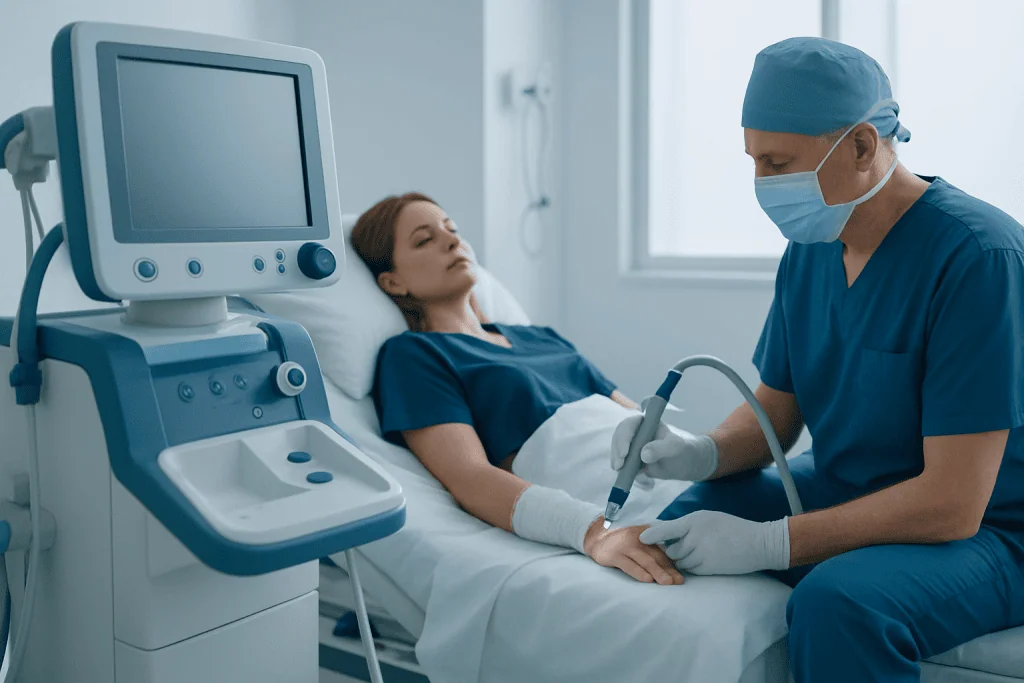
The main goal of debridement is to support wound healing. Dead tissue can become a place where bacteria grow, and it may keep healing cells from reaching the wound surface. Removing that tissue can reduce inflammation, lower bacterial burden, and help healthy granulation tissue develop.
Debridement can also improve the accuracy of diagnosis. Once surface debris and nonviable tissue are removed, a clinician can better judge how deep the wound is, whether tendons or bone are involved, and whether there are signs of infection or poor circulation. This is especially important in hard-to-heal wounds such as diabetic foot problems and pressure injuries.
In some cases, debridement is part of a larger treatment plan rather than a single event. A person may need repeat wound checks, changes in dressings, infection treatment, improved glucose control, pressure relief, or evaluation by specialists in wound care and related fields. The exact plan depends on why the wound developed and how well the surrounding tissue can heal.
Types of debridement

There is more than one way to perform debridement, and the best method depends on the wound. Clinicians consider the amount of dead tissue, signs of infection, pain, blood supply, and the person’s overall health before choosing an approach.
Surgical or sharp debridement uses sterile instruments such as a scalpel, scissors, or curette to remove nonviable tissue quickly. It is often chosen when there is a lot of dead tissue, concern for infection, or a need to assess the wound promptly. This may be done at the bedside, in a clinic, or in an operating room depending on the wound and the person’s comfort and medical needs.
Other methods work more gradually. Autolytic debridement uses moisture-retaining dressings so the body’s own enzymes can break down dead tissue. Enzymatic debridement uses topical agents designed to dissolve certain nonviable tissue. Mechanical methods may use irrigation or specialized dressings to lift debris, while biological debridement uses sterile larvae in selected situations to remove dead tissue while sparing healthy tissue.
- Sharp or surgical: fast and precise, often used for infected or heavily necrotic wounds
- Autolytic: gentle, often used when the wound is stable and not urgently infected
- Enzymatic: helpful when selective tissue removal is needed
- Mechanical: may assist with debris removal but can be less selective
- Biological: a specialized option in certain chronic wounds
Which wounds may need debridement
Debridement is most often considered for chronic or complex wounds rather than small routine injuries. Examples include pressure ulcers, diabetic foot ulcers, venous leg ulcers, traumatic wounds with contamination, burns, and some postsurgical wounds that are not healing as expected.
However, not every wound with dry or dark tissue should be debrided immediately. A clinician first checks circulation, tissue oxygenation, and signs of infection. For example, a dry, stable black eschar on a poorly perfused heel may be managed differently than soft infected tissue elsewhere. The decision must be individualized.
People with diabetes, poor circulation, reduced mobility, or nerve damage may develop wounds that need more careful monitoring. In these situations, clinicians may also assess for related conditions such as peripheral artery disease, because limited blood flow can strongly affect healing and whether debridement is safe and helpful.
How doctors assess a wound before debridement
Before debridement, a healthcare professional examines the wound and the person as a whole. They usually look at size, depth, drainage, odor, surrounding skin, pain, and whether there is slough, necrosis, tunneling, or exposed structures. They also ask how long the wound has been present and what treatments have already been tried.
Assessment often includes checking blood flow and the risk of infection. This may involve pulse checks, vascular studies, blood tests, wound cultures in selected situations, or imaging if there is concern that infection has reached deeper tissue or bone. Underlying conditions such as diabetes, malnutrition, smoking, and immune suppression can slow healing and change the treatment approach.
Because debridement is only one part of care, the team also looks for the reason the wound formed. For example, reducing pressure on a pressure injury, managing swelling in a venous ulcer, or controlling blood sugar in a diabetic foot wound may be just as important as removing dead tissue. Some people benefit from a broader plan that includes vascular evaluation and treatment when circulation is limited.
What to expect during and after the procedure
What debridement feels like depends on the method used and the condition of the wound. Some nonviable tissue has little sensation, while the surrounding skin may be tender. Local pain control, numbing medicine, or other comfort measures may be used, especially for sharp debridement. The aim is to remove unhealthy tissue while protecting healthy tissue as much as possible.
After the procedure, the wound is usually cleaned and covered with an appropriate dressing. Some bleeding, drainage, or short-term soreness can occur, especially after sharp debridement. The wound may look larger at first because hidden damaged tissue has been removed, but this can actually allow a more accurate treatment plan and healthier healing over time.
Follow-up care is essential. Dressings may need to be changed regularly, pressure may need to be relieved, and infection control or nutrition support may be addressed. In more complex cases, advanced wound closure strategies such as reconstructive procedures may be considered only after the wound bed is cleaner and healthier. At Acibadem International, multidisciplinary specialists in JCI-accredited hospitals diagnose and treat complex wounds for international patients.
Risks, limits, and when debridement may not be right
Debridement is generally safe when performed or supervised by trained professionals, but it still has possible risks. These can include pain, bleeding, temporary increase in drainage, damage to nearby healthy tissue, or the need for repeated sessions. If the wound is infected or very deep, treatment may also involve antibiotics or additional procedures.
There are times when debridement is delayed or avoided. Poor blood supply, uncontrolled bleeding risk, unstable dry eschar in a specific location, or severe medical illness may change the plan. In these cases, the priority may be improving circulation, stabilizing the person, treating infection, or choosing a gentler wound-care strategy first.
Self-treating a chronic or deep wound is not recommended. Home remedies, harsh antiseptics, or attempts to cut away tissue can worsen injury and infection risk. A proper medical evaluation helps determine whether debridement is useful, what type is safest, and what additional treatment the wound needs.
Self-care and when to seek medical care
Good self-care can support healing, whether or not debridement is needed. Wounds generally heal best when they are kept clean, protected, and reviewed if they are not improving. Following dressing instructions, avoiding smoking, eating enough protein and fluids, controlling diabetes, and reducing pressure on the area can all make a difference.
Medical care should be sought promptly if a wound is deep, gets larger, does not improve, or shows signs of infection. Warning signs include spreading redness, warmth, swelling, pus, bad odor, fever, increasing pain, red streaks, or black or gray tissue. Anyone with diabetes, circulation problems, or reduced sensation in the feet should have new wounds assessed early rather than waiting.
Emergency assessment may be needed for severe bleeding, rapidly spreading skin changes, sudden severe pain, confusion, or signs of serious infection. Early care can help prevent complications and may reduce the amount of tissue that ultimately needs to be removed.
Frequently asked questions
Does debridement mean a wound is infected?
No. Debridement may be used for infected wounds, but it is also used when a wound contains dead tissue that is slowing healing even without clear infection. The need for debridement depends on the wound's condition, not on infection alone.
Is debridement painful?
It can cause discomfort, but the amount varies by wound type and the method used. Clinicians often use local pain relief, numbing measures, or gentle techniques to improve comfort. Ongoing soreness after the procedure is usually managed with standard wound-care advice from the treating team.
How long does it take a wound to heal after debridement?
Healing time varies widely. It depends on the size and depth of the wound, blood supply, infection control, nutrition, and conditions such as diabetes or poor circulation. Some wounds improve quickly, while chronic wounds may need repeated care over weeks or longer.
Can debridement be done at home?
Routine cleaning and dressing changes may be done at home if a clinician has given instructions, but debridement itself should not be attempted without medical guidance. Cutting or scraping tissue at home can cause bleeding, pain, and infection. A qualified professional should decide whether debridement is needed and which method is appropriate.
Do all wounds with scabs or dark tissue need debridement?
No. Some wounds heal well without debridement, and some areas of dry, stable tissue may be left in place depending on blood flow and infection risk. The appearance of the wound alone is not enough to decide; a clinical assessment is important.
What happens if dead tissue is left in a wound?
Dead tissue can slow healing and may increase the chance of infection or inflammation. It can also make it harder for clinicians to see the wound clearly and choose the best treatment. Still, removal is not automatic in every case, because safety depends on circulation, location, and the person's overall health.
This article is for general information only and is not a substitute for professional medical advice. Please consult a qualified doctor about your individual situation.
Explore treatments in Turkey — costs, top hospitals & a free quote
JCI-accredited · board-certified surgeons · reply within 24h
Add us as a Preferred Source to see more of our trusted health content across Google Search, AI Overviews and Discover.

More from the Health Library

Kudzu: A Complete Medical Overview

Salmon: What Patients Need to Know

Mounjaro: A Complete Medical Overview

Sigmoid Colon: A Complete Medical Overview

High Testosterone in Women: What Patients Need to Know