Deep Brain Stimulation vs Medication for Tremor: How Treatment Choices Are Made

Medication is usually the first treatment for most tremor disorders. Deep brain stimulation is generally considered when tremor remains disabling despite medicine or when side effects limit medication use.
Key Takeaways
- Medication is usually the first treatment for most tremor disorders.
- Deep brain stimulation is generally considered when tremor remains disabling despite medicine or when side effects limit medication use.
- The best choice depends on tremor type, symptom severity, age, overall health, and personal priorities.
- A movement disorder specialist often uses examinations, imaging, and medication history to guide decisions.
- Deep brain stimulation can improve symptom control but does not cure the underlying neurological condition.
- Shared decision-making helps balance expected benefits, risks, recovery, and long-term follow-up needs.
Choosing between medication and deep brain stimulation for tremor depends on the cause of the tremor, how much it affects daily life, and how well symptoms respond to medicines. A careful evaluation by a neurologist and, when needed, a neurosurgical team helps match treatment to the individual’s needs and goals.
Overview: How treatment choices are made
When comparing deep brain stimulation vs medication for tremor, the most important question is not which treatment is “better” in general, but which treatment is the best fit for a specific person. Tremor can have different causes, including essential tremor, Parkinson’s disease, and less commonly other neurological conditions. Because each cause behaves differently, treatment decisions are individualized.
For many people, medication is the first step. Medicines may reduce tremor enough to make writing, eating, dressing, and other daily tasks easier. If tremor remains severe despite carefully chosen medicines, or if medicines cause troublesome side effects, doctors may discuss deep brain stimulation, often called DBS.
DBS is a procedure that uses implanted electrodes to help regulate abnormal brain signals involved in movement. It is usually considered for carefully selected patients whose symptoms have a meaningful impact on quality of life. This choice is rarely made by one doctor alone; it is often guided by a multidisciplinary team that may include a movement disorder neurologist, neurosurgeon, neuropsychologist, and rehabilitation specialists.
When medication is usually the first option
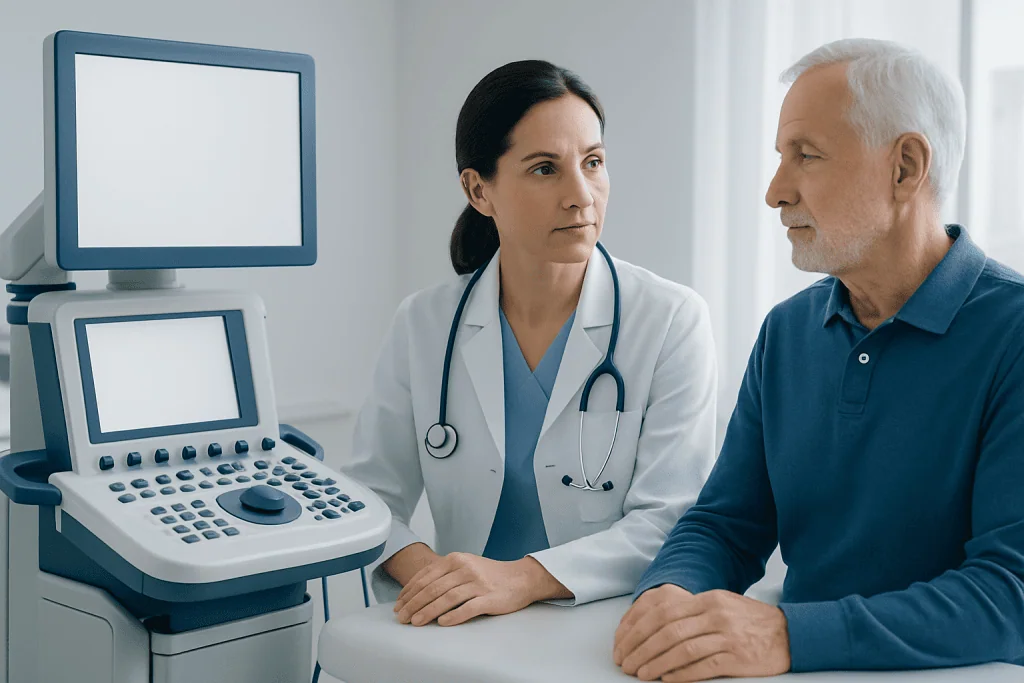
Medication is usually tried before surgery because it is less invasive and can be effective, especially earlier in the course of tremor disorders. In essential tremor, certain medicines may reduce shaking of the hands, head, or voice. In Parkinson’s disease, medicines may help tremor along with other symptoms such as stiffness and slowness.
Doctors look at several practical questions when assessing medication response. They consider how much tremor improves, how long the effect lasts, whether doses need frequent adjustment, and whether side effects interfere with daily life. Side effects vary by drug and person, but may include fatigue, dizziness, sleepiness, low blood pressure, mood changes, or difficulty thinking clearly.
Medication may remain the best approach if tremor is mild, intermittent, or manageable with lifestyle adjustments. It may also be preferred if a person has medical conditions that make surgery less suitable. Even when DBS is being considered, medication often still has a role before and after treatment, depending on the underlying diagnosis.
- Medication is often best for mild to moderate symptoms.
- It can be adjusted over time without a procedure.
- It may treat more than one symptom in Parkinson’s disease.
- Its main limitations are incomplete control and side effects.
When deep brain stimulation may be considered

Deep brain stimulation may be considered when tremor remains disabling despite well-managed medical therapy. “Disabling” does not necessarily mean life-threatening. It often means tremor significantly affects basic activities such as drinking from a cup, using tools, working, or participating in social situations. Some people avoid public settings because of visible shaking, and this impact also matters in treatment planning.
DBS is most commonly used for selected people with essential tremor and Parkinson’s disease tremor. It may be discussed when tremor control from medication is incomplete, when medications wear off unpredictably, or when side effects become difficult to tolerate. In Parkinson’s disease, DBS may also help certain movement fluctuations and dyskinesias, depending on the target and the individual’s symptom pattern.
The procedure does not cure the underlying disease, and it does not stop progression of conditions such as Parkinson’s disease. However, it can provide substantial symptom relief for the right candidate. Patients exploring deep brain stimulation usually undergo detailed neurological and surgical evaluation to confirm that expected benefits outweigh the risks.
What doctors evaluate before choosing between them
Doctors make this decision by looking at the whole clinical picture rather than tremor alone. The first step is identifying the tremor type and cause. A careful history and neurological examination help distinguish essential tremor from Parkinsonian tremor and from other less common tremor syndromes. This matters because treatments can differ, and not every tremor responds equally well to the same approach.
Specialists also assess how much the tremor affects quality of life. They may ask about handwriting, eating, work tasks, falls, dressing, sleep, and social functioning. A person with mild tremor on examination may still have major trouble in daily life, while someone with more obvious tremor may not feel significantly limited. Personal goals therefore play a central role.
Other key considerations include age, memory and thinking function, mood symptoms, walking and balance, heart and lung health, and the ability to attend follow-up visits for device programming. Brain imaging may be used to rule out other structural causes or to support surgical planning. For patients with Parkinson’s disease or essential tremor, this structured evaluation helps determine whether medication adjustment, DBS, or another strategy is most appropriate.
Benefits and limitations of each treatment
Medication and DBS each have strengths and limitations. Medicines are non-surgical and easier to start, stop, or change. They can be very helpful, especially when symptoms are not advanced. However, some people do not get enough relief, and others find that benefits lessen over time or that side effects become a barrier.
DBS offers a different kind of control. Because stimulation can be adjusted after implantation, it allows a tailored approach over time. Many patients value the possibility of more consistent tremor reduction and improved function in daily activities. In some cases, DBS may also reduce the need for certain medications, though this varies by diagnosis and individual response.
At the same time, DBS involves surgery and long-term follow-up. Risks may include bleeding, infection, device-related problems, speech changes, balance issues, or mood and thinking effects in some patients. The system also requires programming visits and eventual battery maintenance or replacement. For some people, these ongoing needs are reasonable; for others, they are an important factor in deciding against surgery.
- Medication advantages: non-invasive, flexible, often first-line.
- Medication limitations: side effects, incomplete relief, wearing off.
- DBS advantages: adjustable, can help severe tremor, may improve function.
- DBS limitations: surgery, follow-up needs, not suitable for everyone.
What the diagnosis and treatment pathway may involve
The pathway usually starts with evaluation by a neurologist, ideally one with expertise in movement disorders. The doctor reviews symptoms, medical history, current medicines, and previous treatment results. In some cases, medication trials are adjusted carefully before moving on to procedural options, since optimizing medical therapy can sometimes avoid or delay surgery.
If tremor continues to limit daily life, further testing may be recommended. This can include brain imaging, cognitive assessment, and consultations with additional specialists. These steps are designed to improve safety and help predict whether the person is likely to benefit from DBS. Surgical planning may also involve discussions about the brain target, expected outcomes, and recovery.
Some patients may also be evaluated for other focused procedures depending on tremor type and overall suitability. When appropriate, specialists may compare DBS with options such as gamma knife radiosurgery or stereotactic radiosurgery in selected cases. The aim is to choose the treatment that best matches symptom pattern, health status, and long-term goals.
Recovery, follow-up, and living with treatment
Treatment choice is not only about symptom control on day one. It also includes recovery time, ongoing follow-up, and how the plan fits into everyday life. With medication, follow-up focuses on dose adjustments, symptom monitoring, and watching for side effects. People may need periodic changes over time as symptoms evolve.
With DBS, the period after surgery is a key part of treatment. The device typically needs programming visits to find the most helpful settings, and these adjustments may continue over weeks or months. Even after a good result, long-term follow-up remains important because symptoms can change and device settings may need refinement.
Rehabilitation and supportive care can also make a meaningful difference. Occupational therapy, speech therapy, and practical home strategies may help people adapt to tremor, whether they use medication, DBS, or both. Near the end of the care pathway, some international patients seek treatment at centers such as Acibadem International, where multidisciplinary specialists in JCI-accredited hospitals evaluate and treat tremor disorders with individualized planning.
When to speak with a doctor about changing treatment
A person should speak with a doctor if tremor starts interfering with eating, writing, work, driving, self-care, or social interaction. Medical advice is also important if current medicines no longer control symptoms well, if side effects become difficult to tolerate, or if new neurological symptoms appear. Early review can help clarify whether a medication adjustment or a more advanced treatment should be considered.
Urgent medical attention may be needed if tremor appears suddenly, follows a head injury, is associated with weakness, severe headache, confusion, fever, or other new neurological changes. These situations may suggest a cause other than a chronic movement disorder and should not be assumed to be routine tremor progression.
In many cases, the best next step is simply a consultation with a movement disorder specialist. A thoughtful discussion about symptom burden, goals, and treatment expectations often provides the clearest path forward. Decisions about deep brain stimulation vs medication for tremor are most successful when they are made gradually, with clear information and shared decision-making.
Frequently asked questions
Is deep brain stimulation better than medication for tremor?
Not always. Medication is usually tried first and may be enough for many people. DBS is often considered when tremor remains disabling despite medicine or when side effects limit treatment.
Who is a good candidate for deep brain stimulation?
A good candidate is usually someone with a clearly diagnosed tremor disorder, symptoms that significantly affect daily life, and an evaluation showing that surgery is likely to help safely. Doctors also look at memory, mood, balance, and overall medical fitness before recommending DBS.
Can deep brain stimulation cure essential tremor or Parkinson’s disease?
No. DBS can reduce symptoms, especially tremor, but it does not cure the underlying condition or stop disease progression. Ongoing medical follow-up is still important after treatment.
If medication still helps a little, can DBS still be considered?
Yes, in some cases. If medication provides only partial relief or causes side effects that are hard to tolerate, DBS may still be an option. The decision depends on how much the tremor affects daily function and what the evaluation shows.
What are the main risks of deep brain stimulation?
As with any brain procedure, DBS has risks such as bleeding, infection, or problems related to the device. Some people may also notice speech, balance, mood, or thinking changes, which is why careful screening and follow-up are important.
Will a person still need medication after DBS?
Sometimes yes. Some patients can reduce certain medicines after DBS, but many still need at least some medication depending on the condition being treated. The exact plan is individualized and may change over time.
References
- National Institute of Neurological Disorders and Stroke
- National Institute for Health and Care Excellence
- American Academy of Neurology
- Parkinson's Foundation
- International Parkinson and Movement Disorder Society
This article is for general information only and is not a substitute for professional medical advice. Please consult a qualified doctor about your individual situation.
Tremor in Turkey — costs, top hospitals & a free quote
JCI-accredited · board-certified surgeons · reply within 24h
Add us as a Preferred Source to see more of our trusted health content across Google Search, AI Overviews and Discover.
Check your numbers in seconds
BMI, calories, due date, blood pressure and 30+ more clinical calculators — free, instant, doctor-reviewed ranges.

Neurosurgery
Surgical treatment of the brain, spine and nervous system, including minimally invasive and functional procedures.
72 specialists in this unit