Deep Cleaning for Gum Recession: What Patients Need to Know

Deep cleaning, also called scaling and root planing, removes hardened plaque and bacteria from below the gumline. It is most helpful when gum recession is linked to gum disease and periodontal pockets.
Key Takeaways
- Deep cleaning, also called scaling and root planing, removes hardened plaque and bacteria from below the gumline.
- It is most helpful when gum recession is linked to gum disease and periodontal pockets.
- Gums may appear more recessed after treatment because swelling has reduced and the tooth roots are more visible.
- Deep cleaning does not regrow lost gum tissue, although further treatment may help cover exposed roots in selected cases.
- Gentle oral hygiene, regular dental reviews and addressing risk factors can help prevent further recession.
Deep cleaning for gum recession may be recommended when plaque and tartar below the gumline are contributing to gum inflammation or periodontal disease. It can help protect the remaining gum and bone support, but it does not replace gum tissue that has already receded.
Deep Cleaning for Gum Recession: What It Can and Cannot Do
Deep cleaning for gum recession can be an important part of care when gum disease is present. The procedure removes plaque, tartar and bacteria from below the gumline, helping reduce inflammation and slow further damage to the tissues and bone that support the teeth. It is often called scaling and root planing.
However, deep cleaning cannot make gums grow back once tissue has been lost. In fact, the gums may look slightly lower after treatment because puffiness and inflammation have settled. This can make the true level of recession more noticeable, but it does not mean the cleaning caused the recession.
Whether deep cleaning is appropriate depends on why the gums are receding. A dentist or periodontist will assess gum pocket depth, bleeding, bone support, tooth position, brushing habits and other factors before recommending treatment.
Understanding Gum Recession and Its Effects
Gum recession occurs when the gum margin moves away from the crown of a tooth, exposing more of the tooth surface or root. It may affect one tooth or several teeth. Some people notice a tooth that looks longer, a notch near the gumline, or a change in the shape of the gums.
Exposed roots are not covered by protective enamel. They can therefore be more sensitive to cold, heat, sweet foods or brushing. Root surfaces may also be more vulnerable to tooth decay and wear. Recession itself is not always painful, so regular dental examinations are useful for identifying it early.
Gum recession and periodontitis are related but not identical. Periodontitis is an inflammatory gum disease that can damage the ligament and bone around teeth. Recession can also occur without periodontitis, for example because of aggressive brushing, thin gum tissue, a prominent tooth root, orthodontic tooth movement or friction from oral jewelry.
When Deep Cleaning Is Recommended

Deep cleaning is generally considered when examination shows signs of gum disease below the gumline. These may include bleeding gums, persistent inflammation, tartar deposits, bad breath, gum pockets, loss of attachment around the teeth or changes in the supporting bone seen on dental X-rays.
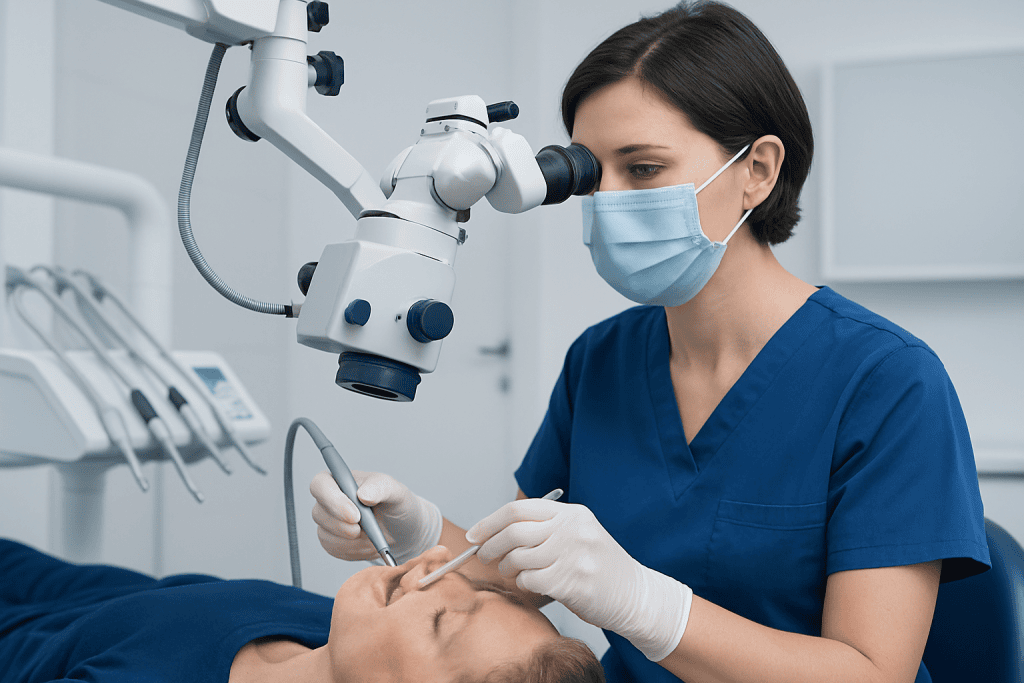
During scaling, a dental professional removes plaque and tartar from the tooth surfaces above and below the gumline. Root planing smooths rough root areas where bacteria and deposits can collect. Depending on the extent of treatment and a person’s comfort needs, care may be completed in one visit or divided between appointments. Local anesthetic may be used to numb the area.
Deep cleaning is not automatically needed for every person with receding gums. If there are no periodontal pockets or signs of active gum disease, the main approach may instead involve improving brushing technique, managing tooth grinding, treating a bite-related problem, addressing tobacco use, or monitoring a stable area of recession.
- Deep cleaning can reduce bacterial buildup and gum inflammation.
- It can help limit additional periodontal tissue and bone loss.
- It does not restore gum tissue or rebuild bone already lost.
- It may be followed by periodontal maintenance visits to keep disease under control.
What to Expect During Recovery
It is common to have mild tenderness, temporary bleeding, or sensitivity after scaling and root planing. Sensitivity may be more noticeable if root surfaces were already exposed or become easier to see once swollen gums heal. These effects often improve as the tissues recover, although some people need additional support for ongoing root sensitivity.
A dental professional may advise gentle brushing with a soft toothbrush, careful cleaning between the teeth and avoiding forceful scrubbing. A toothpaste designed for sensitivity may be helpful for some patients. It is also sensible to follow any specific aftercare instructions, especially if local anesthetic, antiseptic rinses or additional periodontal treatment have been used.
The gums need time to respond after treatment. A follow-up visit allows the dentist or periodontist to remeasure pockets, check bleeding and assess how well the patient can keep the areas clean. If pockets remain deep or disease continues, further periodontal care may be discussed.
Causes and Risk Factors That Need Attention
Plaque-related gum disease is a leading cause of recession, particularly when inflammation remains untreated over time. Plaque is a bacterial film that forms on teeth each day. When it hardens into tartar, it cannot be fully removed with home brushing and requires professional cleaning.
Other factors can make recession more likely or worsen existing recession. These include brushing with too much pressure, using a hard-bristled toothbrush, smoking or tobacco use, poorly controlled diabetes, grinding or clenching teeth, misaligned teeth, lip or tongue piercings, and a family tendency toward thinner gum tissue. Hormonal changes may also make gums more likely to bleed or become inflamed.
Managing these factors is essential because deep cleaning alone cannot prevent recurrence if the original cause remains. For example, a person who brushes aggressively may need practical guidance on using a soft brush and a light, controlled technique. Someone who grinds their teeth may benefit from an assessment of bite forces and appropriate protective measures.
Options if Recession Remains After Gum Disease Is Controlled
After inflammation is controlled, a clinician can determine whether the remaining recession is stable and whether further treatment is necessary. If there is no discomfort, decay or ongoing progression, monitoring and preventive care may be all that is needed. Regular reviews help detect new changes early.
When exposed roots cause sensitivity, decay risk or cosmetic concerns, treatment may include fluoride products, sensitivity treatments or tooth-colored restorative material placed over a worn root surface. In selected cases, periodontal plastic surgery, such as a gum graft, may be considered to thicken gum tissue or cover part of the exposed root.
Gum grafting is not suitable or necessary for everyone. The decision depends on the location and depth of recession, gum thickness, bone support, oral hygiene, smoking status and the person’s goals. A periodontist can explain realistic outcomes and the benefits and limitations of each option.
Prevention, Self-Care and When to Seek Medical Care
Daily plaque control is the foundation of protecting gum health. This usually includes brushing twice daily with a soft toothbrush and fluoride toothpaste, cleaning between teeth once daily with an appropriate interdental aid, and attending professional checkups at intervals recommended by the dental team. Technique matters: gentle, thorough cleaning is more protective than hard brushing.
A person should arrange a dental appointment if they notice gums that bleed repeatedly, persistent bad breath, swelling, pus around a tooth, increasing sensitivity, loose teeth, new spaces between teeth, or gums that appear to be receding. Prompt assessment is particularly important if symptoms are worsening, because periodontal disease can progress with limited pain.
Urgent dental advice is appropriate for severe swelling, facial swelling, fever, difficulty swallowing, trouble breathing, or intense pain with signs of infection. Acibadem International’s multidisciplinary specialists and JCI-accredited hospitals can assess gum disease and related dental concerns for international patients, with care planned according to individual clinical needs.
Frequently asked questions
Can deep cleaning reverse gum recession?
No. Deep cleaning cannot regrow gum tissue that has already receded. It can reduce inflammation and bacterial buildup when gum disease is contributing to recession, which may help protect the remaining gum and supporting bone.
Why do my gums look more recessed after deep cleaning?
Inflamed gums can appear swollen and may partly cover areas that are already affected by recession. Once plaque and tartar are removed and swelling improves, the gums settle into a healthier position, making the underlying recession easier to see.
Is deep cleaning painful for receding gums?
Comfort varies according to the amount of tartar, inflammation and sensitivity present. Local anesthetic can be used to numb the treatment area, and mild tenderness or sensitivity afterward is common and usually temporary.
How do dentists know if deep cleaning is needed?
A dentist or periodontist examines the gums, measures periodontal pockets, checks for bleeding and evaluates tooth support. Dental X-rays may also be used to look for changes in the bone around the teeth.
What is the best toothbrush for gum recession?
Most dental professionals recommend a soft-bristled toothbrush because it can clean effectively while being gentler on the gums. The brushing technique is equally important: light pressure and small, careful movements help avoid further irritation.
Will gum recession always get worse?
Not necessarily. Recession can remain stable when its cause is identified and managed, oral hygiene is effective and periodontal disease is controlled. Regular dental reviews are important because changes may occur gradually without obvious symptoms.
References
- American Academy of Periodontology
- American Dental Association
- National Institute of Dental and Craniofacial Research
- Centers for Disease Control and Prevention
- European Federation of Periodontology
This article is for general information only and is not a substitute for professional medical advice. Please consult a qualified doctor about your individual situation.
Gum Recession in Turkey — costs, top hospitals & a free quote
JCI-accredited · board-certified surgeons · reply within 24h
Add us as a Preferred Source to see more of our trusted health content across Google Search, AI Overviews and Discover.