Defecating: What Patients Need to Know

Defecating is a normal body function that removes waste through the rectum and anus. Normal bowel habits vary widely, so frequency alone does not define a problem.
Key Takeaways
- Defecating is a normal body function that removes waste through the rectum and anus.
- Normal bowel habits vary widely, so frequency alone does not define a problem.
- Pain, blood in stool, severe constipation, or ongoing diarrhea should not be ignored.
- Diet, hydration, physical activity, medicines, and stress can all affect bowel movements.
- Medical evaluation may be needed to rule out hemorrhoids, infections, inflammatory conditions, or colorectal disease.
Defecating is the normal process of passing stool from the body, and healthy bowel habits can vary from person to person. Most changes are temporary, but persistent pain, bleeding, or major shifts in bowel habits should be assessed by a doctor.
Overview: what defecating means
Defecating means passing stool, also called a bowel movement. It is a normal body process in which waste left over after digestion moves through the colon, collects in the rectum, and is released through the anus. For most people, bowel habits fall within a broad healthy range, so there is no single “perfect” number of bowel movements per day or per week.
What matters more than frequency alone is whether bowel movements are comfortable, easy to pass, and consistent with a person’s usual pattern. Stool that is soft, formed, and passed without significant straining is generally a sign that the digestive tract is working well. Temporary changes can happen with travel, illness, stress, dietary shifts, or medication use.
Because defecating is a routine body function, some people hesitate to talk about problems with it. However, symptoms such as pain, bleeding, constipation, urgency, or leakage can affect quality of life and may point to a treatable medical issue. Understanding what is normal can help patients know when a change is minor and when it deserves medical attention.
How the body controls bowel movements
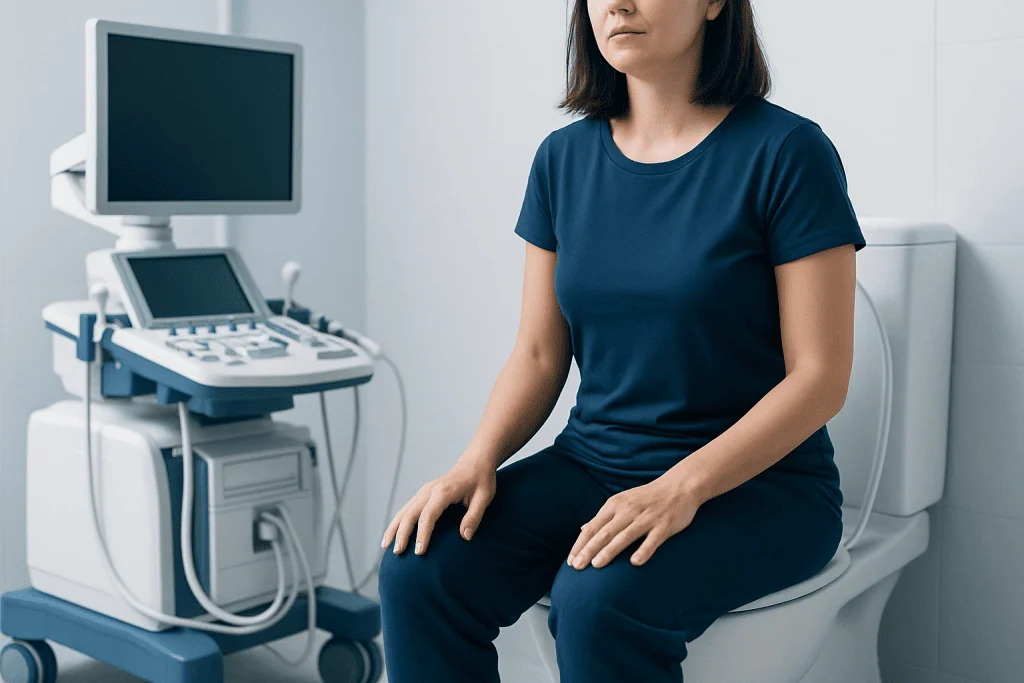
After food is digested in the stomach and small intestine, the remaining material enters the colon. The colon absorbs water and electrolytes, and bacteria in the gut help break down some of what is left. As stool forms, it moves toward the rectum through coordinated muscle contractions called peristalsis.
When the rectum fills, nerves send signals to the brain creating the urge to have a bowel movement. The pelvic floor muscles and anal sphincters then work together to either delay or allow stool passage. Defecating is therefore partly automatic and partly under conscious control.
Many everyday factors can influence this process. Eating enough fiber, drinking fluids, staying physically active, and responding to the urge to go all support healthy bowel function. Ignoring the urge repeatedly, low fluid intake, some medications, and reduced mobility can make stool harder and more difficult to pass.
Children, older adults, and people with neurological or pelvic floor conditions may experience more challenges with bowel control. In some cases, specialist care in gastroenterology, colorectal medicine, or pelvic floor rehabilitation may be helpful.
What is normal and what symptoms may signal a problem

Normal defecating patterns vary. Some healthy people have bowel movements three times a day, while others go three times a week. A person’s usual pattern is often the best reference point. Stool form also matters: very hard pellets may suggest constipation, while watery stool may suggest diarrhea.
Symptoms that may indicate a bowel problem include straining, a feeling of incomplete emptying, abdominal pain, bloating, urgency, mucus in the stool, or loss of bowel control. Changes in stool color can also be meaningful. Bright red blood may come from hemorrhoids or anal fissures, while black or tarry stool can indicate bleeding higher in the digestive tract and needs prompt medical review.
Common problems linked to defecating include constipation, diarrhea, anal fissures, and hemorrhoids. Some people also experience irritation from repeated wiping, itching around the anus, or discomfort when sitting. These symptoms are often treatable, but ongoing or severe symptoms should not be self-diagnosed.
- Constipation: infrequent, hard, or difficult-to-pass stool
- Diarrhea: loose or watery stool, often with urgency
- Pain with bowel movements: may occur with fissures, hemorrhoids, or inflammation
- Bleeding: can range from minor streaks to more significant blood loss
- Incontinence: leakage of stool or trouble holding bowel movements
Common causes and risk factors for difficult or abnormal defecating
Benign and temporary causes are common. A low-fiber diet, dehydration, inactivity, travel, disrupted routines, and stress can all change bowel habits. Some medicines, including certain pain relievers, iron supplements, and medications that affect the nervous system, can contribute to constipation. Antibiotics and some infections can cause diarrhea.
Structural and local problems may also play a role. Hemorrhoids, anal fissures, rectal prolapse, and pelvic floor dysfunction can make defecating painful or difficult. People with chronic digestive conditions, including Crohn’s disease, ulcerative colitis, or irritable bowel syndrome, may notice long-term changes in stool frequency, consistency, or urgency.
Certain health conditions outside the bowel can affect defecating too. Diabetes, thyroid disorders, neurological diseases, and pregnancy-related changes may alter bowel function. Aging can slow intestinal movement, and reduced mobility after illness or surgery may worsen constipation.
Warning signs deserve extra attention. Unexplained weight loss, persistent bleeding, anemia, nighttime symptoms, fever, severe pain, or a new bowel habit change in an older adult can sometimes suggest a more serious condition, including obstruction or colorectal disease. These symptoms warrant timely evaluation rather than home treatment alone.
How doctors evaluate bowel movement problems
Evaluation starts with a careful history. A doctor may ask how often bowel movements occur, what the stool looks like, whether there is pain or bleeding, and when the symptoms began. Diet, fluid intake, medication use, travel, stress, and family history can all help explain why bowel habits have changed.
A physical examination may include an abdominal exam and, when appropriate, a gentle rectal exam. This can help identify hemorrhoids, fissures, impacted stool, or problems with muscle tone. Laboratory tests may be used to look for anemia, inflammation, infection, dehydration, or thyroid-related causes.
If symptoms are persistent, unexplained, or associated with bleeding, a doctor may recommend imaging or an endoscopic test. For some patients, a colonoscopy is the best way to inspect the colon and rectum and check for polyps, inflammation, or tumors. Stool tests may also be used to look for infection or hidden blood.
People with chronic constipation or pelvic floor symptoms may need specialized testing to see how the rectum and anal muscles function during defecating. The right tests depend on age, symptoms, medical history, and how concerning the warning signs are.
Treatment options and ways to improve bowel habits
Treatment depends on the cause. For many people, simple measures are effective: eating more fiber-rich foods, drinking enough water, staying active, and not delaying the urge to use the toilet. Establishing a regular bathroom routine, especially after meals, can support the body’s natural reflexes.
If constipation is the main issue, doctors may recommend dietary changes and, if needed, stool softeners, fiber supplements, or laxatives suitable for the individual. Ongoing or severe constipation treatment should always be guided by a clinician, especially in older adults, children, and people with other medical conditions. For diarrhea, treatment may involve oral rehydration, reviewing medications, identifying infection, or treating an underlying inflammatory condition.
Painful defecating from local problems may improve with targeted care. Warm baths, stool-softening strategies, and topical treatments are often used for fissures or hemorrhoids. In some cases, hemorrhoid treatment or another procedure may be needed if symptoms are recurrent, painful, or associated with repeated bleeding.
When bowel changes are related to a chronic digestive disorder, treatment focuses on the underlying diagnosis. International patients who need coordinated assessment may also seek care at Acibadem International, where multidisciplinary specialists in JCI-accredited hospitals evaluate digestive symptoms and provide individualized treatment plans.
Prevention and self-care for healthy defecating
Healthy bowel habits often begin with daily routines. A balanced diet with fruits, vegetables, legumes, and whole grains helps add bulk and softness to stool. Fluids help prevent stool from becoming dry and hard. Regular movement, even walking, supports the natural motion of the intestines.
It is also helpful to pay attention to the body’s signals. Repeatedly postponing bowel movements can lead to harder stool and more straining later. Good toilet habits include sitting comfortably, allowing enough time, and avoiding prolonged straining. Some people find that elevating the feet slightly improves pelvic alignment and makes stool easier to pass.
Self-care should be gentle. Recurrent use of harsh stimulant laxatives without medical advice may worsen problems over time, and home remedies should not replace evaluation when symptoms are severe or persistent. People with chronic illness, recent surgery, pregnancy, or advanced age may need more individualized advice.
If bowel symptoms recur despite healthy habits, it may be worth discussing broader digestive health with a specialist. In selected cases, further evaluation with gastroenterology care can help identify food intolerances, motility problems, inflammation, or other conditions affecting defecating.
When to seek medical care
Patients should seek medical advice if a change in defecating lasts more than a few weeks, keeps coming back, or interferes with daily life. Medical review is also important when symptoms include pain, visible blood, black stool, fever, vomiting, nighttime diarrhea, or unexplained weight loss.
Urgent care may be needed for severe abdominal pain, heavy rectal bleeding, signs of dehydration, inability to pass stool or gas with bloating, or sudden bowel incontinence. These symptoms can sometimes reflect obstruction, infection, significant bleeding, or other problems that should be assessed promptly.
Even when symptoms seem minor, a doctor can help determine whether the cause is simple constipation, hemorrhoids, a medication side effect, or a condition requiring more specific treatment. Early evaluation can often prevent discomfort from becoming a longer-term problem.
Frequently asked questions
How often should a person be defecating?
There is no single normal schedule for everyone. Many healthy people have bowel movements anywhere from three times a day to three times a week, as long as stool is passed comfortably and without major straining.
Is straining during defecating normal?
Occasional mild straining can happen, especially if stool is temporarily hard. Frequent or forceful straining is not ideal because it may worsen hemorrhoids, contribute to anal fissures, and suggest constipation or pelvic floor problems.
What does it mean if there is blood when defecating?
Small amounts of bright red blood can come from hemorrhoids or a small tear called an anal fissure. However, any recurrent bleeding, larger amounts of blood, black stool, or bleeding with pain, weakness, or weight loss should be assessed by a doctor.
Can stress affect defecating?
Yes. Stress can influence bowel function through the connection between the brain and the gut, leading to constipation, diarrhea, cramping, or urgency in some people. Stress management may help, but persistent symptoms still need medical evaluation.
When is constipation serious?
Constipation becomes more concerning when it is new, lasts for weeks, causes severe pain, leads to vomiting, or is accompanied by bleeding, weight loss, or inability to pass gas. These symptoms may point to a problem that needs prompt medical attention.
Should painful defecating always be checked by a doctor?
Painful bowel movements should be assessed if they keep happening, become severe, or are associated with bleeding or swelling. Common causes are treatable, but a doctor can identify whether the pain is due to hemorrhoids, a fissure, inflammation, or another condition.
References
- National Institute of Diabetes and Digestive and Kidney Diseases
- American College of Gastroenterology
- National Health Service
- Mayo Clinic
- World Gastroenterology Organisation
This article is for general information only and is not a substitute for professional medical advice. Please consult a qualified doctor about your individual situation.
Persistent digestive symptoms? Get evaluated in Turkey
JCI-accredited · board-certified surgeons · reply within 24h
Add us as a Preferred Source to see more of our trusted health content across Google Search, AI Overviews and Discover.

More from the Health Library

Speech Impediment: A Complete Medical Overview

Dry Humping: What Patients Need to Know

Propolis: What Patients Need to Know

Orif Medical Abbreviation: A Complete Medical Overview

Levetiracetam: A Complete Medical Overview