Delayed Stomach Emptying or IBS? When Neurogastroenterology Testing Helps

Delayed stomach emptying and IBS can cause similar symptoms, but they are different conditions. Neurogastroenterology focuses on how the digestive tract moves and how the gut and nervous system interact.
Key Takeaways
- Delayed stomach emptying and IBS can cause similar symptoms, but they are different conditions.
- Neurogastroenterology focuses on how the digestive tract moves and how the gut and nervous system interact.
- Tests such as gastric emptying studies, breath tests, and motility assessments may help explain persistent symptoms.
- A clear diagnosis can support more personalized treatment, including diet changes, medicines, and symptom management.
- Medical review is especially important if symptoms include vomiting, weight loss, dehydration, or trouble eating.
Bloating, nausea, fullness, pain, and irregular bowel habits can overlap in delayed stomach emptying and irritable bowel syndrome (IBS). Neurogastroenterology testing can help clarify whether symptoms come from stomach motility, bowel sensitivity, or another digestive disorder, guiding more targeted care.
Overview: Why the Symptoms Can Be Confusing
Symptoms such as bloating, nausea, abdominal discomfort, early fullness, constipation, and diarrhea are common in many digestive conditions. Two diagnoses that can sometimes appear similar are delayed stomach emptying, often called gastroparesis, and irritable bowel syndrome (IBS). Although both can affect daily life and eating patterns, they do not involve the digestive tract in the same way.
Delayed stomach emptying means food moves out of the stomach more slowly than expected, even when there is no mechanical blockage. IBS is a functional gastrointestinal disorder that mainly affects the intestines and is defined by recurring abdominal pain linked to bowel habit changes. Some people may also have overlapping gut sensitivity, reflux, or other motility problems, which can make the picture less clear.
This is where neurogastroenterology testing may help. Neurogastroenterology is a subspecialty that looks at digestive movement, gut sensation, and the communication between the gut and the nervous system. When symptoms are ongoing, unexplained, or not responding to usual treatment, this type of evaluation can help doctors understand whether the main issue is stomach emptying, bowel function, both, or another condition entirely.
Delayed Stomach Emptying vs IBS: What Is the Difference?
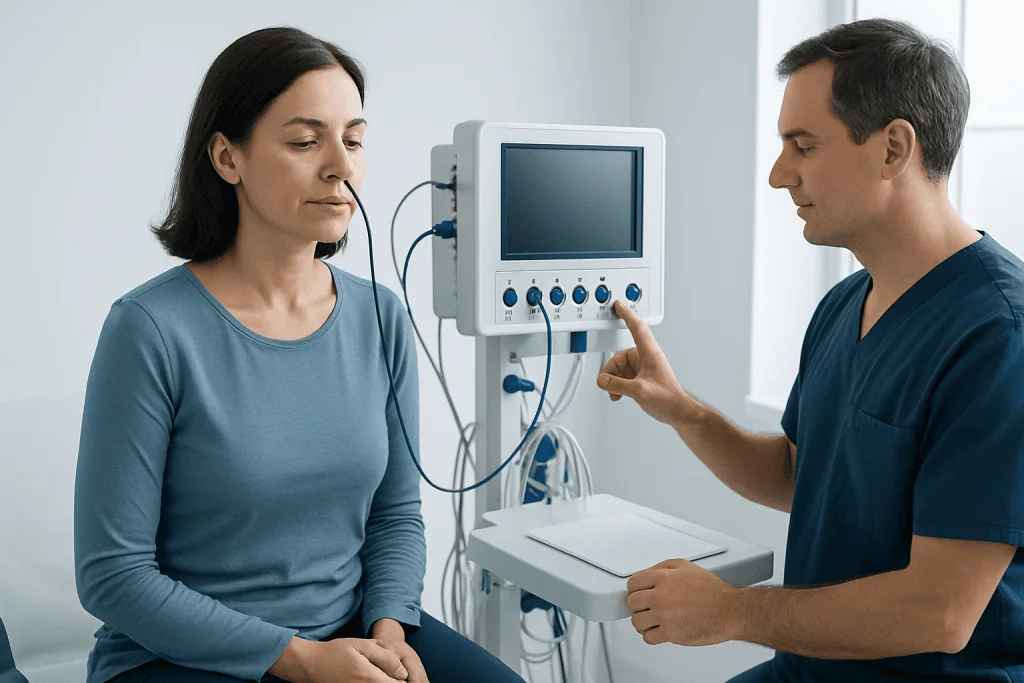
Delayed stomach emptying affects the stomach’s ability to move food forward. A person may feel full after only a few bites, have nausea after meals, vomit undigested food, or notice upper abdominal bloating and discomfort. Symptoms often become more noticeable after eating, especially with large, fatty, or high-fiber meals. In some cases, blood sugar changes, prior surgery, medication effects, or nerve-related problems may contribute.
IBS, by contrast, is usually centered in the lower digestive tract. Its hallmark is recurrent abdominal pain associated with changes in stool frequency or stool form. Some people have constipation-predominant IBS, others have diarrhea-predominant IBS, and some alternate between the two. Bloating is also common, but vomiting and severe early fullness are less typical as the main problem.
Still, overlap does happen. A person with IBS may also have upper gut symptoms, and someone with delayed stomach emptying may also have constipation or abdominal pain. Conditions such as irritable bowel syndrome and gastroparesis are diagnosed based on a careful history plus appropriate testing when needed. The goal is not only to name the condition but also to understand what is driving the symptoms.
Symptoms That May Suggest Motility Testing Is Helpful

Many digestive complaints improve with first-line steps such as meal adjustments, hydration, stress management, and standard medical treatment. However, when symptoms continue, doctors may consider whether a motility disorder is present. Neurogastroenterology testing is not needed for everyone with bloating or abdominal pain, but it may be useful when symptoms suggest that food is not moving normally through the stomach or intestines.
Features that may raise concern for delayed stomach emptying include nausea after meals, vomiting, feeling uncomfortably full soon after starting to eat, prolonged fullness for hours, reduced appetite, and unintended weight loss. People with diabetes, connective tissue disorders, a history of abdominal surgery, or use of certain medications may have a higher chance of stomach motility problems.
- Persistent upper abdominal fullness or bloating after meals
- Nausea or vomiting, especially of undigested food
- Early satiety, meaning feeling full after small amounts of food
- Abdominal pain with constipation or diarrhea that does not fit a simple pattern
- Symptoms that continue despite usual IBS treatment
- Nutrition concerns, dehydration, or difficulty maintaining weight
Testing may also be considered when doctors want to rule out other explanations, such as celiac disease, ulcers, reflux-related disease, intestinal bacterial overgrowth, medication side effects, or structural problems. The exact workup depends on the symptoms, medical history, and examination findings.
What Neurogastroenterology Testing May Involve
The evaluation usually begins with a detailed clinical review. A doctor will ask what symptoms occur, how they relate to meals and bowel habits, how long they have been present, and whether there are warning signs such as bleeding, fever, significant vomiting, or weight loss. A medication review is important because some drugs can slow digestion or worsen constipation.
If delayed stomach emptying is suspected, one common test is a gastric emptying study, which measures how quickly food leaves the stomach over time. In some settings, doctors may also use a breath test that estimates stomach emptying using labeled nutrients. These tests help determine whether symptoms are related to slow gastric transit rather than only sensitivity or reflux.
Depending on the pattern of symptoms, doctors may also consider upper endoscopy to exclude blockage or inflammation, blood tests to check for metabolic causes, and stool tests when bowel symptoms are prominent. Other specialized studies can assess the esophagus, small intestine, colon, or anorectal function. For example, some patients benefit from gastrointestinal motility testing or a structured breath test when bacterial overgrowth or transit issues are being considered.
The purpose of testing is not to do every possible study. It is to choose the right test for the right person. A focused, evidence-based approach often helps avoid unnecessary procedures and supports a more confident diagnosis.
How Doctors Diagnose the Cause of the Symptoms
Diagnosis depends on putting several pieces together: symptom pattern, exam findings, basic laboratory work, imaging or endoscopy when appropriate, and motility-focused testing if needed. IBS is often diagnosed using clinical criteria after checking for features that might suggest a different condition. Delayed stomach emptying generally requires objective evidence that gastric emptying is slower than expected.
Doctors also look for conditions that can mimic or worsen either disorder. These may include thyroid disease, uncontrolled diabetes, celiac disease, inflammatory bowel disease, prior infections, pelvic floor dysfunction, medication effects, and psychological stress. Some people may not have a single cause; instead, they may have more than one process affecting digestion at the same time.
Because symptoms can overlap, diagnosis may change as new information becomes available. For example, a person first treated for presumed IBS may later be found to have slow stomach emptying, or someone with nausea and bloating may have normal gastric emptying but a highly sensitive gut and altered bowel function. In selected cases, further evaluation such as upper gastrointestinal endoscopy can help exclude structural disease before the focus shifts to motility and functional disorders.
Treatment Options After Testing Clarifies the Problem
Treatment depends on the diagnosis and the symptoms that affect daily life most. For delayed stomach emptying, care often begins with smaller, more frequent meals and changes in food texture and fat content. Doctors may also consider medicines that support stomach movement or help control nausea, depending on the person’s overall health and other medications.
For IBS, treatment may include dietary strategies, fiber adjustments when appropriate, symptom-specific medications, and support for stress-related gut sensitivity. Some people benefit from a low-FODMAP approach under professional guidance, while others do better with simpler steps such as regular meals, hydration, activity, and better sleep patterns. Treatment is usually individualized rather than one-size-fits-all.
When bowel and stomach symptoms overlap, management may need to address both. A person with slow stomach emptying may also need constipation treatment, and a person with IBS may need help for nausea or reflux. Nutrition support can be important if eating has become difficult. In more complex cases, a broader gastroenterology care plan may involve dietitians, motility specialists, and other clinicians working together.
Near the end of the care pathway, some patients seek evaluation at experienced centers. Acibadem International’s multidisciplinary specialists and JCI-accredited hospitals diagnose and treat complex neurogastroenterology conditions for international patients, with testing and treatment tailored to individual needs.
Prevention, Self-care, and Daily Symptom Management
Not all cases can be prevented, but symptom control often improves with steady habits. Eating smaller meals, chewing well, avoiding lying down right after eating, and limiting foods that clearly trigger symptoms can be helpful. Many people also benefit from keeping a symptom diary that tracks meals, bowel habits, stress, sleep, and medications.
Hydration is important, especially for people with vomiting, diarrhea, or constipation. Gentle physical activity after meals may support digestion in some individuals. If diabetes is present, maintaining good glucose control can be especially important because high blood sugar can affect stomach emptying.
Self-care should stay balanced and practical. Restrictive diets or frequent over-the-counter remedies without medical guidance can sometimes make nutrition or bowel symptoms worse. If symptoms are persistent, it is safer to discuss them with a qualified doctor or registered dietitian so changes can be tailored to the likely cause.
When to See a Doctor
Digestive symptoms that are mild and short-lived may improve on their own, but ongoing symptoms deserve attention. A medical review is especially important when symptoms are affecting nutrition, work, sleep, or quality of life. Earlier assessment can help identify whether the problem is IBS, delayed stomach emptying, reflux, a medication effect, or another digestive condition.
Urgent medical attention is needed if there is repeated vomiting, inability to keep fluids down, signs of dehydration, blood in vomit or stool, black stools, severe abdominal swelling, chest pain, fainting, or significant unintended weight loss. These symptoms do not always mean a serious illness, but they should be assessed promptly.
For people with long-standing symptoms, the key question is often not simply whether the gut is “sensitive,” but whether it is moving normally. Neurogastroenterology testing can provide useful answers when the diagnosis is uncertain, helping doctors choose treatments more precisely and helping patients better understand what their body is experiencing.
Frequently asked questions
Can IBS cause the same symptoms as delayed stomach emptying?
IBS can overlap with some symptoms of delayed stomach emptying, especially bloating, abdominal discomfort, and altered bowel habits. However, symptoms such as early fullness after a few bites, nausea after meals, and vomiting are more suggestive of a stomach emptying problem and may need further evaluation.
What is neurogastroenterology?
Neurogastroenterology is a field that studies how the digestive tract moves and how the gut communicates with the nervous system. It is especially helpful for symptoms related to motility, gut sensitivity, and functional digestive disorders.
How is delayed stomach emptying diagnosed?
Doctors usually diagnose delayed stomach emptying by combining symptom history with tests that measure how quickly food leaves the stomach. A gastric emptying study is commonly used, and other tests may be added to rule out blockage or other causes.
Does everyone with bloating need motility testing?
No. Many people with bloating do not need specialized testing, especially if symptoms are mild, short-term, or improve with standard treatment. Testing is more likely to help when symptoms are persistent, unexplained, severe, or associated with vomiting, early fullness, or weight loss.
Can delayed stomach emptying and IBS happen together?
Yes, they can overlap in some people. When that happens, treatment may need to address more than one problem, such as stomach motility, bowel habits, and gut sensitivity at the same time.
What should a person do before seeing a specialist?
It often helps to keep a record of symptoms, meal patterns, bowel habits, and any triggers. Bringing a medication list and details about prior tests can also make the appointment more useful and help the doctor decide whether neurogastroenterology testing is appropriate.
References
- National Institute of Diabetes and Digestive and Kidney Diseases
- American College of Gastroenterology
- National Institute for Health and Care Excellence
- American Gastroenterological Association
- International Foundation for Gastrointestinal Disorders
This article is for general information only and is not a substitute for professional medical advice. Please consult a qualified doctor about your individual situation.
Neurogastroenterology in Turkey — costs, top hospitals & a free quote
JCI-accredited · board-certified surgeons · reply within 24h
Add us as a Preferred Source to see more of our trusted health content across Google Search, AI Overviews and Discover.

Gastroenterology
Diagnosis and treatment of the digestive system and liver, with advanced endoscopy.
46 specialists in this unit