Dementia Doctor or Memory Loss Specialist: Which One Do You Need?

A primary care doctor is often the best first step for new memory concerns. Neurologists, geriatricians, geriatric psychiatrists, and neuropsychologists may all play important roles in dementia care.
Key Takeaways
- A primary care doctor is often the best first step for new memory concerns.
- Neurologists, geriatricians, geriatric psychiatrists, and neuropsychologists may all play important roles in dementia care.
- Not all memory loss is dementia, so proper evaluation is important.
- A thorough assessment may include history, physical and neurological exams, cognitive testing, blood tests, and brain imaging.
- Early evaluation can help identify treatable causes and support better planning and care.
A dementia doctor is not always one specific specialist. The right choice depends on the person’s symptoms, age, overall health, and whether memory problems may be caused by dementia, another brain condition, or a treatable medical issue.
Overview: What Is a Dementia Doctor?
The term dementia doctor can refer to several different specialists who evaluate memory loss, thinking changes, and behavior changes in older adults. There is no single type of doctor who handles every case. Depending on the symptoms and the person’s overall health, care may begin with a primary care physician and later involve a neurologist, geriatrician, psychiatrist, or other specialists.
Dementia is not one disease but a general term for symptoms that affect memory, reasoning, language, judgment, and daily function. Common causes include Alzheimer’s disease, vascular dementia, Lewy body dementia, and frontotemporal dementia. Because these conditions can overlap and may look similar to depression, medication side effects, sleep disorders, thyroid problems, vitamin deficiencies, or delirium, specialist input is often helpful.
For many people, the most practical question is not simply “Which dementia doctor?” but “Who should assess these symptoms first?” In most cases, a family doctor, internist, or geriatrician is a good starting point. They can review the full medical picture, look for reversible causes, and decide whether referral to a memory loss specialist is needed.
Who Can Diagnose and Treat Memory Loss?
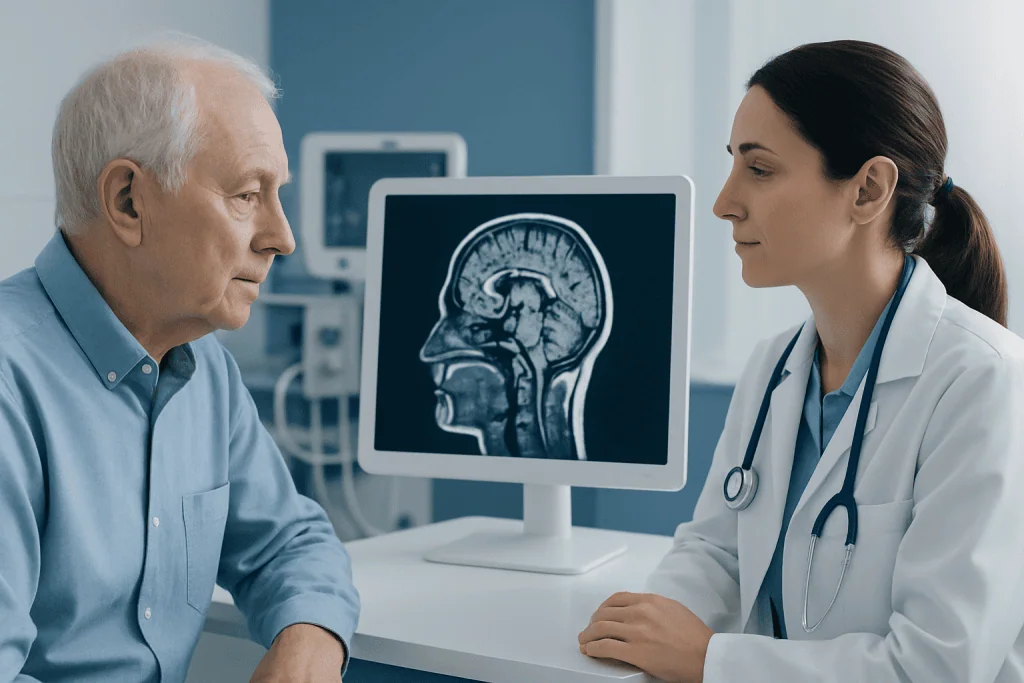
Several types of clinicians may be involved in the diagnosis and care of dementia. A primary care doctor often notices early changes during routine visits or after concerns are raised by family members. This doctor can screen for memory problems, review medications, order initial blood tests, and coordinate referrals.
A neurologist specializes in the brain and nervous system. Neurologists are especially helpful when symptoms are complex, when there are problems with movement or balance, or when the diagnosis is uncertain. They may evaluate conditions such as Alzheimer’s disease or other neurological causes of cognitive decline.
A geriatrician focuses on the health needs of older adults. This specialist is useful when memory loss appears alongside frailty, falls, multiple chronic illnesses, or polypharmacy. A geriatric psychiatrist or psychiatrist may help if there are major mood, sleep, anxiety, psychosis, or behavior symptoms. In many cases, a neuropsychologist performs detailed thinking and memory tests to clarify strengths, weaknesses, and likely causes of cognitive change.
Other team members may include nurses, occupational therapists, speech and language therapists, social workers, and caregivers. Dementia care is often most effective when it is multidisciplinary, because memory loss can affect safety, nutrition, communication, mood, and independence.
When to Start With Primary Care and When to See a Specialist

Primary care is usually the best first step when memory concerns are mild, new, or not clearly progressive. The doctor can ask when the changes began, whether they interfere with paying bills or taking medicines, and whether there have been recent infections, medication changes, sleep problems, or emotional stress. This early review helps decide whether a specialist is needed urgently or routinely.
Specialist evaluation becomes more important when symptoms are getting worse over time, affecting work or daily life, or causing safety concerns. Medical attention should not be delayed if the person gets lost in familiar places, has significant changes in judgment, sees things that are not there, develops new tremors or walking difficulty, or has sudden confusion. Sudden or rapidly worsening symptoms may suggest a different medical problem and deserve prompt assessment.
A specialist is also helpful when the diagnosis remains unclear after an initial check-up, when younger-onset dementia is possible, or when families need guidance on treatment planning. If there is concern for a specific neurological condition, a doctor may recommend brain imaging such as MRI or additional testing to look more closely at the cause.
Symptoms That May Need a Memory Loss Specialist
Occasional forgetfulness can happen with stress, poor sleep, or normal aging, but certain patterns deserve medical attention. The concern is not just forgetting a name once in a while, but a noticeable change from a person’s previous level of function. Memory symptoms matter most when they begin to affect independence, relationships, or safety.
Symptoms that may point to dementia or another cognitive disorder include:
- Repeatedly asking the same questions or forgetting recent conversations
- Getting lost in familiar places or becoming confused about time and place
- Difficulty managing finances, medications, cooking, or appointments
- Problems finding words, following conversations, or understanding instructions
- Poor judgment, personality changes, apathy, or unusual suspiciousness
- Visual hallucinations, sleep behavior changes, or movement symptoms
Family members often notice these changes before the person does. It can be helpful to write down examples of specific problems and when they occur. This gives the doctor a clearer picture than a general statement such as “memory seems worse.”
Not every memory problem means dementia. Depression, anxiety, hearing loss, alcohol use, sleep apnea, infections, and medication effects can all impair thinking. That is why an expert evaluation matters, especially if symptoms are persistent or worsening.
How Dementia Is Diagnosed
A dementia evaluation usually begins with a detailed history from the patient and, when possible, from a family member or caregiver. The doctor asks about memory, language, planning, mood, sleep, hallucinations, balance, falls, medical conditions, and daily activities. Medication review is essential because some drugs can affect alertness or thinking.
The next steps often include a physical examination, neurological examination, and brief cognitive screening. These office-based tests assess memory, attention, language, visuospatial skills, and executive function. If needed, more in-depth assessment with neuropsychological testing can help distinguish between mild cognitive impairment, dementia, depression-related cognitive symptoms, and other conditions.
Blood tests may be ordered to look for potentially reversible contributors such as vitamin deficiencies, thyroid disorders, infection, or metabolic problems. Brain imaging can help identify strokes, tumors, hydrocephalus, atrophy patterns, or other structural causes. In selected cases, specialists may recommend advanced studies to better classify the type of dementia.
The goal of diagnosis is not only to name the condition, but also to understand its stage, likely cause, and effect on daily life. This helps guide treatment, home safety planning, driving discussions, caregiver support, and future decision-making.
Treatment Options and Ongoing Care
Treatment depends on the cause of memory loss. If a reversible issue is found, such as a medication side effect, vitamin deficiency, depression, or sleep problem, addressing that condition may improve thinking. When dementia is diagnosed, treatment usually focuses on managing symptoms, supporting daily function, and planning for future needs.
Some people may be offered medications to help with memory, attention, or behavior symptoms, depending on the dementia type and stage. Doctors also review medicines that might worsen confusion and try to simplify treatment plans when possible. Counseling on routines, hydration, hearing and vision support, physical activity, and sleep can make a meaningful difference.
Non-drug care is a major part of treatment. Occupational therapy, memory strategies, caregiver education, home safety changes, and support for mood or sleep problems are often as important as medication. If the picture is complex, a neurologist or geriatric specialist may also recommend tests such as EEG when episodes of altered awareness, unusual spells, or seizure-like symptoms need evaluation.
Long-term care works best as a partnership among the patient, family, and healthcare team. Near the end of the care pathway, some families also seek help from centers with coordinated neurological and geriatric services. Acibadem International’s multidisciplinary specialists and JCI-accredited hospitals diagnose and treat dementia-related conditions for international patients.
How to Prepare for the Appointment
Preparing for a memory evaluation can make the visit more useful and less stressful. A trusted family member or friend should attend if possible, especially if the person may not recall details accurately. Bringing information in writing can help the doctor spot patterns more quickly.
Useful items to bring include:
- A list of current medications, including over-the-counter drugs and supplements
- A timeline of symptoms and examples of changes in daily life
- Past medical history, especially stroke, head injury, depression, or sleep disorders
- Family history of dementia or neurological disease
- Questions about driving, safety, work, finances, and future planning
It can also help to note whether symptoms came on suddenly or gradually, and whether they fluctuate during the day. Families should mention hearing or vision changes, alcohol use, falls, or sleep behaviors such as acting out dreams. These details can point the doctor toward the right diagnosis more efficiently.
If the doctor recommends further testing or referral, asking what each test is meant to clarify can reduce anxiety. A good memory loss specialist should explain the process clearly and discuss next steps in understandable terms.
When to See a Doctor Urgently
Many memory concerns can be assessed through a routine appointment, but some situations need prompt medical attention. Sudden confusion, inability to stay awake, new weakness, slurred speech, severe headache, fever, or a rapid change in mental status can signal an urgent medical problem rather than a slowly developing dementia. These symptoms should be evaluated immediately.
Urgent assessment is also important if the person is wandering, unable to manage essential medicines, not eating or drinking enough, or showing dangerous behavior. Severe agitation, hallucinations causing fear, or major personality changes may require faster specialist review. Safety is a key part of deciding how quickly to seek help.
Even when symptoms are not emergent, it is wise to arrange a medical visit if memory problems persist for more than a few weeks or begin interfering with normal life. Early evaluation can reduce uncertainty, uncover treatable causes, and help families plan practical support. Timely care is often more reassuring than waiting and wondering.
Frequently asked questions
What kind of doctor should someone see first for memory loss?
A primary care doctor is often the best first step for new memory concerns. This doctor can rule out common medical causes, review medications, order initial tests, and decide whether referral to a neurologist, geriatrician, or psychiatrist is needed.
Is a neurologist the same as a dementia specialist?
Not exactly. A neurologist is a brain and nervous system specialist and may be the right dementia specialist in many cases, especially when symptoms are complex or the diagnosis is unclear. However, geriatricians, geriatric psychiatrists, and neuropsychologists may also be key members of the dementia care team.
Can memory loss be caused by something other than dementia?
Yes. Memory and thinking problems can be linked to depression, sleep apnea, medication side effects, vitamin deficiencies, thyroid disease, infections, alcohol use, and other treatable conditions. That is why a proper medical evaluation is important before assuming dementia is the cause.
When should a person with memory loss see a specialist?
A specialist is a good idea when symptoms are worsening, affecting daily life, starting at a younger age, or occurring with movement changes, hallucinations, or unexplained behavior changes. Specialist care is also helpful when the diagnosis remains uncertain after the initial evaluation.
What tests are usually done for suspected dementia?
Doctors commonly use a medical history, physical and neurological exams, brief cognitive screening, blood tests, and sometimes brain imaging. In some cases, more detailed neuropsychological testing is used to better understand the pattern and severity of cognitive changes.
Is it better to get checked early, even if symptoms seem mild?
Yes. Early assessment can identify reversible causes, establish a baseline, and help with treatment and planning if a neurocognitive disorder is present. It can also give patients and families time to make practical decisions about safety, support, and future care.
References
- World Health Organization
- National Institute on Aging
- Alzheimer's Association
- American Academy of Neurology
- National Institute of Neurological Disorders and Stroke
This article is for general information only and is not a substitute for professional medical advice. Please consult a qualified doctor about your individual situation.
Dementia in Turkey — costs, top hospitals & a free quote
JCI-accredited · board-certified surgeons · reply within 24h
Add us as a Preferred Source to see more of our trusted health content across Google Search, AI Overviews and Discover.

Neurology
Diagnosis and treatment of disorders of the brain, spinal cord, nerves and muscles.
51 specialists in this unitMore from the Health Library



Related Specialists

Assoc. Prof. Dr. Bedriye Koyuncu Sökmen
Gastrointestinal Oncology Unit Clinical Service
Dr. Hüseyin Maçika
Anesthesiology
Prof. Dr. Aziz Polat
Pediatrics
Dr. Zeynep Ekici Ljama
Anesthesiology