Dementia Doctor: Which Specialist Should You See First?

A primary care doctor is often the best first contact for new memory or thinking concerns. Neurologists, geriatricians, and geriatric psychiatrists each play different roles in dementia care.
Key Takeaways
- A primary care doctor is often the best first contact for new memory or thinking concerns.
- Neurologists, geriatricians, and geriatric psychiatrists each play different roles in dementia care.
- Not all memory loss is dementia, so evaluation is important to look for reversible causes.
- Diagnosis usually includes history, cognitive testing, medication review, blood tests, and often brain imaging.
- Early assessment can help with treatment planning, safety, and support for both the patient and family.
A person with memory loss or thinking changes may start with a primary care doctor, geriatrician, or neurologist, depending on age, symptoms, and access to care. The right dementia doctor helps identify the cause, rule out reversible problems, and guide treatment and support.
Overview: who is the right dementia doctor?
There is no single type of doctor for every case of memory loss. When a person or family notices changes in memory, language, judgment, behavior, or daily functioning, the first doctor is often a primary care physician or family doctor. This is a practical starting point because that doctor can review symptoms, medications, general health, and common medical causes of confusion or forgetfulness.
In many cases, a specialist is also involved. A geriatrician focuses on the health needs of older adults and is often well placed to assess memory changes alongside mobility issues, frailty, sleep problems, and multiple medications. A neurologist evaluates conditions of the brain and nervous system, which is especially helpful when symptoms suggest Alzheimer’s disease or another neurological cause of dementia.
Some people also benefit from assessment by a geriatric psychiatrist, especially when depression, anxiety, hallucinations, agitation, or major personality changes are present. In reality, dementia care is often team-based. The most suitable first doctor depends on the person’s age, symptom pattern, medical history, and how quickly the problems developed.
When to start with a primary care doctor, geriatrician, or neurologist
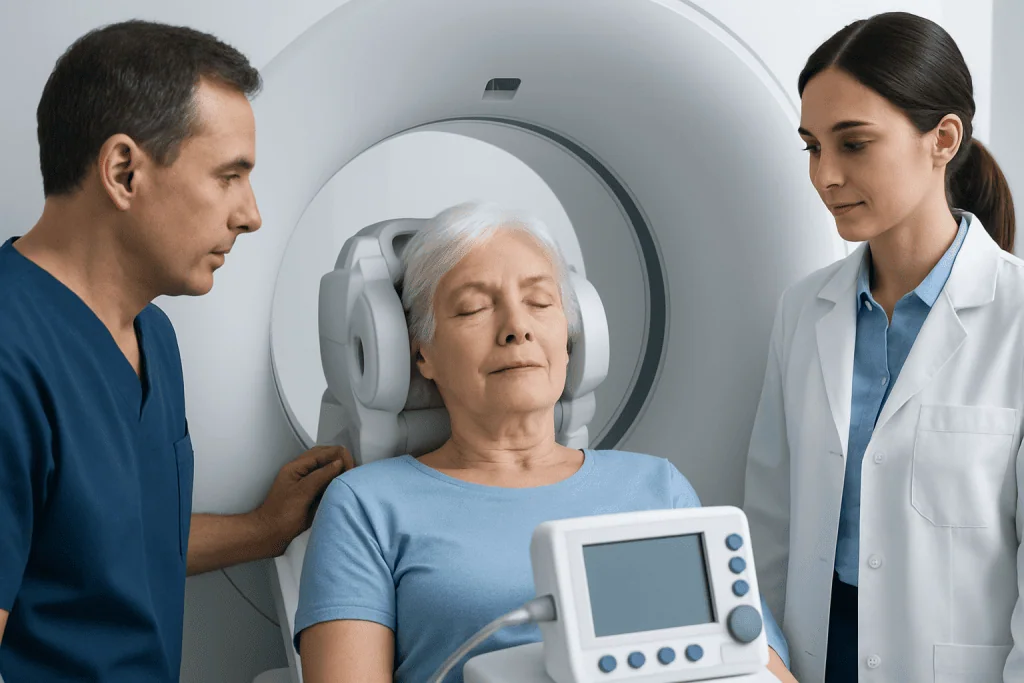
For many families, the best first step is the person’s regular doctor. A primary care doctor can identify warning signs, check for medication side effects, ask about daily functioning, and decide whether urgent referral is needed. This is especially useful when symptoms are mild, have developed gradually, or are mixed with other health concerns such as diabetes, thyroid disease, sleep problems, or hearing loss.
A geriatrician may be the best first specialist for an older adult with several medical conditions, falls, weakness, weight loss, or difficulty managing daily life. Geriatricians often take a broad view of health, balancing cognition with function, safety, and quality of life. They can also help reduce problems caused by polypharmacy, which means taking many medicines at the same time.
A neurologist is often the best choice when there are prominent neurological symptoms. Examples include sudden or rapidly worsening confusion, movement problems, tremor, weakness, speech difficulty, seizures, unusual walking changes, or concerns about conditions such as Parkinson’s disease. A neurologist may also be particularly helpful when the diagnosis is uncertain or when younger-onset dementia is suspected.
If access allows, some centers offer dedicated memory clinics where neurologists, geriatricians, psychiatrists, neuropsychologists, and imaging specialists work together. This can streamline diagnosis and planning, but it is not the only good path to care. What matters most is beginning a proper medical evaluation rather than waiting for symptoms to become severe.
Symptoms that suggest a specialist evaluation is needed

Occasional forgetfulness can happen with normal aging, stress, poor sleep, or distraction. Dementia is different because the changes are persistent and begin to interfere with everyday activities. Families may notice repeated questions, getting lost in familiar places, trouble following conversations, poor judgment with money or medication, language problems, or difficulty completing tasks that used to be routine.
Behavior and mood changes can also be important clues. A person may become withdrawn, suspicious, apathetic, irritable, or less aware of their difficulties. Some people develop visual hallucinations, marked sleep changes, or fluctuations in attention. These patterns can help doctors consider different causes of dementia and determine which specialists should be involved.
Certain symptoms need more urgent medical attention. These include sudden confusion, new weakness, severe headache, fainting, fever, inability to stay awake, new seizures, or abrupt changes after a fall or head injury. Those features are less typical of slowly progressive dementia and may signal a medical emergency or another condition requiring immediate care.
- Memory loss that disrupts daily life
- Difficulty managing medications, finances, or appointments
- Problems with speech, finding words, or understanding
- Changes in judgment, behavior, or personality
- Getting lost, wandering, or unsafe driving
- Hallucinations, major sleep changes, or rapid decline
What specialists look for: causes and related conditions
Dementia is not a single disease. It is a syndrome, meaning a group of symptoms caused by different underlying conditions. Alzheimer’s disease is a common cause, but doctors also consider vascular dementia, dementia with Lewy bodies, frontotemporal dementia, Parkinson’s disease dementia, and mixed dementia. The type matters because symptoms, treatment plans, and family guidance may differ.
Equally important, doctors look for problems that can worsen thinking or mimic dementia. These may include depression, anxiety, delirium, thyroid disease, vitamin deficiencies, dehydration, infections, sleep apnea, hearing or vision loss, alcohol misuse, and side effects from medications such as sedatives or anticholinergic drugs. Identifying these issues can improve symptoms, and sometimes the cognitive changes are at least partly reversible.
Risk factors also guide the evaluation. Older age is the strongest risk factor, but family history, stroke, high blood pressure, diabetes, smoking, high cholesterol, traumatic brain injury, and low physical activity can also contribute. Specialists combine the symptom pattern with medical history and examination findings to understand whether the main issue is neurodegenerative disease, vascular injury, psychiatric illness, or a combination.
In some cases, additional specialist input is helpful. For example, if symptoms seem related to stroke or blood vessel disease, a neurologist may coordinate testing and prevention strategies. If there are concerns about mood, agitation, psychosis, or sleep disturbance, a geriatric psychiatrist can be an important part of care.
How dementia is diagnosed
A dementia evaluation usually starts with a detailed history from both the patient and a family member or caregiver. Doctors ask when symptoms began, whether they are getting worse, and how they affect everyday life. They also review all medications, medical conditions, alcohol use, sleep, mood, and any recent illnesses or stressors that could affect cognition.
The physical and neurological examination is followed by brief cognitive testing. Depending on the case, the doctor may use screening tools in the clinic or arrange more detailed neuropsychological assessment. Blood tests are commonly ordered to look for treatable contributors such as thyroid disorders, vitamin deficiencies, infection, liver or kidney problems, and metabolic imbalances.
Brain imaging is often part of the workup, especially when symptoms are new, unusual, rapidly progressive, or accompanied by neurological signs. Imaging can help identify strokes, tumors, fluid buildup, or patterns of brain shrinkage associated with different dementias. When appropriate, doctors may recommend an MRI scan or a CT scan as part of the evaluation.
The goal of diagnosis is not only to label a condition. It is to understand the cause, stage, risks, and support needs so the patient and family can plan ahead. In more complex cases, referral to a memory clinic or a center offering neurology evaluation can help clarify the diagnosis and guide long-term care.
Treatment options and ongoing care
Treatment depends on the underlying cause. If a reversible problem is found, addressing it may improve cognition or prevent further decline. Examples include adjusting medications, treating infection, correcting vitamin deficiencies, improving sleep, or managing depression. When the cause is a progressive dementia, care focuses on preserving function, managing symptoms, supporting independence, and helping families plan safely for the future.
Some people may benefit from medicines that help with cognition or specific symptoms, but these are not suitable for everyone and should be prescribed after a careful medical assessment. Non-drug approaches are also very important. Structured routines, physical activity, hearing and vision support, memory aids, good sleep habits, and a calm home environment can reduce distress and improve daily functioning.
Care often works best when it is shared across specialties. A primary care doctor may coordinate overall health, a geriatrician may optimize medications and daily function, and a neurologist may help define the dementia subtype and manage neurological symptoms. If mood, agitation, or sleep disruption are major concerns, specialist support in mental health may also be needed.
Families should not hesitate to ask about safety topics such as falls, driving, wandering, financial vulnerability, and advance care planning. Near the end of the diagnostic journey, some patients may choose care at centers such as Acibadem International, where multidisciplinary specialists in JCI-accredited hospitals evaluate and treat dementia-related conditions for international patients.
Prevention, self-care, and support for families
Not all dementia can be prevented, but brain health can be supported throughout life. Managing blood pressure, diabetes, and cholesterol; staying physically active; avoiding smoking; limiting alcohol; and treating hearing loss may reduce risk or slow vascular damage that affects cognition. Good sleep, social engagement, and regular mental activity are also encouraged as part of overall healthy aging.
For someone already experiencing cognitive change, self-care should be practical and supportive rather than overwhelming. Helpful steps may include keeping a regular daily routine, using calendars or pill organizers, simplifying tasks, improving home lighting, and reducing background noise. These measures do not cure dementia, but they can make everyday life safer and less stressful.
Caregivers also need support. Looking after a person with dementia can be emotionally and physically demanding, especially as needs increase over time. Family members may benefit from education, respite, counseling, and local support groups. Doctors can help connect families with social workers, occupational therapists, and community resources.
If diagnosis remains uncertain or symptoms are progressing, follow-up matters. Repeat assessments can show whether problems are stable, improving, or worsening, and whether another cause has become more likely. Continued review helps make sure the care plan remains appropriate and realistic.
When to see a doctor urgently
Gradual memory decline should be assessed promptly, but some situations need urgent medical attention. A person should be seen quickly if confusion appears suddenly, especially over hours or days. Sudden changes are more suggestive of delirium, infection, stroke, medication effects, or another acute illness than of typical dementia progression.
Other warning signs include fever, chest pain, shortness of breath, severe dehydration, inability to eat or drink, falls with head injury, new weakness or numbness, facial drooping, slurred speech, seizures, or marked drowsiness. These symptoms may reflect a medical emergency. In those cases, emergency care is more appropriate than waiting for a routine dementia appointment.
Even without emergency symptoms, families should arrange medical review if a person is getting lost, leaving the stove on, forgetting essential medicines, or showing unsafe driving or wandering. Early help can protect safety, preserve independence longer, and reduce stress for everyone involved. If there is uncertainty about which dementia doctor to contact first, a primary care physician is usually the safest starting point.
Frequently asked questions
Should a person see a neurologist first for dementia?
Not always. Many people start with a primary care doctor, who can check for common medical causes of memory problems and refer to a specialist if needed. A neurologist is especially useful when symptoms are unusual, rapidly progressing, or linked to movement, speech, or other neurological changes.
What is the difference between a geriatrician and a neurologist for dementia?
A geriatrician focuses on the overall health of older adults, including medications, frailty, falls, and daily function. A neurologist focuses on diseases of the brain and nervous system and may help determine the specific type of dementia. Many patients benefit from both, especially when care becomes more complex.
Can a psychiatrist diagnose dementia?
Yes, especially a geriatric psychiatrist or another clinician experienced in cognitive disorders. Psychiatrists are particularly helpful when depression, anxiety, hallucinations, sleep changes, or behavioral symptoms are prominent. They may work alongside primary care doctors, geriatricians, and neurologists.
Does memory loss always mean dementia?
No. Memory problems can also be related to stress, depression, poor sleep, medication side effects, thyroid disease, vitamin deficiencies, infections, or hearing loss. That is why a medical evaluation is important rather than assuming dementia is the cause.
What tests does a dementia doctor usually order?
Doctors often begin with a history, physical examination, medication review, and brief cognitive testing. Blood tests are commonly used to look for treatable causes, and brain imaging may be recommended in some cases. More detailed memory testing or specialist referral may follow if the diagnosis is unclear.
When should a family seek help for memory changes?
Families should seek help when memory or thinking changes start to affect daily life, safety, communication, or decision-making. It is also wise to arrange an assessment if symptoms are gradually worsening or if there are changes in mood or behavior. Sudden confusion or new neurological symptoms should be treated as urgent.
References
- World Health Organization
- National Institute on Aging
- Alzheimer's Association
- National Institute of Neurological Disorders and Stroke
- Centers for Disease Control and Prevention
This article is for general information only and is not a substitute for professional medical advice. Please consult a qualified doctor about your individual situation.
Dementia in Turkey — costs, top hospitals & a free quote
JCI-accredited · board-certified surgeons · reply within 24h
Add us as a Preferred Source to see more of our trusted health content across Google Search, AI Overviews and Discover.

Neurology
Diagnosis and treatment of disorders of the brain, spinal cord, nerves and muscles.
51 specialists in this unit