Dental and Infection Checks Before Heart Bypass Surgery: Why They Matter

The mouth can be a source of bacteria, especially when gum disease, tooth decay, or abscesses are present. Before planned heart bypass surgery, doctors may look for dental, urinary, respiratory, skin, and bloodstream infections.
Key Takeaways
- The mouth can be a source of bacteria, especially when gum disease, tooth decay, or abscesses are present.
- Before planned heart bypass surgery, doctors may look for dental, urinary, respiratory, skin, and bloodstream infections.
- Not every patient needs the same tests; screening depends on symptoms, medical history, urgency of surgery, and hospital protocol.
- Dental treatment should be coordinated with the heart team, especially if the patient takes blood thinners or has unstable heart symptoms.
- Patients should not delay urgent bypass surgery for routine dental care unless the surgical team advises it.
- Good oral hygiene and reporting infection symptoms early are simple ways patients can help prepare for surgery.
Dental and infection checks before heart bypass surgery help identify treatable problems, such as gum disease, tooth abscesses, urinary infection, skin wounds, or chest infection. Managing these issues before coronary artery bypass grafting can support safer surgery, smoother healing, and a lower risk of complications.
Overview: Why Infection Checks Matter Before CABG
Heart bypass surgery, also called coronary artery bypass grafting or CABG, is performed to improve blood flow to the heart muscle when coronary arteries are severely narrowed or blocked. Because CABG is a major operation, the medical team carefully prepares the patient beforehand. One important part of this preparation is checking for active infections, including infections in the mouth and teeth.
Infection checks are not meant to create delay or worry. They are a safety step. Bacteria from an untreated tooth abscess, gum infection, infected skin wound, urinary tract infection, or respiratory infection can increase the chance of complications during recovery. When these problems are found early, they can often be treated before surgery or managed with a clear plan.
For elective, scheduled bypass surgery, the team may have time to request dental clearance or treat infections first. For urgent or emergency bypass surgery, the heart condition may take priority, and infection risks are managed in the safest possible way without unnecessary delay. The right approach depends on the patient’s symptoms, heart stability, overall health, and the urgency of the operation.
How Dental Health Is Connected to Heart Surgery
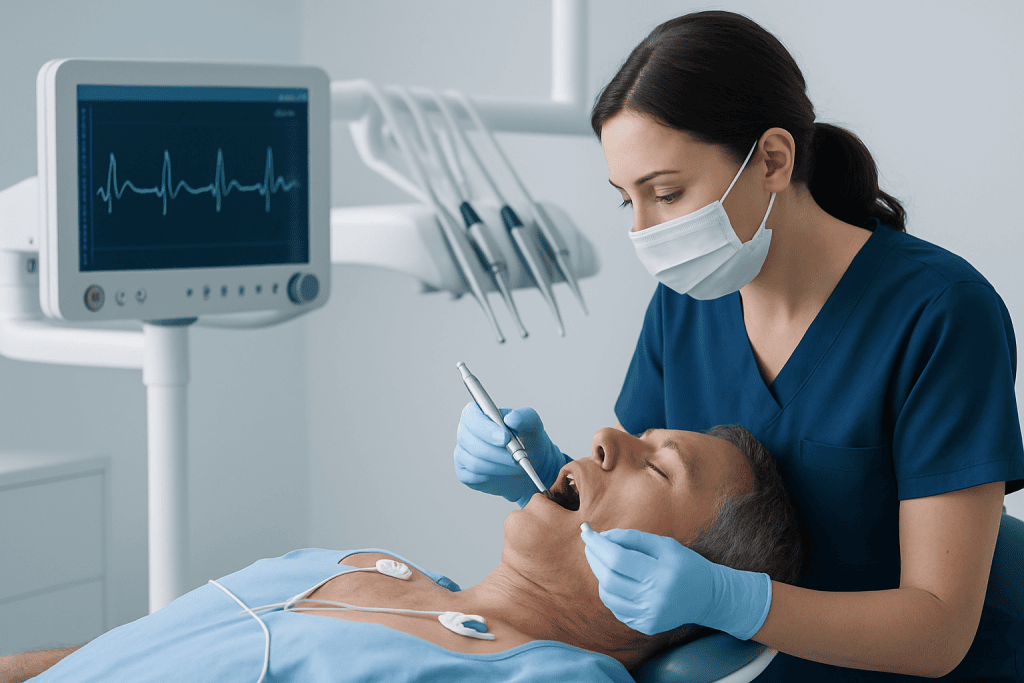
The mouth naturally contains many types of bacteria. In healthy gums and teeth, these bacteria are usually controlled by good oral hygiene and the body’s immune system. However, gum disease, deep cavities, loose teeth, dental abscesses, and infected tooth roots can allow bacteria to enter the bloodstream more easily, especially during chewing, brushing, or dental procedures.
Before heart surgery, this matters because the body will soon be healing from surgical incisions, a breastbone incision in many cases, and new bypass graft connections. Although dental infection is not the only factor in surgical infection risk, it is one of the treatable sources doctors may look for before planned operations. Removing or controlling a dental infection can reduce bacterial burden and help the patient enter surgery in better condition.
Dental clearance before CABG may include an examination of the teeth and gums, dental X-rays if needed, and treatment of urgent problems such as abscesses, severe gum infection, or teeth that cannot be saved and are actively infected. Routine cosmetic dental work is usually not the priority before bypass surgery. The aim is to identify and treat infections that could affect surgical safety.
What Doctors Look For During Infection Screening

Preoperative infection screening is usually individualized. The cardiac surgeon, cardiologist, anesthesiologist, nurses, and sometimes infectious disease specialists review the patient’s history, symptoms, physical examination, and test results. They may ask about fever, chills, cough, shortness of breath, painful urination, skin redness, dental pain, swelling, recent antibiotic use, or recent hospital stays.
Common areas checked before CABG include the mouth, lungs, urinary tract, skin, surgical-site areas, and any implanted devices or chronic wounds. Tests may include blood tests, urine analysis, chest imaging, nasal screening for certain bacteria in selected patients, or cultures when infection is suspected. Not every patient needs every test.
- Dental sources: tooth abscess, severe gum disease, infected roots, swelling, pus, or dental pain.
- Respiratory sources: pneumonia, bronchitis, influenza-like illness, or uncontrolled chronic lung infection.
- Urinary sources: urinary tract infection, especially if there is burning, urgency, fever, or abnormal urine testing.
- Skin sources: open wounds, cellulitis, ulcers, infected cuts, or poorly healing diabetic foot wounds.
- Bloodstream concerns: unexplained fever, positive cultures, or infection related to catheters or devices.
If an infection is found, the team decides whether to treat it before surgery, proceed with additional precautions, or postpone elective surgery briefly. This decision is made by weighing the infection risk against the risk of delaying heart treatment.
Timing Dental Treatment Before Heart Bypass Surgery
Timing is one of the most important questions for patients. If CABG is planned in advance, a dental check is best completed as early as possible. This gives enough time to treat infection and allow the mouth to begin healing before surgery. The exact timing depends on the type of dental treatment, the patient’s heart symptoms, and the surgical date.
Simple dental treatment may require little recovery time, while tooth extraction, drainage of an abscess, or periodontal treatment may need more planning. The dentist and heart team should communicate before any invasive dental procedure. This is especially important if the patient takes aspirin, clopidogrel, warfarin, direct oral anticoagulants, or other blood-thinning medicines. Patients should not stop these medicines on their own, because doing so may increase heart risk.
When bypass surgery is urgent, there may not be time to complete dental treatment first. In that situation, the cardiac team may proceed with surgery while using appropriate infection-prevention measures and antibiotics according to hospital protocols. After recovery, the patient can return to dental care when the surgeon confirms it is safe.
Treatment Options If an Infection Is Found
Treatment depends on where the infection is, how severe it is, and how soon bypass surgery is needed. For dental infections, options may include professional cleaning for significant gum infection, root canal treatment, drainage of an abscess, tooth extraction, or antibiotics when appropriate. Antibiotics alone may not cure a dental abscess if the source remains untreated, so dental assessment is important.
For urinary, respiratory, skin, or wound infections, the doctor may order cultures, prescribe targeted antibiotics, recommend wound care, or treat an underlying issue such as uncontrolled blood sugar. In some cases, surgery may be postponed until fever has resolved, symptoms improve, and test results are reassuring. In other cases, CABG remains necessary without delay, and infection management continues alongside cardiac care.
Hospitals also use standard infection-prevention steps around surgery. These may include careful skin preparation, sterile operating-room practices, appropriate surgical antibiotics, blood sugar control, temperature management, and wound-care instructions after discharge. These measures work together with dental and infection checks to reduce avoidable risks.
What Patients Can Do Before Surgery
Patients can play an active role in preparation. Good oral hygiene is helpful before any major surgery: brushing gently twice daily, cleaning between teeth if already part of the routine, and reporting dental pain, swelling, bleeding gums, loose teeth, or bad taste in the mouth. However, patients should avoid starting aggressive new dental routines that cause gum injury shortly before surgery without dental advice.
It is also important to tell the medical team about any signs of infection, even if they seem minor. A low-grade fever, productive cough, burning urination, new skin redness, foot ulcer, or recent dental abscess can change the preparation plan. Patients should bring a current medication list, including blood thinners, diabetes medicines, immune-suppressing medicines, and recent antibiotics.
- Schedule dental evaluation early if bypass surgery is planned and time allows.
- Do not stop heart or blood-thinning medicines unless the treating doctor gives clear instructions.
- Keep diabetes, blood pressure, and other chronic conditions as well controlled as possible.
- Avoid smoking and follow medical advice on lung exercises or breathing preparation.
- Ask when it is safe to restart routine dental care after surgery.
Preparation is most effective when the dentist, cardiologist, cardiac surgeon, and primary doctor share information. This coordinated approach helps avoid unnecessary delays while addressing real infection risks.
Recovery, Dental Care, and Infection Prevention After CABG
After bypass surgery, patients receive instructions on wound care, temperature monitoring, activity, medicines, and follow-up appointments. They should report fever, increasing wound redness, drainage, worsening pain, shortness of breath, burning urination, or new dental swelling. Early communication allows the care team to decide whether testing or treatment is needed.
Routine dental care is usually resumed after the cardiac surgeon confirms healing is stable and the patient can safely attend appointments. The timing varies depending on recovery, medicines, and whether the dental care is urgent. Patients who need dental procedures after CABG should inform the dentist about the surgery, current medicines, allergies, heart conditions, and any implanted cardiac devices.
Antibiotics before dental procedures are not automatically needed for everyone who has had bypass surgery. Recommendations depend on specific heart conditions, such as certain valve problems or prior infective endocarditis, rather than CABG alone. Patients should ask their cardiologist or surgeon whether antibiotic prophylaxis applies to them.
When to See a Doctor
Patients waiting for heart bypass surgery should contact their medical team promptly if they develop fever, chills, dental swelling, pus around a tooth, severe toothache, facial swelling, cough with phlegm, painful urination, open wounds, or spreading skin redness. These symptoms do not always mean surgery will be cancelled, but they should be assessed.
Urgent medical care is needed for chest pain, fainting, severe shortness of breath, confusion, signs of stroke, or rapidly worsening infection symptoms. Patients should follow the emergency plan given by their cardiology team, especially if bypass surgery has been recommended because of unstable or high-risk coronary artery disease.
For international patients, Acibadem International’s multidisciplinary specialists and JCI-accredited hospitals can coordinate cardiac, dental, infectious disease, anesthesia, and rehabilitation assessments when CABG is being planned. The goal of this type of team-based evaluation is to prepare the patient safely and address treatable infection risks before and after surgery.
Frequently asked questions
Why is a dental check recommended before heart bypass surgery?
A dental check can find hidden infections such as tooth abscesses, severe gum disease, or infected roots. Treating these problems before planned bypass surgery may reduce the bacterial burden on the body and support safer healing.
Will heart bypass surgery be delayed if a dental problem is found?
Not always. The decision depends on how urgent the bypass surgery is and how serious the dental infection appears to be. For elective surgery, treatment may be completed first; for urgent surgery, the heart team may proceed with precautions.
What infections are checked before CABG besides dental infections?
Doctors may look for urinary tract infections, respiratory infections, skin infections, chronic wounds, bloodstream infections, or signs of infection around medical devices. Screening is based on symptoms, examination findings, medical history, and hospital protocols.
Can antibiotics alone clear a tooth infection before surgery?
Sometimes antibiotics help control symptoms, but they may not remove the source of a dental abscess. Many dental infections need treatment such as drainage, root canal therapy, periodontal care, or extraction. The dentist and heart team decide the safest plan.
Should patients stop blood thinners before dental treatment?
Patients should not stop aspirin, anticoagulants, or other heart medicines without instructions from their doctor. Stopping these medicines can increase heart risk. The dentist and cardiology team can plan dental treatment around bleeding and clotting risks.
Are antibiotics needed before dental work after bypass surgery?
Bypass surgery alone does not automatically mean a patient needs antibiotics before every dental procedure. Antibiotic prophylaxis is recommended only for certain heart conditions. Patients should ask their cardiologist or surgeon what applies to their situation.
How can patients reduce infection risk before bypass surgery?
Patients can maintain gentle oral hygiene, report infection symptoms early, keep diabetes and other chronic conditions controlled, and follow preoperative instructions. They should also bring a complete medication list and tell the team about recent dental problems or antibiotic use.
References
- American Heart Association
- Society of Thoracic Surgeons
- Centers for Disease Control and Prevention
- European Association for Cardio-Thoracic Surgery
- National Institute for Health and Care Excellence
This article is for general information only and is not a substitute for professional medical advice. Please consult a qualified doctor about your individual situation.
Heart Bypass Surgery in Turkey — costs, top hospitals & a free quote
JCI-accredited · board-certified surgeons · reply within 24h
Add us as a Preferred Source to see more of our trusted health content across Google Search, AI Overviews and Discover.

More from the Health Library



Related Specialists

Dr. Mahmut Ercüment Cengiz
Gynecology & Obstetrics
Dr. Ahmet Körceğiz
Pediatrics
Prof. Dr. Çağlar Çuhadaroğlu
Pulmonology
Dr. Süheyla Yeldan Vatansever
Pediatrics