

Dental Sealants: An Evidence-Based Guide for Patients
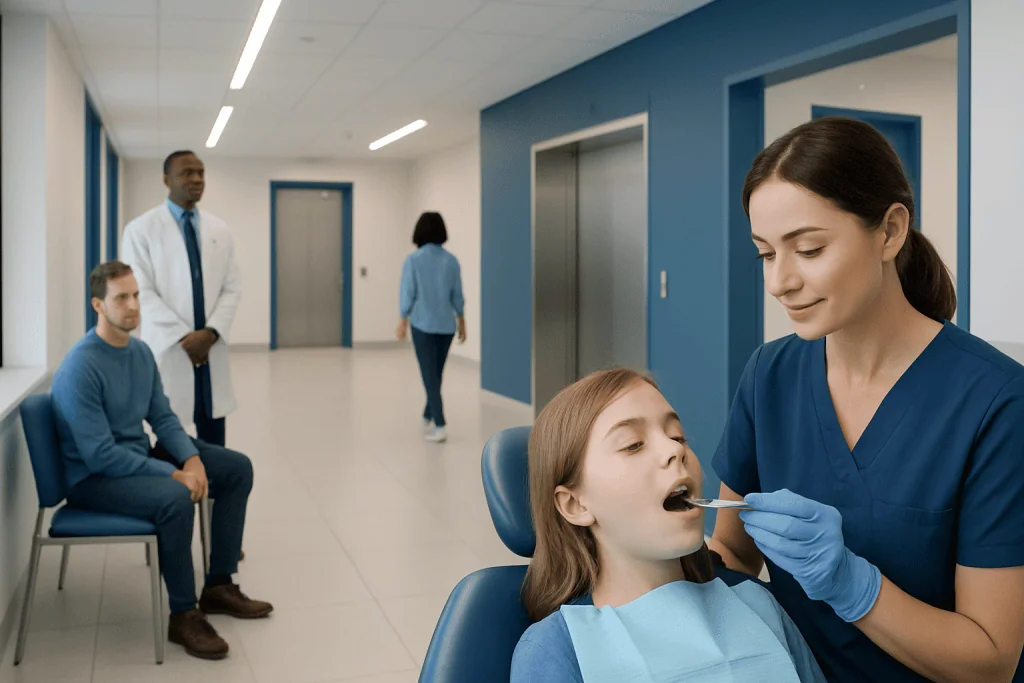
Dental sealants help prevent cavities by covering the deep pits and grooves of molars. The procedure is quick, painless, and usually does not require drilling or anesthesia.
Key Takeaways
- Dental sealants help prevent cavities by covering the deep pits and grooves of molars.
- The procedure is quick, painless, and usually does not require drilling or anesthesia.
- Sealants are commonly recommended for children and teens, but selected adults may also benefit.
- They do not replace brushing, flossing, fluoride use, or routine dental checkups.
- Sealants need periodic review because they can wear down, chip, or partially detach over time.
Dental sealants are thin, protective coatings placed on the chewing surfaces of back teeth to lower the risk of cavities. They are most often used in children and teenagers, but some adults can benefit too, especially if their molars have deep grooves and no existing decay.
Overview: what dental sealants do
Dental sealants are thin coatings, usually made from resin-based material or glass ionomer, that are painted onto the chewing surfaces of molars and premolars. Their purpose is simple: they form a smooth protective barrier over the tiny pits and fissures where food debris, plaque, and bacteria can collect. By sealing these hard-to-clean grooves, sealants reduce the chance that acids from bacteria will damage enamel and cause cavities.
In practical terms, dental sealants are a preventive treatment rather than a repair. They are used on teeth that are healthy or at risk, not to treat large established cavities. Many people think of brushing and flossing as enough for cavity prevention, but the chewing surfaces of back teeth can still be vulnerable because their natural anatomy often includes narrow grooves that toothbrush bristles may not fully reach.
Sealants are commonly recommended soon after permanent molars come in, which is why they are often discussed in pediatric dentistry. However, they are not only for children. Teenagers and some adults with cavity-prone molars may also benefit if those teeth do not already have decay or fillings on the chewing surface.
Who may benefit from dental sealants
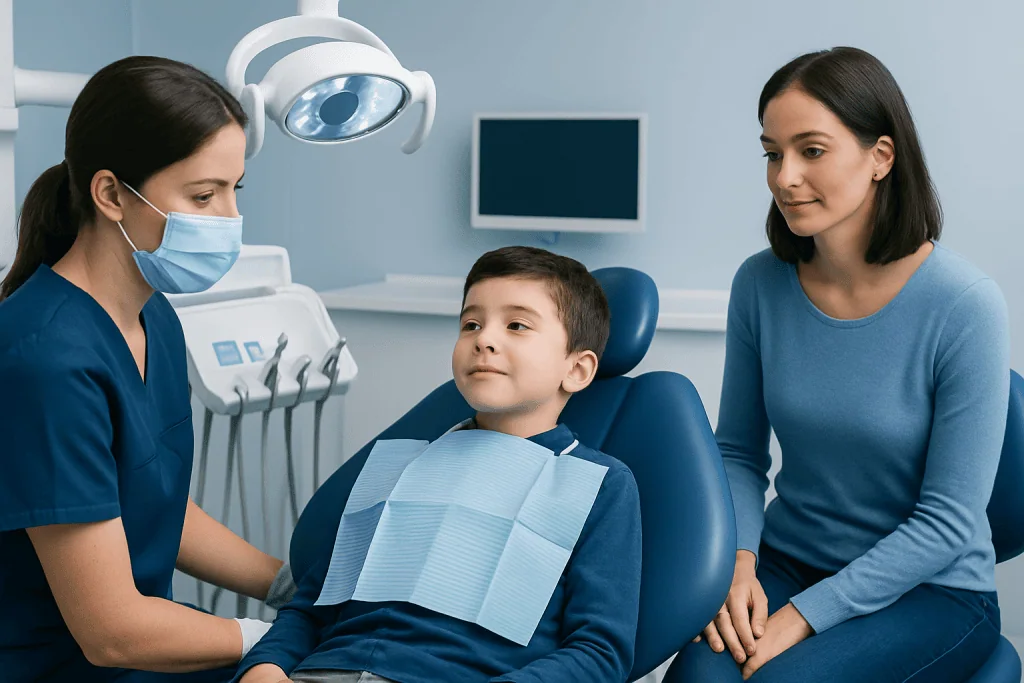
The people most likely to benefit from dental sealants are children and adolescents. First permanent molars usually erupt around age 6, and second permanent molars around age 12. Applying sealants soon after these teeth erupt can protect them during years when cavity risk is often high and oral hygiene habits are still developing.
Some adults may also be candidates. A dentist may suggest sealants for an adult whose back teeth have deep pits and fissures, a history of frequent cavities, dry mouth, or difficulty keeping molars clean. Adults are less likely to receive sealants than children, but the treatment can still be useful when tooth anatomy and risk factors make decay more likely.
Sealants are not appropriate for every tooth. A dentist will first examine whether a tooth is fully erupted enough to isolate and keep dry during placement, whether there is any sign of existing decay, and whether the chewing surface already has a large restoration. If decay is suspected, the tooth may need further evaluation instead of preventive sealing.
- Most often used on permanent molars
- Can be considered for premolars with deep grooves
- Helpful for children, teens, and selected adults at higher cavity risk
- Best placed on teeth without obvious decay or existing chewing-surface fillings
How the procedure is done
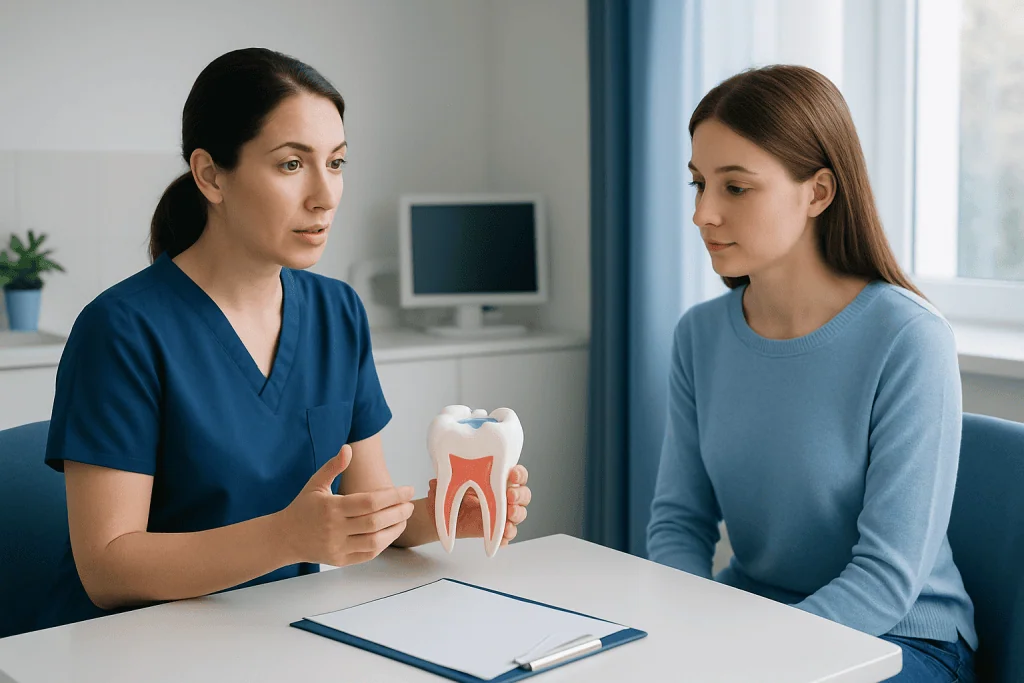
Applying dental sealants is usually quick and painless. The dentist or dental hygienist starts by cleaning the tooth surface to remove plaque and debris. The tooth is then dried carefully, and the surface is prepared with a mild etching solution or gel. This creates a slightly roughened enamel surface that helps the sealant bond securely.
After rinsing and drying again, the sealant material is flowed into the grooves of the tooth. A curing light is often used to harden the material. Once the sealant is set, the dentist checks the bite and confirms that the coating is smooth and comfortable. In most cases, the person can eat and drink normally soon afterward, although the dental team may recommend waiting briefly depending on the material used.
No drilling is usually needed for a straightforward sealant application, and local anesthesia is generally not required. This makes sealants one of the least invasive dental preventive measures. In some situations, if the dentist suspects very early decay limited to enamel, they may decide whether a sealant is still appropriate or whether a different preventive or restorative approach would be safer.
Benefits, safety, and common concerns
The main benefit of dental sealants is cavity prevention. By blocking bacteria and food particles from settling into the grooves of molars, sealants make those surfaces easier to keep clean. This can be especially valuable in children and teenagers, whose back teeth are often the most cavity-prone.
Sealants are widely regarded as safe and effective when used appropriately. Patients sometimes ask whether sealants contain substances of concern, such as BPA-related compounds. The materials used in dentistry are regulated, and professional organizations note that any exposure from sealants is very low. Dentists can also discuss the type of material being used and whether there are particular reasons to choose one option over another.
Another common question is whether sealants can trap decay inside a tooth. If a tooth is examined properly before placement, sealants are intended for sound surfaces or very early non-cavitated areas selected by the dentist. They do not replace regular dental checks, because a sealant can wear or chip over time and may need repair. If someone already has tooth pain, visible holes, or signs of tooth decay, a dentist may need to evaluate for treatment rather than prevention alone.
How long dental sealants last and how to care for them
Dental sealants can last for several years, but they do not last forever. Their lifespan depends on the material used, the shape of the tooth, oral habits, and normal chewing wear. Some sealants remain intact for a long time, while others may thin out, chip, or partially detach and need touch-up or replacement.
Regular dental checkups are important because sealants should be inspected periodically. During these visits, the dentist can see whether the coating is still fully covering the grooves and whether any edges have lifted. If a sealant is damaged, repairing or replacing it is usually straightforward.
At home, care is simple. Sealants do not require special cleaning methods, but they do work best as part of a broader prevention plan. Brushing twice daily with fluoride toothpaste, flossing, limiting frequent sugary snacks and drinks, and attending routine dental appointments all help maintain protection. Patients who grind their teeth or chew hard objects like ice may be more likely to wear down sealants sooner.
- Brush twice a day with fluoride toothpaste
- Floss daily
- Limit frequent sugar exposure
- Keep routine dental reviews so sealants can be checked
- Avoid chewing very hard objects when possible
Dental sealants compared with fluoride and fillings
Dental sealants are often discussed alongside fluoride, but the two approaches do different jobs. Fluoride strengthens enamel and can help prevent or slow early decay across many tooth surfaces. Sealants, by contrast, provide a physical barrier that is especially useful on the chewing surfaces of molars, where grooves can be deep and narrow. In many cases, dentists recommend both rather than choosing one over the other.
Sealants are also different from fillings. A filling is used to restore a tooth after a cavity has created structural damage. A sealant is placed before that damage develops, or in carefully selected very early cases, to lower risk. If decay has already caused a hole or softened tooth structure, the tooth may need restorative care such as dental fillings instead of a preventive sealant alone.
For some people, sealants are part of a larger dental prevention or rehabilitation plan. A dentist may review the overall health of the teeth and gums, assess the bite, and address plaque-retentive areas. If oral health problems coexist, treatment may range from preventive cleaning to more complex care such as root canal treatment when deep decay has reached the pulp, although that is a separate issue from sealant placement itself.
When to seek dental care
Routine dental care is the best time to ask whether dental sealants are appropriate. A dentist can assess cavity risk, the shape of the molars, and whether the teeth are suitable for sealing. Parents often raise the question when a child’s permanent molars first erupt, but adults can ask about it too if they are prone to cavities or have deep grooves in their back teeth.
More prompt evaluation is advisable if there are symptoms that suggest a tooth may already be affected by decay rather than simply at risk. These symptoms can include tooth sensitivity to cold or sweets, pain when biting, a visible dark spot or hole, food getting stuck repeatedly in one area, or a chipped existing sealant that leaves a rough surface. If there is swelling, persistent pain, or signs of infection, dental care should not be delayed.
If a patient needs broader assessment or treatment, multidisciplinary dental specialists can help guide prevention and restorative options. Near the end of the care pathway, it may also be useful to know that Acibadem International’s multidisciplinary specialists in JCI-accredited hospitals diagnose and treat dental conditions for international patients, including preventive care and procedures such as dental implant treatment when tooth loss has already occurred.
Frequently asked questions
Are dental sealants only for children?
No. Dental sealants are most commonly used in children and teenagers because newly erupted molars are especially vulnerable to cavities, but some adults can benefit as well. A dentist may recommend them for adults with deep grooves in the molars and a higher risk of tooth decay.
Do dental sealants hurt?
Sealant placement is usually painless. In most cases, no drilling or anesthesia is needed because the treatment involves cleaning the tooth and applying a protective coating to the surface.
How long do dental sealants last?
Dental sealants often last for years, but they should be checked regularly because they can wear down or chip over time. If a sealant becomes damaged or partially detached, a dentist can often repair or replace it easily.
Can a tooth still get a cavity under a sealant?
A properly placed sealant helps lower the risk of decay, but it does not make a tooth completely cavity-proof. Regular dental checkups are still important so the dentist can monitor the sealant and identify any changes early.
Are dental sealants safe?
Yes, dental sealants are generally considered safe and are widely used in preventive dentistry. If a patient has questions about sealant materials, the dentist can explain the options and discuss any concerns in context.
Are dental sealants better than fluoride?
They are not direct substitutes because they work in different ways. Fluoride strengthens enamel broadly, while sealants physically protect the deep grooves of back teeth; many people benefit from both as part of a cavity-prevention plan.
References
- American Dental Association
- Centers for Disease Control and Prevention
- National Institute of Dental and Craniofacial Research
- American Academy of Pediatric Dentistry
This article is for general information only and is not a substitute for professional medical advice. Please consult a qualified doctor about your individual situation.
Explore treatments in Turkey — costs, top hospitals & a free quote
JCI-accredited · board-certified surgeons · reply within 24h
Add us as a Preferred Source to see more of our trusted health content across Google Search, AI Overviews and Discover.

More from the Health Library

Chocolate Milk: An Evidence-Based Guide for Patients

Rhodiola Rosea and — Explained by Medical Evidence, Not Myths

Stone Ground Grits — Explained by Medical Evidence, Not Myths

Muscles Tibialis Anterior: A Complete Medical Overview

Dry Scalp — Explained by Medical Evidence, Not Myths

Angiotensin: A Complete Medical Overview
Oral & Dental Health Specialists at Acibadem

Dt. Akif Aydın Şen
Oral & Dental Health
Dt. Alara Güler
Oral & Dental Health
Dt. Alara Naz Kenir Çelik
Oral & Dental Health
Dr. Alen Palancıoğlu
Oral Dental & Maxillofacial Surgery