Muscles Tibialis Anterior: A Complete Medical Overview

The tibialis anterior is the primary muscle that lifts the foot and helps prevent the toes from dragging during walking. Pain in the front of the shin is often linked to overuse, muscle strain, tendon irritation, or biomechanical stress.
Key Takeaways
- The tibialis anterior is the primary muscle that lifts the foot and helps prevent the toes from dragging during walking.
- Pain in the front of the shin is often linked to overuse, muscle strain, tendon irritation, or biomechanical stress.
- Weakness of the tibialis anterior can sometimes point to nerve compression or other neurological causes, not just a muscle injury.
- Diagnosis usually combines a physical examination with imaging or nerve tests when symptoms are persistent or unclear.
- Treatment often includes rest, activity changes, physical therapy, supportive footwear, and care for any underlying cause.
The muscles tibialis anterior refers to the main muscle along the front of the shin that lifts the foot upward and helps control walking, balance, and foot placement. When this muscle becomes strained, inflamed, weak, or affected by nerve problems, it can cause front-of-shin pain, foot weakness, or difficulty walking.
Overview: what the tibialis anterior muscle does
The muscles tibialis anterior commonly refers to the tibialis anterior muscle, located at the front of the lower leg, just beside the shin bone. Its main job is dorsiflexion, which means lifting the foot upward toward the shin. This movement is essential for walking, climbing stairs, clearing the toes during a step, and controlling how the foot meets the ground.
The muscle begins near the upper outer part of the tibia and attaches to the inner side of the foot through a tendon. Because of this line of pull, it not only lifts the foot but also helps turn the sole slightly inward. It works together with other muscles of the foot, ankle, and lower leg to maintain stability and efficient movement.
The tibialis anterior is active in both movement and shock control. During walking or running, it slows the foot as it lowers to the ground, helping produce a smoother step. If the muscle is overworked, strained, or weakened, a person may notice pain over the front of the shin, fatigue during activity, or trouble lifting the foot normally.
Although some discomfort in this area comes from muscle overuse, not all front-of-shin symptoms are simple strains. Tendon inflammation, stress injury, compartment syndrome, and nerve-related conditions can create similar symptoms. That is why the tibialis anterior should be viewed not only as a single muscle, but as part of a broader lower-leg function system.
Common symptoms and how problems may feel
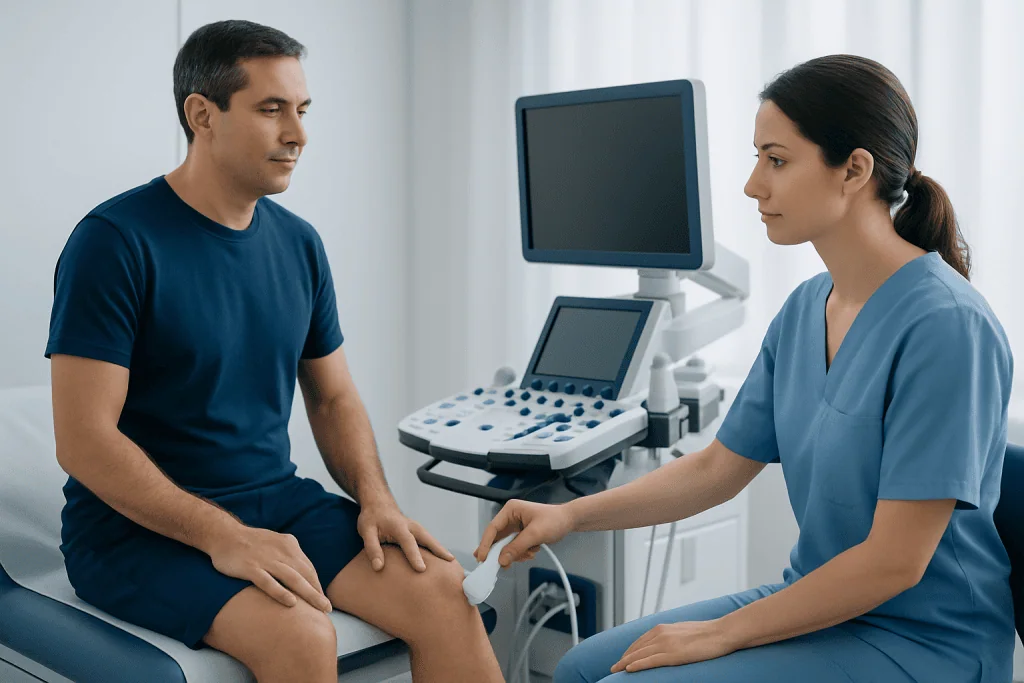
Symptoms related to the tibialis anterior vary depending on whether the issue is overuse, a tendon problem, a tear, or a nerve-related weakness. The most common complaint is pain at the front of the shin or around the ankle, especially during walking, running, or after activity. Some people describe it as aching, tightness, burning, or tenderness when pressing on the area.
Weakness is another important symptom. A person may feel that the foot does not lift as easily as before, or that the toes catch the ground while walking. In more marked cases, the walking pattern changes and the knee may lift higher to avoid tripping. This can overlap with the symptom pattern known as foot drop, which deserves medical evaluation because it may reflect a nerve or neurological problem.
Swelling over the front of the ankle, pain when pulling the foot upward, and stiffness after exercise can also occur. Symptoms may come on gradually in runners, walkers, dancers, or people who recently increased training. In others, they begin after a sudden twist, direct blow, or forceful ankle movement.
- Front-of-shin pain during or after exercise
- Tenderness along the muscle or tendon
- Weakness lifting the foot upward
- Toe dragging or tripping
- Swelling near the front of the ankle
- Tightness that worsens with repetitive activity
Causes and risk factors

Overuse is one of the most frequent causes of tibialis anterior symptoms. Repeated walking uphill, running on hard surfaces, sudden training increases, and sports that involve repetitive ankle motion can all overload the muscle-tendon unit. Poor recovery, inadequate warm-up, and returning to exercise too quickly after a break may add to the strain.
Biomechanics also matter. Flat feet, high arches, limited ankle mobility, poor shoe support, and altered gait can shift extra work onto the tibialis anterior. When the muscle has to compensate repeatedly for foot alignment or stability issues, irritation can build gradually. In some people, the problem is mainly tendon-related rather than a true muscle injury.
Acute injuries can happen as well. A forceful ankle twist, a stumble, or direct trauma to the shin may cause a strain or partial tear. Less commonly, persistent pain in this region may be confused with or accompanied by conditions such as shin splints, stress reactions of bone, or chronic exertional compartment syndrome. Front-of-leg symptoms can sometimes also be linked to peripheral neuropathy or a pinched nerve in the lower back.
Risk tends to be higher in runners, athletes changing surfaces or footwear, people with previous ankle injuries, and those with jobs or routines involving repetitive standing and walking. Diabetes, neurological disease, and spine problems may increase the chance that weakness has a nerve-related explanation rather than a simple overuse injury.
How doctors evaluate the tibialis anterior
Diagnosis begins with a careful history and physical examination. A doctor will ask when the symptoms started, whether they followed exercise or injury, and whether there is pain, weakness, numbness, or balance difficulty. The pattern matters: pain with preserved strength suggests one set of causes, while true weakness can point toward a different pathway.
During the examination, the clinician may check tenderness along the front of the shin and ankle, compare both legs, and test dorsiflexion strength by asking the person to pull the foot upward against resistance. Walking pattern, toe clearance, ankle range of motion, and foot posture are also important. The doctor may look for signs of tendon irritation, swelling, or related conditions affecting the calf, knee, or back.
If symptoms are persistent, severe, or unclear, tests may be used. Ultrasound or MRI can help evaluate muscle or tendon injury. X-rays may be considered if a bone stress injury is suspected. When weakness, numbness, or foot drop is present, nerve studies or spinal imaging may be recommended to look for nerve compression or other neurological causes.
This stepwise approach helps separate a local muscle problem from broader musculoskeletal or nerve issues. In more complex cases, assessment by orthopedics, neurology, sports medicine, or physical therapy and rehabilitation specialists may be helpful.
Treatment options
Treatment depends on the cause, symptom severity, and how long the problem has been present. For mild overuse or strain, the first steps are usually relative rest, reducing the triggering activity, and allowing the tissue to recover. Ice, gentle compression, and short-term activity modification may help reduce discomfort in the early phase.
Rehabilitation is often central to recovery. A structured program may include stretching, gradual strengthening of the ankle and lower leg, gait correction, balance work, and a progressive return to walking or sport. Supportive shoes or orthotics can be useful when poor foot mechanics are contributing to repeated overload. When the issue is tendon irritation, the pace of loading usually needs to increase gradually rather than all at once.
If pain is more persistent or the diagnosis is uncertain, additional evaluation may be needed to rule out stress injury, compartment syndrome, or tendon tear. When weakness is caused by a nerve problem, treatment focuses on the underlying source, which may involve neurology or spine assessment. In selected cases, bracing may help improve toe clearance and safety while walking.
Surgery is not needed for most tibialis anterior complaints, but it may be considered for specific structural problems such as certain tendon ruptures, severe compression syndromes, or underlying spine conditions causing nerve impairment. If symptoms are related to a lumbar cause, a specialist may evaluate whether treatments such as spine surgery are appropriate. Treatment plans should be individualized and guided by a qualified clinician.
Prevention, exercise habits, and self-care
Many tibialis anterior problems can be reduced through training habits that respect gradual progression. Increasing distance, speed, hills, or intensity too quickly often overloads the front of the lower leg. A more measured return to activity gives the muscle and tendon time to adapt.
Footwear matters because the tibialis anterior works harder when the foot lacks support or when shoes are worn out. Replacing old athletic shoes, choosing activity-appropriate footwear, and discussing orthotics when needed may reduce strain. People with flat feet, high arches, or repeated shin discomfort may benefit from a professional gait or biomechanics review.
General self-care often includes calf and ankle mobility work, lower-leg strengthening, and balanced conditioning of the hips and core. It is usually best to avoid pushing through increasing shin pain, especially when it changes normal walking mechanics. Persisting with painful training can turn a mild overload problem into a longer recovery.
- Warm up before exercise and progress gradually
- Use supportive, well-fitted shoes
- Alternate high-impact and low-impact activity
- Address ankle stiffness and muscle imbalance
- Rest early if front-of-shin pain begins to build
- Seek assessment for repeated tripping, weakness, or numbness
When to seek medical care
Medical assessment is advisable if front-of-shin pain lasts more than a few days despite rest, returns repeatedly, or interferes with walking, exercise, or daily activities. A doctor should also review symptoms when there is visible swelling, a sudden loss of strength, or pain after a specific injury.
Urgent evaluation is especially important if the foot becomes difficult to lift, the toes drag, numbness develops, or symptoms spread beyond the shin into the foot or lower back. These signs may suggest nerve involvement rather than a simple muscle strain. Severe pain with marked tightness, increasing swelling, or symptoms out of proportion to activity also needs prompt medical attention.
Early diagnosis can shorten recovery and help prevent complications such as falls, persistent gait changes, or ongoing overuse of other muscles. For international patients who need multidisciplinary assessment, Acibadem International’s JCI-accredited hospitals bring together specialists in orthopedics, neurology, imaging, and rehabilitation to evaluate and treat conditions affecting the tibialis anterior and lower leg function.
Frequently asked questions
What is the tibialis anterior muscle?
The tibialis anterior is a muscle on the front of the lower leg. It lifts the foot upward and helps control foot placement during walking. It also supports balance and smooth stepping.
Why does the front of the shin hurt during walking or running?
Pain in this area often comes from overuse of the tibialis anterior muscle or tendon, especially after sudden increases in activity. Other causes can include shin splints, stress injury, or biomechanical strain. Persistent or severe pain should be checked by a doctor.
Can tibialis anterior weakness cause foot drop?
Yes. If the tibialis anterior is weak, the foot may not lift normally and the toes may catch the ground. However, foot drop may also result from nerve compression or neurological conditions, so medical evaluation is important.
How is a tibialis anterior problem diagnosed?
Doctors usually start with symptoms, medical history, and a physical examination of strength, walking pattern, and tenderness. If needed, imaging such as MRI or ultrasound may be used. Nerve tests may be recommended when weakness or numbness is present.
What helps a strained tibialis anterior recover?
Relative rest, reducing aggravating activity, and a gradual rehabilitation program are common first steps. Supportive footwear and exercises to improve strength and mobility may also help. Recovery depends on the exact cause and should be guided by a clinician if symptoms persist.
When should someone worry about tibialis anterior symptoms?
Medical care is important if there is sudden weakness, repeated tripping, numbness, severe swelling, or pain that does not improve with rest. These symptoms can suggest a more serious muscle, tendon, bone, or nerve problem. Prompt assessment can help prevent longer-term walking difficulties.
References
- American Academy of Orthopaedic Surgeons
- National Institute of Neurological Disorders and Stroke
- MedlinePlus
- National Health Service
- American Physical Therapy Association
This article is for general information only and is not a substitute for professional medical advice. Please consult a qualified doctor about your individual situation.
Explore treatments in Turkey — costs, top hospitals & a free quote
JCI-accredited · board-certified surgeons · reply within 24h
Add us as a Preferred Source to see more of our trusted health content across Google Search, AI Overviews and Discover.

More from the Health Library

Formula Milk for Reflux: A Complete Medical Overview

Tea Tree Oil: An Evidence-Based Guide for Patients

Bnp Test: What Patients Need to Know

Cryo Facial: A Complete Medical Overview

Bartholin’s Cyst — Explained by Medical Evidence, Not Myths