Nose Coldness: A Complete Medical Overview

A cold nose is often caused by normal blood-vessel narrowing in response to low temperatures. Wind, wet clothing, stress, fatigue, smoking, and some medicines can make cold sensitivity more noticeable.
Key Takeaways
- A cold nose is often caused by normal blood-vessel narrowing in response to low temperatures.
- Wind, wet clothing, stress, fatigue, smoking, and some medicines can make cold sensitivity more noticeable.
- Warm the nose gradually and avoid direct high heat, which can injure numb skin.
- Persistent coldness with white, blue, or very red skin changes may indicate a circulation-related condition.
- Urgent medical care is important for severe pain, loss of sensation, skin blistering, or skin that remains pale or blue after warming.
Nose coldness is commonly a normal response to cool air, as small blood vessels in the skin narrow to conserve body heat. It usually resolves after warming up, but recurrent episodes with color changes, numbness, pain, or symptoms elsewhere in the body may need medical assessment.
What Does Nose Coldness Mean?
Nose coldness usually means that the skin of the nose feels cooler than the rest of the face. In most cases, this happens because exposure to cold air causes tiny blood vessels near the skin surface to narrow. Less warm blood reaches the area temporarily, helping the body retain heat for vital organs.
The nose is especially prone to feeling cold because it is prominent, has relatively little insulating fat, and is directly exposed to air and wind. A cold nose after being outdoors, sitting near air conditioning, or drinking a cold beverage is generally harmless and should improve after moving to a warmer environment.
Occasionally, a cold sensation may occur even in a warm room or may be accompanied by unusual skin color, tingling, numbness, or pain. These features do not always indicate a serious problem, but they can help a clinician decide whether circulation, skin, nerve, hormonal, or medication-related factors should be considered.
Why the Nose Gets Cold in Cool Weather
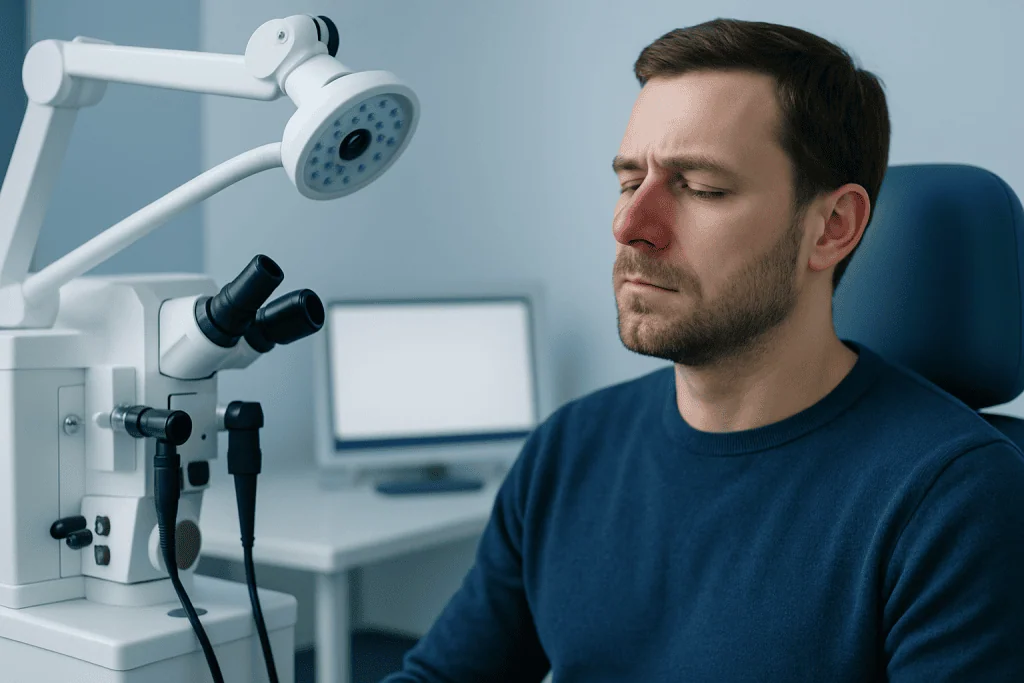
When the body senses cold, the nervous system triggers vasoconstriction, meaning that small blood vessels in the skin become narrower. This natural process reduces heat loss. Blood flow is prioritized toward deeper tissues and organs, so exposed areas such as the nose, ears, fingers, and toes may feel cold first.
Wind can make nose coldness more noticeable because it removes the thin layer of warm air next to the skin. Moisture also increases heat loss, so rain, sweat, or wet clothing can contribute. People may notice the effect more during long periods outdoors, winter sports, or travel in cold climates.
Cold air may also irritate the nasal passages and lead to a runny nose, sneezing, or congestion. This is a separate effect from cold skin, although both can happen at the same time. Breathing through a scarf or loose face covering can warm and humidify inhaled air during cold weather.
Other Factors That Can Contribute

Some people are more sensitive to temperature changes than others. Low body weight, tiredness, inadequate food intake, dehydration, and prolonged inactivity can reduce heat production or make a person feel colder. Nicotine causes blood vessels to narrow and may worsen cold hands, feet, and nose coldness.
Stress and anxiety can also activate the body’s fight-or-flight response, which may temporarily reduce blood flow to the skin. Caffeine affects individuals differently, but some people find that it makes cold-related symptoms more noticeable. Certain medicines, including some used for migraine, attention disorders, heart conditions, or nasal congestion, can affect blood vessels and should be discussed with a doctor if symptoms begin after a medication change.
Less commonly, an underlying health condition may contribute to feeling unusually cold. Examples include an underactive thyroid, anemia, diabetes-related nerve changes, and conditions that affect circulation or connective tissue. These conditions typically cause additional symptoms rather than isolated nose coldness alone.
Color Changes and Patterns to Notice
Looking at the pattern of symptoms can be useful. A nose that becomes mildly cool and pink in cold air, then returns to its usual temperature and color after warming, is most often a normal response. A brief cold sensation without pain or visible changes is also commonly benign.
More marked episodes can sometimes occur with a cold-sensitive circulation response similar to Raynaud phenomenon. Raynaud phenomenon more often affects the fingers and toes, but the nose, ears, lips, or nipples may also be involved. During an episode, skin may become pale or white, then bluish, and later red, tingling, or throbbing as circulation returns.
- Usually reassuring: symptoms occur only in cold conditions and settle with gradual warming.
- Worth discussing with a doctor: repeated episodes in warm environments, strong pain, numbness, or clear color changes.
- More concerning: sores, blisters, skin breakdown, a persistently blue or black area, or symptoms affecting only one side.
A clinician can assess whether the pattern is related to cold exposure alone or whether further evaluation for a circulation or autoimmune condition is appropriate.
How Nose Coldness Is Assessed
For occasional coldness that clearly follows cold exposure and improves with warming, testing is usually not needed. A healthcare professional may ask when symptoms started, how long episodes last, whether fingers or toes are affected, and whether there are associated symptoms such as fatigue, weight change, shortness of breath, rash, joint pain, or numbness.
An examination may include checking the skin color and temperature, pulse, circulation in the hands and feet, and signs of skin or connective-tissue conditions. If symptoms are recurrent, severe, or unexplained, blood tests may be considered to look for anemia, thyroid disease, inflammation, or autoimmune causes. The tests selected depend on the individual history and examination.
Photographs taken during an episode can sometimes be helpful, especially if the skin changes color before a medical appointment. People should avoid deliberately exposing the nose to extreme cold to reproduce symptoms, as this can injure the skin.
Comfort Measures and Everyday Prevention
Gentle, gradual warming is the safest approach for a cold nose. Moving indoors, covering the nose with a soft scarf, and drinking a warm non-alcoholic beverage can help restore comfort. The skin should not be rubbed vigorously, placed against a radiator, or exposed to very hot water, heating pads, or hair dryers, particularly if it feels numb.
For outdoor activities, dressing in layers and protecting exposed skin can reduce heat loss. A breathable scarf, face covering, or cold-weather mask can shield the nose from wind while allowing comfortable breathing. Keeping the rest of the body warm is important because the body is less likely to restrict blood flow to the skin when core temperature is maintained.
Stopping smoking and avoiding nicotine products may improve cold sensitivity over time. Regular meals, adequate fluids, physical activity, sleep, and stress-management practices may also support normal temperature regulation. Anyone taking prescribed medicine should not stop it independently; a clinician can review whether it may be contributing and discuss suitable alternatives if needed.
When to Seek Medical Care
Medical advice is appropriate when nose coldness is frequent, occurs without an obvious cold trigger, lasts after the person has warmed up, or interferes with daily life. It is also sensible to arrange an appointment if episodes are accompanied by recurring numbness, tingling, pain, sores, rashes, joint symptoms, unexplained tiredness, or cold fingers and toes.
Urgent assessment is needed if the nose becomes severely painful, remains white, blue, gray, or black after warming, develops blisters or open skin, or loses sensation following substantial cold exposure. These signs can indicate a cold injury or a significant circulation problem and should not be managed with intense direct heat at home.
Acibadem International’s multidisciplinary specialists and JCI-accredited hospitals can assess persistent cold-related symptoms and coordinate care for international patients when evaluation is needed. A qualified clinician can provide individualized guidance based on the person’s symptoms, health history, medicines, and examination findings.
Frequently asked questions
Is nose coldness normal?
Yes. Nose coldness is commonly a normal response to cool temperatures, wind, or air conditioning. Blood vessels in the nose narrow temporarily to reduce heat loss, and the sensation usually improves after gradual warming.
Why is my nose cold but the rest of my body feels warm?
The nose is exposed to the air and has less insulation than many other body areas. Even when core body temperature is normal, the body may reduce skin blood flow in exposed areas, making the nose feel cooler than the rest of the face.
Can poor circulation cause a cold nose?
Circulation changes can contribute, especially if coldness comes with white, blue, or red color changes, numbness, or pain. However, a cold nose by itself is much more often related to normal cold exposure than to a serious circulation disorder.
Can anxiety make the nose feel cold?
Stress and anxiety can activate the nervous system and temporarily narrow blood vessels in the skin. This may make the nose, hands, or feet feel cold, particularly during a stressful situation. Persistent or troubling symptoms should still be discussed with a healthcare professional.
How can a cold nose be warmed safely?
The safest method is to move to a warm place, cover the nose gently, and allow it to warm gradually. Avoid very hot water, direct heaters, vigorous rubbing, and heating devices because numb or cold skin can burn without the person realizing it.
When is a cold nose an emergency?
Urgent care is needed if there is severe pain, complete numbness, blistering, open skin, or a nose that stays pale, blue, gray, or black after warming. These symptoms may signal cold injury or impaired blood flow and require prompt medical assessment.
References
- American Academy of Dermatology Association
- National Heart, Lung, and Blood Institute
- National Institute of Arthritis and Musculoskeletal and Skin Diseases
- Mayo Clinic
- National Health Service
This article is for general information only and is not a substitute for professional medical advice. Please consult a qualified doctor about your individual situation.
Explore treatments in Turkey — costs, top hospitals & a free quote
JCI-accredited · board-certified surgeons · reply within 24h
Add us as a Preferred Source to see more of our trusted health content across Google Search, AI Overviews and Discover.

More from the Health Library



Related Specialists

Dr. İhsan Atabay
Gynecology & Obstetrics
Dr. Mehmet Arslanoğlu
Pediatrics
Dt. Hakan Karagözoğlu
Oral Dental & Maxillofacial Surgery
Selvî Yüce
Physical Medicine & Rehabilitation