Cryo Facial: A Complete Medical Overview
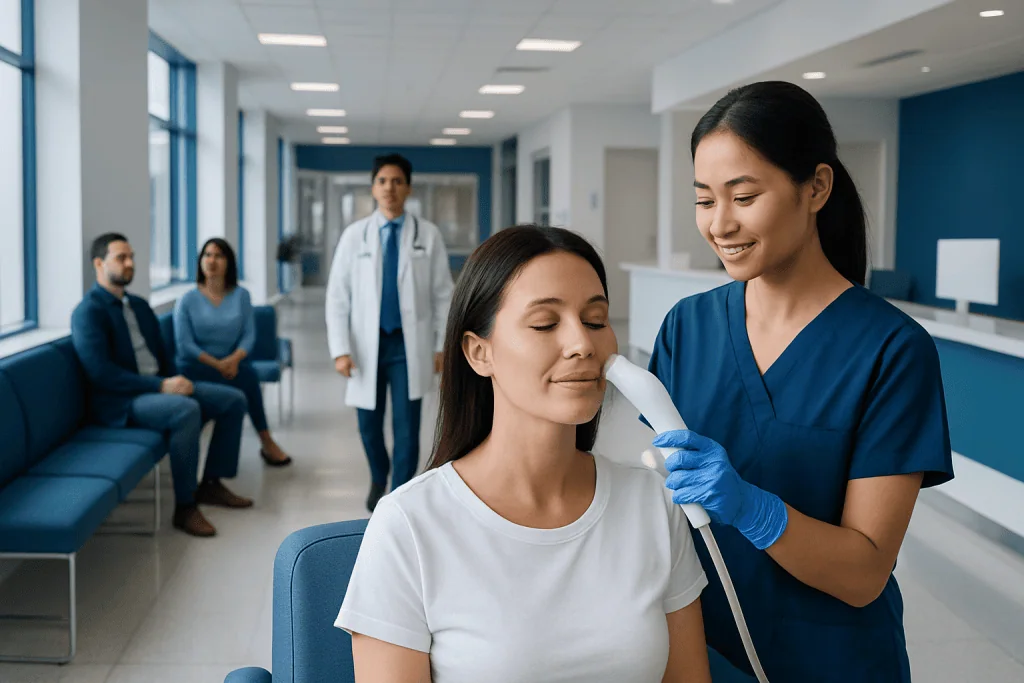
A cryo facial uses controlled cold exposure on the face for short periods. Benefits are usually short-term, such as reduced puffiness and a refreshed appearance.
Key Takeaways
- A cryo facial uses controlled cold exposure on the face for short periods.
- Benefits are usually short-term, such as reduced puffiness and a refreshed appearance.
- It is not a treatment for underlying skin disorders, infections, or signs of skin cancer.
- People with cold sensitivity, circulation problems, or certain skin conditions may need to avoid it.
- A qualified clinician or dermatologist can help decide whether it is appropriate and safe.
A cryo facial is a noninvasive skin treatment that uses very cold air, cold tools, or chilled products on the face for a short time. It may temporarily reduce puffiness and leave skin looking refreshed, but it does not replace medical treatment for skin disease and should be used carefully in people with sensitive skin or cold-related conditions.
What Is a Cryo Facial?
A cryo facial is a cosmetic skin treatment that applies controlled cold to the face. Depending on the setting, the cold may come from cooled air, chilled metal tools, ice globes, cryo wands, or specially designed devices. The goal is usually to create a short-lived tightening effect, reduce visible puffiness, and leave the skin feeling refreshed.
From a medical perspective, a cryo facial is different from cryotherapy used to treat skin lesions. In dermatology, cryotherapy may be used to destroy abnormal tissue, such as certain warts or precancerous spots, with very low temperatures. A cryo facial, by contrast, is generally intended for appearance and comfort rather than tissue destruction or disease treatment.
Many people seek cryo facials before events or as part of a broader skincare routine. While the cooling effect may temporarily improve the look of tired or swollen skin, the results are usually not permanent. Expectations are best kept realistic, especially when concerns involve acne, pigmentation, scarring, or chronic inflammatory skin conditions that often need a different medical approach.
How a Cryo Facial Works
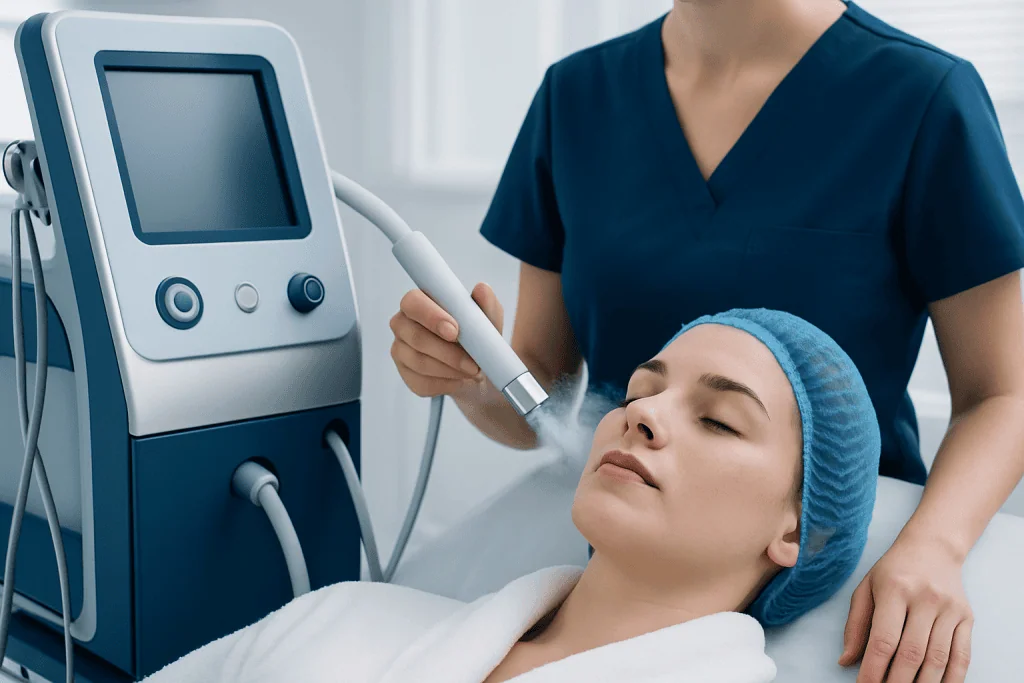
Cold exposure causes superficial blood vessels to narrow for a short time. This can help reduce visible redness and swelling in some people, particularly around the eyes or cheeks. After the skin begins to warm again, circulation may increase slightly, which can contribute to the temporary “fresh” appearance many people notice after treatment.
The treatment itself is usually brief. A practitioner may move a cooling device across the face in a controlled way, avoiding prolonged contact in one area. Some treatments are paired with serums or massage techniques to support hydration and comfort, but the main effect comes from the cold stimulus rather than from deep structural change in the skin.
It is important to understand what a cryo facial does not do. It does not tighten facial muscles, erase deep wrinkles, reverse sun damage, or cure conditions such as eczema or rosacea. If a person is seeking longer-term treatment for texture changes, scarring, or pigment concerns, a dermatologist may discuss other options such as laser treatment or other medically supervised procedures.
Possible Benefits and Expected Results

The most commonly reported benefit of a cryo facial is temporary reduction in puffiness. This is one reason it is often used around the eye area or after poor sleep, travel, or mild fluid retention. Some people also notice that makeup applies more smoothly immediately afterward because the skin surface may look calmer and feel firmer for a short time.
Cold can also create a soothing sensation for skin that feels overheated after exercise or warm weather. In some individuals, a cryo facial may lessen mild transient redness and make pores appear less noticeable, though it does not actually change pore size. The visible effect tends to be subtle and short-lived, often lasting hours rather than weeks.
People with acne, melasma, chronic redness, repeated rashes, or rough texture should be cautious about expecting medical improvement from a cryo facial alone. Those concerns may require a skin examination and a treatment plan tailored to the underlying cause. In selected cases, medically supervised options such as skin rejuvenation may be more appropriate than repeated cold-based cosmetic sessions.
- May reduce temporary facial puffiness
- Can create a short-lived refreshed or tightened look
- May soothe heat-related facial discomfort in some people
- Results are generally temporary and vary from person to person
Risks, Side Effects, and Who Should Avoid It
Although a cryo facial is often described as gentle, it is not risk-free. Overly intense or prolonged cold exposure can irritate the skin, worsen dryness, trigger discomfort, or in rare cases cause cold injury. Some people develop redness, tingling, tenderness, or temporary numbness after treatment. Sensitive areas such as the eyelids and cheeks require particular care.
People with certain medical conditions should avoid or discuss the treatment with a doctor first. This includes those with cold urticaria, Raynaud phenomenon, cryoglobulinemia, poor circulation, nerve sensitivity, open wounds, active skin infection, severe rosacea flares, or recent facial procedures. Those using prescription acne products, retinoids, or exfoliating acids may also have a more reactive skin barrier.
Pregnancy is not always an absolute reason to avoid cosmetic skin treatments, but any procedure should be approached cautiously and discussed with a qualified clinician. If the skin is already inflamed, broken, or healing, a cold-based treatment may add irritation rather than benefit. A careful medical history matters, even for procedures marketed as simple or spa-like.
What Happens During and After a Session
Before treatment, the skin is typically cleansed and checked for irritation, active rash, cuts, or recent procedures. A trained practitioner should ask about skin sensitivity, allergies, cold intolerance, and any relevant medical conditions. If there is uncertainty about safety, a clinician may recommend postponing treatment or seeking dermatology advice first.
During the session, the cold source is moved continuously across the face rather than left in one spot. The treatment usually takes only a few minutes. A person may feel strong cooling, mild tightness, or temporary tingling. It should not feel sharply painful; pain can be a sign that the cold is too intense or that the skin is reacting poorly.
Afterward, gentle skincare is usually best. Harsh exfoliants, very hot water, and irritating products may increase sensitivity. If the skin concern is not simply cosmetic but relates to scarring, uneven texture, or persistent spots, a specialist may discuss other options, including dermatology evaluation to identify the cause and recommend evidence-based treatment.
How It Compares With Other Facial Treatments
A cryo facial is different from many office-based aesthetic procedures because it usually does not remove skin layers or intentionally cause controlled injury to stimulate repair. Treatments such as chemical peels, microneedling, lasers, and radiofrequency aim for longer-term changes in pigmentation, texture, or collagen support. Cryo facials tend to offer more immediate but less durable visible effects.
For people mainly looking to reduce morning puffiness or briefly calm the skin, a cryo facial may be reasonable if done carefully. For concerns such as acne scars, sunspots, visible blood vessels, or recurrent flushing, a medical diagnosis is more important than choosing a trend-based cosmetic treatment. Some facial redness may be due to rosacea, dermatitis, or other conditions that need targeted therapy rather than cooling alone.
Home tools such as chilled rollers or ice globes can provide a milder version of the same concept, but they still require caution. Ice should not be applied directly to bare skin for prolonged periods. If a person is unsure whether facial symptoms are cosmetic or medical, professional assessment is safer than repeated self-treatment.
Self-Care, Safety Tips, and When to Seek Medical Care
People interested in a cryo facial can reduce risk by choosing a qualified provider, disclosing all medical conditions, and avoiding treatment on irritated or recently treated skin. Sun protection, gentle cleansing, and regular moisturizing remain the foundation of healthy skincare. Cosmetic cooling works best as an addition to basic skin care, not as a substitute for it.
At home, milder cooling approaches may be safer than extreme cold exposure. Chilled—not frozen—tools and short application times are generally better tolerated. If the skin becomes very red, blotchy, numb, painful, or develops a burning sensation, the cold source should be removed immediately and the skin allowed to warm naturally.
Medical care should be sought if there is persistent redness, blistering, severe pain, swelling, skin color change, or signs of infection after a cryo facial. A doctor should also assess repeated flushing, chronic rash, unexplained facial swelling, or any new or changing lesion that could suggest a skin disorder rather than a cosmetic issue. Near the end of a patient’s care journey, centers such as Acibadem International can support international patients through multidisciplinary assessment in JCI-accredited hospitals when facial skin concerns need specialist evaluation and treatment.
Frequently asked questions
Is a cryo facial safe?
A cryo facial can be safe for some people when it is done carefully and for a short time by a trained professional. It may not be suitable for people with cold sensitivity, circulation problems, active skin irritation, or certain dermatologic conditions.
How long do cryo facial results last?
Most visible effects are temporary. Reduced puffiness and a refreshed appearance may last from a few hours to a day, depending on the person’s skin, lifestyle, and the reason for facial swelling or redness.
Can a cryo facial help acne or rosacea?
A cryo facial may briefly calm the look of inflamed skin in some cases, but it does not treat the underlying cause of acne or rosacea. These conditions often need a proper diagnosis and targeted medical treatment for lasting control.
Does a cryo facial tighten skin permanently?
No, a cryo facial does not usually provide permanent skin tightening. Any tightening effect is generally mild and short-lived, unlike some medical aesthetic procedures that are designed for structural skin changes.
Can a cryo facial damage the skin?
Yes, it can if the cold is too intense, applied for too long, or used on sensitive or damaged skin. Possible problems include irritation, dryness, redness, numbness, and in rare cases cold injury.
Who should talk to a doctor before having a cryo facial?
Anyone with cold urticaria, Raynaud phenomenon, nerve problems, poor circulation, active facial rash, recent cosmetic procedures, or ongoing skin disease should ask a doctor first. Medical advice is also important if facial redness, swelling, or lesions are persistent or unexplained.
References
- American Academy of Dermatology
- National Institutes of Health
- British Association of Dermatologists
- Mayo Clinic
- Cleveland Clinic
This article is for general information only and is not a substitute for professional medical advice. Please consult a qualified doctor about your individual situation.
CRYO in Turkey — costs, top hospitals & a free quote
JCI-accredited · board-certified surgeons · reply within 24h
Add us as a Preferred Source to see more of our trusted health content across Google Search, AI Overviews and Discover.

More from the Health Library

Mysophobia: An Evidence-Based Guide for Patients

Small Vigana: A Complete Medical Overview

Piles — Explained by Medical Evidence, Not Myths

Male Ejaculation: What Patients Need to Know

Nicu Nurse: What Patients Need to Know